
Best Shoes for Kids with Bunions (Hallux Valgus) – Extra Deep with Round Toe Boxes
Last updated: June 2026 | By Juan Valenzuela, Certified Children’s Shoe Fitter
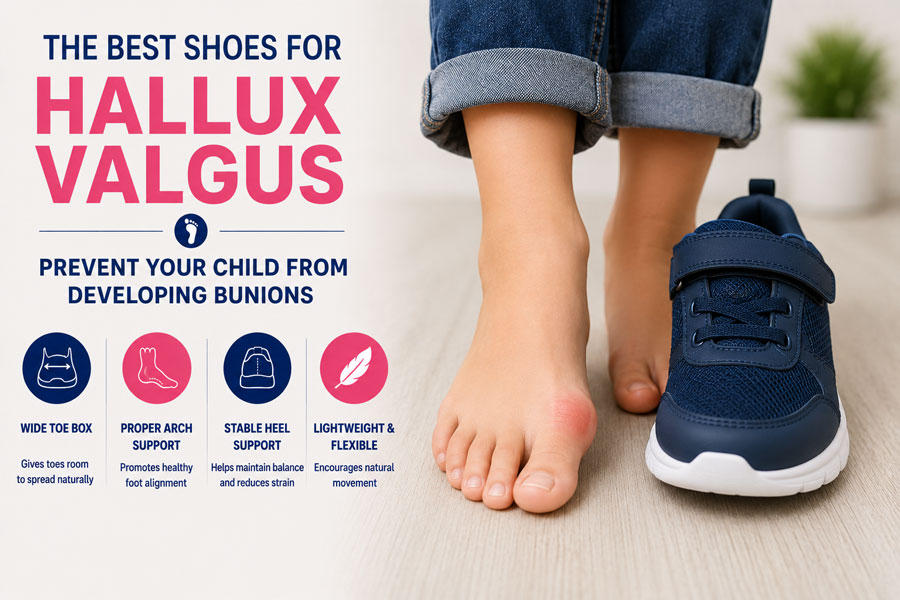
Have you noticed a bony bump forming at the base of your child’s big toe? If so, your child may be developing a bunion — also known as Hallux Valgus. While bunions are more commonly associated with adults, children can and do develop them, and acting early makes an enormous difference in how the condition progresses.
As a certified children’s shoe fitter with over 10 years of experience working with children with complicated foot shapes and conditions, I have helped hundreds of families find shoes that stop bunions from worsening — and in some cases, prevent them from forming in the first place. The right shoes are the single most accessible and effective intervention available.
What Is Hallux Valgus (Bunions)?
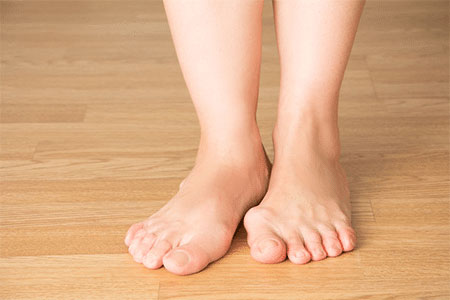
Hallux Valgus is a structural deformity of the big toe joint where the big toe angles inward toward the second toe, causing the metatarsal head to protrude outward as a visible bony bump. Over time, the displacement worsens and can begin affecting the neighboring toes — causing them to overlap, develop corns and calluses, and create pain with every step.
Children are more susceptible than most parents realize. The foot is not fully mature until around age 15 to 16, and the bones are soft and malleable during childhood — meaning a poorly fitting shoe worn consistently during these years can accelerate deformity significantly.
What Causes Bunions in Children?
Bunions in children are caused by a combination of factors:
Genetics — Hallux Valgus tends to run in families. If a parent or grandparent has bunions, the child has a higher likelihood of developing them regardless of footwear.
Ill-fitting shoes — Shoes that are too narrow, too short, or pointed at the toe compress the toes and force the big toe joint into an unnatural position over time. This is the most preventable cause.
Flat feet and overpronation — Children with flat feet are at significantly higher risk because overpronation increases the inward force on the big toe joint with every step.
Sex — Girls are more prone to developing bunions than boys. It is very common for parents to buy girls shoes and sandals that are pointed at the toe and tight at the front — the exact type of shoe that accelerates bunion formation.
Why You Should Not Leave Bunions Untreated
If bunions go untreated during childhood, the condition worsens progressively. The big toe continues to angle inward, the bony protrusion becomes more prominent, and the neighboring toes begin to develop problems of their own — overlapping, corns, calluses, and bursitis.
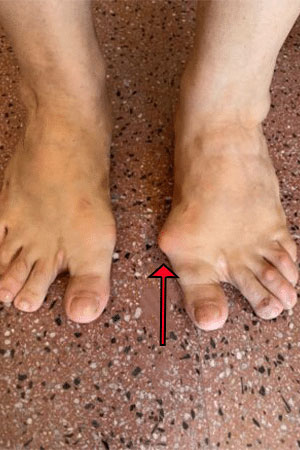
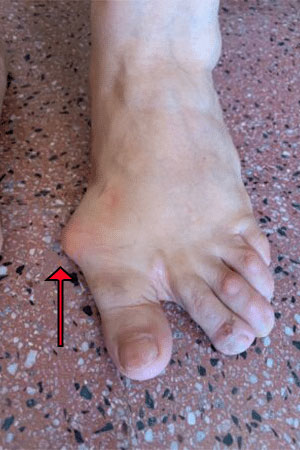
The foot is malleable during childhood — which means intervention is most effective during these years. What might be manageable with shoes and conservative treatment in a child often requires surgery in an adult. Starting with the right shoes early is a low-risk, high-reward intervention.
Key Features to Look for in Shoes for Kids with Bunions
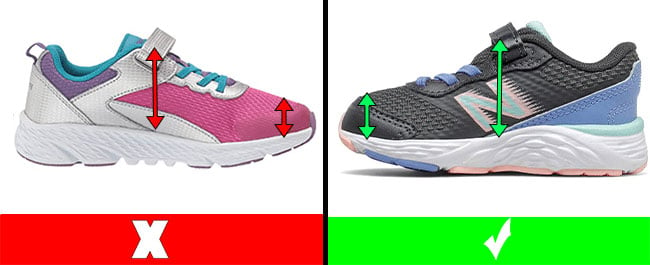
1. Extra Depth Extra depth allows the foot to sit lower inside the shoe, reducing pressure across the top of the forefoot and over the bunion. A shoe without adequate depth will press down on the bunion with every step. This is the feature most parents overlook — and it makes the biggest difference for daily comfort.
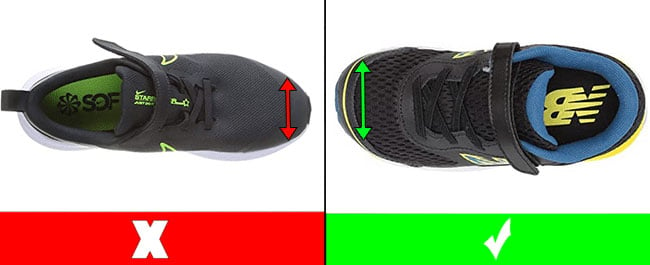
2. Rounded Toe Box A rounded toe box gives all five toes — and particularly the big toe — room to position naturally without being compressed toward the center. Look at the shoe from above: the front should be noticeably wide and rounded, not tapered or pointed.
3. Adjustable Closure Double Velcro straps or wide-opening lace closures allow you to open the shoe fully before sliding your child’s foot in. This reduces daily friction across the bunion and allows for different foot volumes — particularly important as the bunion develops.
4. Breathable Upper Leather or mesh uppers keep the forefoot cool and reduce inflammation in the bunion area during prolonged wear.
The Importance of Seamless Socks
The right shoes will not deliver their full benefit if your child is wearing socks with thick seams across the toe area. Seams pressed against a bunion cause friction, irritation, and pain. I recommend seamless socks specifically for children with bunions. Here are my top seamless sock recommendations.
The shoes below provide good support to help distribute weight evenly and reduce pressure on the bunion. Disclosure: Keep in mind that we may receive commissions when you click our links and make purchases.
Extra Deep Shoes with Round Toe-Boxes for Kids with Bunions
All of the shoes below provide extra depth, rounded toe boxes, and breathable materials that I have personally verified for children with Hallux Valgus.
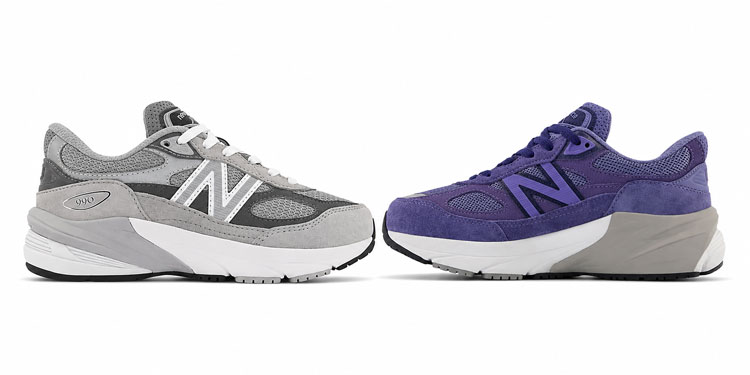
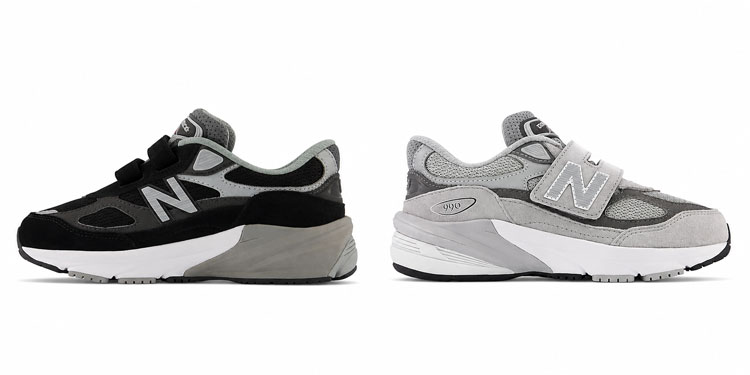
990v6 by New Balance
The deepest and widest shoe in New Balance’s children’s lineup — my top recommendation for children with bunions. The 990v6 has a genuinely rounded toe box and the deepest construction of any mainstream children’s shoe I have tested. Available in wide and extra wide widths.
Key Features
- Available for toddlers, little, and big kids
- Order with laces on the New Balance website or Amazon
- Velcro version also available on the New Balance website or Amazon
- Accommodates medium, wide, or extra wide feet
- Firm heel counters, stable base of support, and semi-straight lasts
- Ideal for moderate to strong cases of pronation
- Removable insoles
- Sizing tip: Order a half size larger than your child’s current foot size
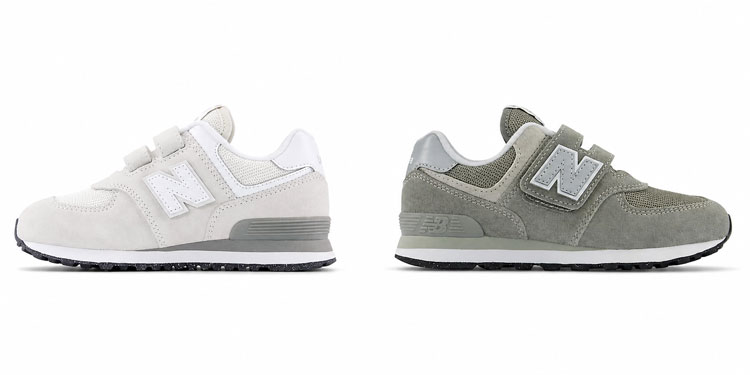
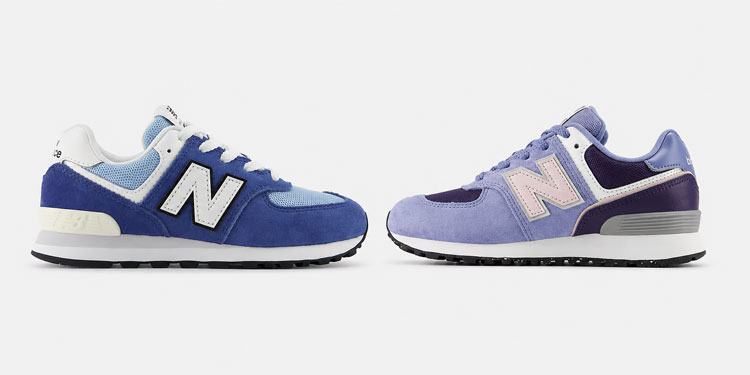
574 by New Balance
One of my go-to recommendations for children with bunions — extra depth, a rounded toe box, and available in extra wide widths. Parents appreciate that the shoe opens widely for easy on and off, reducing daily friction across the bunion. APMA Seal of Acceptance.
Key Features
- Available for toddlers, little, and big kids
- Order on Amazon or the New Balance website
- Also available with laces on the New Balance website or Amazon
- Accommodates medium, wide, or extra wide feet
- Ideal for mild to moderate cases of pronation
- Firm heel counters
- APMA Seal of Acceptance
- Sizing tip: Order a half size larger than your child’s current foot size
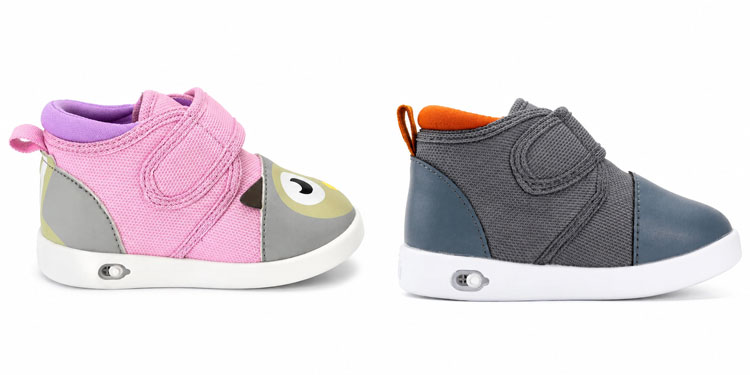
KIKI Shoes
An affordable favorite for children with bunions. IKIKI shoes fit naturally wide due to their generous construction and oversized opening — making them one of the easiest shoes to get on children whose bunions make standard shoes painful to put on. The squeaking feature that can be switched on or off is a bonus toddlers love.
Key Features
- Order on Amazon
- Not available in wide or extra wide widths but fits naturally wide
- Wide opening makes it easy to put on and take off
- Synthetic vegan leather
- Squeaks can be turned on/off with a switch
- Sizing tip: Order a whole size larger than your child’s current foot size
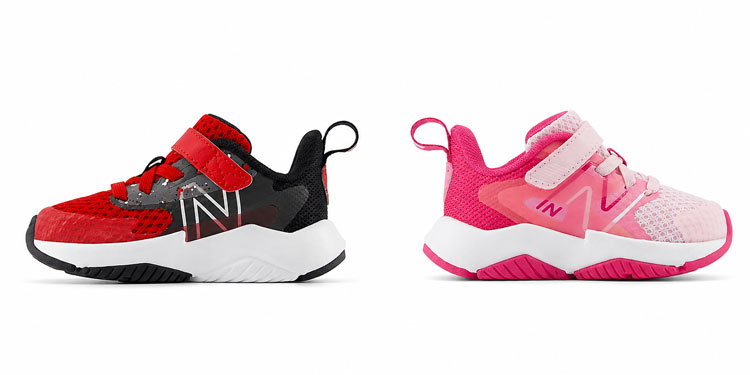
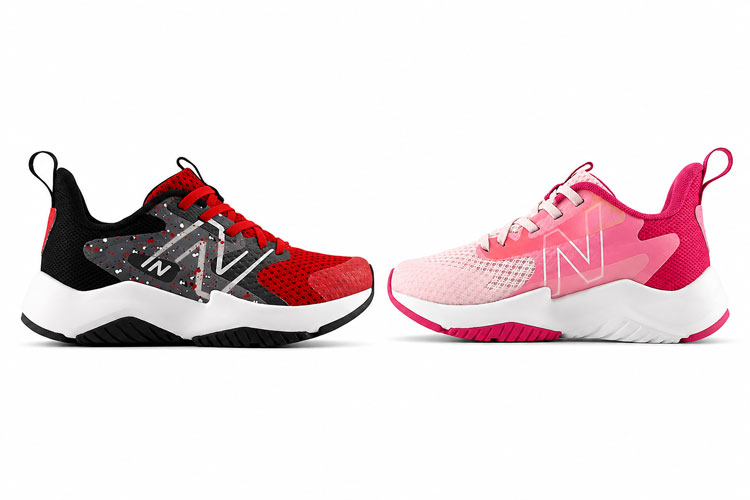
Rave Run v2 by New Balance
An affordable everyday option with extra depth, a rounded toe box, and availability in wide and extra wide widths. Parents consistently note the practical price point and good durability — one of the most popular budget-friendly options I recommend for children with bunions.
Key Features
- Order the Velcro version on the New Balance website or Amazon
- Order the Lace-up version on the New Balance website or Amazon
- Available in wide and extra wide widths
- Breathable mesh upper
- Padded collar and tongue
- Sizing tip: Order a whole size larger than your child’s current foot size
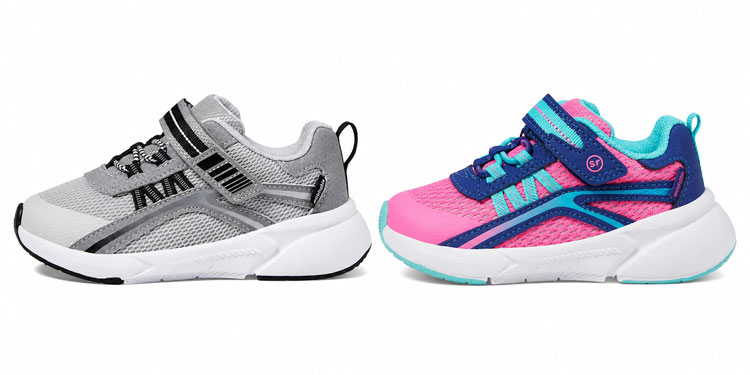
M2P Journey 3.0 Adapt by Stride Rite
One of Stride Rite’s best designs for children with bunions. Extra-long Velcro straps allow the shoe to open widely for easy on and off, and the extra depth accommodates the bunion without pressing down on it. Available in extra wide widths and APMA-approved.
Key Features
- Order on Amazon
- Available in extra wide widths
- APMA approved
- Leather upper
- Sizing tip: Order a whole size larger than your child’s current foot size
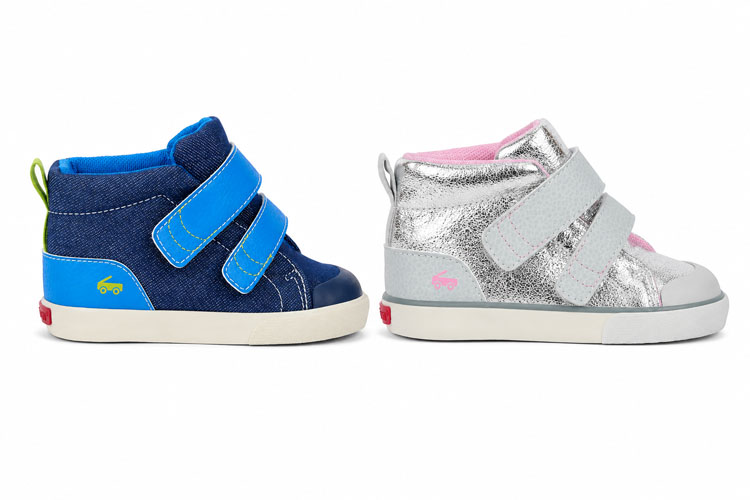
6. Dean Adapt II by See Kai Run
One of my top recommendations for children with bunions and high insteps. The Dean Adapt II features extra-long straps and extra depth that allow the foot to sit deeply inside the shoe without pressure across the top. Fits naturally wide despite not being labeled as wide.
Key Features
- Order on Amazon
- Available for toddlers and little kids
- Not available in wide or extra wide widths but fits naturally wide
- Sizing tip: Order a whole size larger than your child’s current foot size
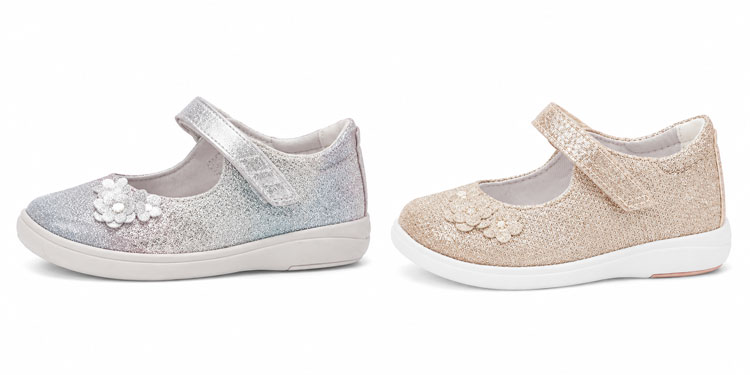
Holly Mary Jane by Stride Rite
A stylish Mary Jane option available in extra wide widths — one of the very few dress-casual options on this list that accommodates bunions. Works for both everyday wear and dressier occasions without sacrificing the depth and width that children with bunions need.
Key Features
- Order on Amazon
- Available in extra wide widths
- Awarded the Seal of Acceptance from the American Podiatric Medical Association (APMA)
- Padded tongue and collar for added comfort
- Supreme comfort care of Ortholite memory foam footbeds
- Sizing tip: Order a whole size larger than your child’s current foot size
Should My Child Have Surgery for Their Bunion?
Please do not consider surgery until your child’s foot is fully mature — around age 15 to 16. Surgery performed on an immature foot can lead to recurrence and complications. The foot’s malleability during childhood is actually an advantage — it means the right shoes, worn consistently, can slow or halt the progression of Hallux Valgus without surgical intervention.
Something as straightforward as providing shoes with extra depth, a rounded toe box, and seamless socks can make a meaningful difference. Surgery should only be considered after exhausting conservative options and only once the foot has fully matured.
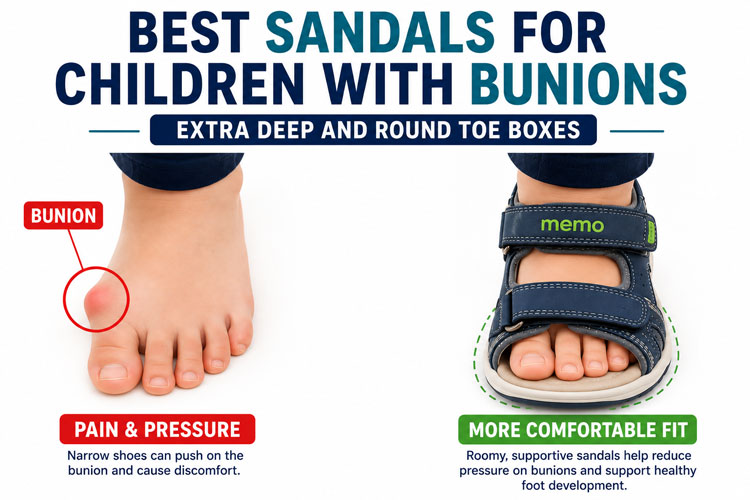
Looking for Supportive Sandals?
For warmer months, I have a dedicated guide on the best sandals for kids with bunions: Best Sandals for Children with Bunions

How to Find the Right Shoe Size
Getting the correct shoe size is critical for children with bunions. A shoe that is too short will compress the toes directly into the bunion area and accelerate deformity. I offer a free virtual shoe fitting service that helps you determine your child’s exact foot length and width from home.
Learn How to Measure Your Child’s Foot Here
Need a Personalized Recommendation?
Every child’s bunion presents differently — the degree of angulation, foot width, instep height, and activity level all affect which shoe works best. Reach out to me directly at customerservice@fittingchildrenshoes.com and I will provide a personalized recommendation at no cost.
Frequently Asked Questions
Extra depth and a rounded toe box are the two most important features. Extra depth prevents the shoe from pressing down on the bunion. A rounded toe box gives the big toe space to position without being forced inward. Avoid any shoe with a tapered or pointed toe box — these directly accelerate bunion formation.
Yes — particularly in children whose bones are still developing. Consistently wearing shoes with extra depth and a rounded toe box removes the mechanical pressure that drives bunion progression. This is most effective when started early.
Yes. Girls are at higher risk primarily because of footwear choices — pointed-toe shoes, tight sandals, and narrow dress shoes are more commonly worn by girls and directly contribute to Hallux Valgus formation. Choosing wide, rounded-toe styles from an early age is one of the most effective preventative measures.
If the bunion is causing significant pain, affecting your child’s gait, or worsening rapidly, a podiatrist visit is warranted. For mild to moderate bunions, the correct shoes and seamless socks are typically sufficient as a first intervention.
Both factors contribute. Children with a genetic predisposition to bunions can have the condition accelerated significantly by ill-fitting shoes — and children without a strong genetic predisposition can develop bunions from consistently wearing shoes that are too narrow. In both cases, the right shoes make a meaningful difference.
Still searching for the right fit? Drop a comment below with your child’s foot shape and I will point you in the right direction — I read and respond to every one.

My son is 7 years old and we just noticed a bunion has formed next to his left big toe. At this point, the big toe appears to be pointing straight forward and not pointing towards the second toe, but I read your article and wondered what kids running shoes you recommend so that we can take care of this problem right away? He’s been wearing Nike up until now (maybe that’s the problem?), and he’s a size 13– what shoes would you advise we purchase for him? Thanks!!!
Hi Spencer,
We need to make sure that your son is not wearing shoes that are too narrow. In this particular case I recommend shoes that provide a rounder toe-box to prevent the toes from overlapping and rubbing against one another or the side of the shoes. I also recommend shoes with extra depth.
Before I send you specific shoe recommendations I need to know whether your son has narrow, medium, wide, or extra wide feet.
For summer do you have any recommendations for sandals open-toe for a 10 year old girl, size 3?
Hi Annie—
Yes, there is a Teva style that is supportive and adjustable at the front:
Option 1
Option 2
For summer do you have any recommendations for sandals? My 9 year old daughter with Hallux Valgus is currently wearing flip-flops at her mom’s house, while we allow her to wear Chaco’s for summer (when we’re not doing a ton of walking, etc).
Hi Ashley,
Are you looking for an open-toe or closed toe-sandal?
thanks for your post! would you be so kind of directing me(with a link) to a site I can buy shoes for my daughter she has valgus feet, I have a lousy internet connection, very limited and t takes so much time to upload anything, that is why I need the links it would save me so much time! thanks in advance! ebrena from
Cuba
Hello Ebrena,
Below you can find link to the shoes. Next time provide me with your daughter’s shoe size so I can provide you with more specific recommendations. All of the shoe styles below are deep and come with a round toe-box, but depending on your daughter’s foot size, you will have to order them in medium “M”, wide “W”, or extra wide “XW”.
Option 1
Option 2
I hope this helps!
A few months ago, I sent the an email asking about shoes for my daughter. She was diagnosed with overpronation, and with that, had developed bunions and had bruising on the top of her feet above her arches. We had bought her a pair of Nikes that were destroyed within weeks because her bunions pushed through the fabric on the sides of both shoes and she plays hard (rough on shoes in general). You suggested New Balance KJ888V1 in medium width.
I wanted to thank you because they are working well with her. The shoes are deep enough that she can wear her orthotics (original soles from the shoes were removed) and there is no bruising on the top of her feet. She continues to play hard and they are holding up well. The sides of the shoes are not squeezing or rubbing her around the bunion area. We will definitely continue to purchase these shoes as long as they are available. THANKS!
Hello Desma,
I am happy to hear that. The shoes that our children wear play a HUGE ROLE in keeping their feet and legs healthy. Take care!