
Best Shoes for Kids with Intoeing – Improve Foot Posture and Gait
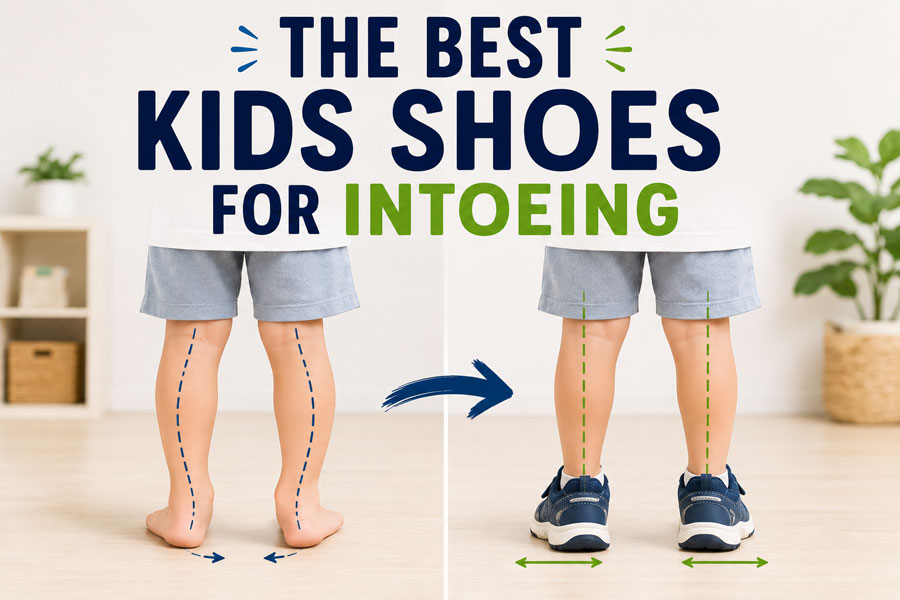
If your child’s feet turn inward when they walk or run, you are likely concerned — and you are right to be paying attention. Intoeing, also known as pigeon toes, is one of the most common foot and gait conditions I see in children. The good news is that the right pair of shoes can make a significant difference in your child’s foot posture, walking gait, and overall stability.
As a certified children’s shoe fitter with over 10 years of experience, I have helped hundreds of children with intoeing find the right shoes. In this guide I will explain what intoeing is, why it matters, what features to look for in a shoe, and give you a curated list of the best shoes for kids with intoeing that I personally recommend.
What Is Intoeing?
Intoeing means that your child’s feet turn inward rather than pointing straight ahead when walking or running. The condition can affect one foot or both feet, and it can range from mild to more pronounced depending on the underlying cause.
There are three main causes of intoeing in children:
Metatarsus adductus: The front part of the foot curves inward. This is the most common cause in infants and younger toddlers.
Internal tibial torsion: The tibia (shin bone) rotates inward. This is the most common cause in toddlers between 1 and 3 years old.
Femoral anteversion: The femur (thigh bone) rotates inward. This is the most common cause in children between 4 and 6 years old and is often associated with flat feet and knock knees.
Understanding the underlying cause can help your child’s physical therapist or podiatrist determine the best course of treatment — and it helps me recommend the right shoe features for your child’s specific situation.
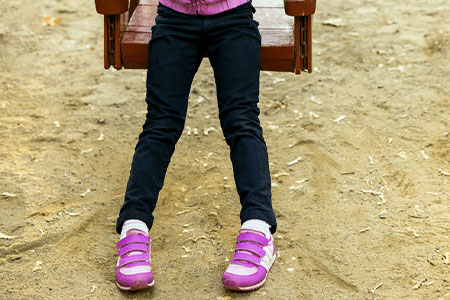
Should You Be Worried About Your Child’s Intoeing?
Most children who experience intoeing do not experience significant foot pain, but they do tend to stumble and lose balance more often than their peers. They may also appear to walk or run awkwardly, which can affect their confidence in physical activities.
I strongly recommend not leaving this condition untreated. When children are growing, foot imbalances can affect the normal development of the pelvis and spine. While intoeing often resolves on its own as the child grows, there is no reliable way to predict which children will outgrow it and which will not. Getting your child into supportive, properly fitted shoes early is a low-risk, high-reward intervention.
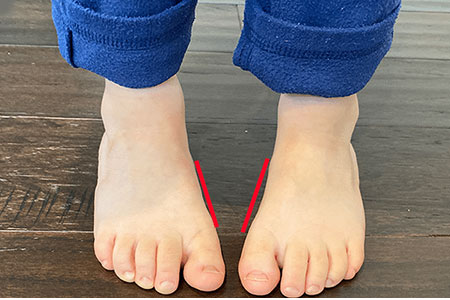
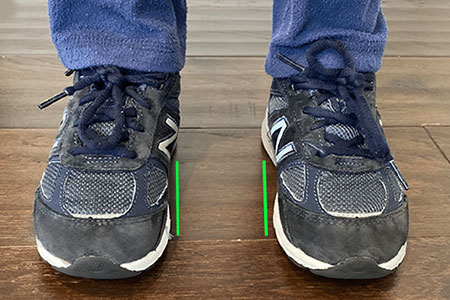
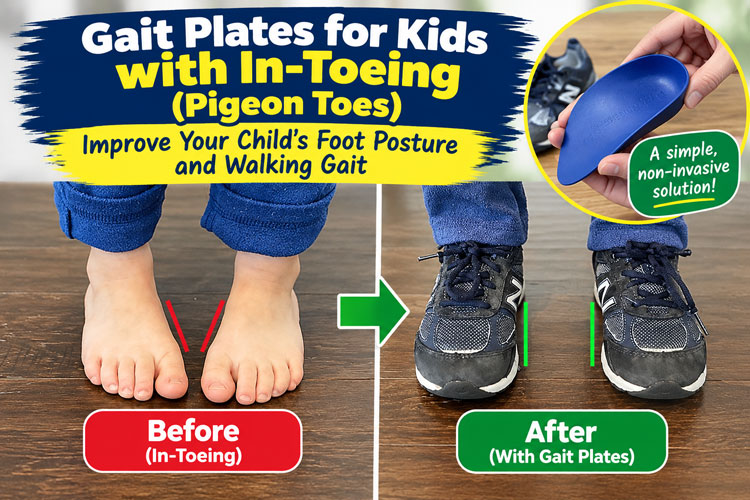
The images on this page show the difference the right shoes can make. Looking at a child with intoeing standing barefoot — feet collapsing and turning inward — versus the same child wearing a pair of supportive New Balance shoes, with the feet noticeably straighter, is one of the most rewarding things I see at the store.
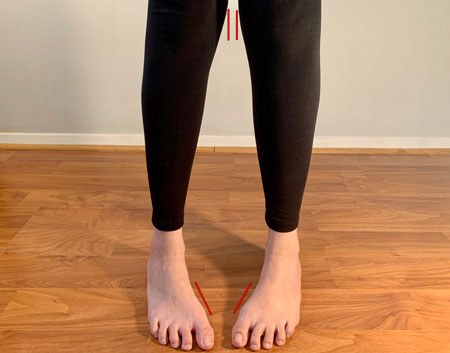
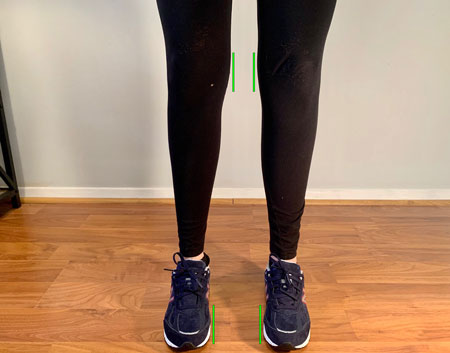
How Shoes Help Treat Intoeing
The right shoes do not cure intoeing — but they provide the structural support that allows the foot and leg to function in a more neutral position during the critical window of childhood development. Combined with any physical therapy or orthotic recommendations from your child’s medical team, the correct shoes can significantly improve your child’s posture and gait over time.
The key is knowing which shoe features matter — and which brands actually deliver them.
Key Features to Look for in Shoes for Kids with Intoeing
Not every “supportive” shoe is right for intoeing. Here are the three features I look for in every shoe I recommend for this condition:
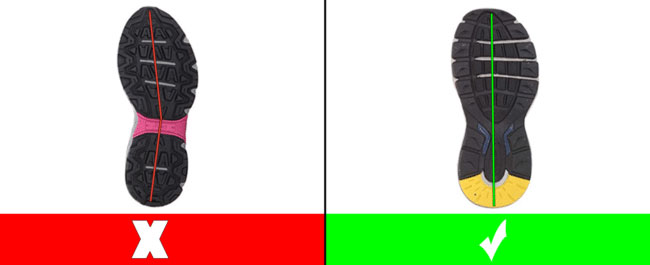
1. Straight or Semi-Straight Last The last is the mold around which a shoe is constructed. A straight last shoe has a sole that runs in a relatively straight line from heel to toe — which helps guide the foot into a more neutral position and prevents the excessive inward rotation associated with intoeing. To check: flip the shoe over and look at the outsole. The inner edge should run relatively straight from heel to toe without curving inward.
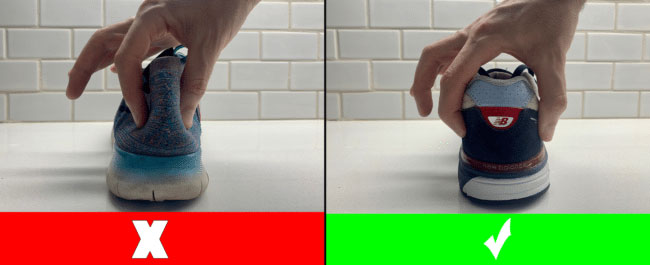
2. Firm Heel Counter Press on the back of the shoe. It should feel firm and rigid — not soft and foldable. A firm heel counter stabilizes the heel, reduces pronation, and prevents the foot from rolling inward. This is one of the single most important features for any child with a gait condition.
3. Substantial, Supportive Outsole The outsole should provide a stable, supportive base at the medial arch and forefoot. Press on the midsole from the side — it should feel firm, not squishy. A quick flex test: bend the shoe gently — it should flex at the ball of the foot, not in the middle of the arch. If it folds in half like a taco, it is too flexible to provide the support your child needs.
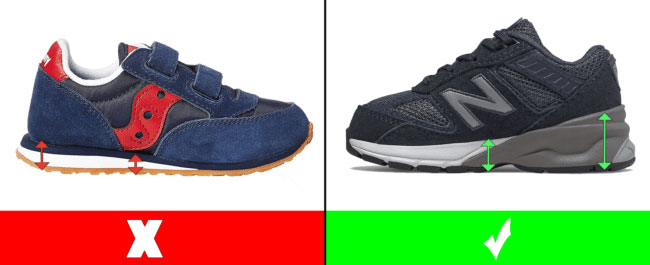
Brands to avoid: Nike, Under Armour, and Adidas generally have curved lasts and soft heel counters that are not suitable for children with intoeing. A shoe can say “supportive” on the box and still have a curved last that aggravates the condition.
The Best Shoes for Kids with Intoeing
The shoes below all have straight or semi-straight lasts, firm heel counters, and supportive outsoles that I have personally verified. Each listing includes sizing tips and foot shape compatibility. Disclosure: This post contains affiliate links. We may earn a small commission at no extra cost to you.
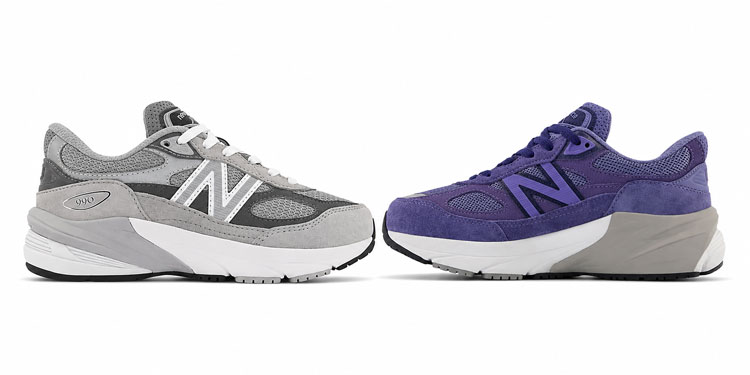
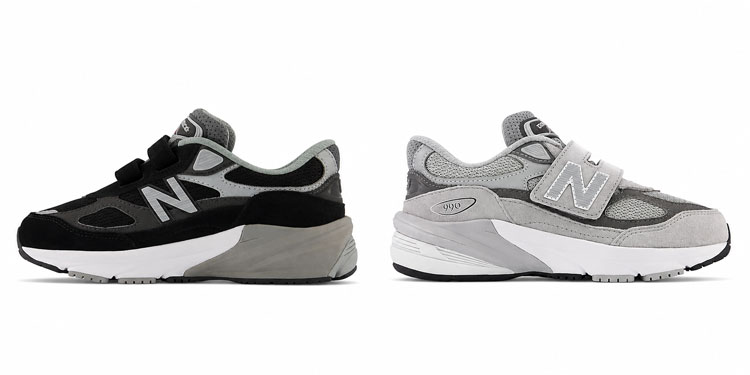
1. Shoe Style 990v6 by New Balance
This is my top overall recommendation for children with intoeing. The 990v6 has the straightest last of any mainstream children’s shoe I have tested, combined with a firm heel counter, substantial outsole, and availability in medium, wide, and extra wide widths. The higher price is the main downside — but the investment is justified for children who need genuine structural support.
Key Features
- Available for toddlers, little, and big kids
- Order with laces on the New Balance website or Amazon
- Velcro version also available on the New Balance website or Amazon
- Accommodates medium, wide, or extra wide feet
- Firm heel counters, stable base of support, and semi-straight lasts
- Ideal for moderate to strong cases of pronation
- Removable insoles
- Sizing tip: Order a half size larger than your child’s current foot size
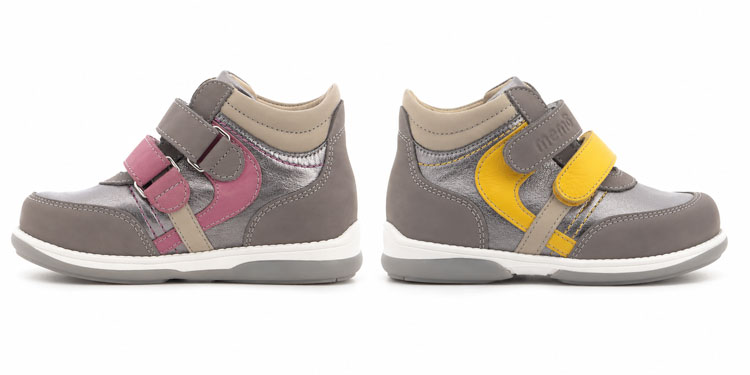
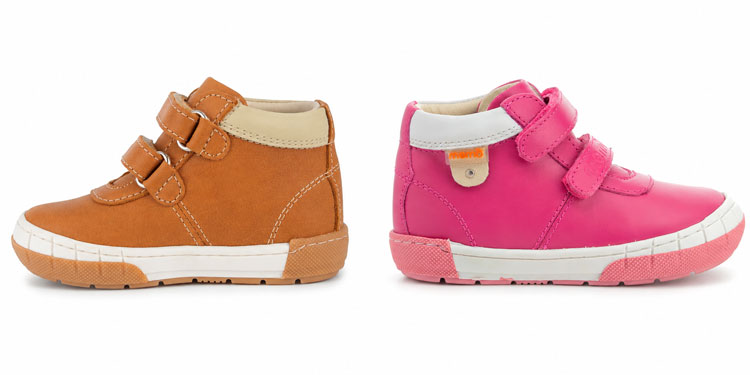
2. Shoe Style Gabi and Alvin by Memo (Orthopedic Shoe)
The Gabi by Memo is a true orthopedic shoe designed specifically to improve foot posture and gait. It has one of the most pronounced straight lasts available in a children’s shoe, combined with a rigid heel counter and a wide base of support. My top recommendation for children with moderate to severe intoeing or metatarsus adductus.
Key Features
- Available for toddlers and little kids
- Order the model Gabi or Alvin on Amazon
- Also available in a Mary Jane style and a version for older kids called Memo Polo
- Accommodates medium and wide feet
- Ideal for moderate to strong cases of pronation
- High-top design with stiff heel counters
- Sizing tip: Order a half size larger than your child’s current foot size. Refer to Memo sizing chart
3. Shoe Style Elliott by Stride Rite
The Elliott is a high-top bootie that provides excellent ankle support alongside a straight last — making it a strong choice for toddlers with intoeing who also have flat feet, overpronation, or low muscle tone. The 100% leather construction molds to the shape of your child’s foot over time, and the affordable price point is a bonus.

Key Features
- Available for toddlers
- Order on Amazon
- Accommodates medium, wide, or extra wide feet
- Ideal for mild to moderate cases of pronation
- 100% leather construction
- High-top design provides extra ankle support
- APMA Seal of Acceptance
- Sizing tip: Order a whole size larger than your child’s current foot size
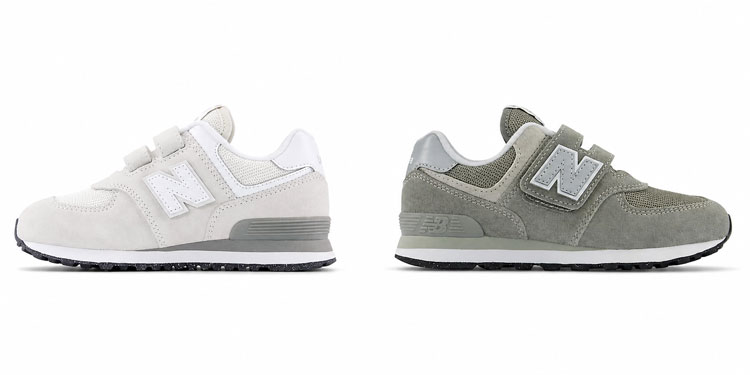
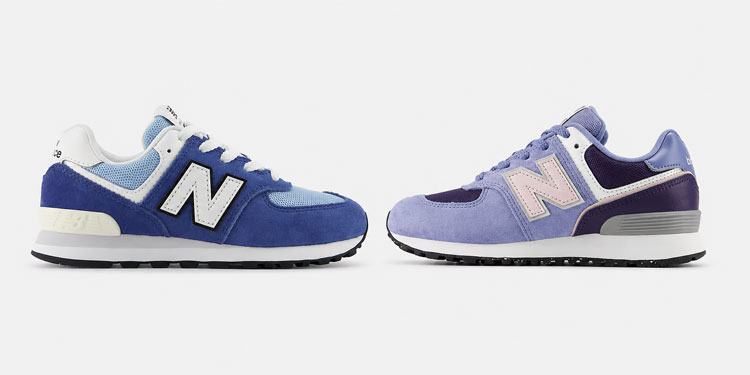
4. Shoe Style 574 by New Balance
The 574 combines style with functionality — a straight last, firm heel counter, and cushioned midsole at a more affordable price point than the 990v6. Available in medium, wide, and extra wide widths with the APMA Seal of Acceptance.
Key Features
- Available for toddlers, little, and big kids
- Order on Amazon or the New Balance website
- Also available with laces on the New Balance website or Amazon
- Accommodates medium, wide, or extra wide feet
- Ideal for mild to moderate cases of pronation
- Firm heel counters
- APMA Seal of Acceptance
- Sizing tip: Order a half size larger than your child’s current foot size
5. Shoe Style Tracks by Timberland
A durable high-top boot with a straight last and sturdy construction that holds up well during outdoor activities. Slightly heavier than my other recommendations — worth noting for children who fatigue easily — but the ankle support and water-friendly construction make it a practical option for active kids.

Key Features
- Available for toddlers and little kids
- Order on Amazon
- Accommodates medium or wide feet
- Ideal for mild to moderate cases of pronation
- High-top design for extra ankle support
- Water-friendly construction
- Sizing tip: Order a whole size larger than your child’s current foot size
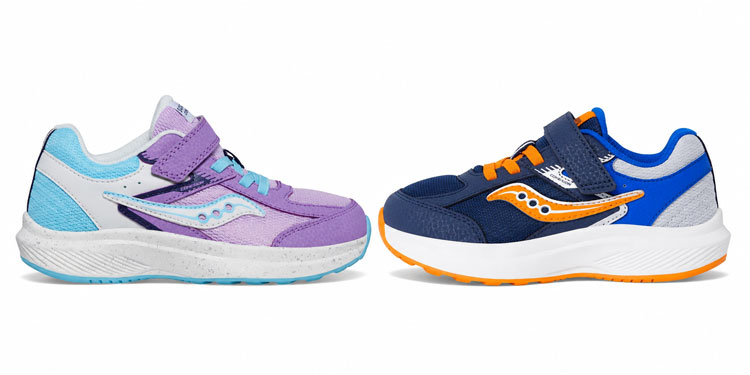
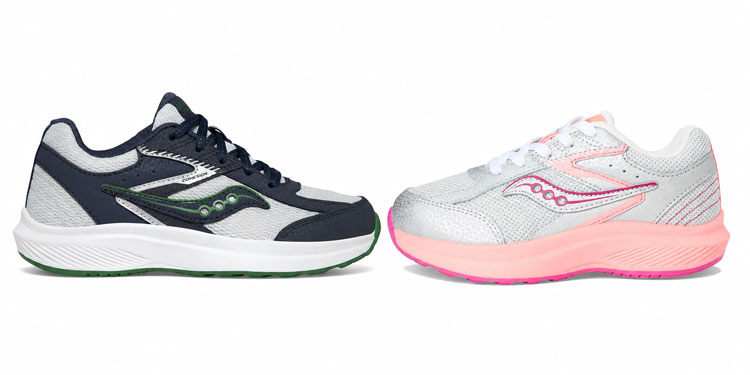
6. Shoe Style Cohesion by Saucony
An affordable straight last option for little and big kids focused on athletic activities. The Cohesion KDZ provides excellent cushioning and stability for running and sports, and is available in both Velcro and lace versions.
Key Features
- Available for little and big kids
- Order on Amazon
- Also available with laces on Amazon
- Accommodates medium or wide feet
- Ideal for mild to moderate cases of pronation
- Firm heel counters and stable base of support
- Sizing tip: Order a whole size larger than your child’s current foot size
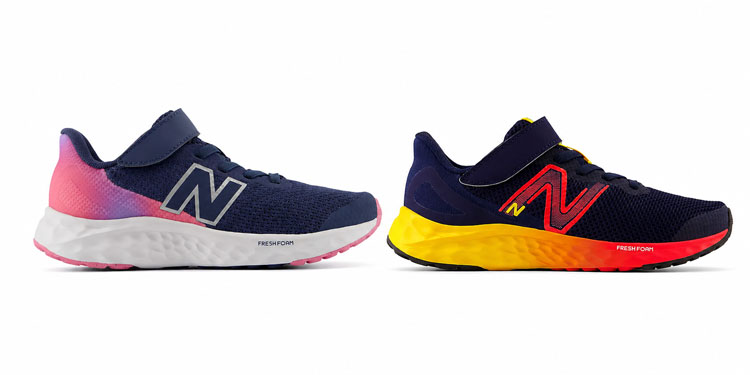
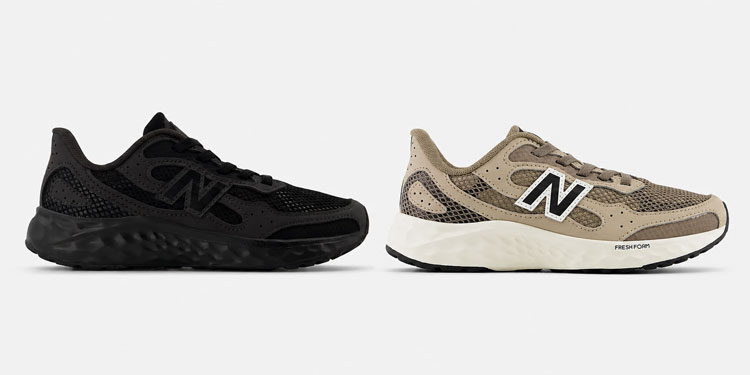
7. Shoe Style Fresh Foam Arishi v4 by New Balance
A versatile everyday sneaker that provides a soft, comfortable fit while still delivering the straight last support children with intoeing need. Available in medium, wide, and extra wide widths at a very reasonable price point.
Key Features
- Available for toddlers, little, and big kids
- Order on the New Balance website or Amazon
- Also available with laces on Amazon or the New Balance website
- Accommodates medium, wide, or extra wide feet
- Ideal for mild to moderate cases of pronation
- Semi-firm heel counters
- Sizing tip: Order a whole size larger than your child’s current foot size
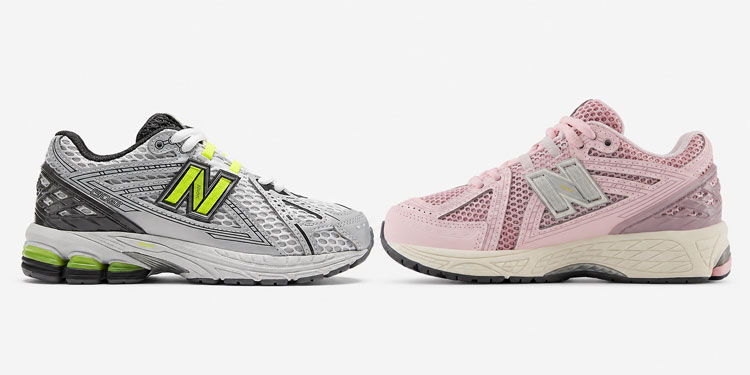
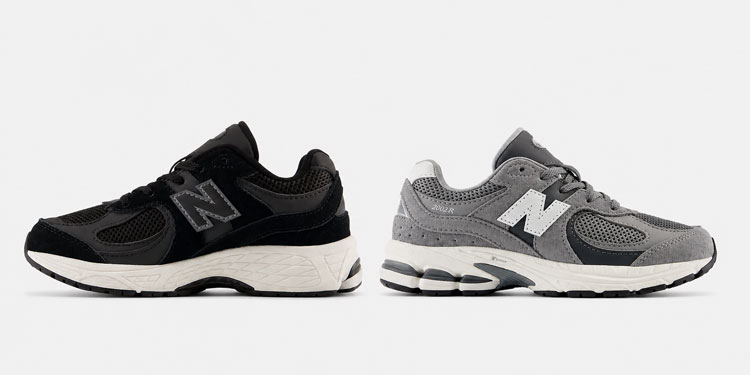
8. Shoe Style 2002/1906 by New Balance
A more affordable alternative to the 990v6 that still provides a straight last and solid structural support. Works well for school and everyday wear for children who need straight last support at a lower price point.
Key Features
- Available for toddlers, little, and big kids
- Order the 2002 or 1906 on the New Balance website
- Accommodates medium or wide feet
- Ideal for moderate to strong cases of pronation
- Firm heel counters, stable base of support, and semi-straight lasts
- Sizing tip: Order a whole size larger than your child’s current foot size
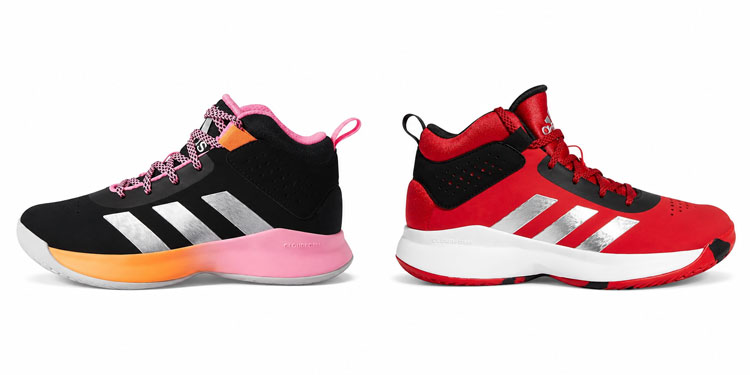
9. Shoe Style Cross Em Up by Adidas
The Cross Em Up is a basketball-inspired shoe that, unlike most Adidas styles, has enough structure and support to work for children with mild intoeing. The high-top design provides additional ankle stability, and its versatility makes it suitable for both sports and everyday wear.
Key Features
- Available for little and big kids
- Order on Amazon
- Accommodates medium or wide feet
- Ideal for mild to moderate cases of pronation
- High-top design for additional ankle support
- Versatile — suitable for sports and everyday wear
- Sizing tip: Order a whole size larger than your child’s current foot size
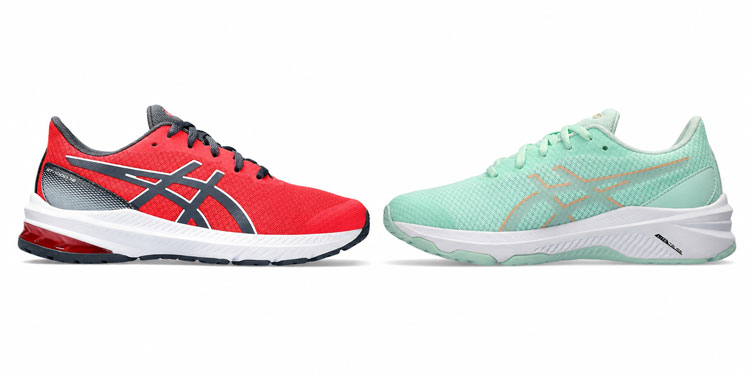
10. Shoe Style GT-1000 by Asics
The GT-1000 by Asics is a straight last running shoe that is particularly well-suited for children with narrow or medium feet — making it one of the few straight last options I recommend for children who struggle to find shoes that are narrow enough. It provides excellent stability and cushioning for running and everyday wear.
Key Features
- Available for little and big kids
- Order on Amazon
- Accommodates narrow or medium feet
- Ideal for mild to moderate cases of pronation
- Firm heel counters, stable base of support, and semi-straight lasts
- Sizing tip: Order a whole size larger than your child’s current foot size
Should I Wait and See If My Child Outgrows Their Intoeing?
Some medical professionals advise parents to wait, suggesting the child might simply outgrow the condition. While many children do improve naturally, there is no reliable way to predict which children will outgrow their intoeing and which will not.
My advice: do not wait. Getting your child into supportive, properly fitted straight last shoes early is a low-risk, high-reward intervention. The right shoes will not cause harm — and they may make a significant positive difference in your child’s posture, gait, and confidence during the critical window of development.
If your child is also working with a physical therapist, orthopedic specialist, or podiatrist, make sure to share your shoe choices with them. The right shoes and the right therapy work best together.
What About Orthotics?
For children with more pronounced intoeing — especially when associated with flat feet, overpronation, or knock knees — orthotics combined with straight last shoes can be one of the most effective approaches available. The orthotic addresses the arch and heel mechanics while the shoe provides the structural framework.
I have a dedicated guide on orthotics for intoeing here: Best Orthotics for Kids with Intoeing
If your child wears orthotics, make sure the shoes you choose have removable insoles and enough depth to accommodate the device: How to Order the Correct Shoe Size for Your Child’s Orthotics
Looking for Sandals for Intoeing?
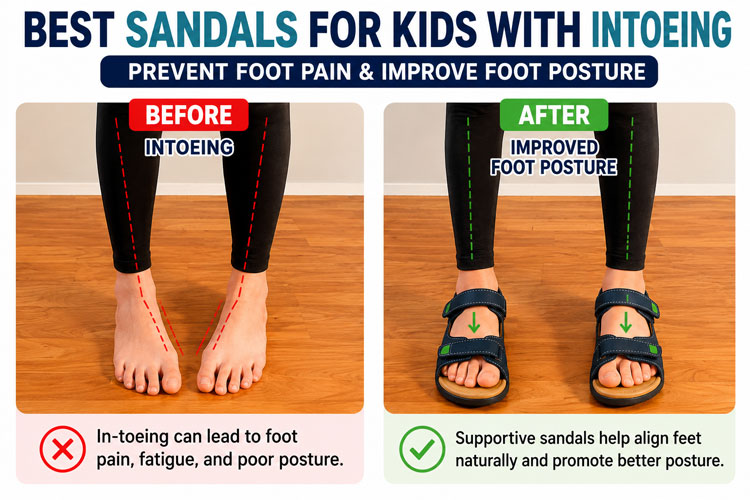
For warmer months, I have a dedicated guide on the best sandals for kids with intoeing: Best Sandals for Kids with Intoeing
Need a Personalized Recommendation?
Every child’s foot is different. If you are unsure which shoe is right for your child’s specific foot shape, degree of intoeing, or orthotic needs, reach out to me directly at customerservice@fittingchildrenshoes.com and I will provide a personalized recommendation at no cost.
I also wrote the Pediatric Shoe Guide: How to Choose Supportive Shoes for Children with Foot and Gait Conditions — a practical reference for parents and clinicians that covers intoeing and other common foot conditions in detail. Get your copy on Amazon.
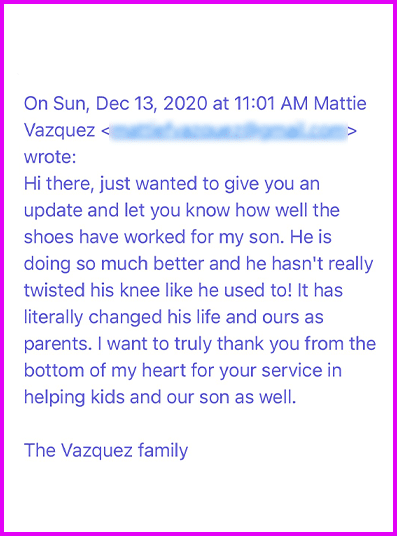
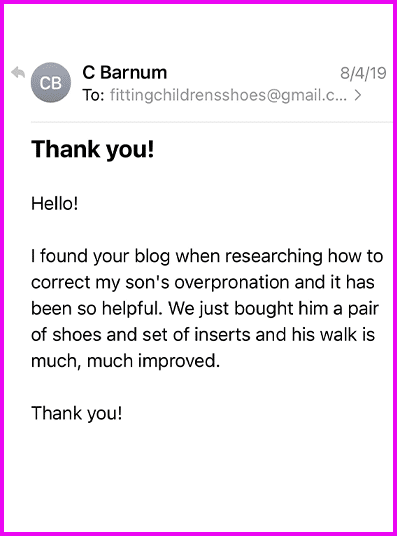
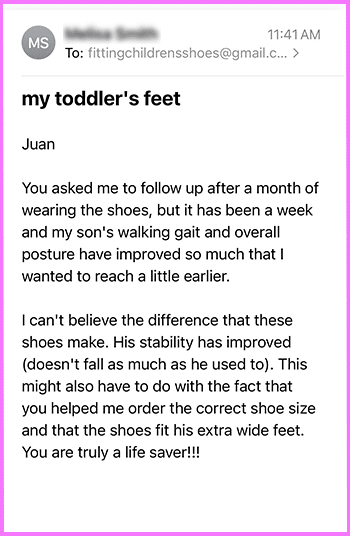
What Parents Are Saying
Here are a few reviews from parents who have seen a real difference after fitting their child in the right shoes for intoeing:
Frequently Asked Questions
Shoes alone do not fix intoeing, but the right shoes provide the structural support that helps the foot and leg function in a more neutral position during the critical window of development. Combined with physical therapy or orthotics when recommended by your child’s medical team, supportive shoes can make a significant difference in posture and gait.
Turn the shoe upside down and look at the outsole. Picture an imaginary line from the center of the heel to the center of the toe. If the inner edge follows that line without curving inward, it is a straight last shoe.
Many children do improve naturally as they grow, but there is no reliable way to predict who will and who will not. Getting your child into the right shoes early is a low-risk intervention that can make a meaningful difference in outcomes regardless of whether the condition would have resolved on its own.
Avoid shoes with curved lasts, soft heel counters, and flexible soles that bend in the middle of the arch. Nike, Under Armour, Adidas, and most fashion sneaker brands fall into this category and are not appropriate for children with intoeing.
Have a question about intoeing or your child’s specific foot shape? Leave a comment below — I read and respond to every one.

Are there any New Balance shoes you *don’t* recommend? Or do most of their kids shoes fit the parameters you discuss above? Thanks!
Hi Megan,
Great question! I only recommend a few New Balance shoes for kids with in-toeing because it’s important that the shoes offer a stable base and a firm heel counter for proper support. Only 3 or 4 styles meet those criteria, and I’ve included the best ones in the article for you to review. Let me know if you need help choosing the right one!
Thank you for writing this article. How can I tell if these shoes will fit my child’s extra wide feet?
Hello Talha,
Just look at the description below each shoe that I recommend to find out if it can fit your child’s foot shape.
Thanks 🙂
Which specific shoe brand do you recommend for a child with narrow feet?
In that case I recommend sticking with Asics or Saucony.
Thank you
Hi there, can it still be possible to help an 8 y/o with her in-toeing. I went to multiple specialists when she was little and they all told me to wait and said she would grow out of it. The advice I get now is surgery. I’m not willing to put her through surgery. Now I feel terrible because nothing has changed and sometimes she says her knees hurt.
Hello Charmayne,
I am not a medical professional but I have seen how the correct types of shoes paired up with the correct types of orthotics can make a tremendous difference in helping improve a child’s foot posture, stability, and walking gait.
Is your daughter experiencing foot or leg pain?
If you tell me your daughter’s exact foot shape (narrow, medium, wide, extra wide), the degree of her pronation, and the shoe size she wears, I am happy to recommend specific shoes and possibly orthotics for her. If you are unsure of your daughter’s foot shape I suggest that you use this resource: How to Measure Your Kids’ Foot – 2 Simple Steps to Determine Foot Length and Foot Width
Hi ! My son is 18 months old, he has wide feet, high instep, and is intoeing reeeally bad. He is constantly tripping on flat ground, if the ground is uneven he really struggles. I showed the doctor, who agreed, but said there’s nothing to do and it will hopefully figure itself out by 3 years old, Only if it doesn’t by 3 years old will they do any interventions. Is there a shoe I should try or wait it out? I am in USA!
Hello Atti,
You can maybe try a shoe with a stable base of support and a firm heel counter to help improve your son’s foot posture and stability.
For example, this shoe has the features I mentioned above, and the laces will help “hug” your son’s feet more effectively and help improve his stability: Stride Rite Make sure you select the extra wide width
Another alternative is this shoe which has velcro: New Balance Make sure that you pull the velcro straps comfortably tight.
It’s also important that you make sure that the shoes fit properly (not too short or not too long) as this can have a negative impact on your son’s stability.
Hi ! My son is 19 months with wide feet, a high instepc and he is intoeing pretty bad, his doctor agrees but said that they don’t typically treat intoeing until around 3 years old, I am fine waiting but he’s constantly tripping over himself or the ground if it’s uneven. Are there any shoes you can recommend? I am in the USA.
Hi
My son is 24 months (less than 2 year) old ,he stands straight but walks inward toe can you suggest for him?
Hello Raman,
To recommend specific shoes for your son I first need to know his foot shape (narrow, medium, wide, extra wide), as well as the country that you are contacting me from to check what shoes you might be able to order.
Hello! Can I please get your recommendation for a 16 month old boy with metartasus adductus? Thanks 🙂
Hello Vicky,
Does your son have narrow, medium, wide, or extra wide feet?
Hello, thanks for the reply. I honestly do not know. I was not told he has particularly narrow or wide feet. Perhaps standard?
I could share a pic if that helps, or if you can tell me how to “measure” or know about the width?
Hello Vicky,
You can use this free resource I created: How to Measure Your Kids’ Foot – 2 Simple Steps to Determine Foot Length and Foot Width
What brand and style of sneaker and sandal would you recommend for a 7 year old with very narrow feet and heel, who also has intoeing?
Thank you for your help in advance
Hello Melinda,
You didn’t specify whether you needed shoes for a girl or a boy.