Winter Boots with Arch Support for Kids with Flat Feet
Last updated: September 14, 2026 · Written by Juan Valenzuela, Certified Children’s Shoe Fitter
As a shoe fitter with a passion for ensuring the best foot health for children, I’m often asked about the best supportive winter boots for kids, especially those with flat feet. Choosing the right footwear matters just as much in winter as it does the rest of the year — the boots below can help improve your child’s foot alignment, which supports better posture and gait. By choosing the right arch support boots, you can also help prevent foot and ankle issues down the line.
Understanding Flat Feet in Children
Flat feet are quite common and often normal in young children, since their arches are still forming. Most kids naturally develop arches by around age six, but for some, flat feet persist into adolescence and adulthood. For some children, flat feet can lead to discomfort or pain, especially during physical activity — and that discomfort is often made worse by poorly fitting or unsupportive shoes.
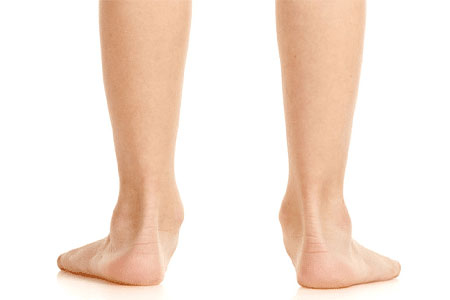
Flat feet can affect your child’s balance, posture, and overall comfort, which is exactly why choosing the right support matters during the formative years — snow boots need to keep feet warm and dry, but they also need to provide real support so your child can play outside without limitations.
Why Arch Support Matters for Kids with Flat Feet
The arch of the foot helps balance your child’s body, absorb shock, and distribute weight evenly during movement. Without proper support, children can develop foot problems that may persist into adulthood. Boots that don’t provide good support can make flat feet worse, leading to poor posture and alignment issues.
Supportive boots can help improve your child’s foot posture during the winter season. With stable arches, kids improve their balance and coordination, which matters as they run and play — reducing the risk of falls and injuries along the way.
Do Children’s Boots Provide Arch Support?
Most snow boots aren’t able to support the feet properly — they’re generally made with low arch contours that don’t cause discomfort, but also don’t provide real support. Even though most snow boots look similar at a glance, certain styles genuinely provide better support than others. Snow boots that provide good support help prevent foot pain and keep your child’s feet and legs from getting tired too quickly.
The only type of boot that provides meaningful arch and ankle support on its own is a hiking boot — and the insulated, waterproof versions work well for winter and snow specifically. The boots recommended below focus on maximizing support within a true winter/snow boot, even without a dedicated arch shape built in (more on that below).
What a Difference Supportive Boots Can Make
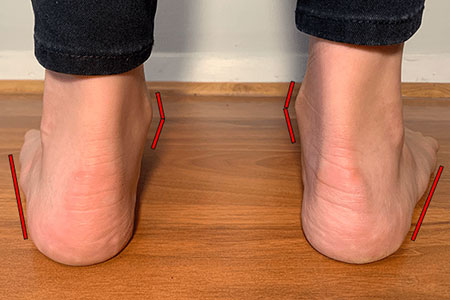
When kids with flat feet stand or put weight on their feet, the feet collapse and roll inward — which pushes pressure onto parts of the body that aren’t built to handle it.

Features of Supportive Boots with Arch Support
1. Cushioned, supportive outsoles. A supportive outsole offers stability, reducing the likelihood of slips and falls on icy surfaces, and helps maintain balance — crucial for young kids still mastering their coordination.

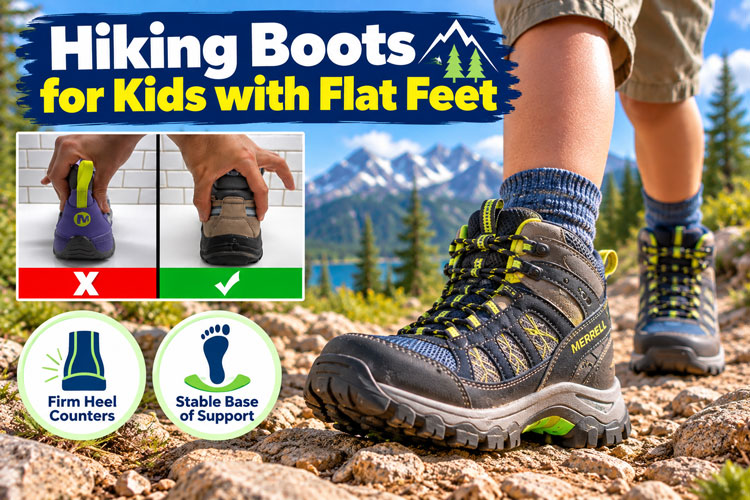
2. Sturdy heel counters. High-cut boots that cover the ankle offer additional support and reduce the risk of sprains on uneven, icy surfaces. Ankle support helps maintain proper foot and leg alignment, which matters for preventing injuries during active play.

3. Lightweight and flexible. The sole should flex enough to allow natural foot movement while staying sturdy enough to provide real support. Your child’s boots should bend at the toes, but no further — if you can twist the boot into a spiral, that’s a sign it isn’t providing the support your child needs.

I like to remind parents to forget about the bells and whistles — if the boots don’t fit properly, your child won’t get any of the benefits the boots are supposed to offer.
Tips for Ordering the Correct Boot Size Online
To order the correct boot size online, you need your child’s exact foot size. This virtual shoe fitting guide helps you retrieve your child’s shoe size and foot shape — narrow, medium, wide, or extra wide — from home.
Do the Boots I Recommend Have a Built-In Arch?
If you slide your hand inside these boots, you won’t feel the shape of an arch — but the substantial outsole and firm heel counter work together to keep your child’s feet properly supported and aligned, even without a molded arch shape.
Kids’ Winter Boots with Arch Support: My Top Recommendations
All of the boots below are supportive and made from waterproof or water-resistant materials to keep your child’s feet dry and warm in wet, snowy conditions. Some also have insulated linings for added warmth. Each boot also includes an “Ideal for” bullet noting whether it’s best suited to mild, moderate, or strong cases of flat feet — pay close attention to that bullet, since it’s one of the most important details for narrowing down the right pick for your child.
Kootenay by Keen
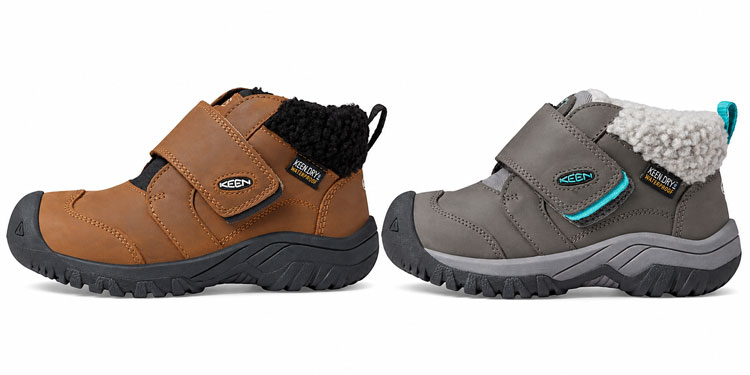
The Kootenay by Keen is one of my go-to kids’ winter boots with arch support. Known for their durable construction and excellent support, these boots feature a waterproof design, a secure fit, and an insulated lining to keep little feet warm. These boots with a cushioned footbed makes it a fantastic choice for children with flat feet.
Key Features
- Available for toddlers, little kids and big kids
- Order on Amazon
- Fits medium and wide feet (accommodates high insteps)
- Ideal for moderate to strong cases of flat feet
- This is a waterproof and insulated boot that can be used in the snow and rainy days
- Velcro closure
- Insulation helps keep feet warm in temperatures down to -4F / -20C
- Order a full size larger to allow growing room through the season, without sizing up so much that it compromises support
Littleplum Snow Boots
This is a very versatile boot with triple velcro straps for a secure fit and easy on and off. The lightweight design ensures that children can move freely without feeling weighed down. Parents appreciate that the boots are supportive, budget-friendly, and do not compromise on comfort or durability.
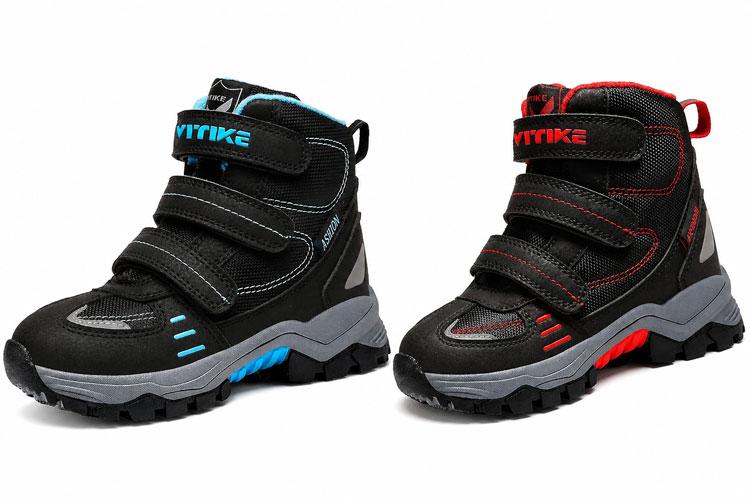
Key Features
- Available for little and big kids
- Order on Amazon
- Fits medium, wide, and extra wide feet (accommodates high insteps)
- Ideal for moderate to strong cases of flat feet
- This is a snow boot that can be used in the snow and rain as well
- Rubber outsole with ice cleats to help prevent slips and falls
- Waterproof
- Removable insoles
- Triple velcro straps for easy on and off
- Order a full size larger to allow growing room through the season, without sizing up so much that it compromises support
UBFEN Kids Snow Boots
This is another affordable option that doesn’t compromise on support, comfort, or durability.
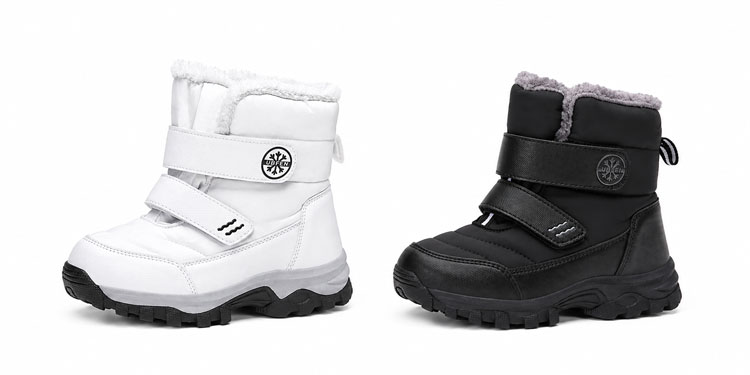
Key Features
- Available for little and big kids
- Order on Amazon
- Fits medium and wide feet (accommodates high insteps)
- Ideal for mild cases of flat feet
- This is a snow boot
- The fluffy lining provides warmth
- Order a full size larger to allow growing room through the season, without sizing up so much that it compromises support
Atlas by See Kai Run
This is one of the most versatile hiking boots with arch support for kids with flat feet. The lightweight design and flexible outsole allow your child to wear this boot for longer periods of time. This is an awesome boot that can be worn to school, snow play, or rainy days.
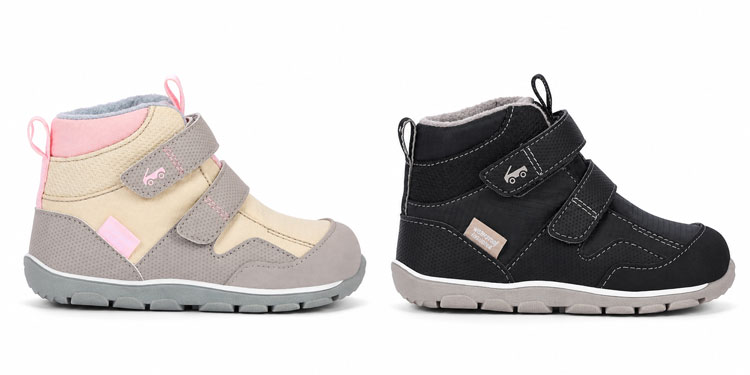
Key Features
- Available for toddlers and little kids
- Order on Amazon
- Fits medium, wide, and extra wide feet (accommodates high insteps)
- Ideal for moderate cases of flat feet
- This is a waterproof and insulated boot that can be worn in the snow and rain
- Double velcro straps
- Awarded the Seal of Acceptance from the American Podiatric Medical Association (APMA)
- Order a full size larger to allow growing room through the season, without sizing up so much that it compromises support
Davos by Memo (Orthopedic Boot)
This orthopedic winter boot offers excellent arch support and stability. The triple Velcro straps and durable materials make it suitable for active kids who need extra support during the winter months.
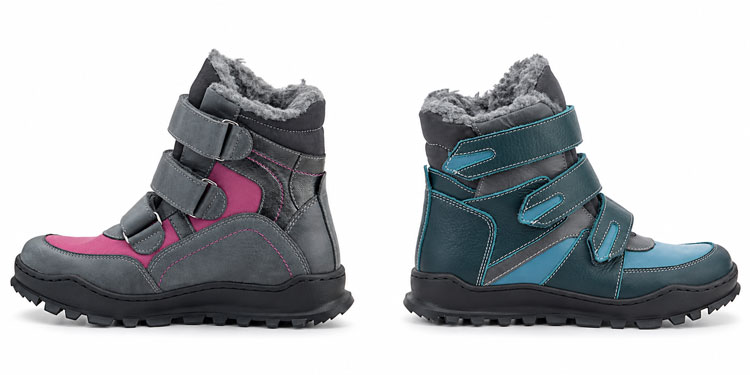
Key Features
- Available for toddlers, little kids, and big kids
- Order on Amazon
- Fits medium and wide feet (accommodates high insteps)
- Ideal for strong cases of flat feet
- This is a waterproof and insulated boot that can be worn in the snow and rain
- Triple velcro straps
- Waterproof
- Order a full size larger to allow growing room through the season, without sizing up so much that it compromises support. Refer to Memo sizing chart
Howser II Chukka by Keen
The Howser by Keen is also one of my go-to kids’ winter boots with arch support. These boots with great arch support combine comfort with functionality, featuring a soft, insulated interior and a supportive footbed.
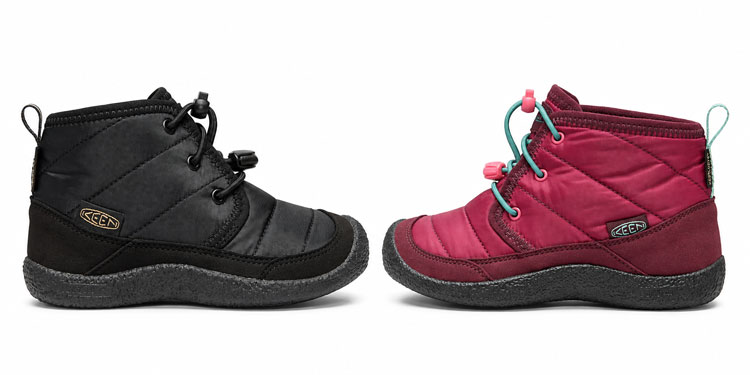
Key Features
- Available for toddlers, little kids and big kids
- Order on Amazon
- Fits medium and wide feet (accommodates high insteps)
- Ideal for mild to moderate cases of flat feet
- This is a waterproof and insulated boot that can be used in the snow and rainy days
- Toggle lace
- Insulation helps keep feet warm in temperatures down to -4F / -20C
- Order a full size larger to allow growing room through the season, without sizing up so much that it compromises support
Disclosure: some links above are affiliate links — we may earn a small commission at no extra cost to you.
All of the winter boots recommended here come with removable insoles, which lets you swap in custom orthotics for additional tailored support when needed.
Personalized Shoe Recommendations
If you’re unsure which boots to choose for your child’s flat feet, reach out via email for personalized recommendations based on your child’s specific foot shape and condition.
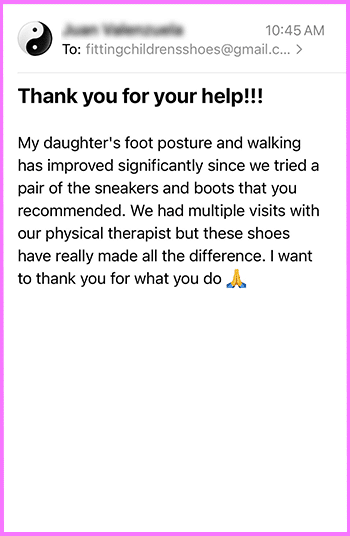
Reviews from Families

Can You Fit Orthotics Inside the Boots for Extra Support?
Many supportive winter boots, including the ones recommended here, are designed to accommodate orthotics — which can be a real difference-maker for kids with more significant flat feet. If your child is still complaining of foot or leg pain even after trying a supportive boot, fitting a supportive insole or orthotic inside can add the extra support they need. When trying boots on, remove the existing insole first to test whether the orthotic fits comfortably.
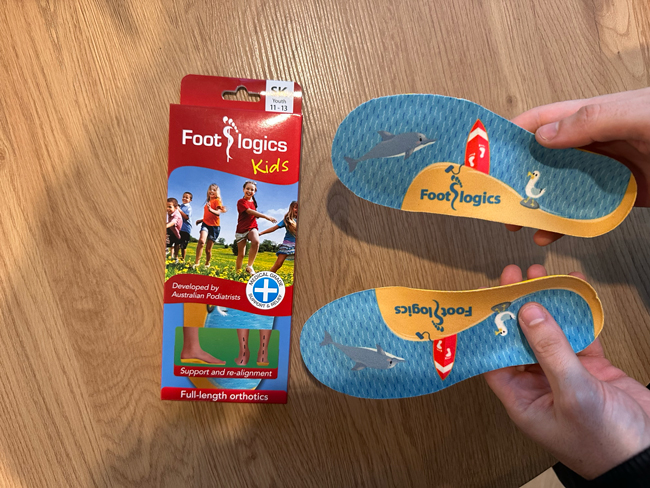
The orthotics I recommend for snow boots specifically have a lower-volume profile, so they don’t take up much room inside the boot. If your child has flat feet, this kind of orthotic helps prevent the feet from collapsing and rolling inward.
How many hours a day will your child actually wear the boots? This is worth factoring in. If your child will wear the snow boots for about three to four hours a day or less, you likely won’t need to add an orthotic — the boot’s own support is probably enough. If your child will be in the boots for more than four hours a day, I’d recommend fitting a pair of orthotics inside for the extra support.
Keep in mind that if a full orthotic feels like more than your child’s boots need, arch support cookies are also worth considering — they’re a more affordable, lower-profile option. Keep in mind they can be a bit more finicky to fit properly inside a boot than a standard orthotic, so it’s worth double-checking the fit once your child’s boot is on rather than assuming it sits right on the first try.
Additional Resource: Sneakers for Kids with Flat Feet
Snow boots matter for winter weather, but the right everyday sneakers matter just as much for the rest of the year. Look for the same supportive features — arch support and a firm heel counter — so your child’s feet are cared for consistently, year-round.
Comparing Different Types of Supportive Boots
Some parents want to know which type of boot — hiking, snow, or rain — is actually the most supportive.
Are Hiking Boots More Supportive Than Snow Boots?
Hiking boots are built for rugged terrain and typically offer excellent support, with sturdy construction, reinforced midsoles, and firm heel counters — a great choice for active kids who hike even in winter. Snow boots with real arch support are harder to come by, since they’re designed more around insulation and waterproofing; they can still be supportive, but it’s worth checking specifically for a firm heel counter. Snow boots also tend to run heavier than hiking boots.

Are Hiking Boots More Supportive Than Rain Boots?
Rain boots are usually rubber and built to keep feet dry — they typically lack the structured support hiking boots provide. Rain boots with real arch support essentially don’t exist, since their primary function is keeping water out, not supporting the foot.
What Are the Best Types of Socks to Wear with Winter Boots?
Since boots don’t breathe as well as sneakers, it’s worth choosing socks that let your child’s feet breathe. Socks should also cover the ankle, so the boot doesn’t rub directly against skin and cause blisters.
Winter boots need to protect against the elements without giving up the support features flat feet need. Striking that balance — warmth, protection, and support — is what lets your child enjoy outdoor winter activities without discomfort or injury risk.
Frequently Asked Questions
It largely comes down to how many hours a day they’ll wear the boots. Under about four hours a day, the boot’s own support is usually enough on its own. Beyond four hours a day, adding an orthotic gives extra support worth considering, especially for more pronounced flat feet.
That’s expected — these are winter boots, not orthotics, so they don’t have a molded arch shape built in. The support comes from the substantial outsole and firm heel counter instead, which work together to keep the foot aligned even without a literal arch shape.
Many medical professionals believe flat feet have a hereditary component, so if you have flat feet yourself, there’s a reasonable chance your child’s flat feet are related. It doesn’t change the footwear approach for your child, but it may be useful context if you’re also shopping for supportive boots for yourself.