
Best Kids’ Shoes for Orthotics: Extra Deep and Removable Insoles
Last Updated: August 2026 | Juan Valenzuela, Certified Children’s Shoe Fitter
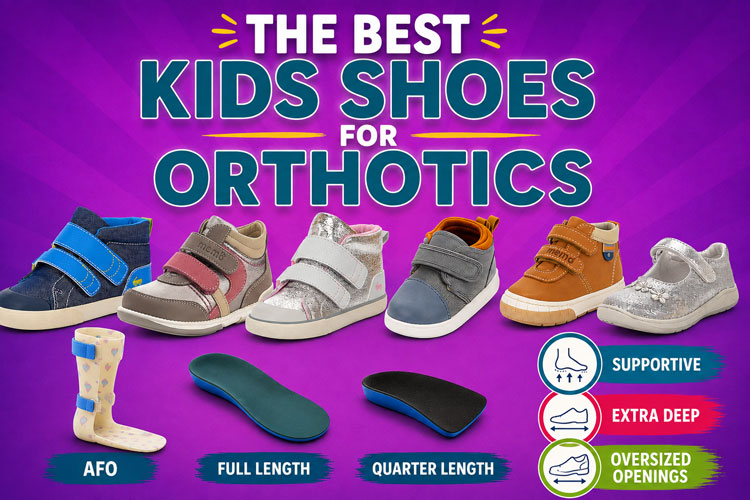
Many children wear orthotics to help treat conditions such as flat feet, low muscle tone, weak ankles, knock knees, or poor posture. Orthotics can help support and align the feet, but they only work effectively when paired with the right shoes. I will show you a list of supportive and comfortable kids shoes for orthotics, including extra deep kids shoes that provide enough space to fit full-length or 3/4-length orthotics (there is also a section for kids who wear AFOs).
As a passionate shoe fitter, I’m here to assist you in making the best choice for your child’s unique needs. Providing the right support during the formative years can lead to a lifetime of healthy foot habits and prevent future complications.
What Are the Best Kids’ Shoes for Orthotics?
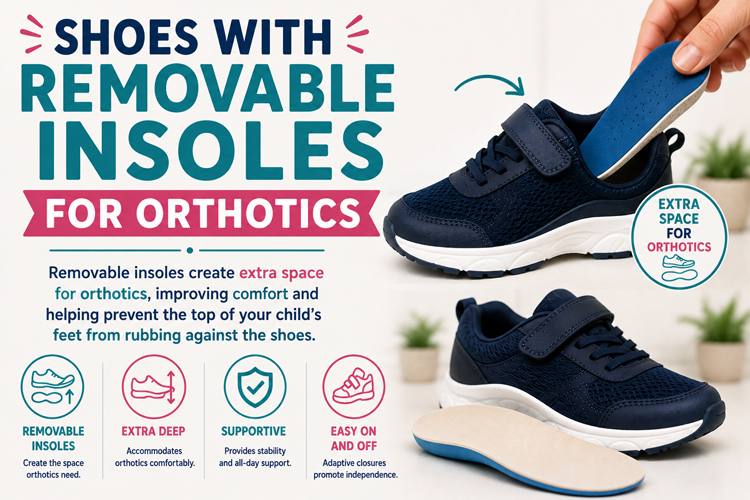
The best kids shoes for orthotics provide extra depth, removable insoles, and a stable base of support so the orthotic can sit deeply inside the shoe. These features ensure you are choosing shoes that fit orthotics properly and allow the device to function as intended.
Quick Comparison: Best Kids Shoes for Orthotics
The table below provides a quick comparison of some of the best kids shoes for orthotics, highlighting models that provide extra depth, removable insoles, and strong support.
| Brand | Model | Best For | Orthotics Type | Check Price |
|---|---|---|---|---|
| New Balance | 990v6 | Maximum depth and support | 3/4, Full, SMOs, AFOs | Check Price |
| Stride Rite | M2P Journey 3.0 Adapt | Extra wide feet and adaptable fit | 3/4, Full, SMOs | Check Price |
| Memo | Gabi | Orthopedic support | 3/4, Full, SMOs, AFOs | Check Price |
| Billy | Classic DR High II | AFO braces | SMOs, AFOs | Check Price |
| Stride Rite | Elliott | Affordable ankle support | 3/4 orthotics | Check Price |
| New Balance | 574 | Affordable everyday support | 3/4, Full, SMOs | Check Price |
| New Balance | 2002 | Support at lower price than 990v6 | 3/4, Full | Check Price |
My Experience Fitting Children in Supportive Shoes and Orthotics
I work in a specialized children’s shoe store where we carry some of the most supportive children’s shoes and orthotics. Several pediatricians, physical, and occupational therapists refer families to the shoe store to be fitted for supportive shoes and orthotics. The right shoes can enhance the effectiveness of orthotics, ensuring that they provide the intended benefits.
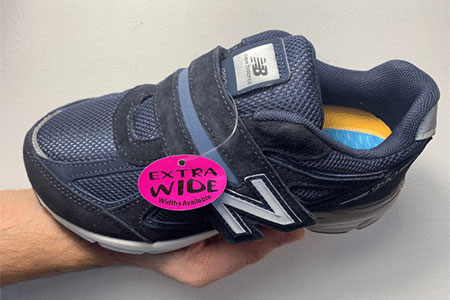
Many families make the common mistake of assuming that children who wear orthotics can wear any shoe. Not all shoes have enough depth or structure to accommodate orthotics, which is why it’s important to choose shoes that fit orthotics properly.
The Role of Supportive Shoes in Orthotic Efficacy
Orthotics and shoes should work together to provide the best support and alignment for your child’s feet. The shoe acts as a foundation, while the orthotic provides targeted support and correction. Together, they can improve posture, prevent foot pain, and enhance mobility.
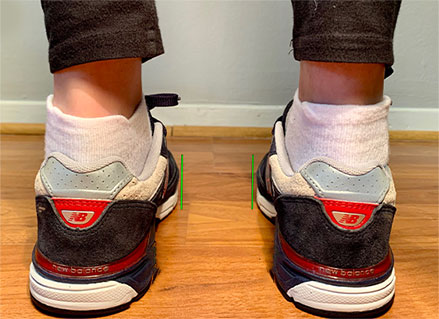
This child struggled with flat feet, which affected his balance and coordination. His parents opted for New Balance shoes (990v6), which offered the perfect blend of support and flexibility. The supportive shoes and orthotics helped improve his balance and mobility, and now he can participate in his favorite activities without discomfort.
Key Features to Look for in Kids’ Shoes for Orthotics
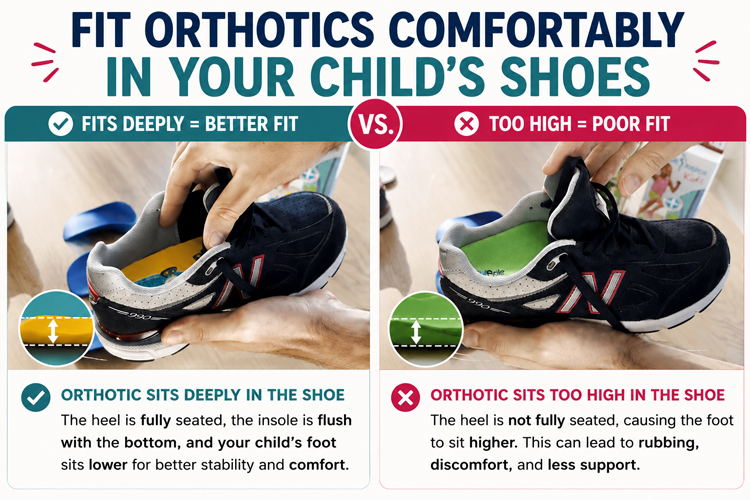
1. Adequate Depth and Width: This feature allows the orthotic to fit deeply inside the shoes and prevents your kids’ feet from being raised by the orthotics. The depth of the shoes plays a key role, as it’s important for the orthotics to fit deeply inside your kids’ shoes to not give your child the impression that their feet are coming out of the shoes.
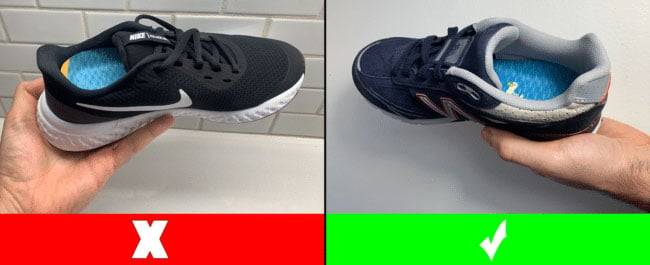
Let me show you what a tremendous difference a shoe that provides extra depth can make. Do you notice how much deeper the orthotic is fitting inside the shoe on the right?
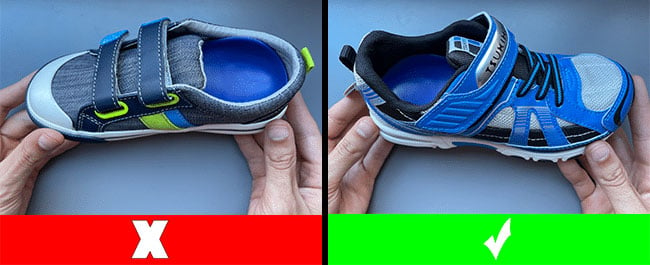
Below you can find another example with a different orthotic type of orthotic:
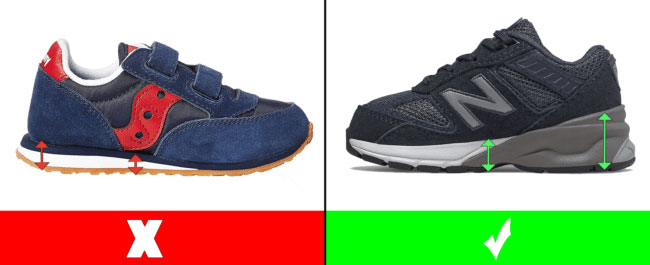
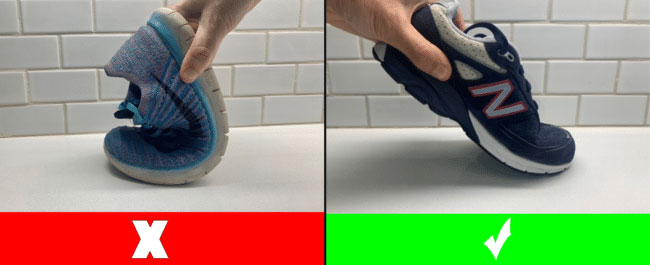
2. Stable Base of Support: The shoes must provide a substantial outsole to act as a foundation and to hold the orthotic in place. Let me show you the difference in support between one of the shoes I recommend and a different shoe:
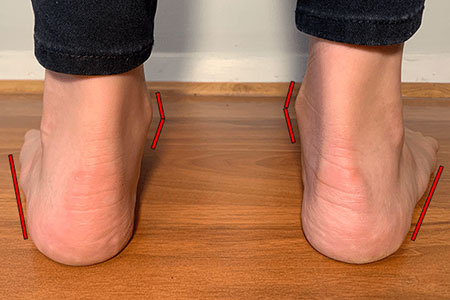
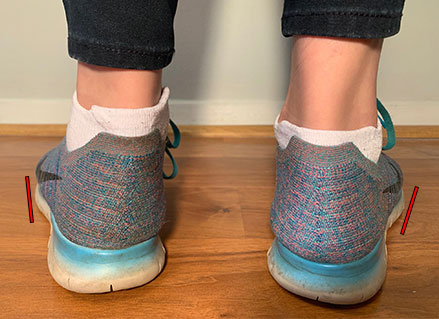
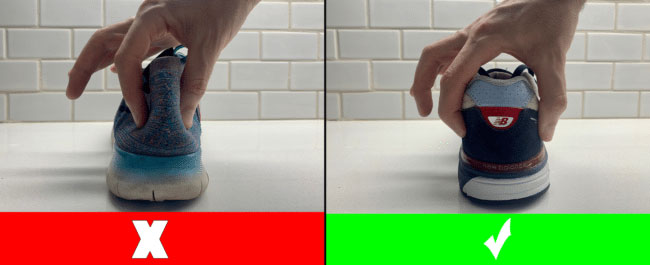
3. Firm Heel Counters: A firm heel counter provides stability and helps maintain the alignment of the foot. This is particularly important for children using orthotics, as it enhances the orthotic’s corrective function. Let’s take a look at the difference between a shoe that provides a firm heel counter and one that doesn’t:
Two Additional Features
Flexible and Lightweight: The shoes must be supportive, but lightweight and flexible at the same time to prevent your child’s feet and legs from easily getting tired.
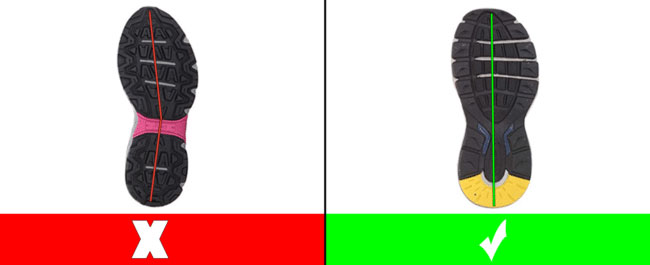
Straight Lasts: This feature helps prevent the forefoot from pushing out. You need to stay away from shoes that have an excessively curved last as they lack heel stability. Take a look at the image below for better visualization purposes:
Remember, the right pair of orthotic shoes for kids can significantly impact your child’s mobility and overall quality of life.
Best Kids’ Shoes for Orthotics (Extra Deep and Supportive)
These recommendations include shoes that work well with 3/4 orthotics, full-length orthotics, SMOs, and AFOs, and they are selected based on real shoe-fitting experience and structural features that improve stability and comfort.
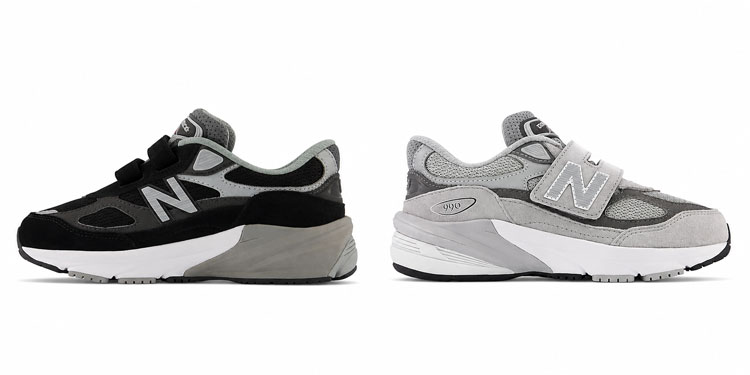
New Balance 990v6
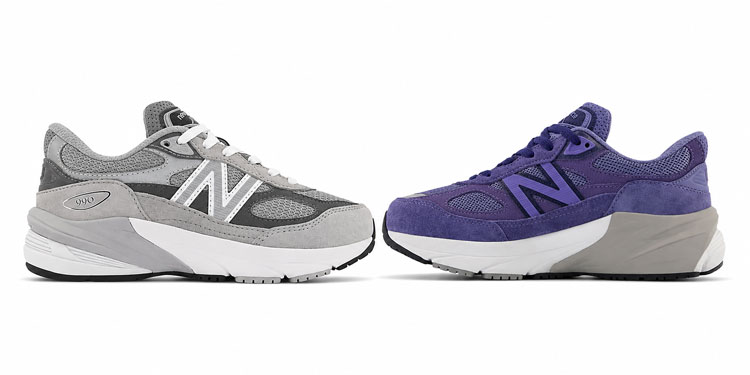
This is a go-to shoe for orthotics—well-structured with great depth and a solid heel counter. It’s one of the most reliable options for fitting full-length orthotics, ¾-length orthotics, SMOs, and even some AFOs.
Widths: Medium, Wide, Extra Wide
Closure: Lace (Velcro also available)
Fit Guidance: Order one full size up for full-length or ¾-length orthotics. For SMOs and AFOs, order 1½ to 2 sizes up
Most Appropriate For Orthotics:
✔ Full-length orthotics
✔ ¾-length orthotics
✔ SMOs
✔ Select AFOs (depending on bulk)
You can find this shoe at specialized children’s shoe stores, New Balance stores, and most major shoe retailers. It’s been around for years and stays consistent—families can buy the same model year after year.
View Model At:
New Balance Official Website | Amazon
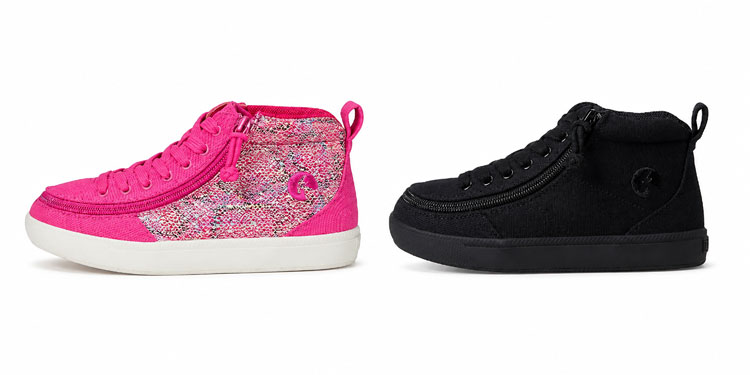
Billy Shoes
Perfect for AFOs. The wraparound zipper opens the shoe completely flat, making it easy to slide the AFO and foot inside—no forcing or struggling.
Widths: Medium, Wide, Extra Wide
Closure: Zipper + Lace
Fit Guidance: Order ½ size longer than the AFO footplate
Best For:
✔ AFOs and SMOs
You can find this shoe at specialized children’s shoe stores or online at Amazon and Zappos. Heads up: Not all physical stores carry the extra-wide width, so you may need to order online.
View Model At:
Amazon | Official Website
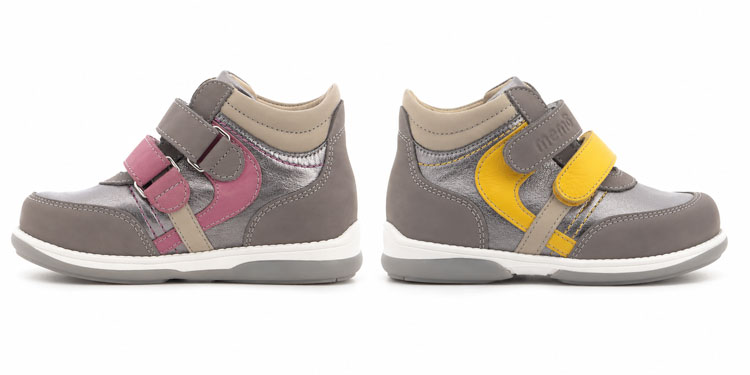
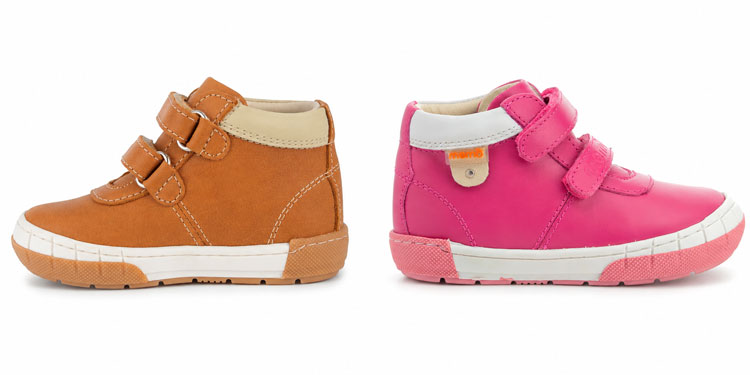
Memo Gabi
This is a true orthopedic shoe with serious structure—firm heel counter, strong midfoot support, and consistent alignment control. Best for kids who need maximum support beyond what standard supportive shoes provide.
Widths: Medium
Closure: Velcro
Fit Guidance: Order approximately ½ size longer for growing room
Most Appropriate For Orthotics:
✔ SMOs
✔ ¾-length orthotics
✔ Full-length orthotics
This is a European brand, so it’s easiest to order directly from their website or through Amazon.
View Model At:
Amazon | Official Website
Stride Rite M2P Journey 3.0 Adapt
This shoe is specifically designed for AFOs and SMOs. The extended Velcro straps open wider than standard shoes, creating a bigger opening that makes it much easier to get braces in and out. Available in extra-wide widths to accommodate the bulk of orthotics.
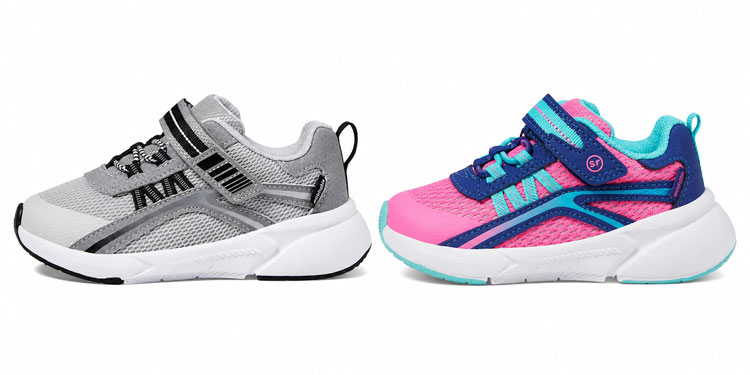
Widths: Extra Wide
Closure: Extended Velcro
Fit Guidance: Order 1 full size longer than the AFO footplate
Best For:
✔ AFOs
✔ SMOs
You can find this shoe at specialized children’s shoe stores, Stride Rite stores, and online retailers like Zappos and Amazon.
View Model At:
Amazon | Official Website
Ikiki Shoes
These shoes have oversized openings that make getting AFOs and SMOs in and out much easier. While not officially labeled as wide-width, they’re naturally roomy through the toe box and midfoot.
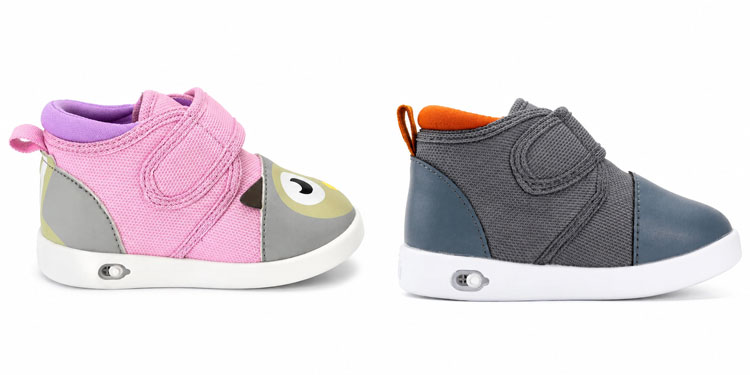
Widths: Standard (naturally wide fit)
Closure: Velcro
Fit Guidance: ½ size longer than AFO footplate
Best For:
✔ AFOs
✔ SMOs
Available online through Amazon and the official Ikiki website.
View Model At:
Amazon | Official Website
Stride Rite Elliot
A structured high-top with extra ankle support—firm heel counter, solid base, and higher collar for containment. Great for toddlers who need more support than regular shoes but aren’t quite ready for AFOs or SMOs.

Widths: Medium, Wide, Extra Wide
Closure: Lace
Fit Guidance: Order 1½ sizes up
Most Appropriate For Orthotics:
✔ ¾-length orthotics
Available at specialized children’s shoe stores, Stride Rite stores, and online retailers like Zappos and Amazon.
View Model At:
Amazon | Official Website
Stride Rite Holly Mary Jane
A Mary Jane that actually works with orthotics. It has the depth and opening needed for braces but still looks dressy enough for school or special occasions.
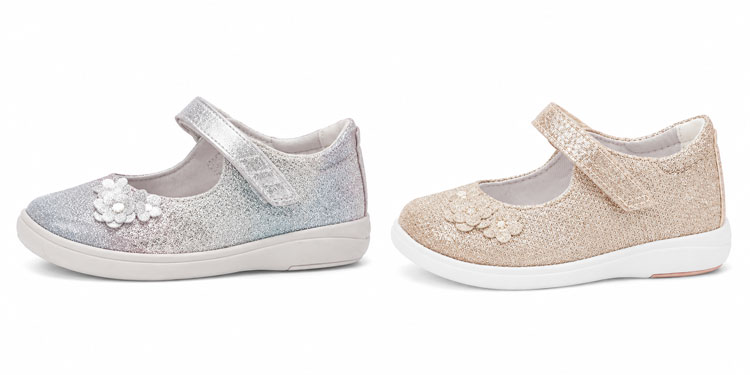
Widths: Extra Wide
Closure: Velcro
Fit Guidance: Order 1 full size longer
Best For:
✔ Full-length orthotics
✔ ¾-length orthotics
✔ SMOs
✔ AFOs
Available at specialized children’s shoe stores and online retailers like Zappos and Amazon.
View Model At:
Amazon | Official Website
New Balance Fresh Foam Arishi v4
This shoe offers good structure and support without the premium price tag. Firm heel counter, stable base, and available in wide and extra-wide widths that accommodate orthotics well. Great for kids who need supportive shoes but don’t require the highest level of motion control.
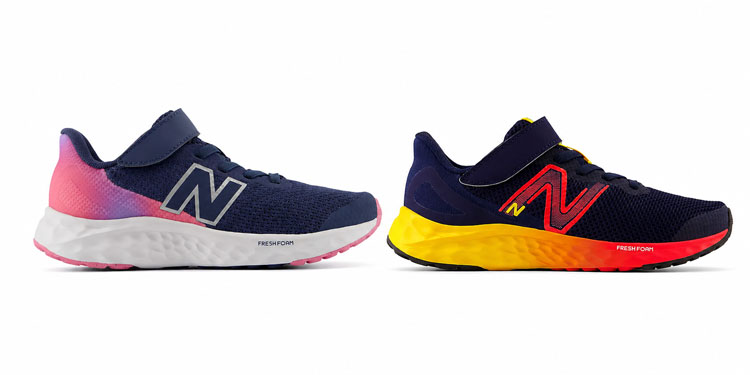
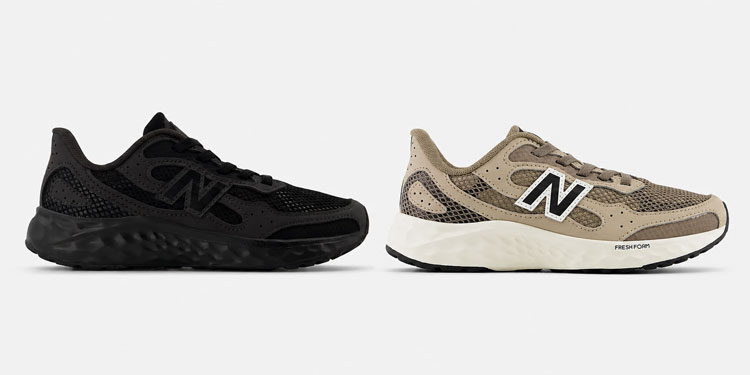
Widths: Medium, Wide, Extra Wide
Closure: Velcro or Lace
Fit Guidance: Order approximately 1 full size longer for growing room
Most Appropriate For Orthotics:
✔ Full-length orthotics
✔ ¾-length orthotics
You can find this shoe at specialized children’s shoe stores, New Balance stores, and most major shoe retailers.
View Model At:
New Balance Official Website | Amazon
Dean Adapt II by See Kai Run
See Kai Run offers an adaptable line for kids who wear orthotics with shoes that provide extra long straps and extra depth to allow the orthotics to sit deeply inside of the shoes. These shoes have a lightweight design.
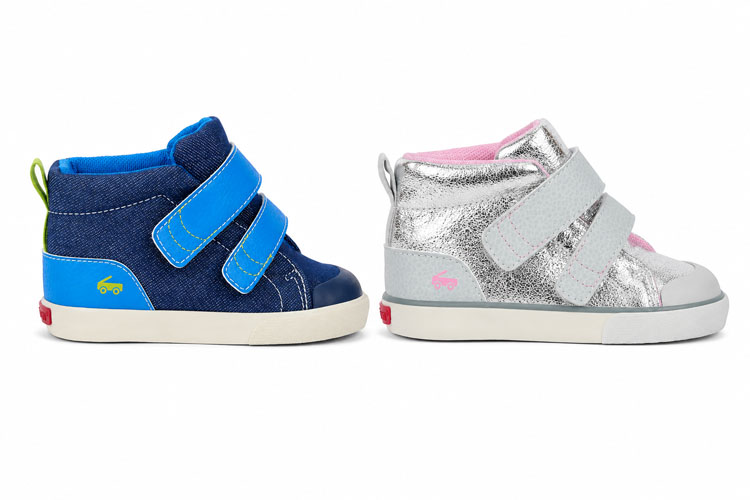
Widths: Standards but fits naturally wide
Closure: Velcro
Fit Guidance: Order approximately 1 full size longer for growing room
Most Appropriate For Orthotics:
✔ AFOs or SMOs
✔ Full-length orthotics
✔ ¾-length orthotics
Available at specialized children’s shoe stores and online retailers like Zappos and Amazon.
View Model At:
Amazon
New Balance 574
A classic everyday sneaker with moderate support—firm heel counter and stable base, but lighter and more flexible than heavy-duty models like the 990. It’s also more affordable. Works well for kids who need daily support without maximum structure, especially with lower-profile orthotics that don’t need extra depth.
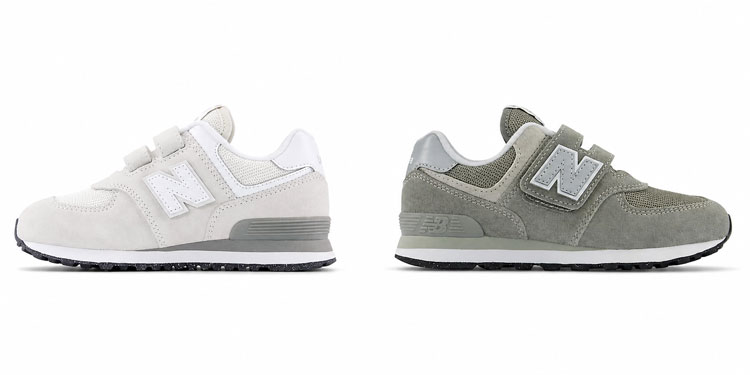
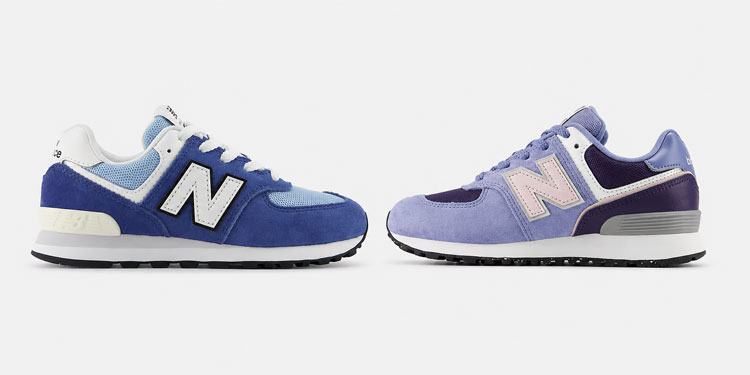
Widths: Medium, Wide
Closure: Lace or Velcro
Fit Guidance: Order approximately 1 size longer for growing room
Most Appropriate For Orthotics:
✔ Full-length orthotics (low profile)
✔ ¾-length orthotics
You can find this shoe at specialized children’s shoe stores, New Balance stores, and most major shoe retailers.
View Model At:
New Balance Official Website | Amazon
2002/1906 by New Balance
A more affordable alternative to the 990v6 that still provides a straight last and solid structural support. Good option for kids who need supportive structure but also benefit from cushioning, especially when wearing orthotics.
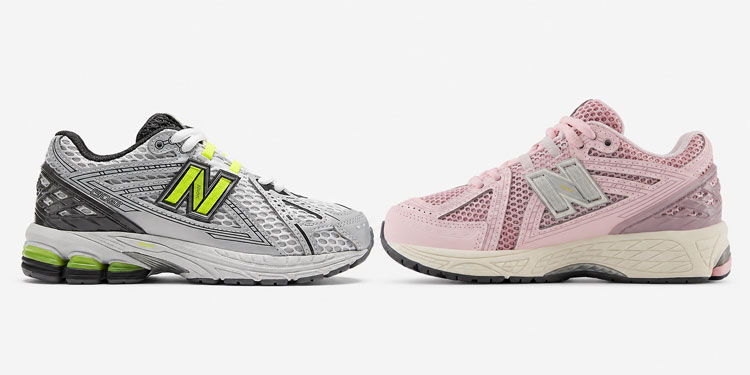
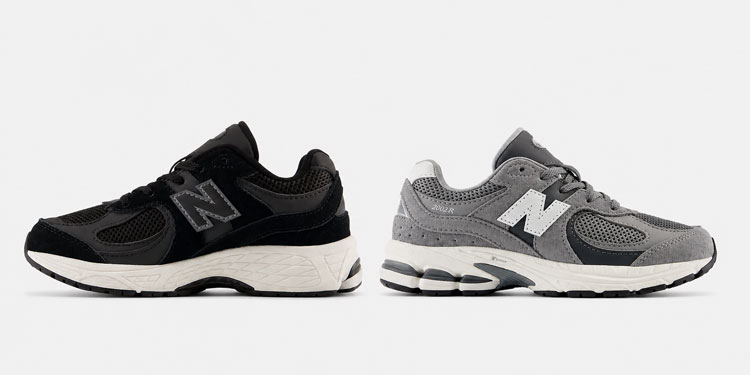
Widths: Medium, Wide
Closure: Lace
Fit Guidance: Order approximately 1 size longer for growing room
Most Appropriate For Orthotics:
✔ Full-length orthotics (low profile)
✔ ¾-length orthotics
You can find this shoe at specialized children’s shoe stores and New Balance stores.
View Model At:
New Balance website | Amazon
Need Additional Guidance?
Every child’s orthotic needs, foot shape, and device type are different. While the shoes listed above meet the structural criteria for orthotic compatibility outlined in the Pediatric Shoe Guide, final recommendations should always be based on the child’s individual presentation and proper fit assessment with the device in place.
If you’re unsure which shoe may work best for your patient or child, you can reach out for guidance at:
customerservice@fittingchildrenshoes.com
Please include:
- Current shoe size (with and without orthotic/brace)
- Child’s age
- Foot shape (narrow, medium, wide, extra-wide)
- Type of orthotic device (¾-length, full-length, SMO, AFO)
- Any diagnosed foot or gait conditions
- Specific fit challenges you’re experiencing
Get a Personalized Shoe Recommendation
Choosing the correct shoes for children who wear orthotics can be challenging, especially since different orthotics require different amounts of space inside the shoe.
If you’re unsure which shoes will work best for your child’s orthotics, feel free to contact me. Based on your child’s foot shape, shoe size, and orthotic type, I can recommend supportive shoe styles that are most likely to improve comfort and fit.
📧 fittingchildrensshoes@gmail.com
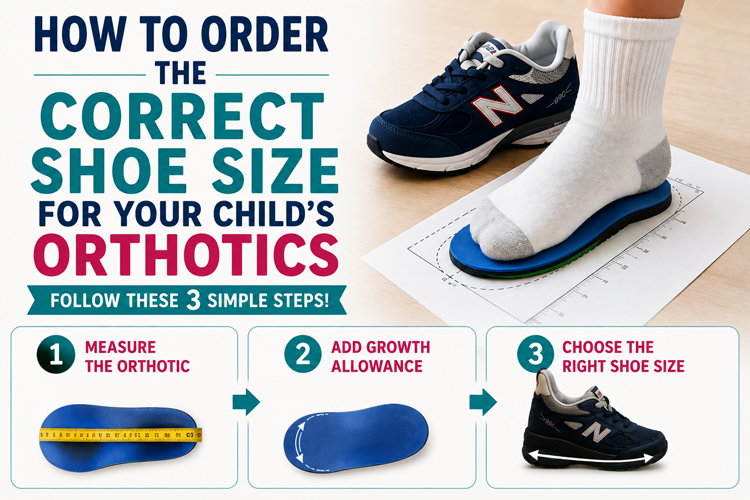
What Shoe Size Should You Order for Your Kids’ Orthotics?
The shoe size your child needs will depend on the type of orthotic they wear. Some orthotics take up more space inside the shoe than others.
For example:
- Full-length orthotics require more space inside the shoe
- 3/4-length orthotics typically fit in more shoe styles
If you are unsure which shoe size will accommodate your child’s orthotics, you can use my virtual orthotic fitting service to determine the correct size.
A well-fitted shoe ensures the orthotic remains in place, providing consistent support and alignment.
Has Your Child Been Diagnosed with AFOs or SMOs?
I showed you a list of the best kids’ shoes for orthotics and some of them do work well for AFOs and SMOs. However, these types of foot braces can take up a lot of extra space inside the shoes, so for those types of orthotics I suggest looking into a different resource that has supportive and deep shoe recommendations for AFOs.
Worst and Best Kids’ Shoes for Orthotics
If your child wears orthotics stay away from shoes that provide alternative closures such as bungee laces or slip-on shoes. Velcro shoes are okay but I highly recommend getting shoes with double velcro straps instead of one.
Are Shoes with Laces Better than Shoes with Alternative Closures?
I always recommend a pair of shoes that come with shoelaces instead of velcro closure for children who wear orthotics, as shoelaces help keep the orthotic in place. Shoelaces also provide better support and stability, and they will push your kids’ heels back supporting and securing them against the back of the shoes. There is a specific shoe lacing technique that I like to use for children who wear orthotics.
Frequently Asked Questions
No. Most shoes do not provide enough depth or structure to accommodate orthotics. Children need supportive shoes with removable insoles and extra depth so the orthotic can sit properly inside the shoe.
It depends on your child’s foot shape, but many children who wear orthotics do benefit from wider shoes. Orthotics take up extra space inside the shoe, so a wider shoe can help provide enough room for both the orthotic and your child’s foot to fit comfortably.
Yes. In most cases children need about one full shoe size larger for 3/4 or full-length orthotics. Children who wear AFOs or SMOs often need two full shoe sizes larger to properly accommodate the brace. The goal is to stay as close as your child’s current foot size as possible.
Not at all. A well-built Velcro shoe with double straps, a firm heel counter, and a stable base of support can still deliver real benefit. Laces are generally the better option when a child can manage them, but a properly supportive Velcro shoe is a reasonable and sometimes necessary alternative.
Kids’ Shoes for Orthotics and the Importance of Being Proactive
The first seven years of a child’s life are often referred to as the “golden years of treatment opportunity.” During this time, the foot and lower extremity’s structural changes are relatively easy to influence with supportive shoes and orthotics. Moreover, addressing foot issues early with orthotics not only aids in correcting the existing problems but also enhances the child’s ability to participate in physical activities without pain.
Choosing the right kids shoes for orthotics can make a significant difference in your child’s comfort, posture, and mobility. Shoes that provide extra depth, removable insoles, and strong structure allow orthotics to function properly and provide the intended support.
By pairing the correct orthotics with supportive shoes, you can help improve your child’s stability, alignment, and long-term foot health.

Hello. We are in the UK. My 11 year old boy is autistic and jumps/stimms a lot. He has out toeing of his feet, left more than the right. NHS Orthotics have suggested insoles but he tends to remove them as find them uncomfortable, probably his shoes are not deep enough. Please suggest appropriate footwear as he’s is reluctant to walk long distances.I can email you a picture of his feet/stance.
Hello Naz,
I wanted to confirm that I received your email and I will be in touch shortly.
Hi there,
Found this page while looking for supportive shoes for my 1 year old. She isn’t walking yet but when standing her weight is completely on the inside of her foot. So much so that her little pinky toe is off the floor. This happens mostly on her left foot. I’m wondering what shoe you’d recommend for her as a prewalker. Would also love any advice you may have to hopefully help and correct her situation.
Hello Amber,
To recommend specific shoes for your daughter I first will need to know her foot shape (narrow, medium, wide, extra wide), and the country that you are contacting me from to check what specific shoes you might be able to order.
Hi there, this post was very useful. I have an eleven year old son, with custom soft orthodics to support his ligament elasticity, he has Trisomy 21. I did find that Merrell makes the exact shoes that I needed. They have ankle boots, with substantial outsoles and removable insoles in wide width. The Orthodist recommended a shoe with canvas on the toe upper. The Merrell shoes provided everything we needed. They are also good looking shoes.
I hope this helps.
Hello Deb,
Thank you for your feedback and valuable recommendations!
Hello Juan,
We are based in Europe. Our daughter aged 2.5 has muscular dystrophy and is hyperpronated. She is still on her feet and wearing heel orthotics (although she eventually will have to move to AFOs).
Do you have any recommendations for shoes that will work with these and for her – she needs a lot of support due to weaking muscles around her feet and ankles. Her foot length is 16.5cm/US9/26cm.
Thanks you.
Hello Clare,
I am happy to recommend specific shoes for your daughter but can you please specify from which country you are contacting me? This will help me determine what specific shoes are available in your area.
Sure, thank you Juan. We are in Ireland!
Hello Clare,
I don’t have access to see what specific shoe styles are available in Ireland. However, I suggest that you take a look at this resource to check if those specific shoe styles are available in your area:
Best Shoes for Kids Who Wear Only One AFO – Save Time and Money
ok thanks Juan!
Hi Juan, thanks for replying. We are based in Ireland.
Sorry, me again. Any other suggestions for shoes to wear with orthotics. I am trying to look for your recommendations but I can not find my son’s size 9.5W in red. Any other brands?
Hello Maria,
The biggest selection of kids’ shoes with shoelaces starts at 10.5 and above. Here is another shoe style that I recommend:
Saucony Kids’ Shoes for Orthotics: Option 1
Saucony Kids’ Shoes for Orthotics: Option 2
I hope this helps!
Thank you! Where we can find you? It would be great if you can personally measure my child’s feet
Hello Maria,
Email me at: fittingchildrensshoes@gmail.com
Thank you so much. The New Balance velcro model was recommended by the Shoe Train store. I will follow your recommendation this time even though this will be my son’s first pair of shoes with laces. Thanks again!!!
Hello Maria,
That is one of the best fitting children’s shoe stores in the country. I am actually located in Bethesda, Maryland. Please let me know how the shoes work out for your son, and I also will be happy to assess your child’s feet personally.
Hi, my son currently wears New Balance KV519v1I shoes with orthotics because of inward feet (he is 3 years old). Are you familiar with this model? Could you recommend me another one I can try ? This model is working fine but I would like to buy another pair. Is it ok with no shoe laces? Thank you so much for all the valuable info you provide
Hello Maria,
Yes, I am familiar with that shoe style and it doesn’t provide the same amount of support as other New Balance kids’ shoes.
In order for your son to get the full benefits that the orthotics have to offer I recommend providing him with a pair of shoelaces instead of Velcro closure. Shoelaces will provide better support and stability, and will also keep the orthotic in place.
Since your son is already wearing a pair of shoes with Velcro closure, I recommend that you provide him with a pair of shoes with shoelaces so you can see the difference for yourself.
Here are the styles that I recommend:
Saucony shoe for orthotics: Option 1
New Balance shoe for orthotics: Option 2
I hope this helps.
Hello! My son is 12 with slight pronation. We had him in shoes with laces but he cannot tie them properly (he is special needs) and the teachers at school have refused to help him or tie them for him. He started falling a lot due to this and tripping on his laces so we switched him back to velcro. He is currently using some New Balance with Velcro. He starts middle school next week and we thought insoles for the pronation would be a good idea for him and were planning on getting another pair of the Velcro New Balance for P.E. We fear him getting hurt with laces that are not properly tied. I see you recommend against Velcro shoes, do you have any suggestions for our situation? If he won’t benefit from the insoles in Velcro shoes will he be better off without them? This is strictly for PE where I cannot make sure he has tied his laces properly.
Hello Deanna,
In this case I agree with you that your son will benefit from wearing a pair Velcro shoes over one with shoelaces. I recommend that he still wears the orthotics in his Velcro shoes. I want to make sure that the pair of Velcro shoes that he wears are supportive, otherwise he won’t benefit from wearing an orthotic. The shoes need to provide a substantial sole, a firm heel counter, and be lightweight and flexible at the same time. There are two particular styles that I recommend:
Supportive Velcro Shoe for Orthotics: Option 1
Supportive Velcro Shoe for Orthotics: Option 2
I hope this helps!
Thank you so much for your help! He is currently using the second option and it’s what I was thinking of getting him.
You are welcome. Please keep me updated on how your son is doing.
Looking for hi top sandas not gladiators there to hi up and he tear them up
He wear hi top always so he will leave them on any other take them off no valco buckle or lace only i dont know if there is a shoes like that!?
Hello Shirley,
I want to make sure I am understanding correctly. You are looking for a high top sandal for your boy with no Velcro or shoelaces. Am I understanding correctly? What is your son’s shoe size?
My son’s shoe size is 4, he has extra digits on both feet and having a hard time finding shoes which will SMO’s.
Hello Shkhan,
Have you tried any of the shoe styles that I recommend?
Extra Wide Shoe for SMO’s – Option 1
Extra Wide Shoe for SMO’s – Option 2
I hope this helps!
My 15-month-old son has a leg length discrepancy and we use an insole for him. Could you please suggest a deep comfortable shoe with laces for him?
Hello Husain,
Here are my recommendations:
Deep Shoe with Shoelaces: Option 1
Deep Shoe with Shoelaces: Option 2
Please note that both of these shoe styles are available in different widths (medium, wide, and extra wide), so choose your child’s shoe width accordingly.
I hope this helps.
I forgot to mention to please don’t forget to remove the original sole of the shoes before placing the orthotic.