
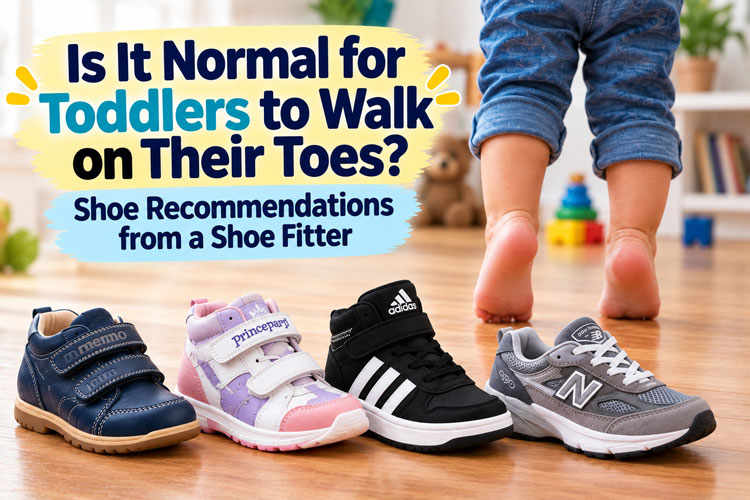
Is It Normal for Toddlers to Walk on Their Toes? Shoe Recommendations from a Shoe Fitter
Last updated: August 2026 | By Juan Valenzuela, Certified Children’s Shoe Fitter
When parents notice their toddlers walking on their toes, they wonder if it’s a phase or a sign of something more serious. Toe walking is relatively common among toddlers, and understanding when it’s normal versus when it might need attention is crucial for your child’s healthy development. Many families feel brushed off when their medical professional simply says the child will outgrow it. That’s often true — but many children continue toe walking well into their teenage years if it isn’t addressed.
Why Do Toddlers Walk on Their Toes?
There are a variety of possible reasons, ranging from sensory processing preferences to neuromuscular or neurological conditions. If a medical professional can’t determine the specific cause, it’s typically diagnosed as idiopathic.
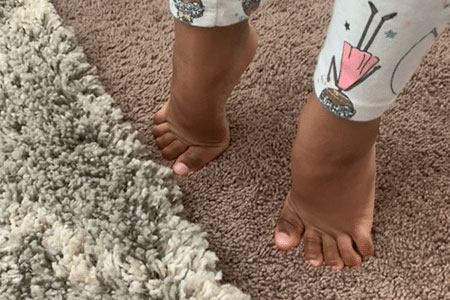
Toe walking is genuinely common among toddlers who are just learning to walk — it’s a phase many children go through as they develop their balance and coordination. That said, when parents notice their toddler frequently walking on their toes, intervening sooner rather than later can matter. It’s not just about correcting a walking pattern in the moment; it’s about preventing complications that become much harder to manage as the child gets older.
When Is It Time to Worry?
Most children outgrow toe walking as they gain better balance and coordination, typically by around age three. If a child is three or older and still walking on their toes consistently, it’s worth consulting a pediatric orthopedic specialist.
The Complications of Persistent Toe Walking
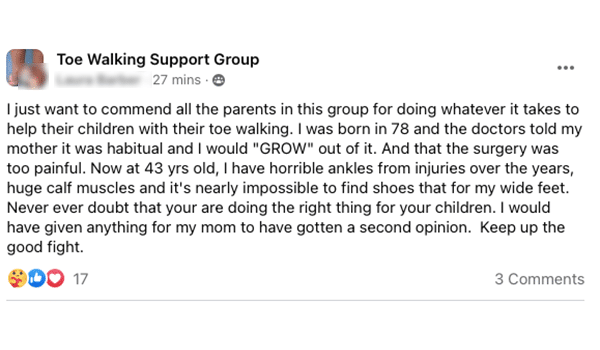
Persistent toe walking can affect a child’s walking gait and posture as they grow, potentially leading to muscular imbalances that require physical therapy or medical intervention to correct. It can also cause stiffness in the Achilles tendon and tightened muscles and tendons. Early detection and treatment can meaningfully reduce these risks. If proactive strategies are effective early on, there may be no need for more invasive interventions like surgery or casting — approaches typically reserved as a last resort, and ones that come with their own set of challenges.
How to Help Correct Toe Walking in Toddlers with the Right Shoes
Choosing the right shoes for your toddler can be an effective first step in managing toe walking, and it contributes to their overall physical development. I’m passionate about fitting children’s shoes because I genuinely believe the right pair can be life-changing — a child’s feet are constantly developing, and what happens to them in childhood affects how the rest of the body develops as they grow.
I work at a specialized children’s shoe store, and we regularly get referrals from medical professionals to fit toe-walking toddlers in shoes that are rigid at the front rather than overly flexible, specifically to help discourage toe walking.
The Role of Proper Footwear in Helping Prevent Toe Walking
Some of the features I recommend might contradict what most people assume toddler shoes should provide — but trust me, these features can work wonders in helping prevent toe walking.
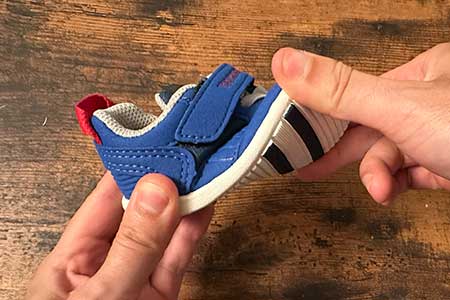
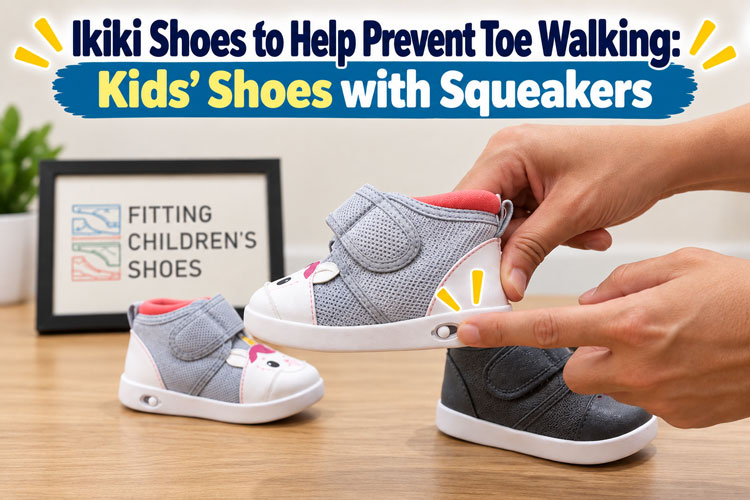
1. Avoid Shoes That Are Too Flexible. Your toddler’s shoes should be rigid at the front rather than overly flexible. This makes it physically harder for your toddler to rise up onto their toes. To be clear, this feature doesn’t mean the shoes need to be heavy — they should still be lightweight, just rigid at the front instead of overly flexible.
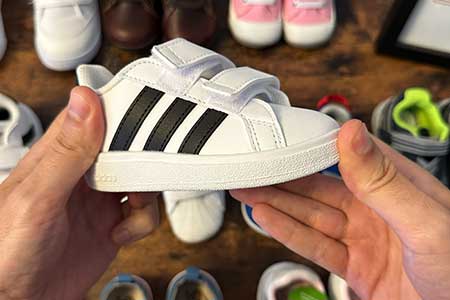
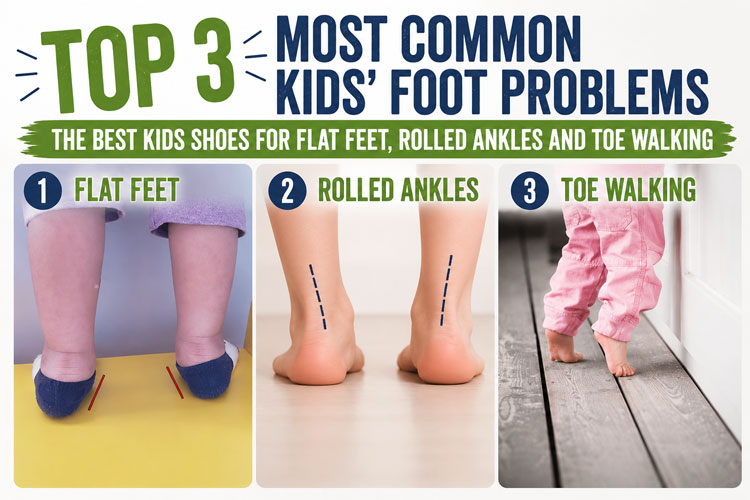
2. Find Shoes with a Stable Base of Support. Some toddlers rise onto their toes to help compensate for poor balance and coordination. Shoes with a stable base of support help put your child’s feet in a more secure position and can genuinely improve their balance and stability.
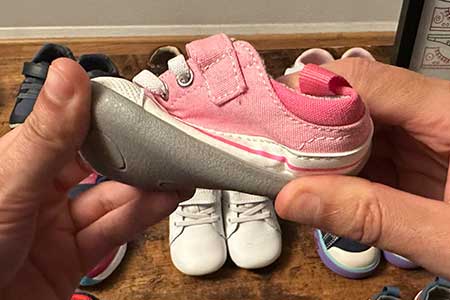
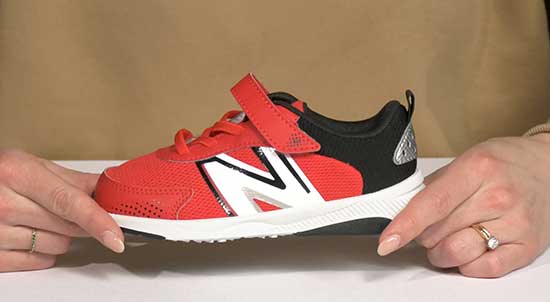
3. Look for Shoes with Firm Heel Counters. A firm heel counter provides stability and support to the heel, encouraging a more natural walking pattern. A well-structured heel counter helps align the foot properly and can reduce the tendency to rise up onto the toes — a crucial feature for promoting a balanced, stable gait.
Does Your Toddler Need High-Top Shoes?
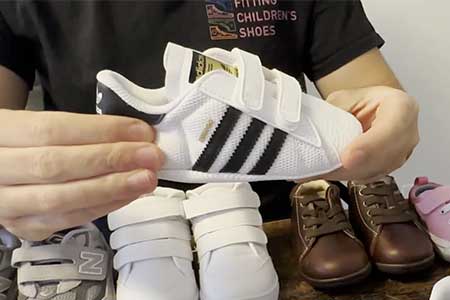
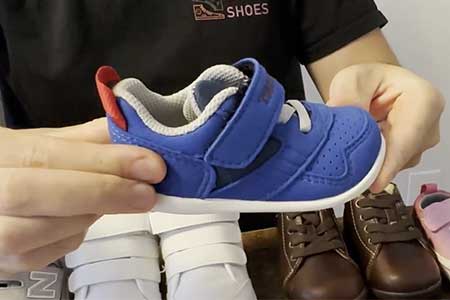
Not necessarily. I’ve noticed that many medical professionals prefer high-top shoes over regular sneakers, but in reality, there isn’t much meaningful difference between the two. High-top shoes can work well as long as they provide a stable base of support and are rigid at the front rather than overly flexible — the silhouette itself isn’t what matters most.
The Best Anti-Toe-Walking Shoes for Toddlers
How effective these shoes are for your toddler depends largely on the underlying reason for the toe walking. What works really well for one toddler might not work as well for another. Disclosure: some links in this post may be affiliate links, and we may receive a small commission at no extra cost to you when you click our links and make purchases.
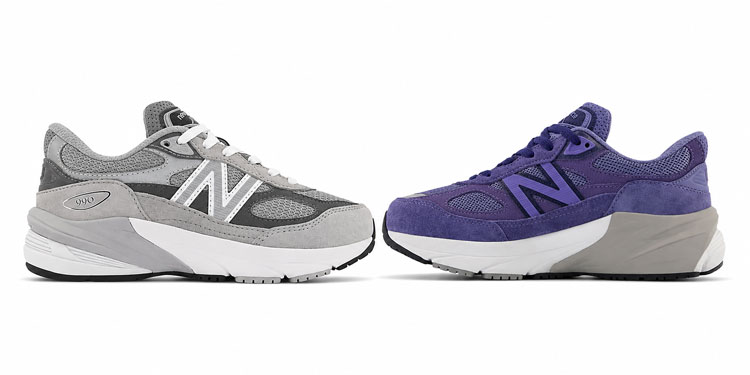
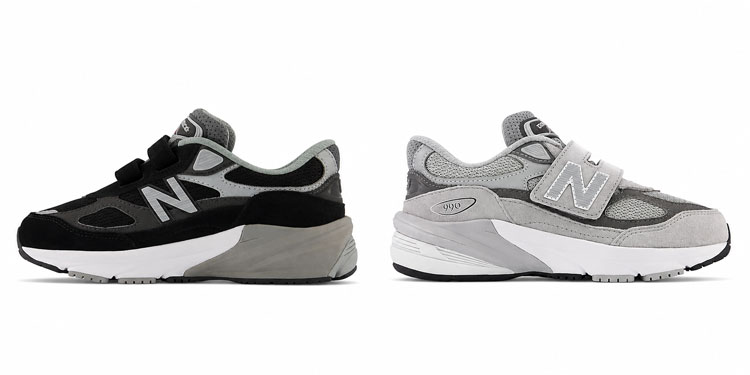
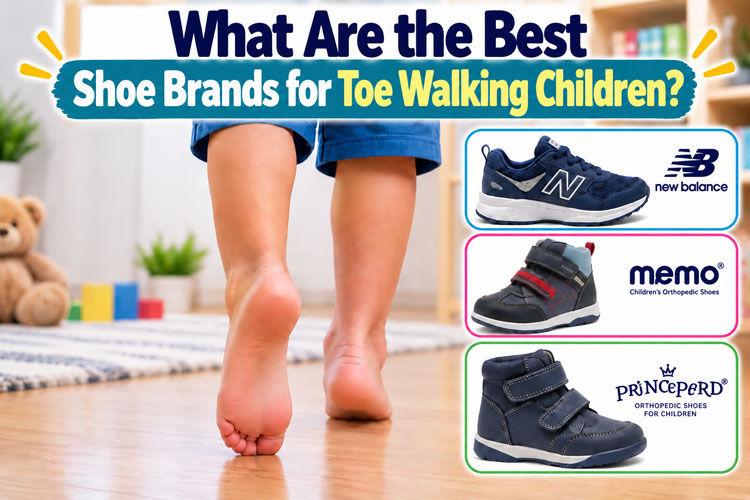
990v6 by New Balance
This is one of my go-to shoes for tip toe toe walking children. The New Balance 990v6 provides firm heel counters and a slightly elevated heel that can help shift the weight from the toes to the heels, promoting a more natural walking pattern.
Key Features
- Order with laces on the New Balance website or Amazon
- Velcro version also available on the New Balance website or Amazon
- Accommodates medium, wide, or extra wide feet
- Firm heel counters, stable base of support, and semi-straight lasts
- Ideal for moderate to strong cases of pronation
- Removable insoles
- Sizing tip: Order a half size larger than your toddler’s current foot size
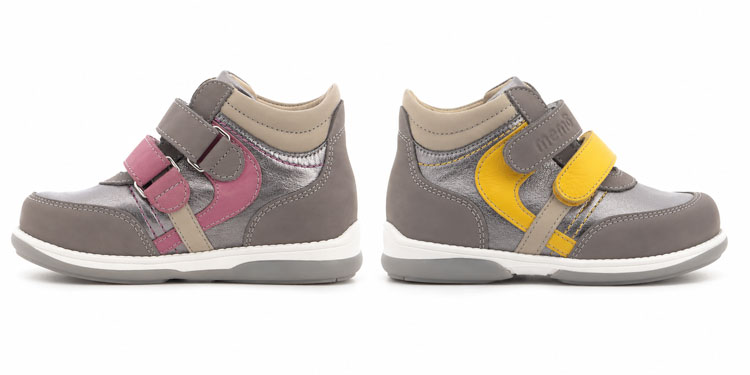
Gabi and Alvin by Memo (Orthopedic Shoe)
These orthopedic anti toe walking shoes offer a high, supportive heel and a firm outsole that helps in stabilizing the foot and encouraging a heel-to-toe gait.
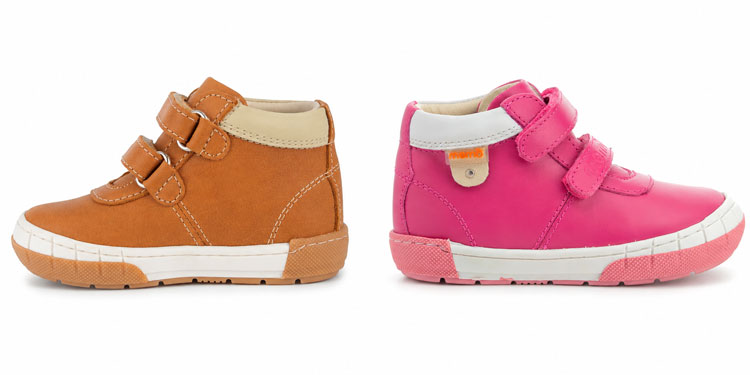
Key Features
- Order the model Gabi or Alvin on Amazon
- Also available in a Mary Jane style
- Accommodates medium and wide feet
- Ideal for moderate to strong cases of pronation
- High-top design with stiff heel counters
- Sizing tip: Order a half size larger than your toddler’s current foot size. Refer to Memo sizing chart
Elliott by Stride Rite
This Stride Rite bootie includes a structured heel and supportive midsole, which can help guide the foot toward a more typical gait. This shoe is offered at a more affordable price point.

Key Features
- Order on Amazon
- Accommodates medium, wide, or extra wide feet
- Ideal for mild to moderate cases of pronation
- 100% leather construction
- High-top design provides extra ankle support
- APMA Seal of Acceptance
- Sizing tip: Order a whole size larger than your toddler’s current foot size
Tracks by Timberland
This Timberland sneaker/boot offers robust support with a high ankle collar and a firm sole. This shoe is very rigid at the front to help discourage toe walking.

Key Features
- Order on Amazon
- Accommodates medium or wide feet
- Ideal for mild to moderate cases of pronation
- High-top design for extra ankle support
- Water-friendly construction
- Sizing tip: Order a whole size larger than your child’s current foot size
Hoops Mid 3.0 by Adidas
The Hoops Mid 3.0 by Adidas is a stylish sneaker with a supportive high-top design. It offers excellent ankle support, making it suitable for children who need help transitioning from toe walking. The shoe is also rigid at the front to help discourage tip toe walking.
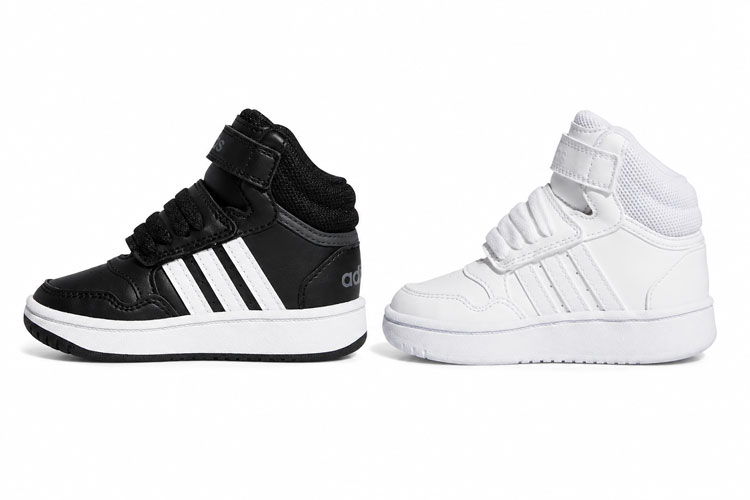
Key Features
- Order on Amazon
- Fits medium and wide feet
- The rubber cupsole delivers great grip
- Sizing tip: Order a whole size larger than your child’s current foot size
Grand Court 2.0
This stylish Adidas sneaker offers a padded collar for added support and excellent ankle support. The shoe is also rigid at the front to help discourage tip toe walking.
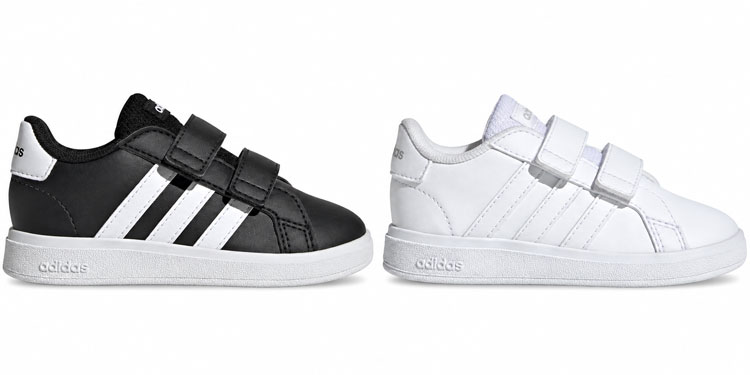
Key Features
- Order on Amazon
- Fits medium and wide feet
- Double Velcro straps
- One-piece EVA unitsole provides durable cushioning and reliable traction
- Sizing tip: Order a whole size larger than your child’s current foot size
Would You Rather Receive Specific Shoe Recommendations?
A personalized approach can make a real difference in addressing toe walking effectively. You can contact me via email or through the comments below. It’s helpful to know whether your medical professional has indicated your child’s toe walking is related to a neurological or neuromuscular condition, and whether your child has flat feet or not.
The Importance of Wearing the Correct Shoe Size
Getting the size right can’t be stressed enough. A shoe that’s too small or too large can alter your child’s gait and may worsen toe-walking tendencies. Try not to leave too much growing room in your toddler’s shoes — extra room actually makes it easier for them to curl up onto their toes.
Many medical professionals get frustrated seeing a child wearing the right pair of shoes but in the wrong size. That’s exactly why I created a virtual shoe fitting service that helps you retrieve your toddler’s shoe size from home — including whether your toddler has narrow, medium, wide, or extra wide feet.
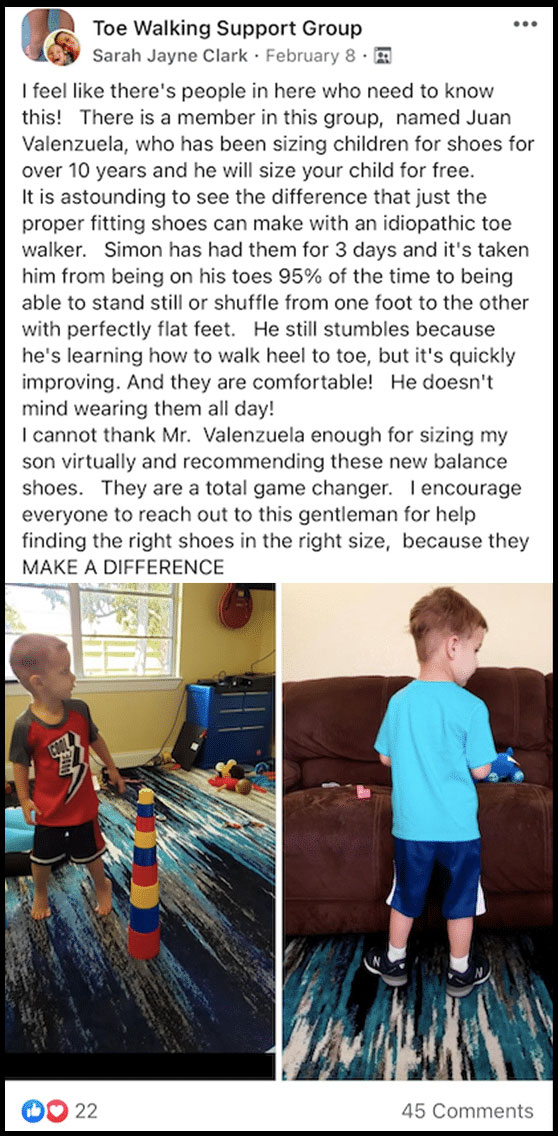
Feedback from Families
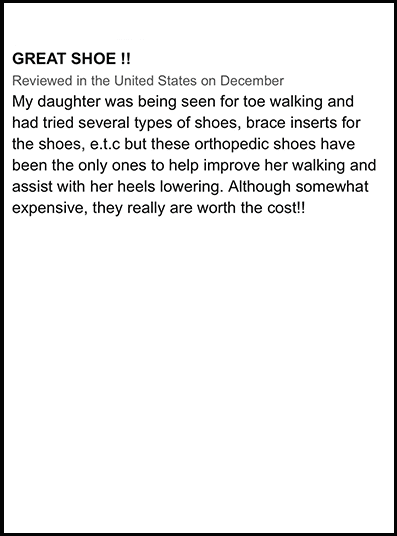
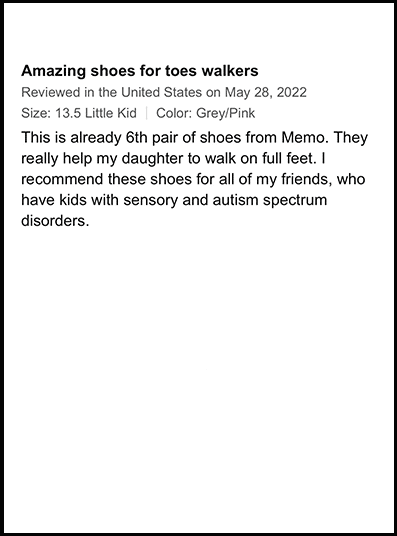
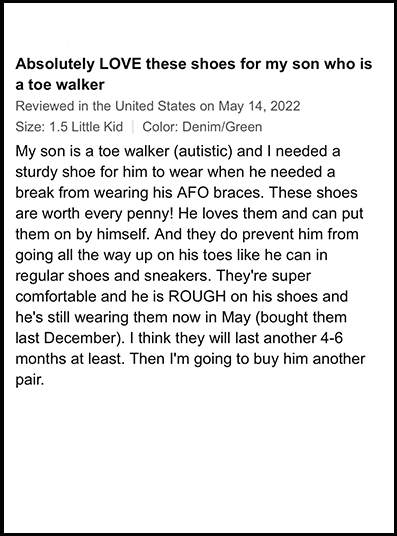
Many families have found success in addressing toe walking with the right footwear. Common themes in that feedback include noticeably improved gait, less time spent up on the toes, and greater overall stability within a few weeks of switching to more supportive shoes.
Can Orthotics Help Prevent Toe Walking?
The right type of orthotic can definitely be part of the solution. This is something your pediatric podiatrist or physical therapist should be able to recommend, but in my experience, carbon fiber orthotics can be extremely helpful for toe walking. There’s also an orthotic made by littleSTEPS that has proven genuinely effective in helping prevent toe walking.
Orthotics can provide additional arch support, encourage proper heel-to-toe movement, and potentially help retrain the foot muscles in children who persistently toe walk.
How to Stop Toe Walking in Toddlers: Watch the Video
This video covers everything we went through in the article and will also help you visualize exactly what features a shoe needs to help treat toe walking.
Summary
Toe walking is quite normal in toddlers, especially while they’re learning to walk, and the situation usually corrects itself as walking skills improve. That said, consistent toe walking should still be monitored, since it can lead to further complications if left unaddressed. I’d also suggest looking into physical therapy, which has been shown to improve toe walking by strengthening muscles and encouraging proper gait. Toe walking exercises and wearing the right shoes are both effective, non-invasive approaches worth trying together.
This article is for general informational purposes and isn’t a substitute for medical advice. If you have concerns about your child’s toe walking, please consult their pediatrician or a physical therapist.

I have a 19 month old who isn’t walking independently yet. When I walk him or he’s cruising, he walks on his toes and eventually let’s his right heel down, but not his left. He’s not flat footed, and his ankles need support. He has the the Stride Rite Elliot buy that doesn’t stop his toe walking. What do you recommend?
I have a 19 month old who isn’t walking independently yet. When I walk him or he’s cruising, he walks on his heels and eventually let’s his right heel down, but not his left. He’s not flat footed, and his ankles need support. He has the the Stride Rite Elliot buy that doesn’t stop his toe walking. What do you recommend?
Hello,
Your son might be walking on his toes as he might be trying to balance, since he is still learning how to walk. I would wait until your son is fully stable before investing in a different pair of shoes or orthotics.
Please follow up with me in a couple of months to see if your son’s toe walking improves. If you want to intervene right away please contact me via email so we can discuss our next steps: fittingchildrensshoes@gmail.com