
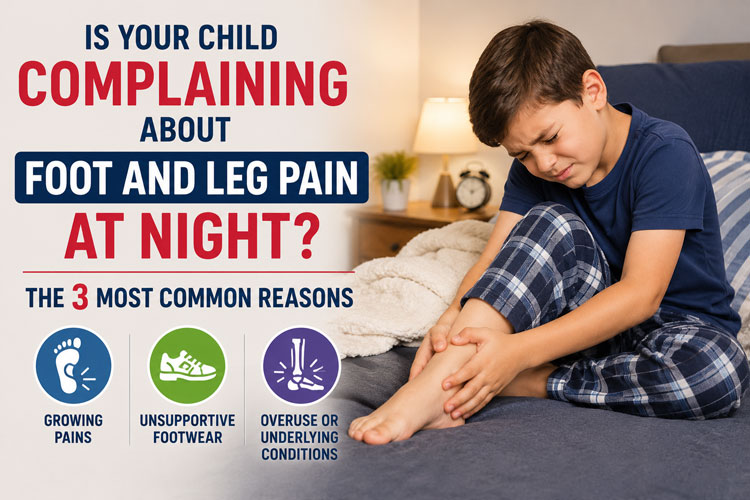
Is Your Child Complaining About Foot and Leg Pain at Night? The 3 Most Common Reasons
Last updated: August 2026 | By Juan Valenzuela, Certified Children’s Shoe Fitter
Quick Answer: The three most common causes of nighttime foot and leg pain in children, ranked by likelihood, are unsupportive or poorly fitted shoes, flat feet, and low muscle tone (hypotonia). If the pain fades by morning and doesn’t affect your child’s activity level, it’s likely ordinary growing pains. If it lingers into the day, worsens, or limits activity, it’s worth looking into further rather than waiting it out.
Is your child waking up at night with foot or leg pain? Growing pains are common — they affect a large share of children at some point — but it’s worth not assuming that’s automatically the cause. If the pain fades by morning, it’s likely harmless. But if your child’s discomfort lingers into the day or affects how active they are, it could point to an underlying issue that’s worth addressing. In this guide, I’ll walk through when foot and leg pain is more than just growing pains, and how the right shoes can help.
Be Proactive
Some parents visit their pediatrician only to be told their child will “grow out of it.” But when it comes to foot pain, a wait-and-see approach can carry real risk. Ignoring early signs can allow an underlying condition to progress, potentially leading to longer-term issues. It’s almost always better to address foot discomfort early rather than assume it will resolve on its own.
Below are the three most common reasons children experience foot and leg pain at night, ranked by how often I see each one as a shoe fitter.
Reason One: Unsupportive and Poorly Fitted Shoes
This is the most common reason I see for nighttime leg pain. During the first seven years of life, a child’s foot is remarkably malleable, and the wrong shoes can contribute to structural issues over time. Shoes that are too tight, too loose, or lack proper support put extra strain on the muscles and ligaments — strain that often shows up as pain once the child is finally still, at night.
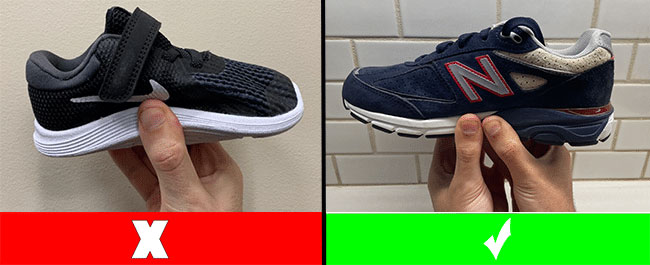
Solution: Invest in quality shoes that offer real support and cushioning. Make sure the shoes fit correctly, with roughly a thumb’s width of space between the longest toe and the end of the shoe. Re-check the fit regularly, especially during growth spurts, since a shoe that fit well two months ago may not fit well now.
Reason Two: Flat Feet
It’s normal for children under two to have flat feet, and arches typically continue developing until around age five. That said, if your child is experiencing foot or leg pain at night, flat feet are worth checking for. Without a properly formed arch, the foot struggles to distribute weight evenly, which can lead to overpronation — the foot rolling inward excessively. When that happens, the muscles and tendons in the legs and feet have to work harder than they should, and that extra effort often shows up as pain.
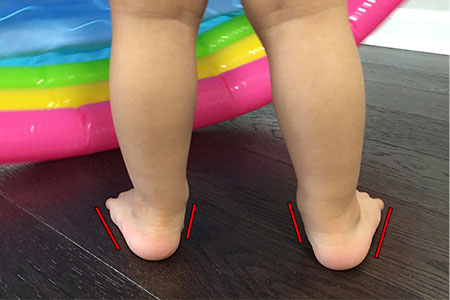
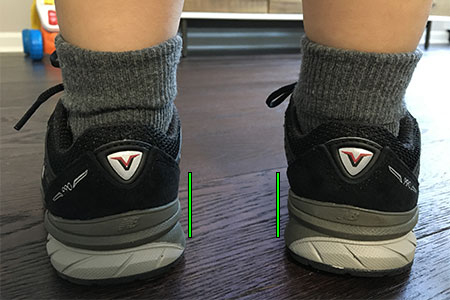
Solution: Look into supportive shoes with a firm heel counter and substantial arch support. Orthotic inserts can add further support where it’s needed. It also helps to encourage exercises that strengthen the arches and improve overall foot flexibility.
Reason Three: Low Muscle Tone
Low muscle tone, or hypotonia, is the third most common reason I see for nighttime leg pain. Children with low muscle tone have muscles that are naturally less firm than typical, which can affect posture and movement throughout the day. This often makes it harder to maintain balance and proper posture, leading to fatigue and pain in the legs — especially after a full day of activity.
Solution: Physical therapy is highly effective for children with low muscle tone, but the right pair of shoes can make a real difference too. I regularly fit children with shoes designed to help guide the foot into proper alignment, giving an immediate boost to stability and, often, to confidence as well.
The Importance of Getting the Correct Shoe Size
Shoes that are too small can restrict growth and, over time, contribute to deformities. Shoes that are too large can cause instability and increase the risk of falls and injury. With so much shoe shopping happening online now, getting the size right without trying shoes on first can be genuinely difficult. My free virtual shoe fitting service helps solve that — with a few measurements and photos, you can order online with real confidence in the fit.
When to See a Doctor
Shoes and foot support go a long way, but they aren’t a substitute for medical evaluation when something more may be going on. Consider reaching out to your child’s pediatrician if:
- The pain persists into the day or doesn’t improve with better-fitting, more supportive shoes
- The pain is limited to one leg or one side of the body rather than both
- You notice swelling, redness, warmth, or a fever alongside the pain
- Your child is limping, refusing to walk, or noticeably favoring one leg
- The pain is severe enough to regularly disrupt sleep
Most nighttime foot and leg pain in children turns out to be manageable with better-fitting, more supportive shoes. But these particular signs are worth having evaluated rather than waiting out.
Contact Me for Specific Shoe Recommendations
Every child’s foot is unique, and finding the right fit means factoring in their specific foot shape and any existing conditions. For personalized shoe recommendations tailored to your child’s needs, feel free to contact me directly. Together, we can help your child step into comfort and health with every stride.
This article is for general informational purposes and isn’t a substitute for medical advice. If you have concerns about your child’s foot or leg pain, please consult their pediatrician.