The Best Alternative to AFOs – Recommendations from a Shoe Fitter
Last updated: August 2026 | By Juan Valenzuela, Certified Children’s Shoe Fitter
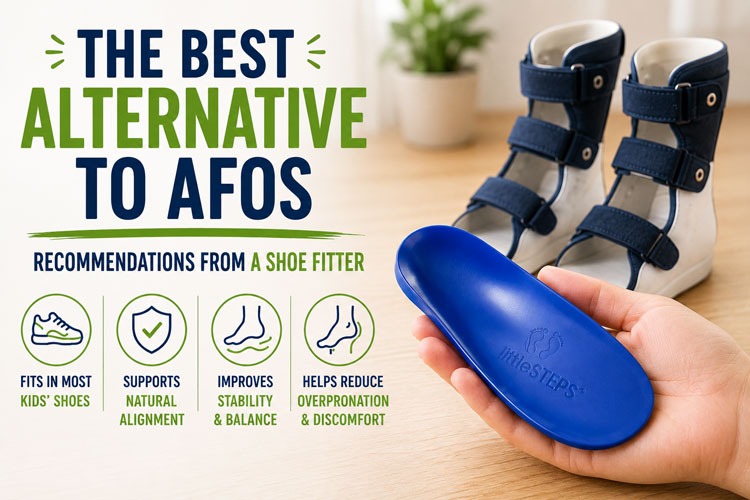
Is your child uncomfortable wearing AFOs? Tired of constantly sizing up shoes just to make room for bulky braces? There’s good news — effective alternatives to AFOs exist that can still provide the support your child needs. One of the best options is insertable foot orthotics, which offer stability and comfort without the bulk of a traditional AFO. The first seven years of a child’s life are critical for foot and leg development, and early intervention with the right support can make a real difference. That’s where littleSTEPS orthotics come in — designed specifically for growing feet, they’re a lightweight, child-friendly alternative that promotes healthy foot alignment and mobility.
My Experience Fitting Children’s Shoes and Orthotics
I am not a medical professional, but I’ve been fitting children’s shoes and orthotics for the last 10 years. The best orthotic for your child might not be the one that’s technically “perfect” — it might be the one that actually gets worn. I’ve seen many children refuse to wear their AFOs for reasons like:
- Feeling self-conscious about looking different from their peers
- Pain and discomfort
- A limited selection of shoes that fit
- Difficulty putting the AFOs on and off
This resource is here to let families know there may be alternatives worth exploring. That said, every child’s needs are unique. If your medical professional believes AFOs remain the best solution for your child, please follow their guidance. Your child’s health and comfort always come first.
What Are AFOs?
AFOs, or ankle-foot orthoses, are braces commonly used to support the foot and ankle. They come in a wide range of shapes and sizes, but often encapsulate the entire foot and lower leg to fully stabilize them.
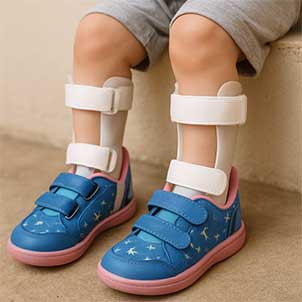
AFOs are used to treat a variety of foot issues, but are most often prescribed for neurological and musculoskeletal conditions, including:
- Cerebral palsy
- Foot drop
- Low muscle tone (hypotonia)
- High muscle tone (hypertonia)
- Joint hypermobility
- Multiple sclerosis
- Foot or leg injury
Talk with your child’s doctor if you think they might need an AFO, and to determine which type is right for them.
Difficulties Fitting Shoes with AFOs
While AFOs can be highly effective for treating and supporting different foot problems, they come with real fitting challenges. Most notably, many parents end up buying shoes that are too big for their child’s actual foot size just to compensate for the bulk of the brace.
Other Difficulties with AFOs
Beyond shoe-fitting struggles, families often run into other issues, including:
- Skin irritation (blisters, redness, sores)
- Improper fit
- A bulky, uncomfortable feeling
- Difficulty putting the AFO on and off
- The cost of AFOs
Please consult with your child’s doctor before stopping AFO use or trying an alternative. AFOs are often the best way to treat certain foot and leg issues, and this decision should always involve your child’s care team.
What Makes These Orthotics a Top Alternative to AFOs?
littleSTEPS orthotics are specially designed inserts for kids’ shoes that offer support and help correct common foot issues. Unlike bulkier options, they fit easily into everyday children’s footwear.
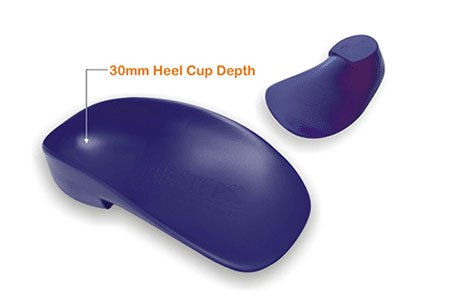
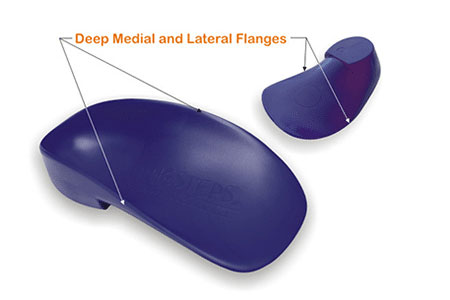

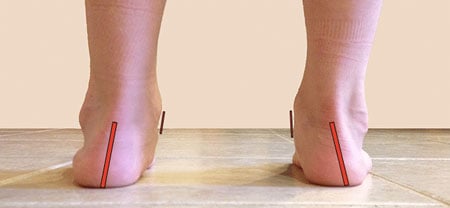
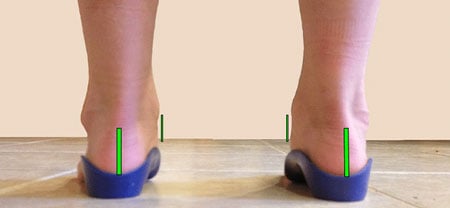
Before and After: Real Results for Flat Feet
Seeing the transformation firsthand is powerful. These before-and-after images show the real impact littleSTEPS orthotics can have on foot alignment.
The Best Alternative to AFOs: littleSTEPS Orthotics
littleSTEPS® orthotics are my top recommendation as an alternative to AFOs. I suggest them for kids with flat feet, weak ankles, overpronation, low muscle tone, hypermobility, toe walking, or knock knees. Unlike bulkier braces, these orthotics offer support without restricting natural movement — gently guiding the foot into better alignment while easing discomfort and promoting healthy development.
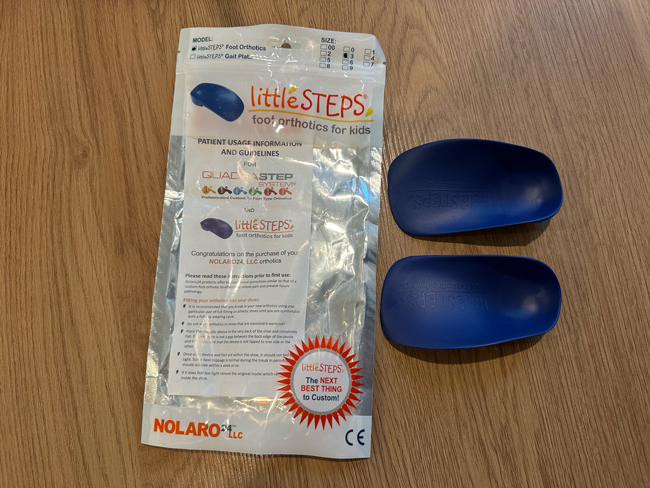
- Order littleSTEPS® orthotics from their official website. You’ll need to submit a referral code at checkout: JVFCS100121
- It’s not necessary to remove the original shoe insoles when fitting this orthotic.
- The 3/4-length design makes it easier to fit into a wider range of shoe styles.
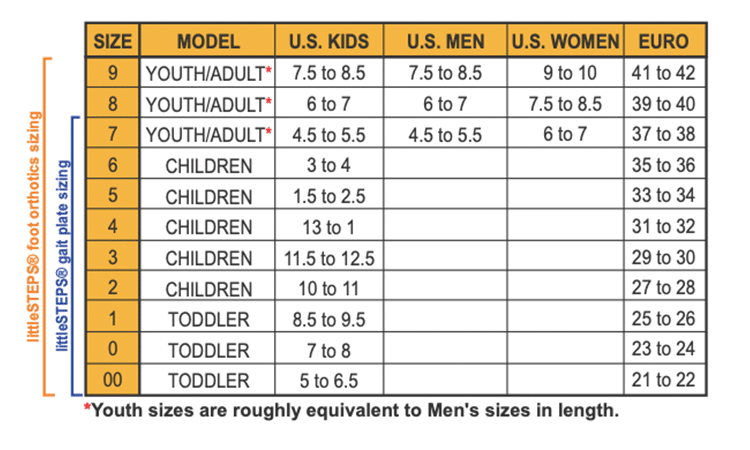
- Use this sizing chart to figure out what size to order based on your child’s shoe size.
You typically won’t need to size your child’s shoes more than a half size to a full size larger than their longest foot measurement.
Are You Unsure of What Orthotic Size to Order?
Choosing the right size matters, so your child gets the full benefit and a comfortable fit inside their shoes. Use the chart below to find the correct littleSTEPS size based on your child’s current shoe size.
You do not need to remove your child’s original shoe insoles first — just place the orthotic directly into the shoe.
What Shoes Work Best with Orthotics?
Finding the right shoes makes a real difference, since your child’s shoes work together with their orthotics to support and treat their feet. Check out my full list of favorite shoes for orthotics and the specific features to look for when shoe shopping.
If your medical professional recommends that your child still needs AFOs, I’ve got you covered too — check out my dedicated resource with a curated list of the best shoes designed to comfortably and securely fit AFOs.
Frequently Asked Questions
For some children, yes — but this decision should always be made together with your child’s doctor or physical therapist, not on your own. Insertable orthotics like littleSTEPS tend to work best for milder conditions like flat feet, weak ankles, overpronation, low muscle tone, hypermobility, toe walking, and knock knees. More significant conditions, like certain neurological or musculoskeletal disorders, often still require the full support of an AFO.
Common reasons include feeling self-conscious about looking different from peers, discomfort or pain, a limited selection of shoes that fit over the brace, and difficulty putting the AFO on and off. If your child is consistently avoiding their AFO, it’s worth discussing alternatives with their care team rather than letting the brace sit unused.
No. littleSTEPS orthotics are designed to be placed directly into the shoe without removing the original insole first.
References
- National Library of Medicine
- Nolaro24
- Align Clinic — What Are AFOs and How to Use Them
- ALCA Medical — Professional Guide for Everyone Wearing an Ankle-Foot Orthosis (AFO)
- Verywell Health — Ankle-Foot Orthosis (AFO) Types