Lacing Shoes for Kids with Narrow Heels and a Wide Forefoot
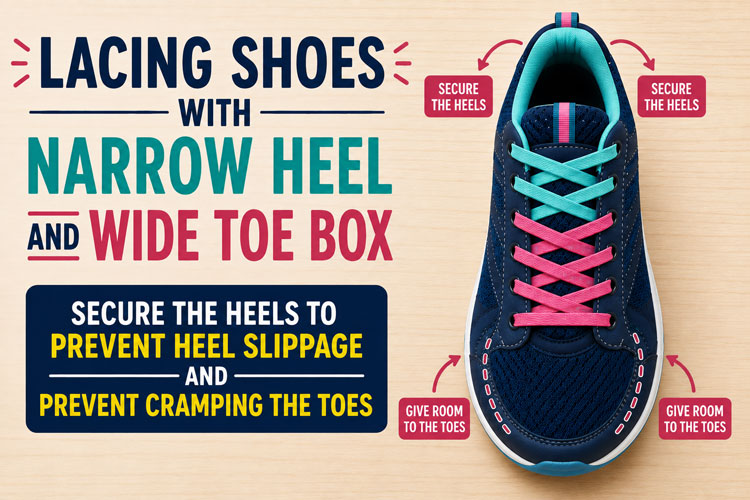
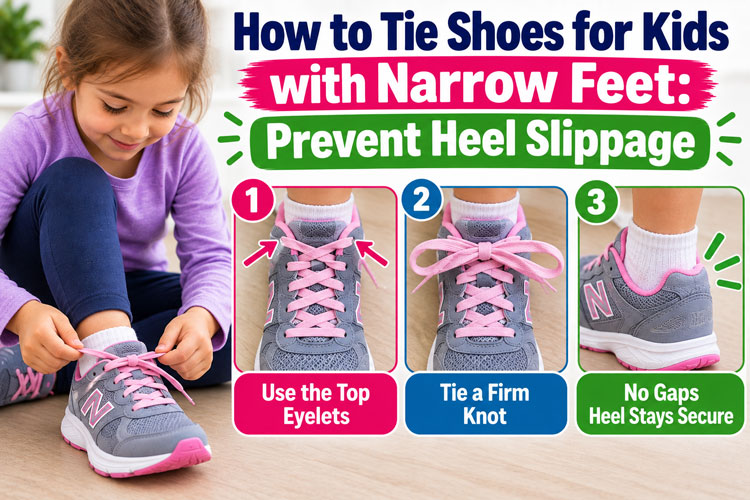
Does your child struggle with shoes that either slip at the heel or feel too tight at the toes? This is a common challenge for children with a wide forefoot and a narrow heel. When the shoe fits comfortably around the heel, the front often feels cramped — and when the toes have enough room, the heel slips and rubs. As a professional shoe fitter, I’ve worked with many kids who have this exact foot shape. Below, I’ll walk through a simple lacing technique that locks the heel in place while giving the toes the room they need — leading to a more secure, comfortable fit and fewer blisters.
How to Lace Shoes for Narrow Heels and a Wide Forefoot

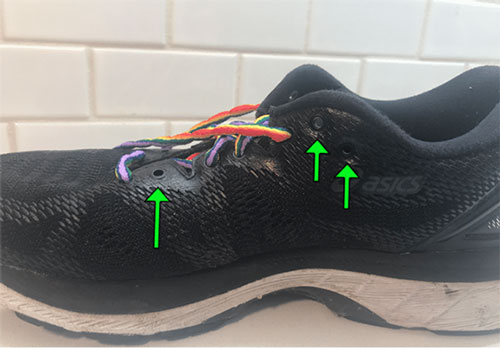


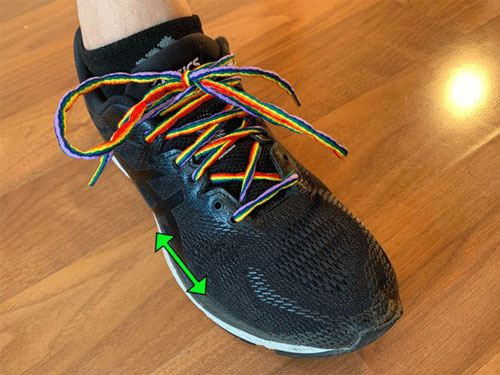
Together, these two techniques address both problems at once: the skip-lacing at the bottom takes pressure off the widest part of the foot, while the heel lock at the top closes the gap around a narrow heel that would otherwise cause slipping.
I always remind parents how important it is for children — especially those with narrow heels — to fully loosen their shoelaces before putting shoes on. When kids force their feet into already-tied shoes, it stretches and weakens the heel counter over time, making the shoe less supportive and causing it to slip even more at the heel going forward.
What Are Good Shoelaces for This Technique?
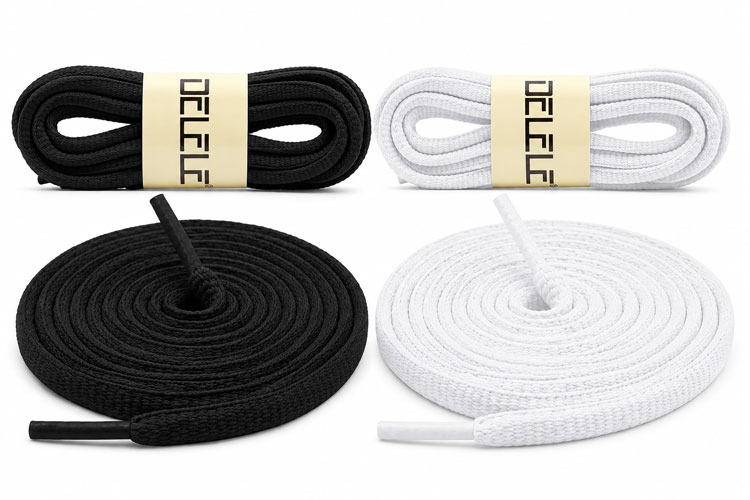
A lacing technique like this one only holds up as well as the laces themselves. I recommend a lace with small bumps or a textured surface along its length — this grip helps the laces stay securely tied throughout the day, rather than loosening and undoing the careful work you just did.
- Order on Amazon
- 1/4″ oval (half-round) profile, polyester construction
- Sold in packs of 2 pairs (4 individual laces)
- Available in 40+ colors and multiple lengths
- Count your child’s eyelets to order the correct length
- Disclosure: this post contains affiliate links
How to Get the Correct Shoelace Length
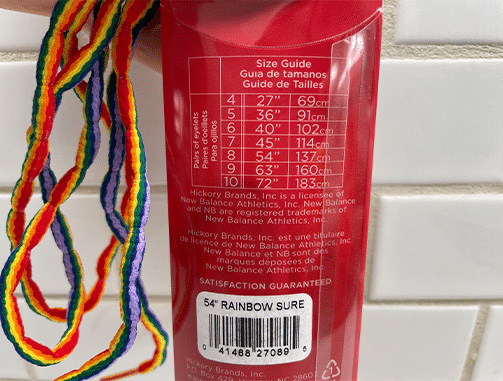
To figure out the proper lace length, count the eyelets (small holes) on your child’s shoes — more eyelets require longer laces, fewer eyelets need shorter ones. Getting the length right matters, since excess lace becomes a tripping hazard and laces that are too short won’t leave enough length to complete the heel lock in Step 3. For a full breakdown, including a chart by eyelet count, see my guide on choosing the right shoelace length.
Reach Out with Any Questions
As a shoe fitter, I’m here to help you navigate the complexities of choosing and fitting children’s shoes. If you have any questions or need personalized advice, don’t hesitate to reach out. Proper foot care matters most during the early years, and I’m committed to helping your child get the best possible start. Feel free to contact me for specific recommendations or help finding the right shoe for your child’s unique foot shape.