Soft Sole vs. Hard Sole Baby Shoes: Which Does Your Baby Need?
Last updated: October 30, 2026 · By Juan Valenzuela, Certified Children’s Shoe Fitter
“Should my baby wear soft sole or hard sole shoes?” It’s one of the most common questions I get at the children’s shoe store. The short answer: it depends on where your baby is in learning to walk. As a certified children’s shoe fitter with over 10 years of experience, I’ll explain which sole fits each stage, when to switch, and the shoes I recommend for each.
The Short Answer
- Learning to walk: soft or very flexible soles, so your baby can feel the ground.
- Walking confidently: a slightly sturdier, still flexible rubber sole for protection outside.
- At home: barefoot is best at every stage.
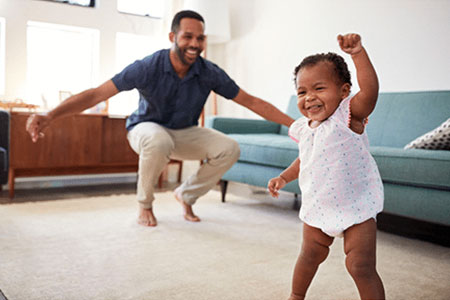
What’s the Difference Between Soft and Hard Soles?
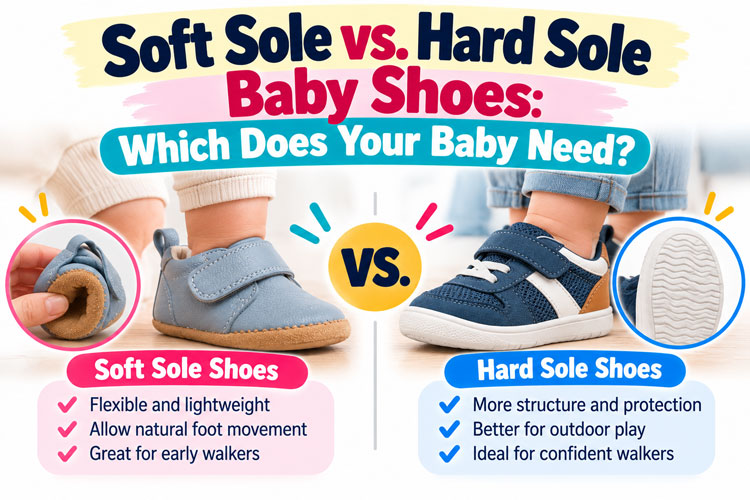
“Soft sole” and “hard sole” can be confusing, because most baby shoes fall somewhere in between. Here are the three types you’ll see:
- Soft soles are made of suede or soft leather, with no rubber. Brands like Robeez make these. They’re for crawlers and early cruisers, mostly indoors.
- Flexible rubber soles are thin rubber that bends easily. Most first walking shoes, like Stride Rite and See Kai Run, are made this way. They let babies feel the ground but protect their feet outside.
- Firmer rubber soles are a little thicker and sturdier, with more grip. These are what most parents mean by “hard sole,” and they’re for babies who are walking confidently outside.
Even a “hard sole” baby shoe should still bend at the toes. A truly stiff sole is too hard for a baby to bend, and it makes walking harder at any stage.
| Your baby is… | Best choice |
|---|---|
| Crawling or pulling up | Barefoot, or soft sole booties to keep feet warm |
| Cruising and taking first steps | Soft or very flexible rubber soles |
| Walking steadily, mostly indoors | Flexible rubber soles |
| Walking confidently outside | Firmer (but still flexible) rubber soles |
Why Soft Soles Are Best for New Walkers
Babies learn to walk by gripping the floor with their toes and feeling the ground. Soft, flexible soles let them do that. A stiff sole is too hard for a baby to bend, so it makes balancing harder and can make walking more frustrating.
When to Switch to a Firmer Sole
Your baby is ready for a firmer sole when they:
- Walk on their own without holding on
- Rarely fall and can stop and turn
- Spend more time outside on sidewalks, playgrounds, or rough ground
For most babies, that’s a few months after their first steps. There’s no rush. If your baby is still wobbly, stay with a flexible sole.
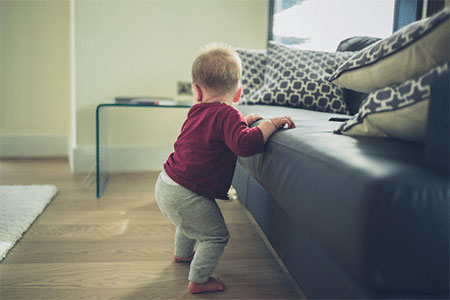
The Bend Test
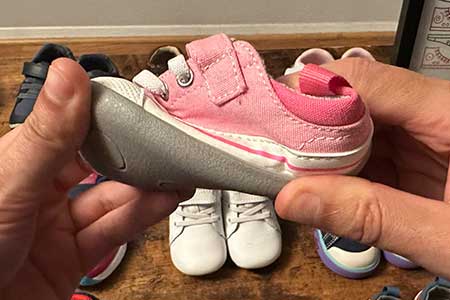
Whatever sole you choose, do this test before you buy: hold the shoe by the heel and toe and bend it upward. A good baby shoe bends easily, about 50 degrees, right where the toes bend. If you have to work to bend it, your baby can’t bend it either.
What Else to Look For
- Lightweight. Heavy shoes tire babies out and throw off their balance.
- A round toe box, so toes can spread.
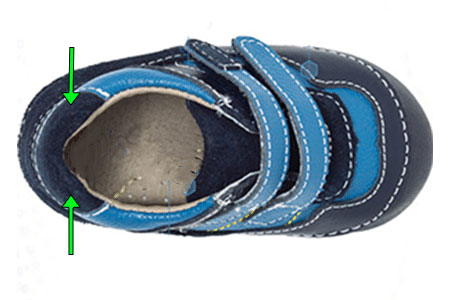
- Soft padding around the heel and ankle to prevent blisters.
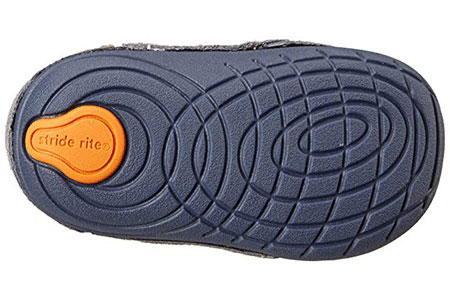
Sensory pods (bonus). Some Stride Rite first walkers have small pods on the sole that add grip and a little more feedback from the ground.
Barefoot Is Still Best at Home
At every stage, let your baby go barefoot at home as much as possible. Shoes are for protection outside, on surfaces that are uneven, hot, cold, or rough. They don’t help a baby learn to walk faster.
Best Shoes for Babies Learning to Walk (Soft, Flexible Soles)
These are the first walkers I reach for most often when a baby is cruising or taking their first steps. Every pick passes the bend test, is light enough not to slow your baby down, and has a roomy toe box so little toes can spread. Most are from Stride Rite, which offers more widths than any other baby brand, and the See Kai Run fits naturally wide for babies with chubby feet. Each pick says which widths it comes in, so you can choose the right fit for your baby.
Disclosure: Some of the links below are affiliate links, meaning I may earn a small commission (at no extra cost to you) if you click and make a purchase.
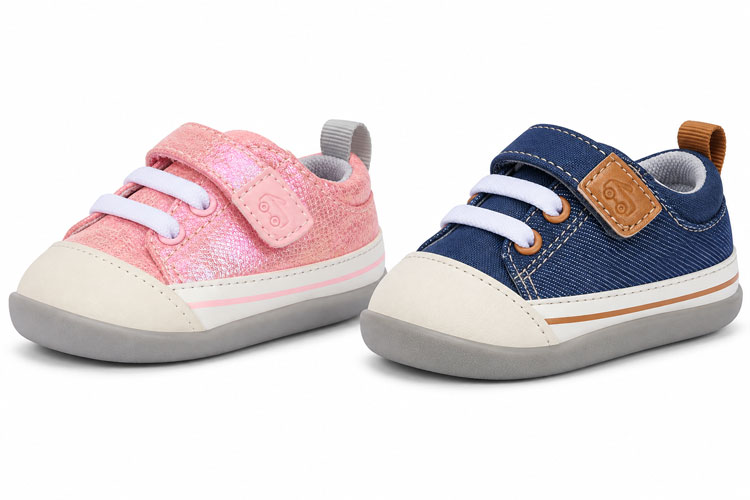
Stevie II by See Kai Run
Ideal for: babies taking their first steps
A parent favorite with a roomy toe box and extra depth. The single adjustable strap opens wide, so the shoe slides on and off easily.
Key Features
- Order on Amazon
- Not available in wide widths, but fits naturally wide
- APMA Seal of Acceptance
- Durable cotton drill upper, leather insole, and recycled mesh lining
- Sizing tip: order a whole size larger than your baby’s current foot size
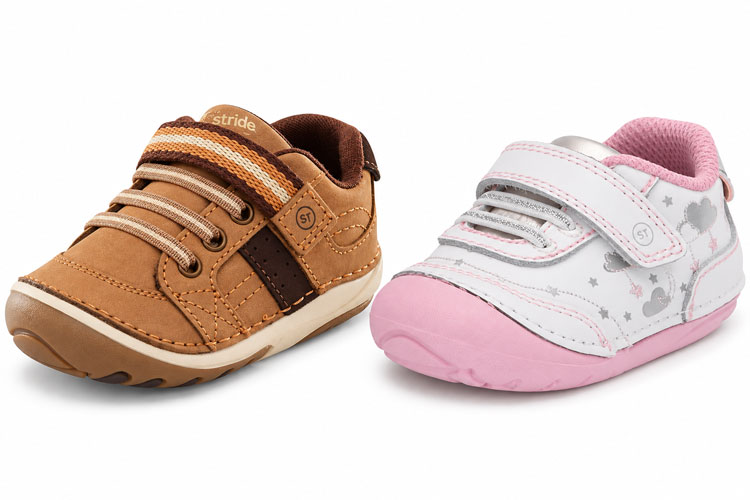
Artie and Adalyn by Stride Rite
Ideal for: babies taking their first steps
Roomy first walkers with a flexible sole, a cushioned insole, and rounded edges that help prevent stumbles.
Key Features
- Order on Amazon
- Available in wide and extra wide widths
- Rounded edges to help prevent stumbles and falls
- Sizing tip: order a whole size larger than your baby’s current foot size
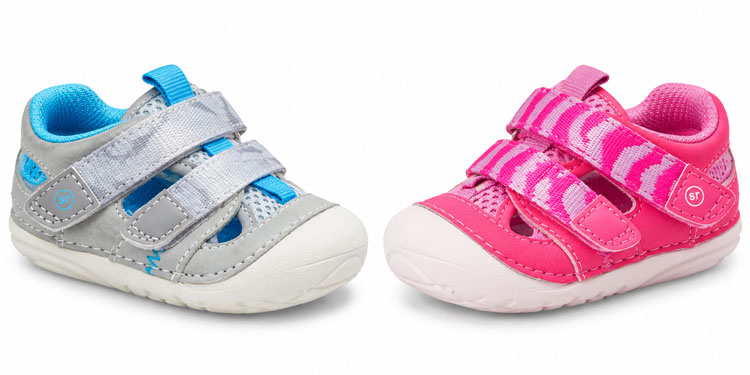
Gaia by Stride Rite
Ideal for: babies taking their first steps
Two Velcro straps open the shoe wide and let you adjust the fit over a high instep, and the round toe gives little toes room to spread.
Key Features
- Order on Amazon
- Available in medium and wide widths
- APMA Seal of Acceptance
- Round toe design
- Sizing tip: order a whole size larger than your baby’s current foot size
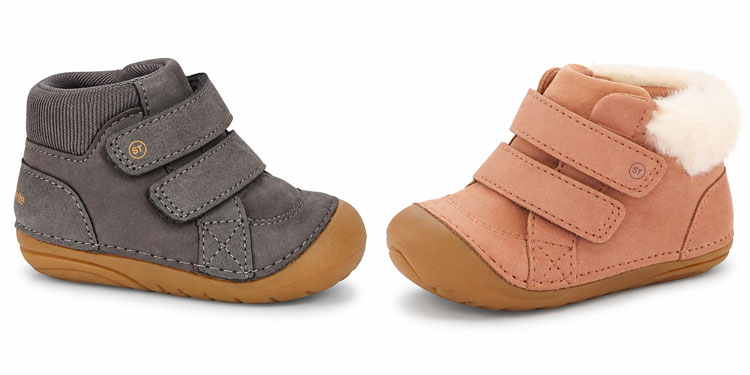
Martin by Stride Rite
Ideal for: babies taking their first steps
Two Velcro straps and extra depth, so you can open it wide and adjust the fit over a chubby foot.
Key Features
- Order on Amazon
- Available in medium and wide widths
- APMA Seal of Acceptance
- Flexible, rounded, slip-resistant soles encourage natural motion and help improve balance
- Sizing tip: order a whole size larger than your baby’s current foot size
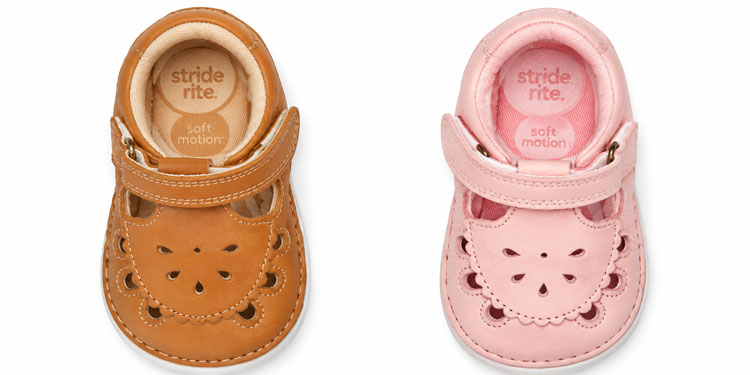
Noelle by Stride Rite (Sandal)
Ideal for: warm days while your baby learns to walk
A soft leather sandal from Stride Rite’s Soft Motion line, made for new walkers. The hook-and-loop strap opens up so you can slide a chubby foot or high instep in without squeezing it, and the flexible, rounded sole moves with your baby’s foot.
Key Features
- Order on Amazon
- Available in wide widths
- Hook-and-loop strap with elastic laces for easy on and off
- Memory foam footbed
- Flexible, rounded sole to help improve balance
- APMA Seal of Acceptance
- Sizing tip: order a half size larger than your baby’s current foot size
Need Help Choosing?
If you’re not sure which sole is right for your baby, email me with your baby’s age, size, how well they’re walking, and a few photos of their feet, and I’ll point you to the best option.
Is Your Baby Already Walking Confidently?
If your baby walks on their own, rarely falls, and spends more time playing outside, they’re likely ready for a firmer sole. A slightly sturdier rubber sole gives more protection on sidewalks, playgrounds, and rough ground, while still bending at the toes.
See my guide to hard sole shoes for babies for my top picks for confident walkers and how to choose the right pair.
Best Socks for Babies
Choose soft, breathable, seamless socks inside shoes.
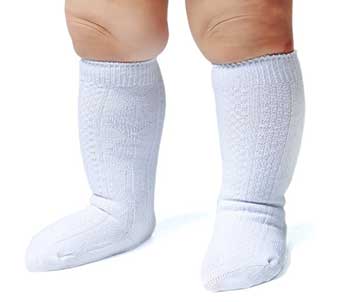
Knee-High Socks by Epeius
- Order on Amazon
- 76% combed cotton, 21% polyester and 3% spandex
- Seamless cable/ribbed knit knee high socks for babies
- Breathable
- Machine wash
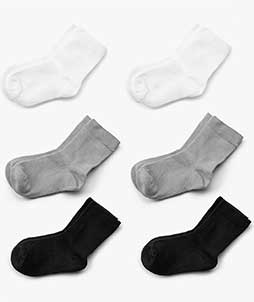
Bamboo Socks by SilkyToes
- Order on Amazon
- 80% Rayon from Bamboo, 10% Polyester, 5% Nylon, 5% Spandex
- Cushioned sole to keep your child’s feet comfortable
- Machine wash
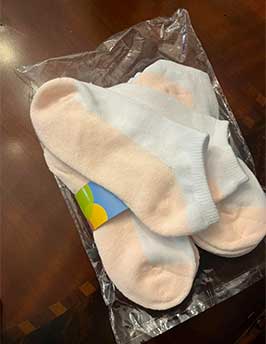
Seamless Socks by Jefferies
- Order on Amazon
- Smooth toe seam provides less irritation and bulk for sensitive toes and feet
- Made with premium ultra soft cotton
- Quarter ribbed stay-up top is extra comfortable around the ankles
Frequently Asked Questions
When they walk on their own, rarely fall, and spend more time outside. For most babies, that’s a few months after their first steps.
A stiff sole makes walking harder for a new walker. For confident walkers, a firmer rubber sole is fine, as long as it still bends at the toes.
True soft soles (suede or leather) are best indoors. For outside, choose a flexible rubber sole.
No. Barefoot at home is best. Shoes protect feet outside but don’t help babies walk sooner.
You should be able to bend the front of the shoe about 50 degrees with your hands, right where the toes bend.