
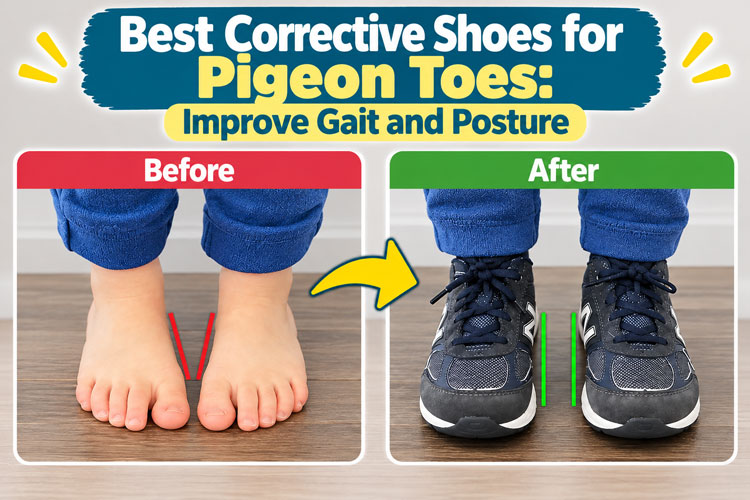
Best Corrective Shoes for Pigeon Toes: Improve Gait and Posture
Last updated: August 2026 | By Juan Valenzuela, Certified Children’s Shoe Fitter
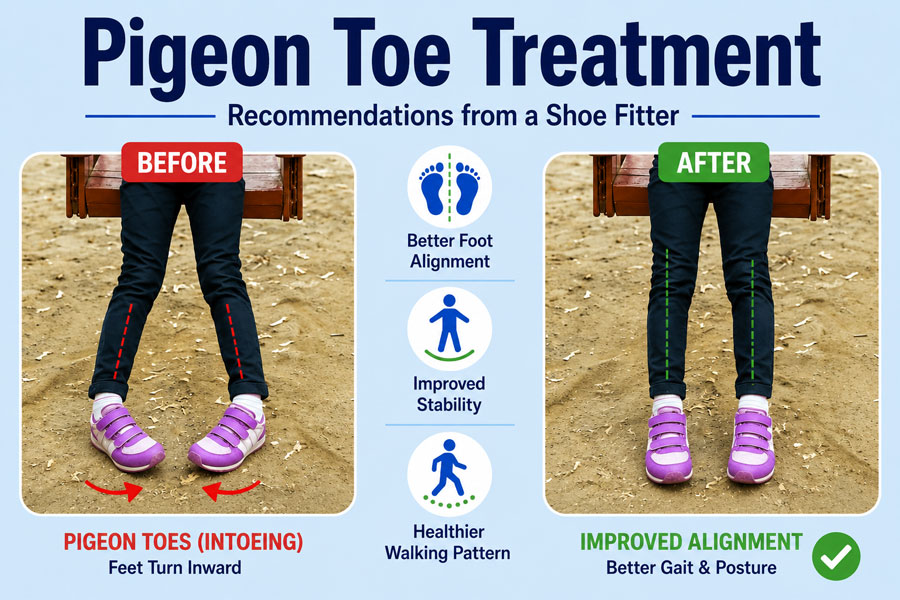
Pigeon toes, also known as in-toeing, occur when a child’s feet turn inward instead of pointing straight ahead. While many kids naturally outgrow this condition, the right corrective shoes can help guide growing feet into proper alignment, improve posture, and boost walking comfort and stability. Common causes include genetics or how a baby was positioned in the womb. If you’ve noticed your child’s toes pointing inward while walking or running, don’t panic — it’s a frequent issue in young children. In this guide, I’ll walk through the best corrective shoes for pigeon toes to help support your child’s foot health and keep them moving confidently.
My Experience as a Passionate Shoe Fitter
Although I’m not a doctor, I’ve spent over a decade fitting children in supportive shoes and orthotics. As a dedicated shoe fitter, I’ve helped many kids with pigeon toes improve their foot posture, balance, and confidence — and I’m confident I can help your child too.
Can Children Outgrow Pigeon Toes, or Can They Be Corrected?
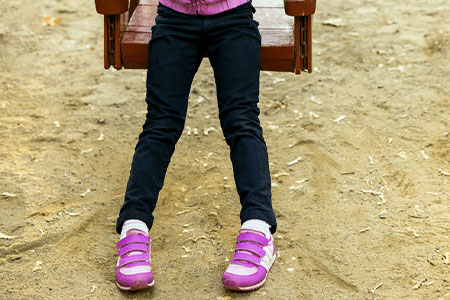
It can be upsetting to see your child develop an abnormal gait, and while most children grow out of a pigeon-toed stance, some do not. I’ve seen families ask this exact question in online forums like Reddit and Quora, but the truth is that each child’s situation — and the right intervention — is a little different. Some children only need supportive shoes, while others may require orthotics or, in more severe cases, more invasive treatments like surgery.
Don’t Take a “Wait and See” Approach — Be Proactive
My biggest concern is that many medical professionals advise simply waiting for a child’s gait to correct itself. But hoping the issue will vanish on its own could allow your child’s condition to worsen over time. The good news: there are practical steps you can take right now to help improve your child’s walking gait, pelvic alignment, and overall posture.
Pigeon Toe Correction Shoes: They Can Improve Foot Posture
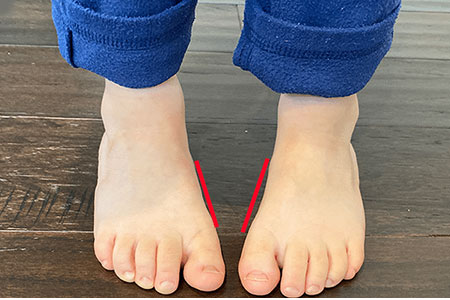
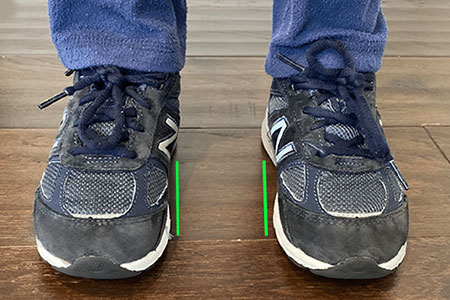
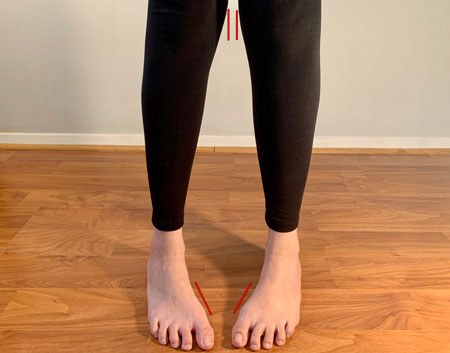
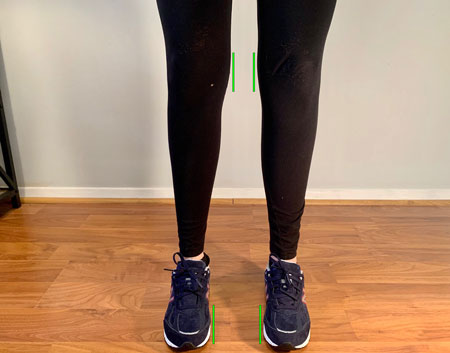
Supportive shoes can make a remarkable difference in your child’s posture, helping them walk and run with greater alignment and confidence. While they might not completely fix the condition, they’re one of the most effective tools for improving pigeon toes and promoting healthier movement.
Corrective Shoes for Pigeon Toes: Strong Support, Better Alignment
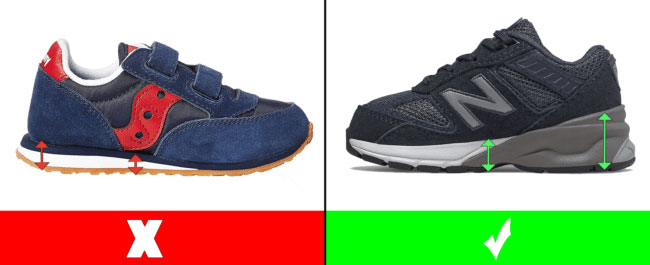
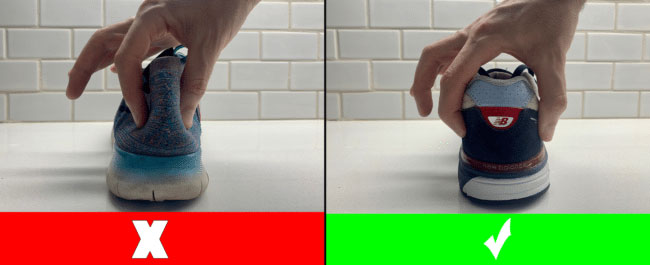
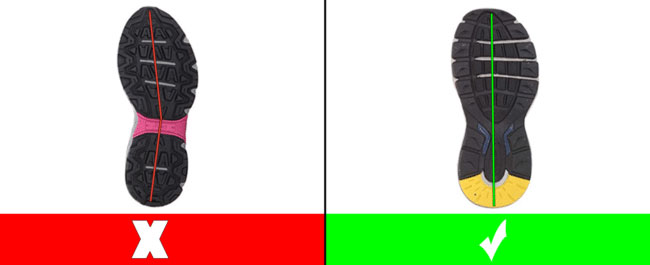
Below are my top recommendations for shoes that can help correct pigeon toes, selected based on their design features, durability, and effectiveness in promoting proper foot alignment. Disclosure: we may receive commissions when you click our links and make purchases.
My Top Recommendations for Pigeon Toe Correction Shoes
Each of the shoes below is designed to provide firm, targeted support exactly where your child’s feet need it most, with deep heel cups and sturdy construction that help hold the foot in a corrected position, gently guiding better alignment and healthier movement over time.
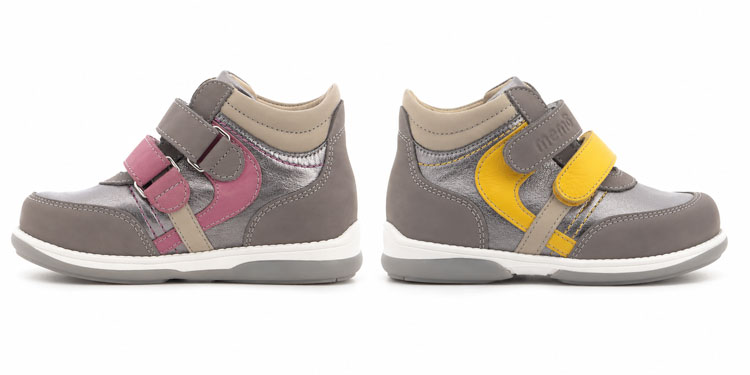
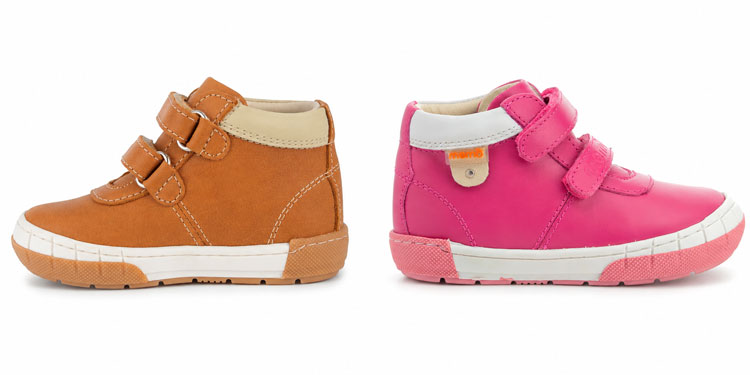
Shoe Style Gabi and Alvin by Memo
These corrective shoes for pigeon toes offer a high, supportive heel and a firm outsole that help stabilize the foot.
Key Features
- Available for toddlers and little kids
- Order the model Gabi or Alvin on Amazon
- Accommodates medium and wide feet
- Ideal for moderate to strong cases of pronation
- High-top design with stiff heel counters
- Sizing tip: Order a half size larger than your child’s current foot size. Refer to Memo sizing chart
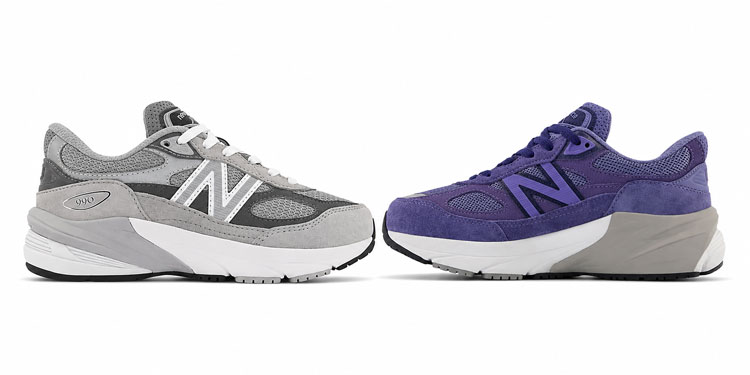
990v6 by New Balance
These New Balance corrective shoes for pigeon toes help distribute weight evenly across the foot and reduce strain on the muscles and joints. The downside that many parents complain about is the high price tag.
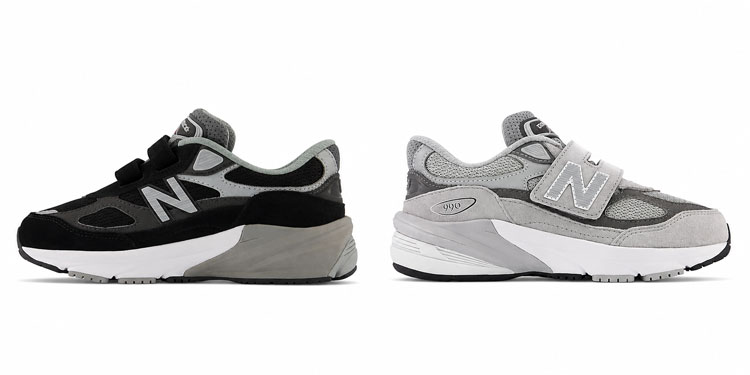
Key Features
- Available for toddlers, little, and big kids
- Order with laces on the New Balance website or Amazon
- Velcro version also available on the New Balance website or Amazon
- Accommodates medium, wide, or extra wide feet
- Firm heel counters, stable base of support, and semi-straight lasts
- Ideal for moderate to strong cases of pronation
- Removable insoles
- Sizing tip: Order a half size larger than your child’s current foot size
Polo by Memo
These high-quality corrective shoes for toddlers are designed to support children who struggle with foot conditions such as pigeon toes.
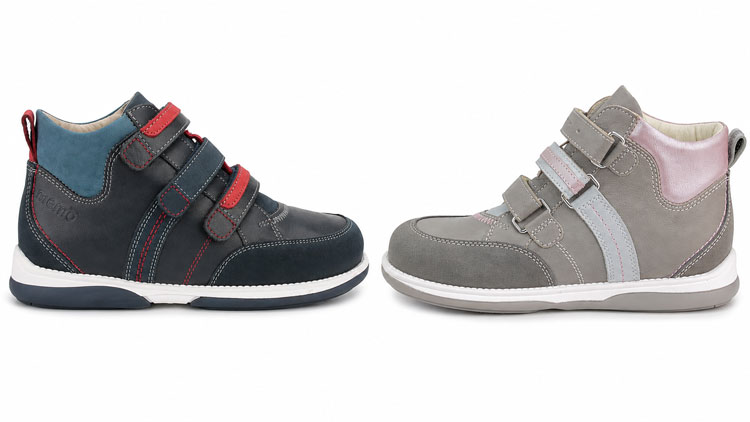
Key Features
- Available for toddlers and little kids
- Order on Amazon
- Fits medium and wide feet
- Thermoplastic asymmetric stiff heel counter for proper feet protection and stabilization
- Sizing tip: order half a size larger than your child’s current foot size
Elliott by Stride Rite
These corrective high-top booties for toddlers offer excellent support and a comfortable fit, making them a top choice for children with pigeon toes.

Key Features
- Available for toddlers
- Order on Amazon
- Accommodates medium, wide, or extra wide feet
- Ideal for mild to moderate cases of pronation
- 100% leather construction
- High-top design provides extra ankle support
- APMA Seal of Acceptance
- Sizing tip: Order a whole size larger than your child’s current foot size
Princessa by Memo
These corrective Mary Jane shoes for kids are stylish and comfortable. They offer the perfect combination of support and flexibility to help children develop a more balanced and healthy gait.
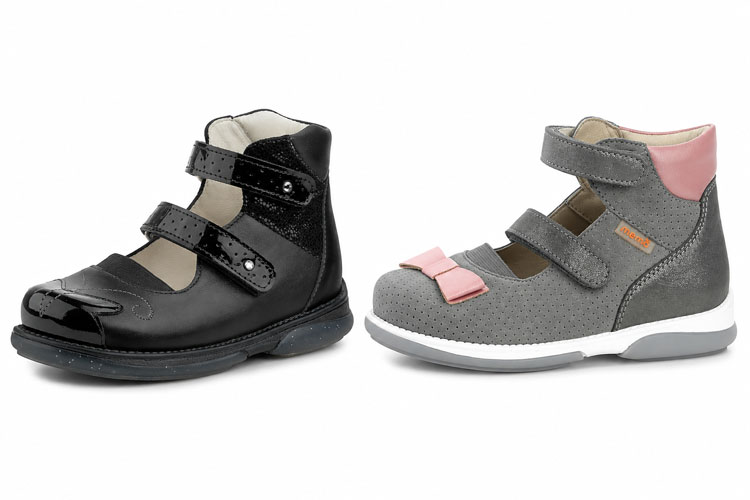
Key Features
- Order Princessa and Anna on Amazon
- Fits medium, wide, or extra wide feet
- Extra depth and width for orthotics
- Rigid heel counter
- Removable insoles
- Sizing tip: order half a size larger than your child’s current foot size
Princepard
These high-top corrective shoes for pigeon toes offer additional ankle support, while the firm heel and structured sole stabilize the foot.
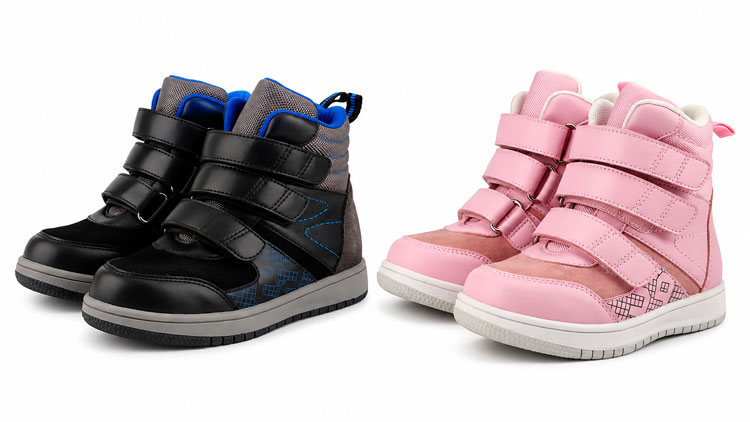
Key Features
- Order on Amazon
- Fits medium and wide feet
- Triple Velcro straps for better support and stability
- Rigid heel counter
- Sizing tip: order half a size larger than your child’s current foot size
The effectiveness of these shoes in correcting your child’s pigeon toes depends largely on the severity of their condition. By providing supportive footwear and practicing patience, you can help guide their feet toward better alignment. Be sure to keep an eye on progress, regularly monitoring whether their gait is improving or needs further attention.
Should Your Child Also Wear a Pair of Orthotics?
While supportive shoes are key to guiding proper foot alignment, they’re just one piece of the puzzle. If you try any of my recommended shoes and don’t see improvement in your child’s gait or posture, it might be time to consider adding supportive insoles and orthotics for extra help.
Why You Shouldn’t Leave Your Child’s Pigeon Toes Untreated
Many children who continue to walk with pigeon toes into adulthood missed early intervention — and the consequences can be tough. Untreated in-toeing can lead to frequent tripping, recurring ankle sprains, painful foot deformities, and discomfort that lasts well into adult life.
Ignoring pigeon toes now could mean facing more invasive treatments later, such as:
- Leg braces designed to gradually realign bones and feet
- Custom molds to reshape the foot
- Surgery to correct the bone positioning causing the in-toeing
Taking action early can help your child avoid these challenges and walk with confidence and comfort.
Causes of Pigeon Toes: Is It Hereditary?
Pigeon toes are often hereditary, passed down from parent to child. In many cases I’ve seen, the condition starts in the feet, sometimes due to weak muscles that affect how the foot turns inward. Another common cause is the thigh bone rotating inward at the hip, which influences the alignment of the legs and feet.
Since the feet are the foundation of our entire body, improving foot alignment is a powerful first step — when we help straighten the feet, the rest of the body often follows into better alignment and posture.
Addressing pigeon toes early can set the stage for a lifetime of healthy posture. Combining the right pair of shoes, exercises, and professional guidance creates a solid foundation for your child’s growth and confidence on their feet.
Get in Touch for a Personalized Suggestion
Every child’s foot is unique, and what works for one may not work for another. If you’re unsure which shoes would be best for your child, get in touch for a personalized suggestion tailored to your child’s foot shape and degree of pigeon toes. A personalized fitting can make all the difference in finding the right pair.
How to Find Out What Shoe Size You Should Order Online
I cannot emphasize enough the importance of providing your child with the correct shoe size. Shoes that are too short or too long can affect your child’s walking gait and prevent them from getting the full benefit the shoes have to offer. I created a virtual shoe fitting service that helps families from all over the world retrieve their child’s exact shoe size.
Feedback from Families
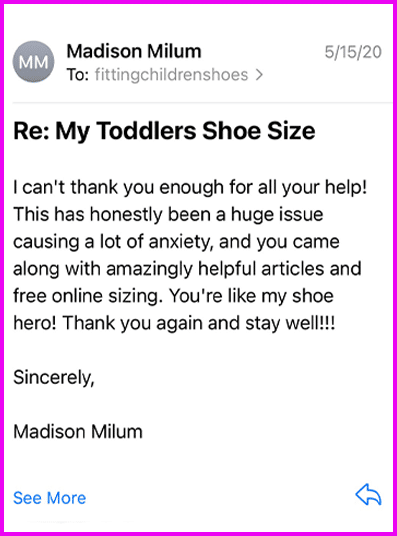
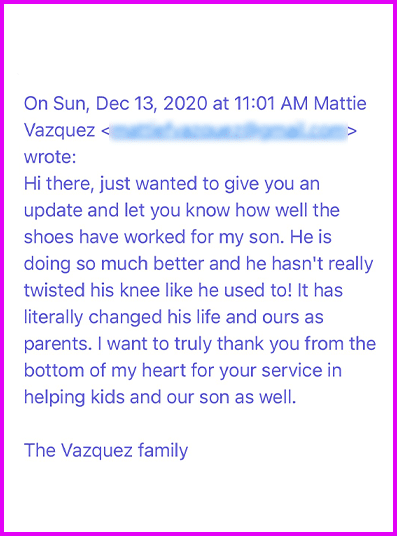
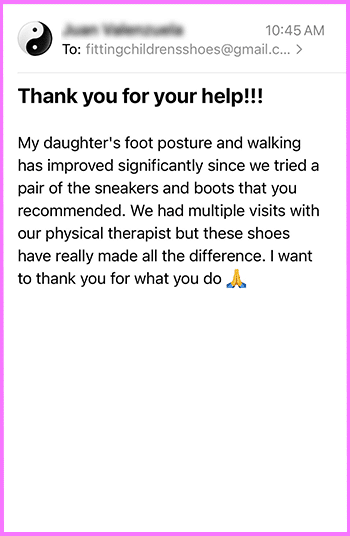
Hearing from other families who’ve faced similar challenges can be incredibly inspiring. Over the years, I’ve heard from many parents who’ve seen genuine improvement in their child’s walking gait and posture after switching to supportive footwear — often noticing a difference within a matter of weeks.
Frequently Asked Questions
This is genuinely hard to tell just by looking, since both can produce a similar-looking inward turn. A pediatrician or pediatric orthopedist can usually pinpoint whether the rotation is originating at the foot, the shin (tibia), or the hip (femur) through a physical exam, and that distinction matters for figuring out the right treatment approach — shoes alone tend to help more with foot-level causes than hip-level ones.
The same underlying principles (a stable base, firm heel counter, straight last) apply to adult shoes too, though the specific styles differ from what I recommend for kids. If you’d like a personalized recommendation, reach out with your foot shape (narrow, medium, wide, or extra wide), your shoe size, and the country you’re in, and I can point you toward adult-appropriate options.
Narrow feet add a real wrinkle here, since many of the styles above run medium to wide. In cases like this, I generally recommend looking at Saucony or Asics styles with laces specifically (rather than velcro), since laces provide more secure, adjustable support for a narrower foot. Pairing that with my narrow feet lacing technique can make a real difference in keeping the shoe secure around a slim heel.

Hi Juan,
My daughter is 14 years old. Is it too late to correct for pigeon toe?
Her foot shape is wide.
Thanks,
Patrick
Hi Patrick,
Thanks so much for reaching out! While I’m not a medical professional, I believe that at this point you can manage but not fully correct your daughter’s pigeon toes. The key is improving her foot posture and walking gait so she doesn’t end up putting extra stress on other parts of her body and keep things from getting worse.
If you’d like some specific shoe recommendations, could you let me know her shoe size and which country you’re writing from? That way, I can help you find the best options available in your area.
Good Evening,
My soon to be 5 year old son has long narrow feet. He wears a size 12 and we are located in CA, USA.
Hello Christina—
You should take a look at the models below:
Option 1
Option 2 If you can find a pair of Asics shoes with laces in your son’s size that would be better, as laces help provide better support and stability compared to shoes with velcro closure.
I also suggest that you apply this shoe lacing technique: How to Tie Shoes for Kids with Narrow Feet – Make their Shoes Fit and Feel Better!
I am an adult who walks pigeon toed, can you please advise the best shoe for me.
Hello Lucy,
To recommend specific shoes for your feet I first need to know your foot shape (narrow, medium, wide, extra wide), the shoe size that you wear, and the country that you are contacting me from to check what specific shoes you will might be able to order.