
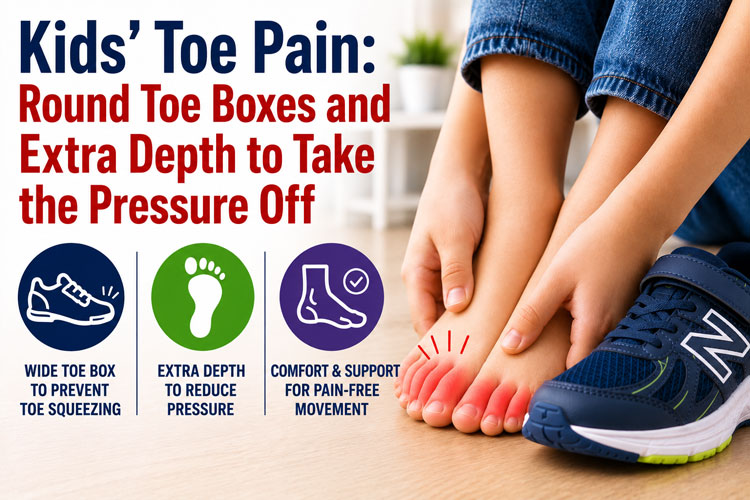
Kids’ Toe Pain: Round Toe Boxes and Extra Depth to Take the Pressure Off
Last updated: August 2026 | By Juan Valenzuela, Certified Children’s Shoe Fitter
IIs your child complaining about toe pain? One of the most common — and most overlooked — causes is wearing shoes that are too short or too narrow. As a certified shoe fitter, I’ve seen many cases where simply switching to properly fitted footwear made a real difference, even in situations where specialists hadn’t found an answer. In this guide, I’ll walk through the most common causes of toe pain in children, what to look for in a shoe, and what to do if the pain doesn’t go away even after the shoes are right.
Understanding Toe Pain Causes in Kids
Toe pain can stem from a number of different causes, and the right fix depends on which one is actually driving the pain. Here are the four I see most often.
Reason One: Ingrown Toenails
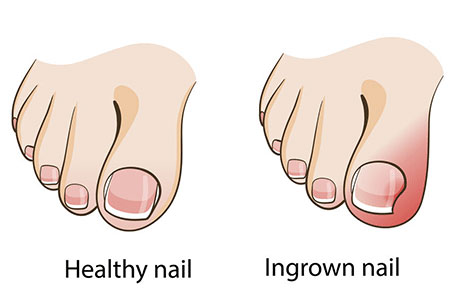
Ingrown toenails happen when the edge of the toenail grows into the surrounding skin, causing pain and sometimes infection. Tight shoes make this worse by pressing the toenail directly into the skin with every step. Children are especially at risk, since they don’t always communicate discomfort until it’s become a real problem. Regularly trimming your child’s toenails, choosing shoes with a rounded toe box, and checking the fit often can go a long way toward preventing this.
Reason Two: Flat Feet
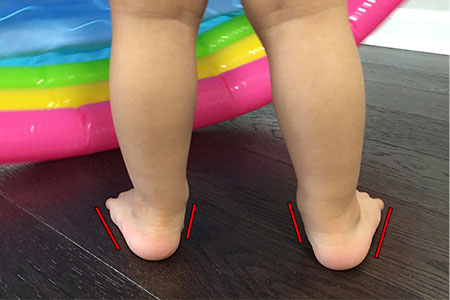
Flat feet, or fallen arches, throw off how weight is distributed across the foot, often putting extra pressure directly on the toes. Supportive shoes help correct that imbalance, and good cushioning absorbs shock before it reaches the more sensitive areas of the foot.
Reason Three: Bunions

A bunion is a bony bump that forms at the joint at the base of the big toe, and it’s usually made worse by shoes that are too tight or have a narrow toe box. I’ve put together a full resource on shoes with extra depth and round toe boxes that can help prevent bunions from forming or relieve discomfort from an existing one.
Reason Four: Toe Injuries
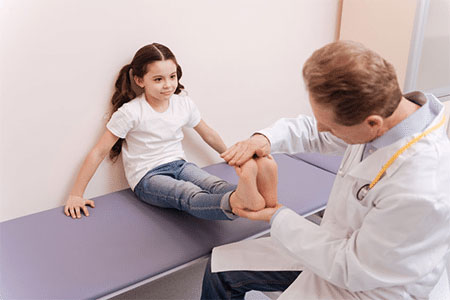
Kids are active, which means stubbed toes and dropped objects are simply part of childhood — and they can cause real bruising, swelling, and temporary pain. Since these incidents happen so often during play and sports, it’s worth making sure your child’s shoes offer real protection for their toes, not just a soft upper.
Toe pain can come from a lot of different places, but in my experience, the first thing worth checking is always the shoes. They’re the hidden culprit far more often than parents expect — and unlike some of the causes above, it’s the easiest one to fix.
Two Key Features to Look for in Shoes
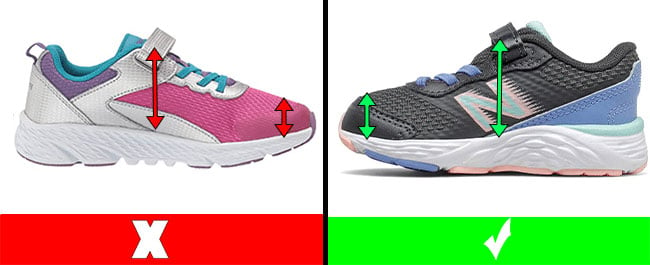
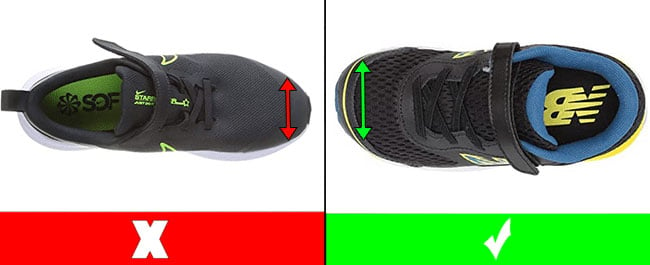
The Importance of Getting the Correct Shoe Size
Getting your child’s shoe size right is one of the simplest, most effective ways to prevent toe pain. Shoes that are too short or too narrow are among the most common causes I see. Beyond length, pay attention to width too — some children need wide or extra wide shoes to properly accommodate their foot shape, and getting that right prevents the kind of squeezing and pressure that leads directly to pain. Most major brands now offer multiple widths, which makes finding the right fit more achievable than it used to be.
If you’re unsure of your child’s exact size or foot shape, my virtual shoe fitting service is a quick way to find out whether your child has narrow, medium, wide, or extra wide feet — and get them into a comfortable, pain-free fit.
What to Do When the Shoes Fit but the Pain Persists
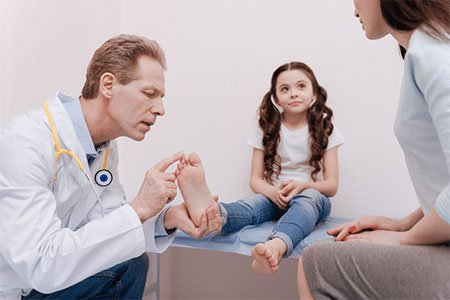
If your child is still experiencing toe pain despite wearing properly fitted shoes and socks, it’s time to dig deeper. If the pain worsens with touch, walking, or running — or it’s disrupting sleep or daily activity — I strongly recommend consulting a medical specialist rather than continuing to adjust footwear on your own.
I once worked with a family whose child had the right shoes and socks, and had already ruled out vitamin deficiencies, diabetes, and arthritis through bloodwork. A second specialist eventually found the real cause: a leg length discrepancy, with one leg slightly longer than the other. I added a thicker insole to the shorter leg’s shoe, and the pain disappeared completely. That experience is exactly why I wrote a dedicated guide on leg length discrepancies in children — it’s a cause that’s easy to miss because it has nothing to do with the shoe itself.
Seamless Socks for Kids with Toe Pain
Seamless socks are worth pairing with any properly fitted shoe for a child dealing with toe pain. Removing the seam at the toes cuts down on friction and pressure right where sensitivity is often highest, which can meaningfully reduce irritation over the course of a day.
Toe Stretching Exercises
Simple stretching exercises can help relieve tension and strengthen the muscles of the foot. Encourage your child to wiggle their toes and do gentle stretches on a regular basis — this can improve flexibility and circulation, and contribute to overall foot health. Making it part of a daily routine also helps kids build a lifelong habit of paying attention to their feet.
Contact Me for Specific Shoe Recommendations
As a dedicated shoe fitter, I’m here to help you find the right pair of shoes for your child. If you have specific concerns about a foot condition or need personalized recommendations, don’t hesitate to reach out — I’ve created a range of resources to help you find the right size and style for your child’s unique needs.
Frequently Asked Questions
Start by checking the fit — press on the front of the shoe with your child standing to see if there’s a thumb’s width of space, and check that the toe box doesn’t pinch at the widest part of the foot. If the shoes check out and pain continues, especially if it’s severe, one-sided, or disrupts sleep, that’s a signal to look beyond footwear and consult a pediatrician.
Yes, if it goes uncorrected for a long period. Constant pressure on the toes can contribute to the progression of ingrown toenails and bunions, and in growing feet, ongoing pressure can affect how the toes and joints develop. This is part of why I recommend addressing tight or narrow shoes as soon as you notice discomfort, rather than waiting to see if it resolves on its own.
For most kids, regular socks are fine. But for a child already dealing with toe pain, ingrown toenails, or sensitive skin, the seam across the toes can be a real source of ongoing irritation — removing it is a small change that often makes a noticeable difference.
This article is for general informational purposes and isn’t a substitute for medical advice. If you have concerns about your child’s foot or toe pain, please consult their pediatrician.
