How to Fit Heel Cups Inside Your Kids’ Shoes
Last updated: September 14, 2026 · Written by Juan Valenzuela, Certified Children’s Shoe Fitter
Heel cups can be a genuine game-changer for kids with heel pain — but only if they’re fitted inside the right shoe, the right way. If a heel cup doesn’t fit correctly, your child won’t get the support or stability it’s supposed to provide. Follow this simple two-step method to make sure your child’s heel cups are doing their job.
Before You Start: Make Sure the Shoe Itself Is Right
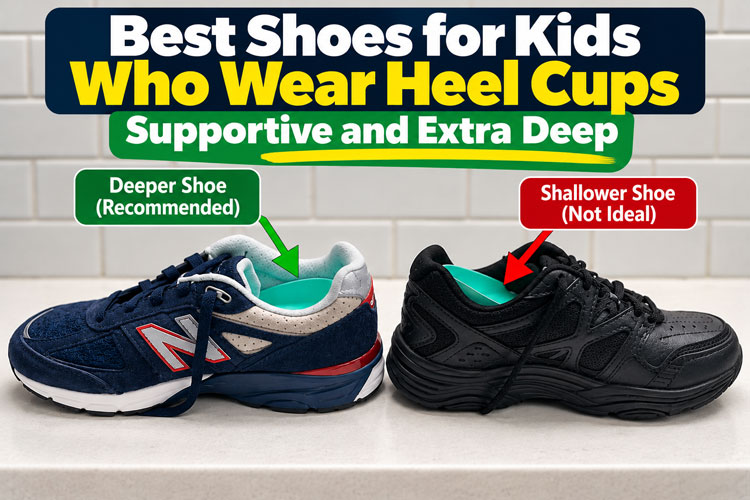
Heel cups can’t fit properly in just any shoe — the shoe needs extra depth to let the cup sit deeply inside without pushing the foot up too high. If it doesn’t fit deeply enough, your child may feel like their foot is coming out of the shoe.

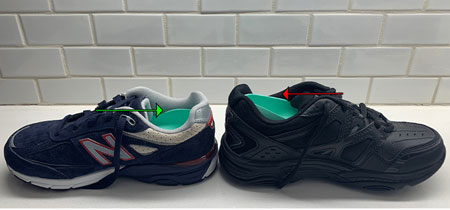
For a full list of shoes built with this depth in mind, see Best Shoes for Kids Who Wear Heel Cups — Supportive and Extra Deep.
How to Fit Heel Cups: Two Simple Steps
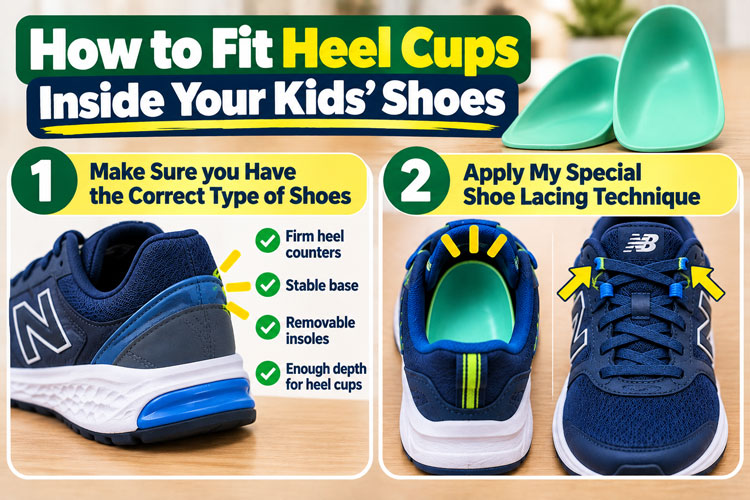
Step 1: Place the Heel Cup Inside the Shoe
Place the heel cup flat and snug against the heel area of the shoe, sitting on top of the shoe’s original insole — you don’t need to remove it first.
Step 2: Apply This Lacing Technique
Once the heel cup is positioned, secure it with this lacing method:
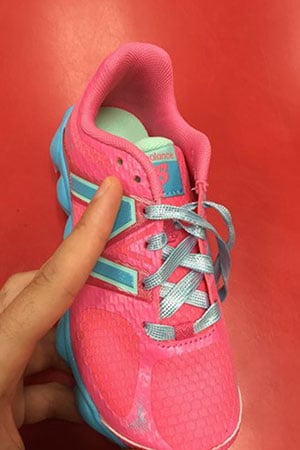
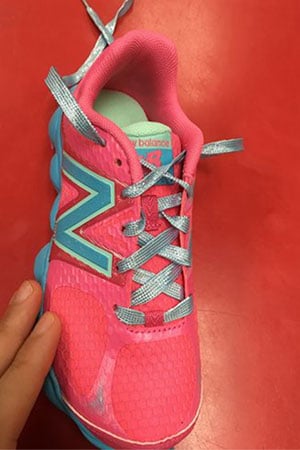
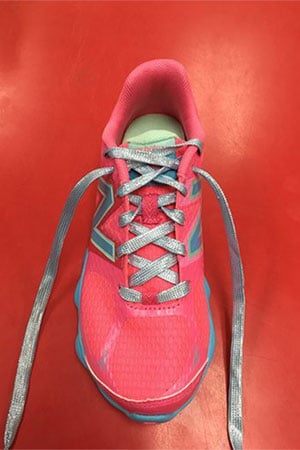
Follow both steps and your child will get the full benefit of the heel cup — you should notice pain reduced or eliminated. The heel cup and the shoe work together; neither does the job alone.
I always recommend laces over Velcro for this specifically. Laces offer better support and stability, and they help keep your child’s heel pushed back and secure at the rear of the shoe — exactly what the heel cup needs to stay in position.
Do I Need to Remove the Original Insoles First?
No. Place the heel cup directly on top of the shoe’s existing insole — no need to remove anything first.
The Best Heel Cups for Kids
Two heel cups consistently offer the shock absorption and support kids with heel pain need.
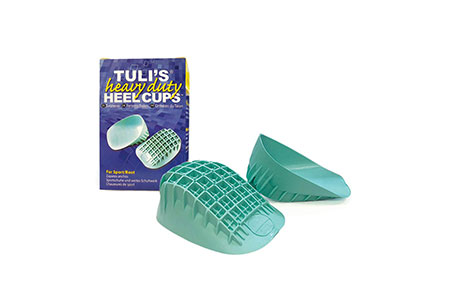
Tuli’s Heel Cups
- Order on Amazon
- Ideal for treating and preventing general heel pain, plantar fasciitis, Sever’s disease, excessive pronation, Achilles tendonitis
- Small: little kid 10.5 through big kid 6, under 80 lbs
- Regular: big kid 6 and above, up to 175 lbs
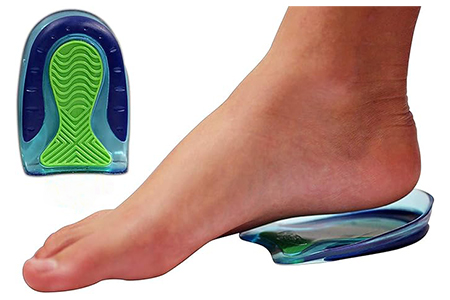
KidSole Heel Cups
- Order on Amazon
- Fits little kid 11 through big kid 7
- Sport grip design allows the heel pad to stay in place while kids run and play
- This product is specifically designed for active kids who need additional heel comfort and protection
- Disclosure: some links above are affiliate links — we may earn a small commission at no extra cost to you.
For the full breakdown of which condition each heel cup fits best, see Heel Cups for Kids: How to Stop Heel Pain.
Contact Me with Questions
If you need personalized advice on fitting heel cups or choosing the right footwear for your child, reach out directly. Heel pain is never something to ignore — there are real ways to reduce or eliminate it.
Watch the Video Walkthrough
For a visual guide to fitting heel cups inside kids’ sports shoes, this video covers the whole process step by step with additional tips.
Heel Cups for Sport Shoes
Kids playing soccer, football, baseball, or basketball put a different level of stress on their feet and legs than everyday activity. I’ve helped several kids get real relief from heel pain during soccer games and practices specifically by fitting them with the right heel cup in the right cleat.
Heel pain in kids happens more often than most parents expect — usually from wearing the wrong shoe, though sometimes it traces back to a foot condition like flat feet, weak ankles, or low muscle tone.