How to Make Shoes Fit Kids with Narrow Feet: Tongue Pads and Insoles
Last updated: August 2026 | By Juan Valenzuela, Certified Children’s Shoe Fitter
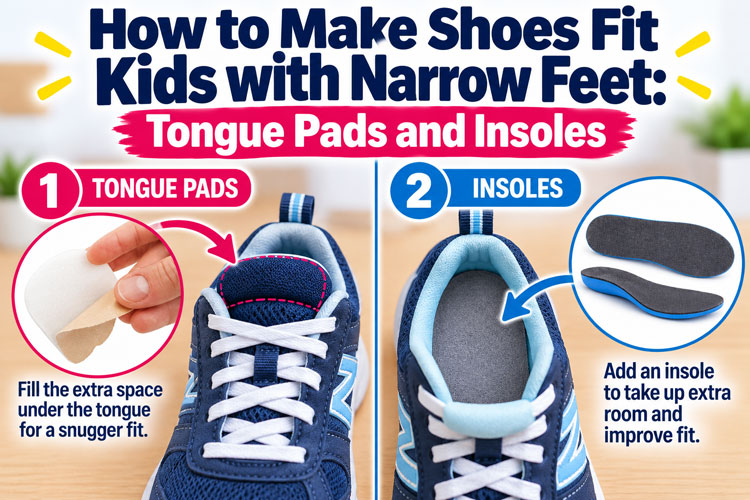
Quick Answer: Two simple additions can make an otherwise-too-wide shoe fit a narrow foot properly: tongue pads, which push the heel back and secure it against the back of the shoe, and extra insoles, which reduce the shoe’s internal volume for a snugger overall fit. Both are inexpensive, easy to add at home, and work even when the narrowest style you can find still feels a little loose.
Struggling to find shoes that fit your child’s narrow feet? Many parents buy shoes that end up being too wide, only to realize it after the return window has passed. Even when you try the narrowest styles available, they may still feel too loose. If this sounds familiar, don’t worry — I’m here to help. As a dedicated children’s shoe fitter, I’ve discovered the two most effective ways to make shoes fit kids with narrow feet properly, so they can stay comfortable and supported all day long.
My Experience Fitting Shoes for Kids with Narrow Feet
Working at a specialized children’s shoe store, I’ve helped many families find the right shoes for kids with tricky foot shapes — especially narrow feet. The challenge? Sometimes, even the narrowest shoe styles still feel too roomy. When that happens, I rely on two tried-and-true methods that help make wide shoes fit more securely and comfortably for children with narrow feet.
Method One: Tongue Pads
Tongue pads are adhesive-backed pads that, when placed correctly on the tongue of the shoe, can be extremely effective at pushing the child’s heel back and securing it against the back of the shoe. This helps prevent the heel from coming out of the shoe.
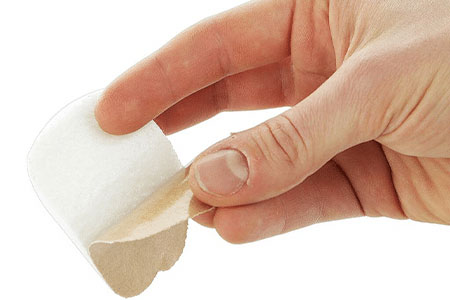
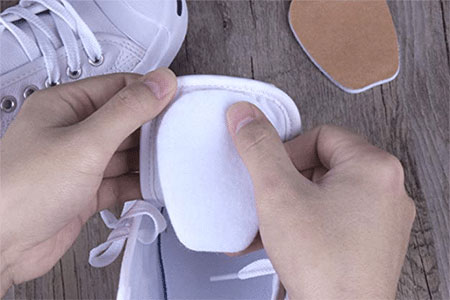
Best Tongue Pads for a Narrower Fit
When selecting tongue pads, quality and material matter. I recommend the COMFWALK Felt Tongue Pads — made from soft wool felt rather than leather, they’re a comfortable, budget-friendly option that still does the job of filling extra space and preventing heel slippage.
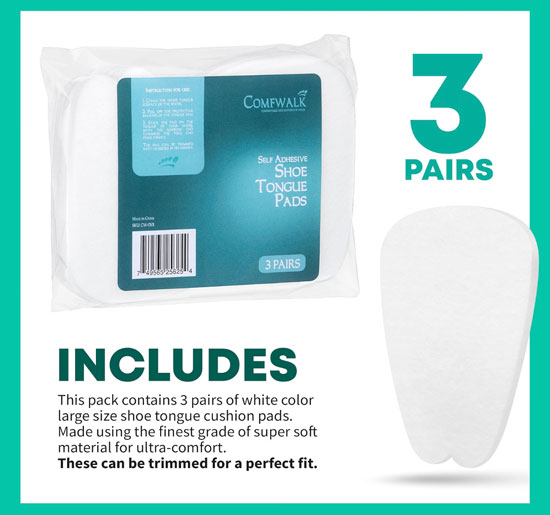
- Order on Amazon
- Made from soft wool felt for a cushioned feel
- Sold in packs of 3 pairs
- Can be trimmed with scissors for a custom fit
- Can reduce shoe fit by up to a quarter size
- Designed to peel off cleanly, without leaving residue
- Disclosure: this post contains affiliate links, and I may earn a small commission at no extra cost to you.
Method Two: Fitting an Extra Insole
Another practical approach is using extra insoles. Adding an insole reduces the shoe’s internal volume, providing a snugger fit for narrow feet. The extra insole should be placed on top of the original insole, not in place of it.
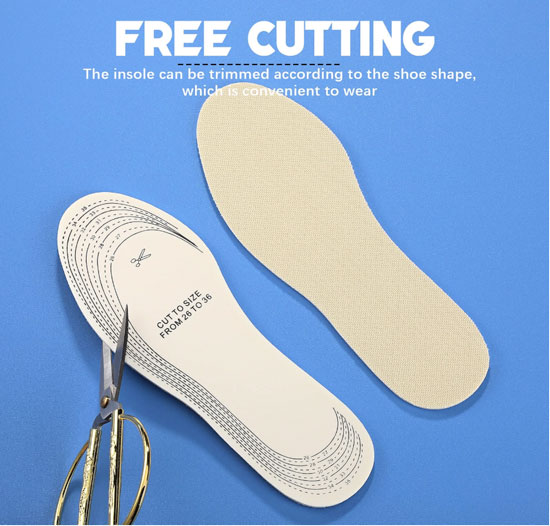
- Order on Amazon
- Quality latex and fabric
- Can be trimmed to fit by following the cut lines printed on the insole
- Breathable
Do These Methods Work Together, or Should I Pick One?
Yes, they can absolutely be combined. Tongue pads address heel slippage specifically, while extra insoles address overall internal volume — so a child with a foot that’s narrow all around may benefit from using both at once. If your child’s issue is really just heel slippage, with the rest of the shoe fitting fine, the tongue pad alone is often enough.
Shoes with Laces Can Help Too
If your child is wearing lace-up shoes, you’re in luck. A specific lacing technique can make a big difference by tightening up any extra space around the heel — helping the shoe fit more securely and comfortably alongside, or instead of, the tongue pad and insole methods above.
Explore More: The Best Shoe Options for Narrow Feet
Struggling to find the right shoes for your child’s narrow feet? I’ve put together a collection of expert guides that cover it all — from everyday sneakers to sandals and dress shoes. These resources are packed with tried-and-true recommendations to help you find the perfect fit without the guesswork.
Reach Out with Any Questions
As someone passionate about fitting children’s shoes, I’m always available to help families find the right footwear for their kids. If you have any questions about narrow feet or need assistance with fitting, please reach out. I can offer personalized shoe recommendations based on your child’s foot shape and condition.
Frequently Asked Questions
If the main issue is the heel slipping out or feeling loose at the back, start with a tongue pad. If the whole shoe feels generally too roomy — not just at the heel — an extra insole addresses that more broadly. When in doubt, try the tongue pad first, since it’s the more targeted, lower-effort fix, and add the insole if the shoe still feels too loose overall.
It shouldn’t affect the shoe’s own return policy, since the insole is a separate product you’re adding, not altering the shoe itself. That said, once you’ve trimmed the insole, it typically can’t be returned, so it’s worth double-checking your child’s size against the sizing guide before cutting.
If you’re consistently needing both a tongue pad and an extra insole just to get a standard-width shoe to fit, that’s usually a sign it’s worth exploring shoes built specifically for narrow feet, since a properly narrow shoe will always fit more precisely than a wide shoe modified after the fact. These methods work best as a supplement for an otherwise-good shoe that’s just slightly too roomy, not as a permanent substitute for the right width.