Orthopedic Shoes for Toddlers – Put Your Toddler’s Feet and Legs in a Straighter Position!
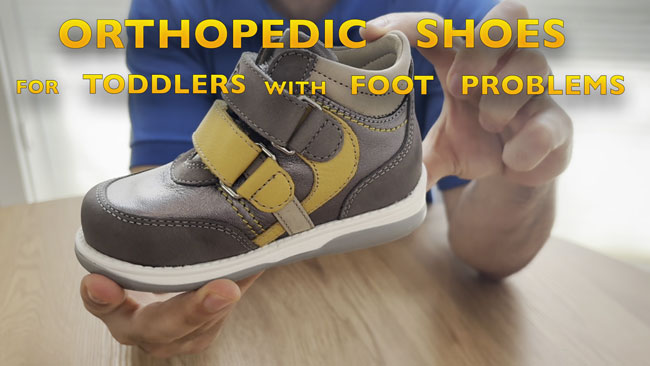
Has your toddler been diagnosed with a foot condition and advised to wear orthopedic shoes? While some medical professionals recommend a specific model, many parents are left without clear guidance on which orthopedic shoes to choose. With fewer specialized children’s shoe stores available, finding the right pair can feel overwhelming. That’s where I come in. As a certified children’s shoe fitter, I’ll share my top orthopedic shoe recommendations for toddlers, based on years of hands-on experience. These shoes have helped many toddlers with severe flat feet, toe walking, low muscle tone, weak ankles, and overall foot posture and balance—so you can make a confident, informed decision for your child.
Foot Problems in Toddlers and How Orthopedic Shoes Can Help
Flat feet are one of the most common foot conditions in toddlers, and in many cases, they’re completely normal. Most children naturally develop arches by the age of five. However, not all flat feet are the same—some are significantly flatter than others, which may require early intervention to prevent future complications. The same goes for other foot conditions like weak ankles, toe walking, low muscle tone, and knock knees.
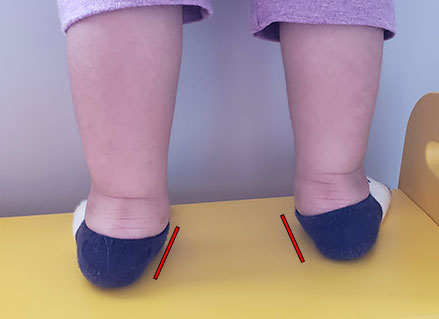
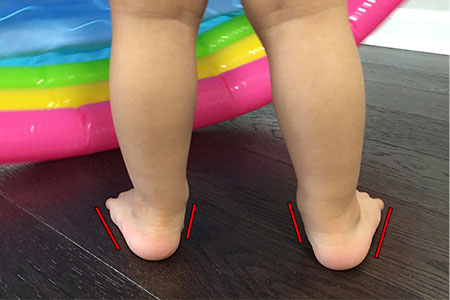
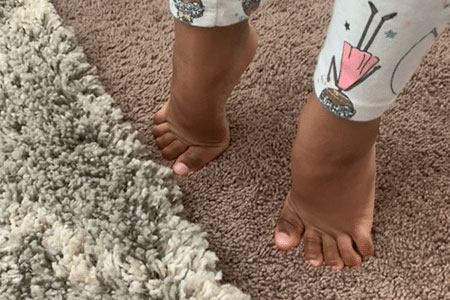
Can Toddlers Benefit from Wearing Orthopedic Shoes?
Orthopedic shoes are not just about aesthetics; they play a pivotal role in ensuring the proper alignment of your toddler’s feet and legs. The early years, particularly the first seven, are a golden window of opportunity to address any structural issues with supportive footwear and orthotics. During this time, bones are still soft and malleable, making it easier to correct any misalignments.
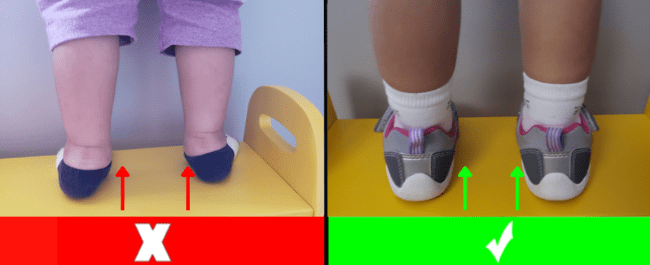
While trendy shoes might catch your eye, it’s the functionality that truly matters for toddlers. Orthopedic shoes are designed to provide the support needed for proper foot alignment. They help in distributing body weight evenly, reducing stress on the feet, and encouraging a healthier posture, which is critical during the rapid growth phases.
My Experience as a Passionate Shoe Fitter
I’m deeply passionate about fitting children’s shoes because I’ve seen firsthand how the right shoes can truly be life-changing. Children’s feet are constantly developing, and the support they receive early on can have a lasting impact on their posture, balance, and overall body alignment as they grow. Many physical and occupational therapists regularly refer children to the shoe store where I work for supportive fittings. That hands-on experience is exactly why I only recommend shoes online that I’ve personally tested and fitted—because seeing how they perform on real children’s feet is the only way to know what truly works.
Are Orthopedic Shoes a Cosmetic Fix or Functional Change?
I believe that orthopedic shoes provide a functional change. Your toddler’s foot might point inwards when going barefoot, but when wearing orthopedic shoes that changes things substantially by putting the feet in a straighter position.
I like to make the analogy that orthopedic shoes are like glasses for bad eyes. Wearing glasses won’t cure your eyes, but it will make you see better and function normally. Orthopedic shoes are like glasses for your toddler’s feet.
Best Orthopedic Shoes for Toddlers with Foot Problems in 2026
After years of fitting shoes for toddlers, I’ve curated a list of orthopedic shoe brands that consistently deliver comfort and support. Disclosure: This post contains affiliate links, and we may earn a small commission at no extra cost to you.
1. Shoe Style Gabi by Memo
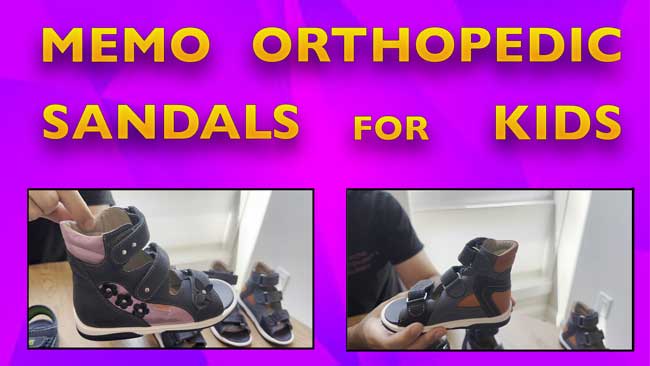
These orthopedic shoes for toddlers offer a high, supportive heel and a firm outsole that help stabilize the foot. Memo orthopedic shoes for toddlers are some of the most effective options available, though they do come with a higher price tag.
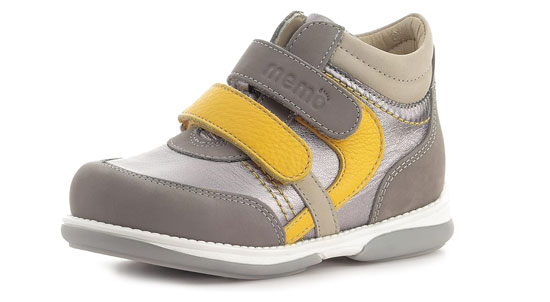
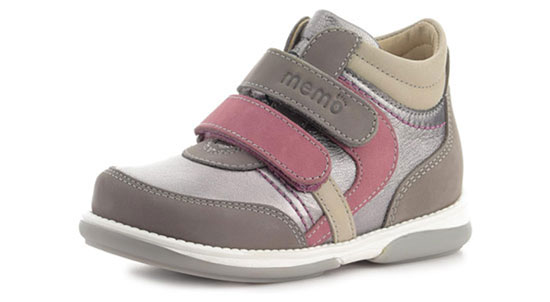
Key Features
- You can order the shoe style Gabi by Memo on Amazon
- Fits medium and wide feet
- Double velcro straps
- I suggest that you get this shoe a half size larger than your child’s current foot size
2. Polo by Memo
These high-quality orthopedic shoes for toddlers are designed to support children who struggle with foot conditions such as flat feet, knock knees, or toe walking.
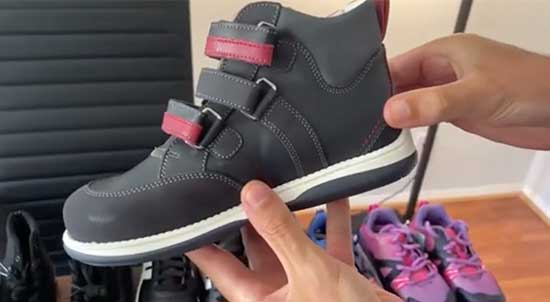
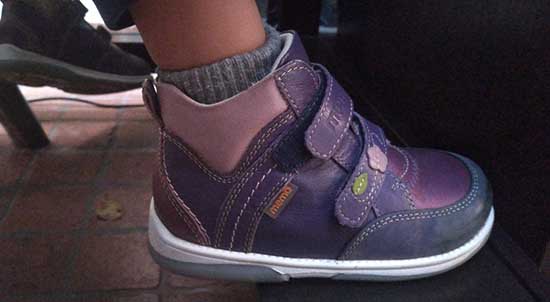
Key Features
- You can order the shoe style Polo by Memo on Amazon
- Fits medium and wide feet
- Thermoplastic asymmetric stiff heel counter for proper foot protection and stabilization
- I suggest that you get this shoe a half size larger than your child’s current foot size
3. Princessa by Memo
These orthopedic Mary Jane shoes for toddlers are stylish and comfortable. They offer the perfect combination of support and flexibility to help children develop a more balanced and healthy gait.
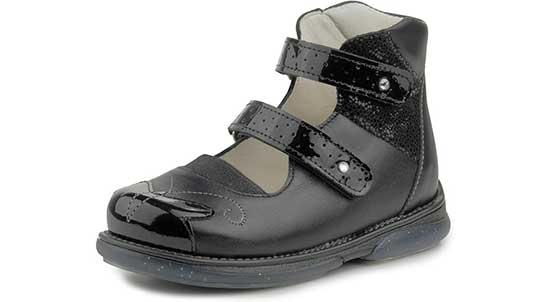
Key Features
- Order the shoe style Princessa Corrective by Memo on Amazon
- Fits medium, wide, or extra wide feet
- Extra depth and width for orthotics
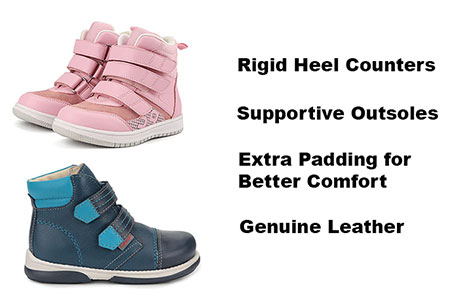
- Rigid heel counter
- I suggest that you get this shoe a half size larger than your child’s current foot size
4. Princepard
These high-top orthopedic shoes provide strong ankle support and a stable sole to help with toe walking, flat feet, and knock knees. They’re the most affordable alternative to Memo shoes without sacrificing support or quality.
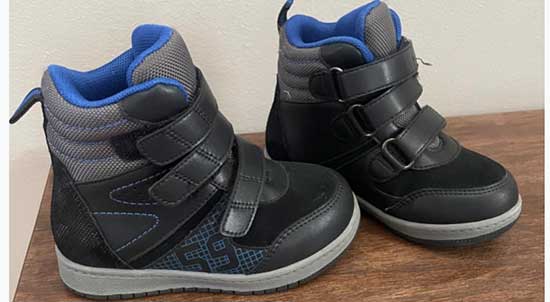
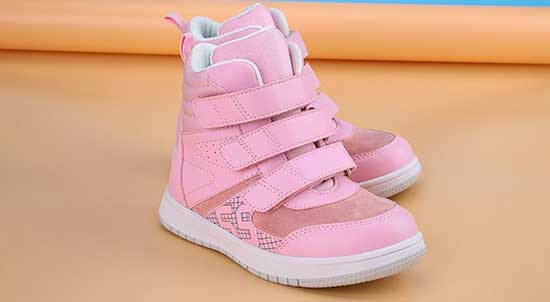
Key Features
- Order this orthopedic shoe by Princepard on Amazon
- Fits medium and wide feet
- Triple Velcro straps for better support and stability
- Rigid heel counter
- I suggest that you get this shoe a half size larger than your child’s current foot size
Ensure Your Toddler’s Shoes Provide Maximum Support and Stability
For the best support and stability, make sure to secure the Velcro straps snugly on your toddler’s shoes. Don’t hesitate to pull them firmly—this helps keep the foot properly positioned. Loose straps can cause too much movement inside the shoes, reducing their effectiveness in providing the support your child needs.
Personalized Recommendations
Every child is unique, and so are their foot needs. If you’re unsure about which orthopedic shoes are best for your toddler, feel free to contact me via email for personalized recommendations tailored to your toddler’s foot shape and condition. These recommendations consider specific concerns such as flat feet, high arches, or pronation, ensuring that the chosen footwear addresses your child’s needs effectively.
Why Are Orthopedic Shoes More Expensive?
Orthopedic shoes typically cost between $80 and $125, but they offer a unique combination of built-in support and orthotic-like features. Unlike regular shoes, the orthopedic options I recommend provide essential elements such as supportive outsoles and firm heel counters, along with deep heel cups and medial and lateral flanges—features commonly found in orthotics. This built-in support helps improve foot alignment and stability, making them a worthwhile investment for your child’s foot health.
What to Do If Toddler Orthopedic Shoes Are Too Expensive?
Not all families can afford specialized orthopedic shoes. Fortunately, there are affordable alternatives that offer great support. These options can provide a middle ground, offering some of the benefits of orthopedic shoes without the higher price tag
Access My YouTube Video to Get a Closer Look!
I show you my recommended orthopedic shoes up close and explain the key features that make them supportive, helping you visualize how they work for toddlers with foot issues.
Use My Virtual Shoe Fitting Service
Most medical professionals agree that proper fit is just as important (if not more important) than the support or material that the shoes are made of. I offer a virtual shoe fitting service that helps parents determine the correct size for their child’s unique foot shape. By using this service, you can avoid the hassle of returns and ensure your toddler’s shoes fit perfectly. The process is simple and convenient.
The Importance of Taking Early Action
I always remember something that a podiatrist told me when I first started fitting children’s shoes: It’s important to be proactive with children and their treatment since the first seven years of their life are “golden years of treatment opportunity”. During these seven years, permanent structural changes of the foot and lower extremity may be relatively easy to obtain with treatments such as orthotics, supportive shoes, and therapeutic exercises.