Best Shoes for Kids with Elephantiasis: Extra Deep and Extra Wide
Last updated: October 22, 2026 · By Juan Valenzuela, Certified Children’s Shoe Fitter
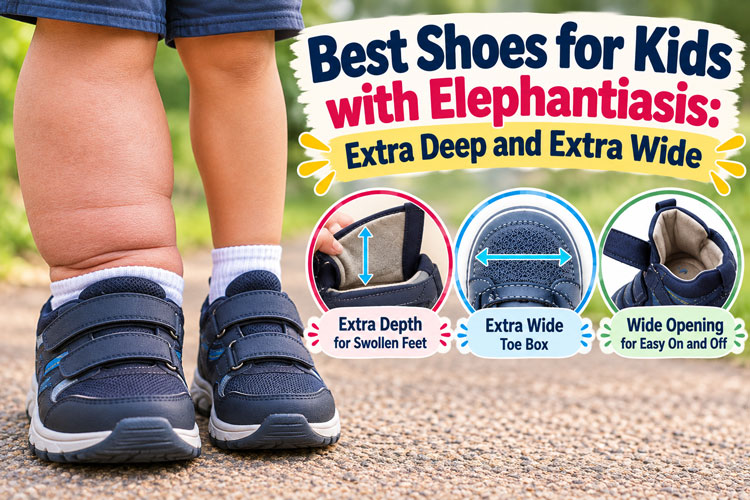
Is your child’s foot so swollen that nothing fits, not even extra wide shoes? Elephantiasis can make a foot much thicker, wider, and heavier than a typical child’s foot, and sometimes only one foot is affected. As a certified children’s shoe fitter with over 10 years of experience, I’ve fit kids with severe swelling, and the shoes that work have one thing in common: extra depth, not just extra width. Below are the features to look for and the shoes that have worked best for the families I’ve helped.
What Is Elephantiasis in Children?
“Elephantiasis” describes severe swelling, usually in the legs and feet, that makes the skin and tissue thick and enlarged. Worldwide, the most common cause is lymphatic filariasis, a parasitic infection spread by mosquitoes in tropical regions.
In children in other parts of the world, the swelling is more often lymphedema. This happens when the lymphatic system doesn’t drain fluid properly, sometimes from birth. Either way, the swelling changes the shape of the foot, and that’s what makes shoe fitting so hard.
Shoes don’t treat the swelling. Your child’s doctor or a certified lymphedema therapist will guide treatment, which often includes compression garments or wraps. What the right shoe can do is fit comfortably over the swelling, protect the skin, and help your child walk and play with confidence.
My Experience Fitting Kids with Elephantiasis
Fitting shoes for a child with elephantiasis is hard, but not impossible. I once helped a child with severe swelling in one foot find a shoe that worked, and that experience is why I wrote this article. Many of the families I work with have tried extra wide shoes from every store and still couldn’t get them on.


What to Look for in Shoes for Elephantiasis
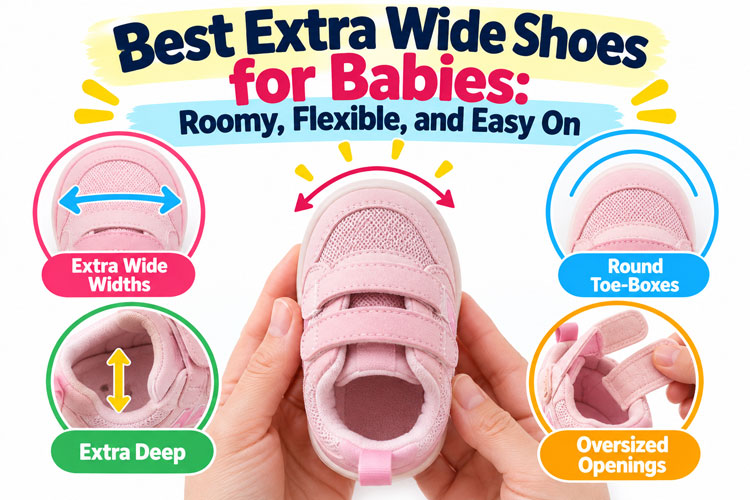
Many parents think an extra wide shoe is enough. It usually isn’t, because a swollen foot is thick from top to bottom, not just wide.
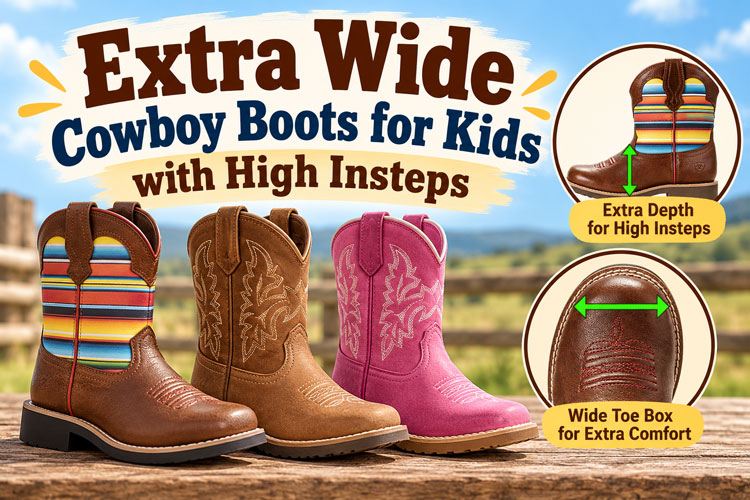
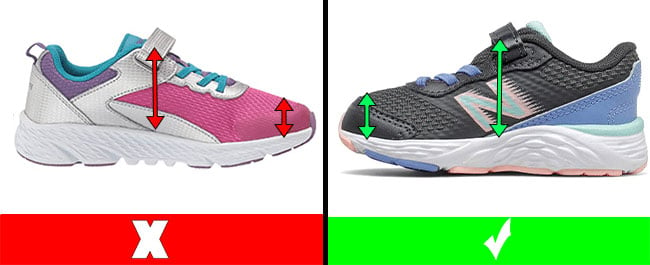
Extra Depth
This is the most important feature. Extra depth means more room between the sole and the top of the shoe, so a swollen foot can sit inside without the top being squeezed. If a shoe has a removable insole, taking it out adds a little more depth.
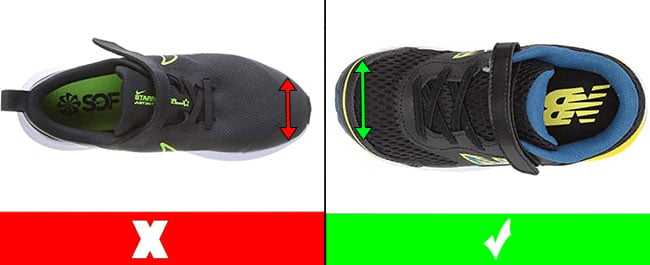
A Wide, Round Toe Box
Swollen toes need room. A wide, round toe box keeps them from rubbing against each other and the sides of the shoe, which helps prevent blisters and sores.
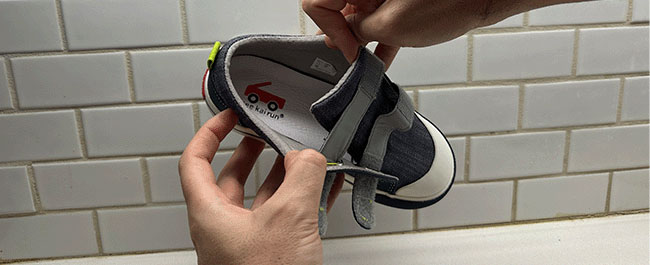
Adjustable Closures and Wide Openings
Long Velcro straps, zippers, or laces let you open the shoe wide to get a swollen foot in, then adjust the fit as the swelling changes. Adaptive shoes, made for kids who wear braces, are often the best choice because they open up so far.
Smooth, Soft Insides
Swollen skin breaks more easily, and a small sore can turn into an infection. Look for a smooth lining without stiff seams that could rub.
How to Get the Right Size
- Fit the shoe to the swelling, not the length. Most kids with elephantiasis need a whole size larger than their foot length to get enough room. That’s the most I’d go, though. Shoes that are much too long make kids trip and fall.
- Try shoes on later in the day. Swelling is often worse in the afternoon and evening, so a shoe that fits in the morning can be tight by dinner.
- Try them with compression garments on. If your child wears compression socks or wraps, they add bulk. Always fit shoes over them.
- If one foot is bigger, fit the bigger foot. Then use a thicker sock or an extra insole in the other shoe to fill the space. Some retailers also sell split sizes (a different size for each foot), so it’s worth asking.
- Check the skin every time the shoes come off. Red marks, dents, or rubbed spots mean the shoe is too tight there, even if it looks like it fits.
Not sure what size or width to order? Send me a short video or three photos and I’ll help you for free. Here’s how to find out your child’s foot shape.
Best Shoes for Kids with Elephantiasis
These aren’t orthopedic shoes. They’re everyday shoes that I’ve found work best for kids with very wide, deep, or swollen feet. How well they work depends on how much swelling your child has.
Disclosure: Some of the links below are affiliate links, meaning I may earn a small commission (at no extra cost to you) if you click and make a purchase.
990v6 by New Balance
New Balance’s widest and deepest kids’ sneaker, available in wide and extra wide. It comes with laces or Velcro.
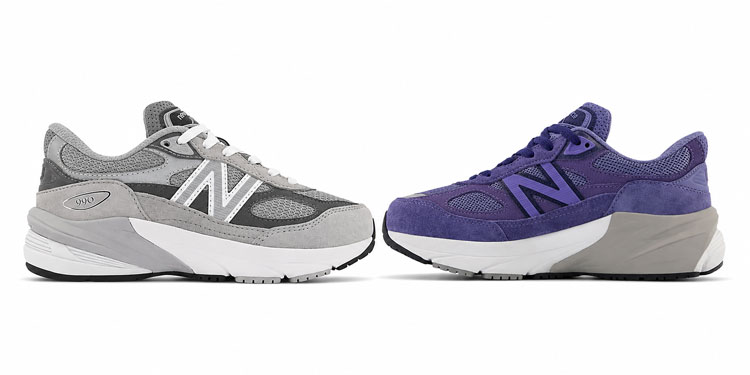
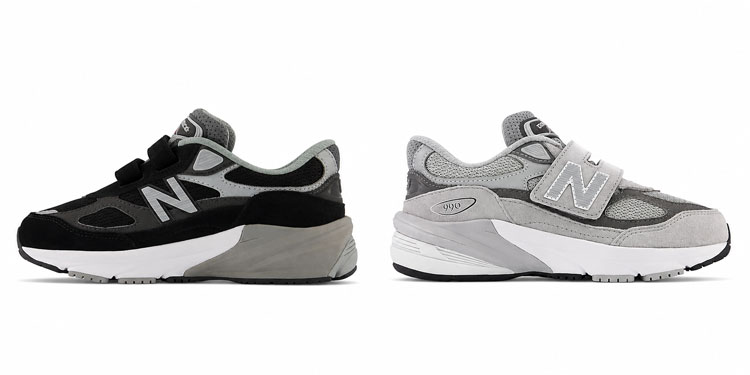
Key Features
- Available for toddlers, little, and big kids
- Order with laces on the New Balance website or Amazon
- Velcro version also available on the New Balance website or Amazon
- Available in wide and extra wide widths
- Firm heel counters, stable base of support, and semi-straight lasts
- Removable insoles
- Sizing tip: order a whole size larger than your child’s current foot size
Dean Adapt II by See Kai Run
An adaptive shoe with extra-long straps and extra depth, so a swollen foot can sit deep inside. It’s also lightweight, which helps when a swollen leg already feels heavy.
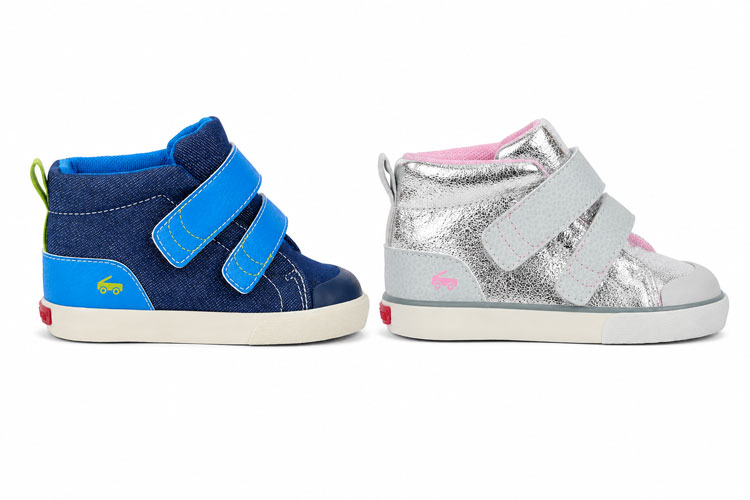
Key Features
- Available for toddlers, little, and big kids
- Order on Amazon
- Available for toddlers and little kids
- Not available in wide or extra wide widths, but fits naturally wide
- Sizing tip: order a whole size larger than your child’s current foot size
Holly Mary Jane by Stride Rite
A roomy Mary Jane that comes in extra wide, so your child can wear it every day or for dressier occasions.
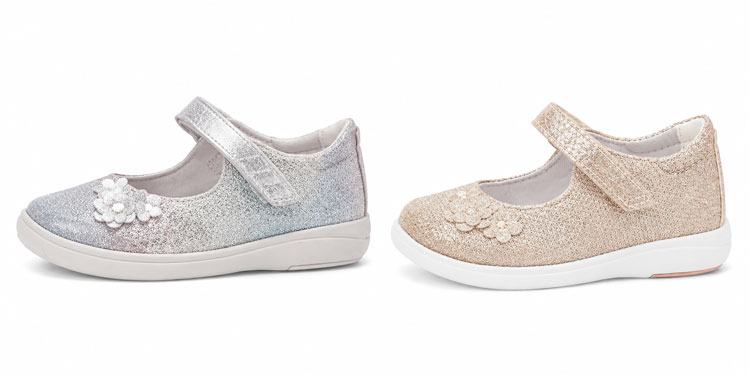
Key Features
- Available for toddlers, little, and big kids
- Order on Amazon
- Available in extra wide widths
- APMA Seal of Acceptance
- Padded tongue and collar for added comfort
- Ortholite memory foam footbed
- Sizing tip: order a whole size larger than your child’s current foot size
Ikiki Shoes
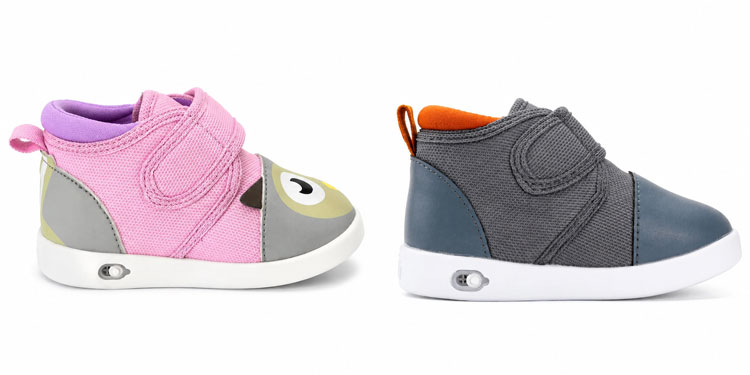
Ikiki shoes are designed with extra depth and flexibility, making them an excellent choice for kids with elephantiasis.
Key Features
- Available for toddlers and little kids
- Order on Amazon
- Not available in wide or extra wide widths, but fits naturally wide
- Wide opening makes it easy to put on and take off
- Synthetic vegan leather
- Squeaks can be turned on/off with a switch
- Sizing tip: order a whole size larger than your child’s current foot size
M2P Journey 3.0 Adapt by Stride Rite
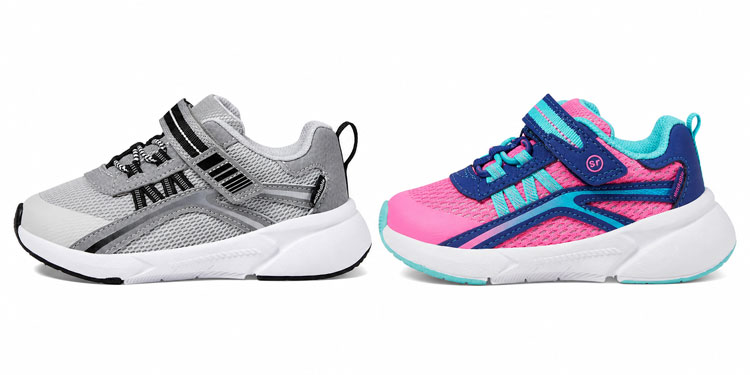
From Stride Rite’s adaptive line, with extra-long Velcro straps that open the shoe up wide.
Key Features
- Available for toddlers, little, and big kids
- Order on Amazon
- Available in extra wide widths
- APMA Seal of Acceptance
- Mesh upper
- Sizing tip: order a whole size larger than your child’s current foot size
Billy Shoes
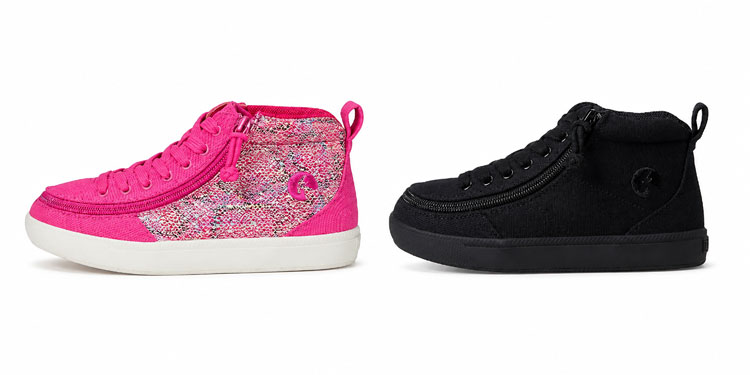
Billy Shoes have become a favorite among families with children who require wider shoes with extra depth that are easy to get on and off. Their unique zipper design allows for easy on-and-off, making them a convenient choice for both parents and children.
Key Features
- Available for toddlers, little, and big kids
- Order on Amazon
- Available in extra wide widths
- Leather upper
- Sizing tip: order a whole size larger than your child’s current foot size
These are the shoes that have worked best for the kids with extra wide or swollen feet I’ve fit.
Can You Stretch Shoes for a Swollen Foot?
A kids’ shoe stretcher can add a little room to a shoe that’s slightly snug, and it can help a pair last longer as your child grows. But if a shoe is leaving marks or dents in swollen skin, don’t try to stretch it. Choose a deeper shoe instead, since pressure on swollen skin can lead to sores.
Need Help Choosing?
If you’re struggling to find shoes for your child, email me. Send your child’s age, current size, and a few photos of their feet (including whether one foot is bigger), and I’ll point you to the best options.
Frequently Asked Questions
Worldwide, the most common cause is lymphatic filariasis, a parasitic infection spread by mosquitoes in tropical regions. In other places, severe swelling in a child’s foot or leg is more often lymphedema, where the lymphatic system doesn’t drain fluid properly. Your child’s doctor can tell you which one your child has.
Shoes don’t reduce the swelling, but the right pair fits comfortably, protects swollen skin from rubbing, and helps your child walk with more confidence. Treatment for the swelling comes from your child’s doctor or lymphedema therapist.
Usually a whole size larger than their foot length, in the widest width available. Try them on later in the day, when swelling is often worse, and over any compression garments.
Fit the shoe to the bigger foot, then fill the extra space in the other shoe with a thicker sock or an extra insole. Some retailers sell split sizes, so it’s worth asking.
Not always. The shoes in this article are everyday shoes that happen to be deep and wide. If your child’s doctor recommends custom or orthopedic shoes, follow their advice.