
Shoes with Removable Insoles for Orthotics: Make Sure You Get the Right Fit
Last Updated: August 2026 | Juan Valenzuela, Certified Children’s Shoe Fitter
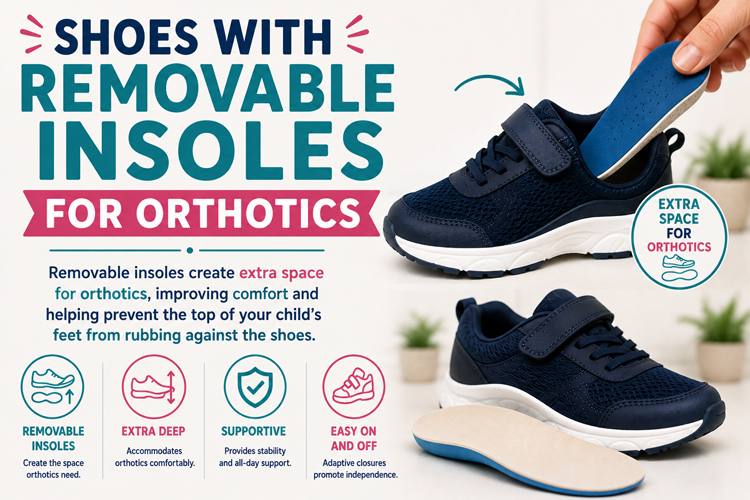
Has your child been diagnosed with a foot condition that requires orthotics? Finding the right shoes can be challenging, since not all kids’ footwear is designed to accommodate orthotics comfortably. The best shoes for children wearing orthotics should not only provide excellent support but also feature removable insoles to create enough space for the orthotic. Here’s what to look for, based on my years of hands-on shoe fitting experience.
Do All Kids’ Shoes Come with Removable Insoles?
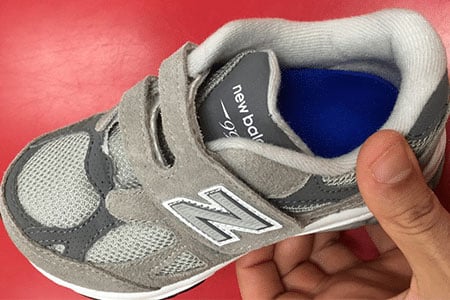
Most shoes do come with removable insoles, making it easy to accommodate an orthotic. However, some brands glue the original insoles in place, making removal difficult — sometimes even impossible. In these cases, I use a screwdriver to carefully lift the insole and any remaining material inside the shoe.
To avoid this hassle, never purchase shoes with non-removable insoles if you plan to fit an orthotic inside. Also steer clear of memory foam insoles specifically — they’re typically glued down and won’t come out, which makes them unsuitable for orthotic use.
A Removable Insole Alone Isn’t Enough
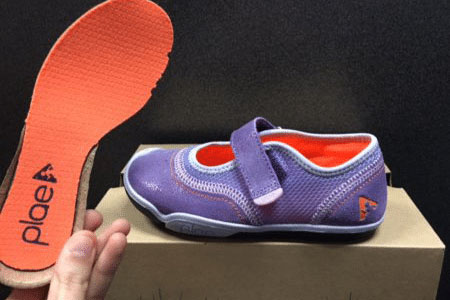
Not all kids’ shoes have removable insoles — but just as important, having one doesn’t automatically make a shoe orthotic-friendly. A removable insole is really just the entry requirement. Beyond that, the shoe still needs the right depth, a firm heel counter, and a stable base of support for the orthotic to actually do its job once it’s inside. Below, I’ll cover what else to look for, plus the specific shoes I recommend.
Key Features of Shoes for Orthotics
A firm heel counter — provides stability and support, essential for aligning the foot correctly and reducing the risk of pronation. It helps keep the foot in place, which matters especially when using an orthotic.
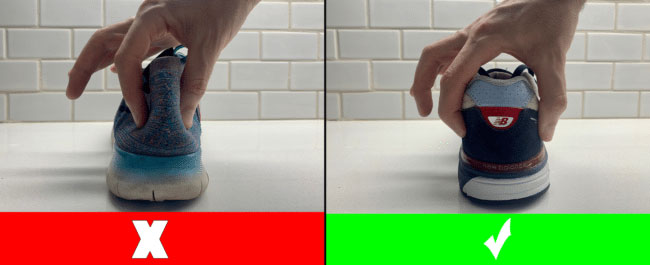
A stable base of support — keeps the foot steady, reducing the risk of ankle rolls and falls.
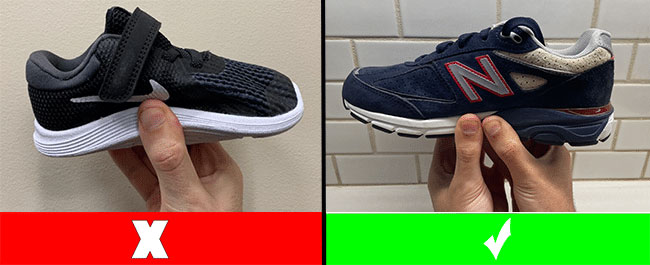
Extra depth — accommodates the orthotic comfortably, preventing pressure points or discomfort so your child can wear it throughout the day without issues.
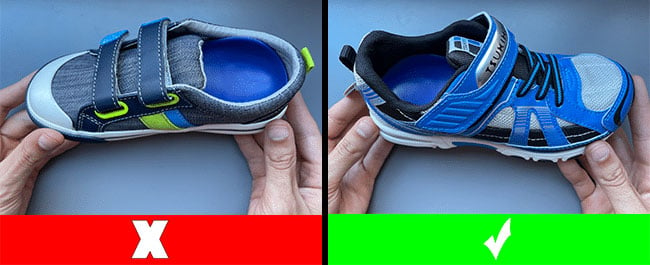
Round toe boxes — give the toes room to move freely, which matters especially since an orthotic can slightly alter how the foot sits inside the shoe. A round toe box also helps prevent the orthotic from wearing through the front of the shoe.
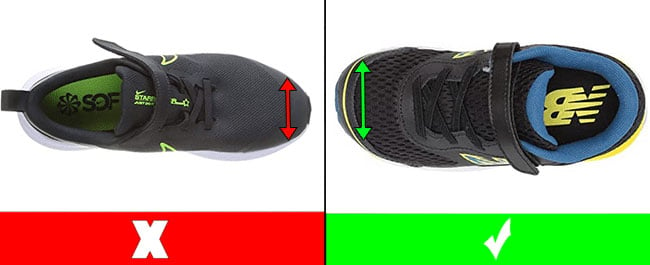
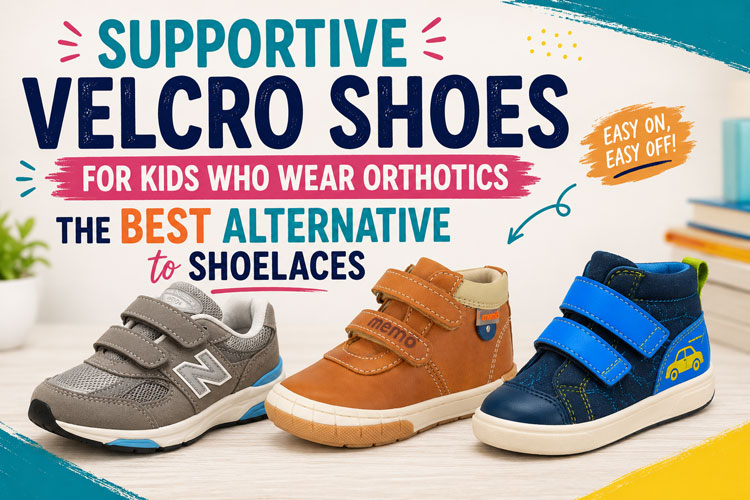
Laces vs. Velcro — while Velcro offers convenience, laces generally help prevent the orthotic from shifting inside the shoe. Laces provide a more secure fit, which helps maintain the orthotic’s position and deliver consistent support throughout the day.
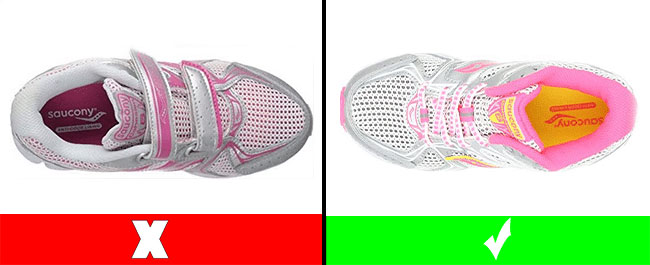
The Importance of Extra Depth
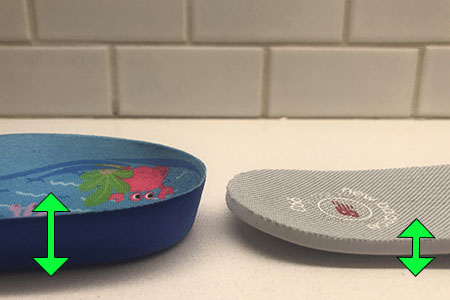
Here’s a real comparison: the same size and width, one shoe with real depth, one without, both with an orthotic inside.

Which Shoe Brands Make Shoes with Removable Insoles?
These brands consistently offer removable insoles and are capable of properly fitting an orthotic: New Balance, Saucony, Stride Rite, Adidas, Reebok, PLAE, IFME, Pediped, See Kai Run, and Merrell.
Not every style from these brands is built to fit an orthotic well — only certain models offer the necessary depth and structure. That’s why I keep a specific list of the styles that actually deliver.
Best Shoes with Removable Insoles for Orthotics
Check the notes under each shoe below to see which orthotic type — 3/4-length, full-length, or a bulkier brace — it fits best. Disclosure: some links below are affiliate links — I may earn a small commission at no extra cost to you if you click and purchase.
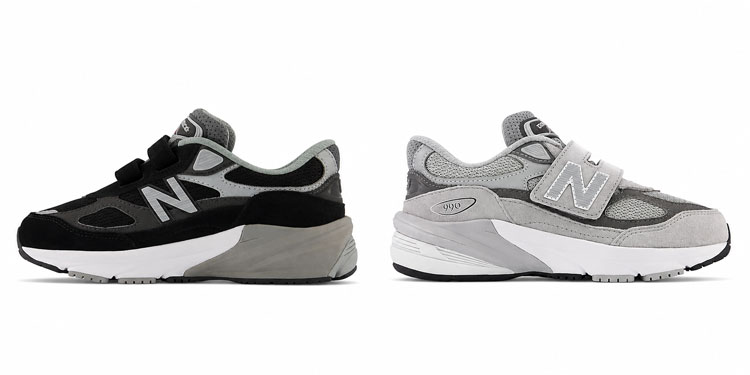
990v6 by New Balance
These shoes with removable insoles for orthotics are praised by parents for their durability, comfort, and support, noting improvements in their children’s posture and gait. The downside that many parents complain about is the high price tag.
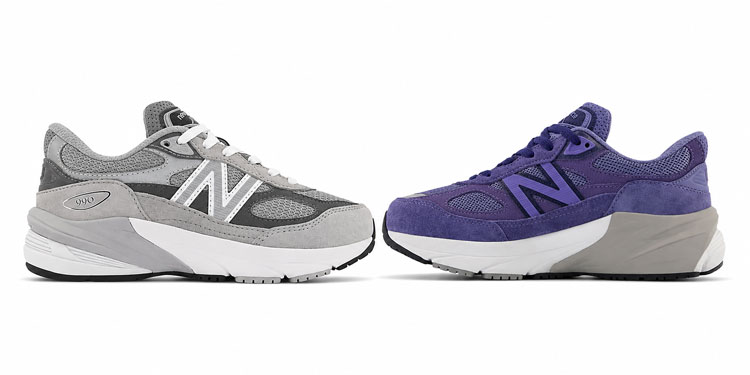
Key Features
- Available for toddlers, little, and big kids
- Order with laces on the New Balance website or Amazon
- Velcro version also available on the New Balance website or Amazon
- Accommodates medium, wide, or extra wide feet
- Works best for: 3/4-length, full-length, SMOs, and select AFOs
- Firm heel counters, stable base of support, and semi-straight lasts
- Ideal for moderate to strong cases of pronation
- Removable insoles
Gabi and Alvin by Memo (Orthopedic Shoe)
These orthopedic shoes with removable insoles are specifically to accommodate orthotics. The higher price point is a common complaint parents have but the investment in orthopedic shoes is often justified by their specialized design and effectiveness in addressing flat feet.
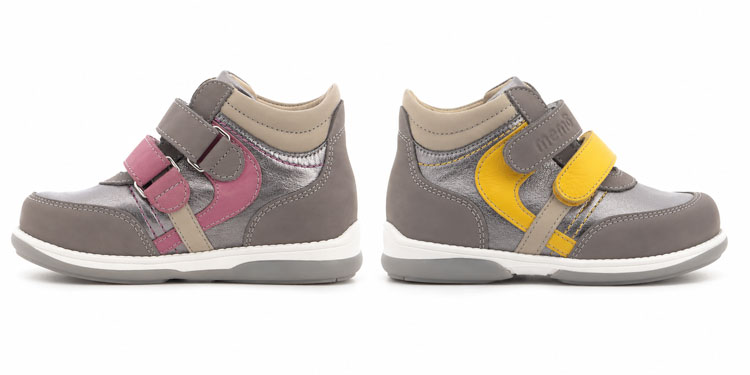
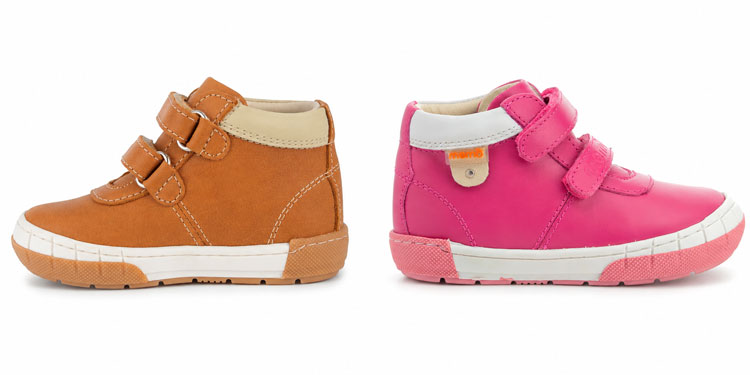
Key Features
- Available for toddlers and little kids
- Order the model Gabi or Alvin on Amazon
- Also available in a Mary Jane style and a version for older kids called Memo Polo
- Accommodates medium and wide feet
- Works best for: 3/4-length, full-length, SMOs, and select AFOs
- Ideal for moderate to strong cases of pronation
- High-top design with stiff heel counters
- Sizing tip: Order a half size larger than your child’s current foot size. Refer to Memo sizing chart
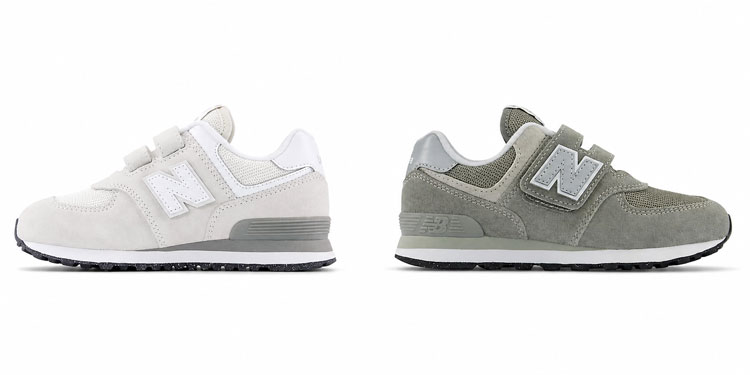
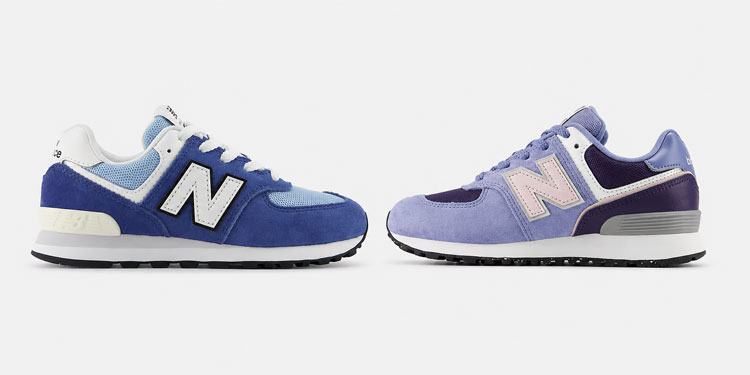
574 by New Balance
These New Balance shoes with removable insoles combine style with functionality and offer solid support and cushioning, making them suitable for kids who wear orthotics. These shoes are offered at a lower price point.
Key Features
- Available for toddlers, little, and big kids
- Order on Amazon or the New Balance website
- Also available with laces on the New Balance website or Amazon
- Accommodates medium, wide, or extra wide feet
- Works best for: 3/4-length and full-length orthotics
- Ideal for mild to moderate cases of pronation
- Firm heel counters
- APMA Seal of Acceptance
Tracks by Timberland
The sturdy design ensures that children can enjoy outdoor activities without compromising on foot stability or comfort, but this style is slightly heavier than my other shoe recommendations.

Key Features
- Available for toddlers and little kids
- Order on Amazon
- Accommodates medium or wide feet
- Works best for: 3/4-length and full-length orthotics
- Ideal for mild to moderate cases of pronation
- High-top design for extra ankle support
- Water-friendly construction
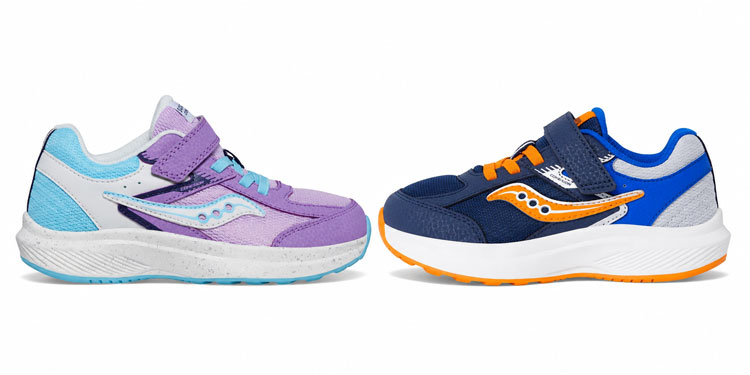
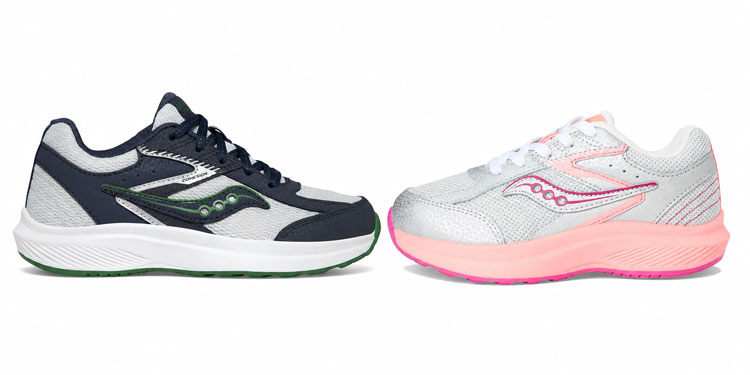
Cohesion by Saucony
These shoes for orthotics offer excellent cushioning and stability. The affordable pricing also makes them accessible to a wide range of families.
Key Features
- Available for little and big kids
- Order on Amazon
- Also available with laces on Amazon
- Accommodates medium or wide feet
- Works best for: 3/4-length and full-length orthotics
- Ideal for mild to moderate cases of pronation
- Firm heel counters and stable base of support
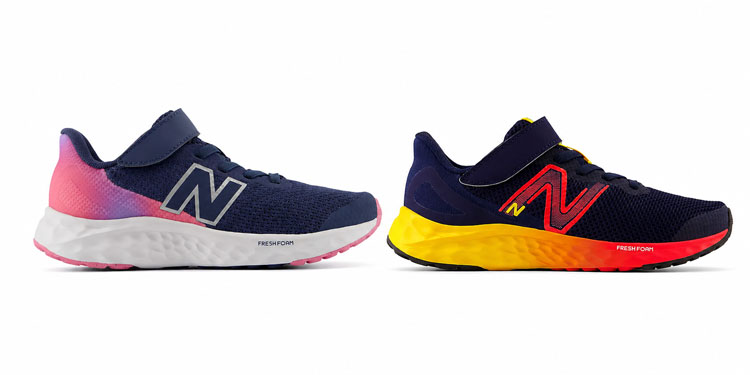
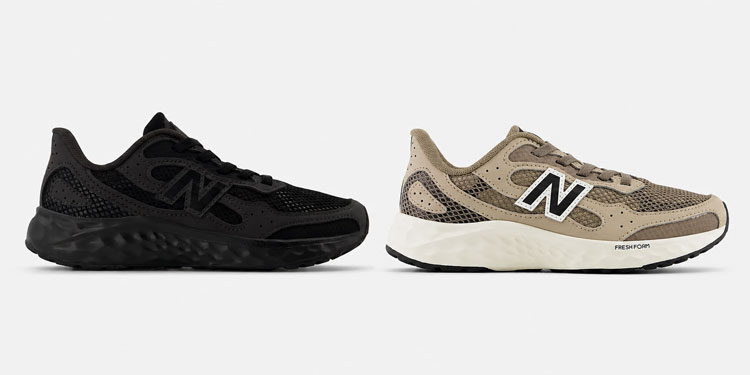
Fresh Foam Arishi v4 by New Balance
This is a versatile shoe that provides a soft and comfortable fit while supporting your child’s orthotics. Families appreciate how this shoe is offered at a very reasonable price.
Key Features
- Available for toddlers, little, and big kids
- Order on the New Balance website or Amazon
- Also available with laces on Amazon or the New Balance website
- Accommodates medium, wide, or extra wide feet
- Works best for: 3/4-length and full-length orthotics
- Ideal for mild to moderate cases of pronation
- Semi-firm heel counters
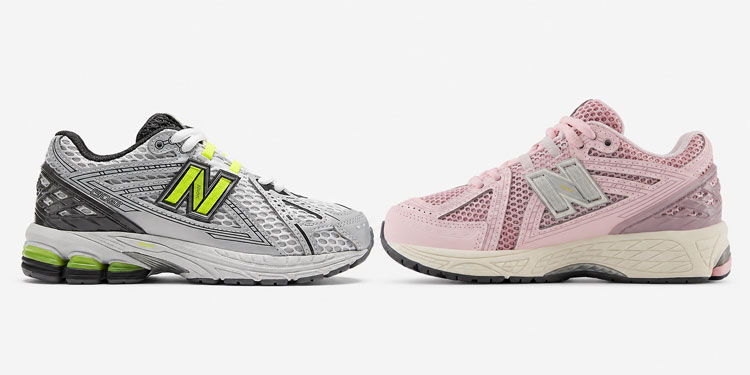
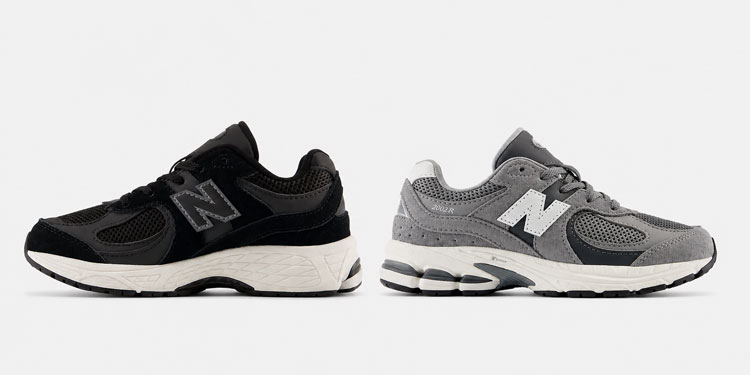
2002/1906 by New Balance
The 2002 model by New Balance is another great option for kids who wear orthotics at a more affordable price point than the 990v6.
Key Features
- Available for toddlers, little, and big kids
- Order the 2002 or 1906 on the New Balance website
- Accommodates medium or wide feet
- Works best for: 3/4-length and full-length orthotics
- Ideal for moderate to strong cases of pronation
- Firm heel counters, stable base of support, and semi-straight lasts
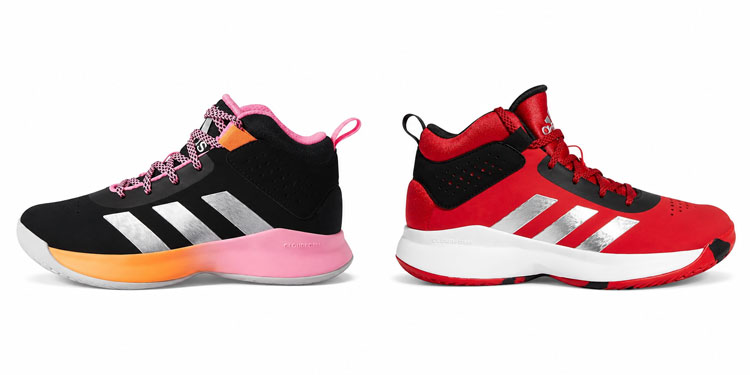
Cross Em Up by Adidas
These high-top shoes with removable insoles provide great support and are suitable for both sports and everyday wear, adding value for parents looking for multi-functional footwear.
Key Features
- Available for little and big kids
- Order on Amazon
- Accommodates medium or wide feet
- Works best for: 3/4-length and full-length orthotics
- Ideal for mild to moderate cases of pronation
- High-top design for additional ankle support
- Versatile — suitable for sports and everyday wear
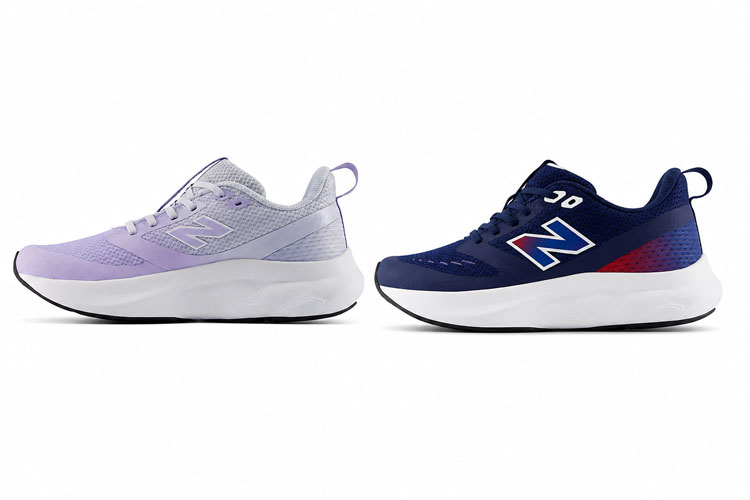
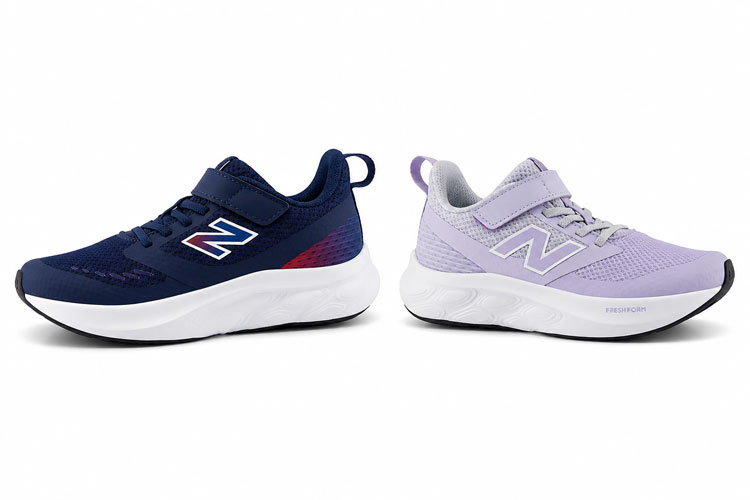
Fresh Foam 650 by New Balance
These New Balance shoes with removable insoles for orthotics feature a wide toe box and plush cushioning, making them perfect for everyday wear. Parents often highlight the shoe’s ability to maintain its shape and support even after prolonged use, underscoring its durability.
Key Features
- Available for toddlers, little, and big kids
- Order on Amazon or the New Balance website
- Also available with laces on Amazon
- Available in medium and wide widths
- Works best for: 3/4-length, full-length, SMOs, and select AFOs
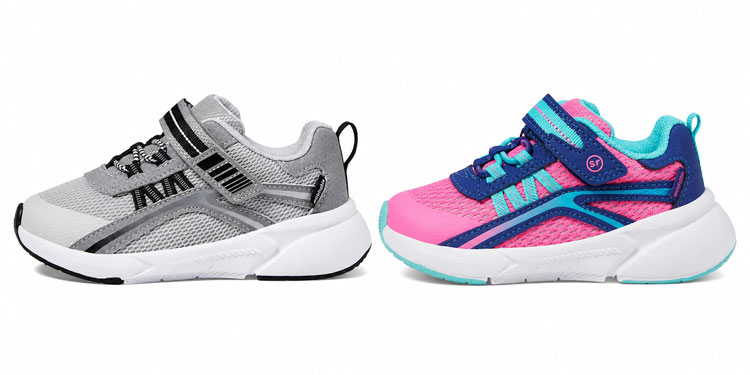
M2P Journey 3.0 Adapt by Stride Rite
These Stride Rite sneakers are part of the Stride Rite adaptable line and come with extra long velcro straps and are available in extra wide widths.
Key Features
- Available for toddlers, little, and big kids
- Order on Amazon
- Accommodates wide or extra wide feet
- Works best for: 3/4-length, full-length, SMOs, and select AFOs
- APMA approved
- Leather upper
- Ideal for mild to moderate cases of pronation
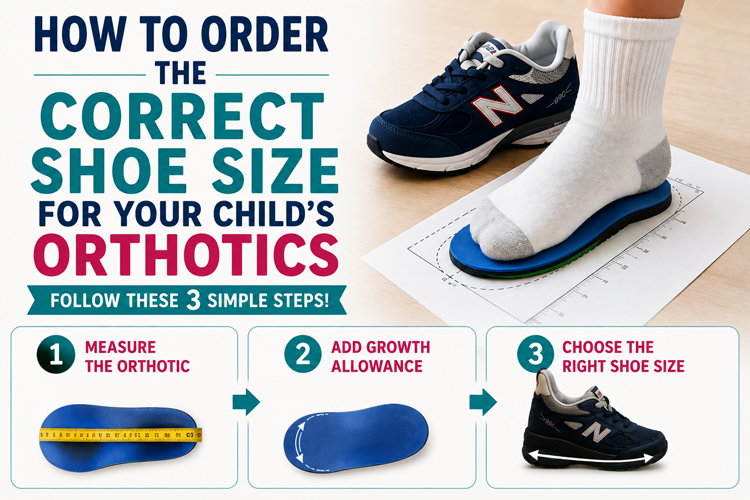
Sizing tip: How much room to add depends on your child’s orthotic type — a half size larger for 3/4-length or full-length orthotics, and up to a full size or more larger for SMOs or AFOs, which take up significantly more space inside the shoe.
If you’ve chosen a laced shoe and your child feels like their foot is slipping out, there’s no need to rush into a smaller size. Try this shoe lacing technique first to reduce heel slippage and create a snugger fit without compromising comfort.
Fitting the Orthotic Inside Your Child’s Shoes
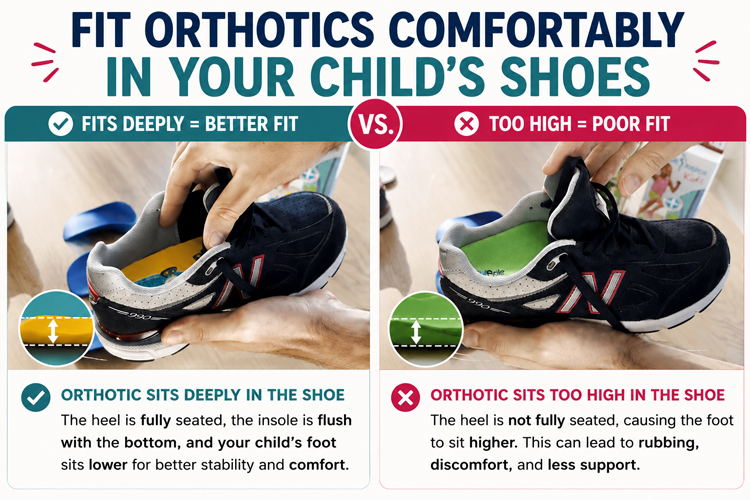
Always remove the original insoles before placing the orthotic. If you leave them in and place the orthotic on top, it raises your child’s foot, creating the uncomfortable sensation that their foot is slipping out of the shoe — leading to real discomfort and instability.
Getting Used to the Orthotic
When children first start wearing an orthotic, it’s completely normal for them to need time to adjust to the new arch and heel support. At first, they might notice a bump under their foot and even complain about it — this is just their foot getting used to the support, so try not to worry. With time, most kids adjust and feel more comfortable.
Is Your Child Wearing the Correct Type of Orthotic?
If you’re unsure which orthotics or inserts are right for your child, I’ve written a detailed post covering the best options for kids dealing with foot and leg pain.
Contact Me for Personalized Recommendations
If you’re in need of personalized shoe recommendations tailored to your child’s foot shape and orthotic type, reach out — I’m happy to help.

Very interesting and I really looking for this type of shoes for my shoe shop. I will be very glad to have further discussion on this and to have these shoes. Kindly contact me on my email.
Kind regards,,
Abulkhair
Hi Abulkhair,
You will have to contact the manufacturer directly if you want to sell these shoes in your shop.
Thanks for this information. My daughter has significant tibial torsion and is getting custom orthotics. I notice that most of the shoes you’re mentioning are great for boys but so not pretty for my daughter! She wants to wear beautiful shoes like her big sister! Any options for even remotely good looking dress shoes? Thanks!
Erika,
I totally get that! The main issue is that when a child requires an orthotic, the shoe must provide great support and structure to get the full benefits of the orthotic. There is a certain shoe style that your daughter might find more appealing and it works great for orthotics since it offer great support and it is also available in wide and extra wide widths. You can find that shoe style here: Saucony Sneakers for Kids – The Best Saucony Shoe Style for Your Child!
If you re looking for a dressy shoe style for your daughter, take a look at this post where I describe the best dress shoes for kids: Girls Dress Shoes – Finding the Perfect Pair to Wear Everyday
I hope this helps!
Is there a shoe with holes/sandals that a toddler with custom orthotics can wear? Or is that no such thing? My 2 yr old has custom orthotics and it is summer here and so hot. I feel bad that he can’t wear sandals or shoes that would keep his feet somewhat cooler in the summer. Anyone have any luck with anything like that?
Keen sandals are the best kind for children who have foot issues and wear orthotics. You won’t be able to put your kids custom orthoics inside the sandals, but Keen sandals come with a built in arch support and are the best sandals for children who wear orthotics. I would allow the child to wear them for 5 hours a day, and then switch to his sneakers for the rest of the day. I wrote a post where I describe the best sandals for children who wear orthotics and you can find it here: Keen Sandals For Children – The Best Summer Sandal
Hey, there!
When my son was 3 (now he is 7) we thought that he tends to have flat feet. We did bring him to doctor and asked about orthopaedic shoes. However, the doctor said that at this age the feet is only forming and we shouldn’t be so worried. He said that an easy way of checking whether or not the feet is flat is to ask him to stretch on his foot toe – if you can see the feet curving, then there is no flat feet and no need for orthopaedic shoes. So for our son we saw the curves.
Arta,
Children can develop an arch up to age 5. I have seen so many children feet, that I can tell if they are flat footed just by looking at them standing. Thank you for sharing!
I just read one of your previous articles, but this one is the one that targets me for my kids. My son has cleats from Nike so I will check if he has removable insoles. His other pair of regular shoes have that but I never thought to remove it because it actually made the fit tight enough for him to keep the insoles in place, which now that I think about it might now be healthy for his foot. I will bookmark this page to look back on. I will remove his insoles and using that reverse laces trick you mentioned. Thanks!
Atar,
I am pretty sure he will love that lacing technique! Let me know how it works out!
Hi, Interesting article and sharing the removable insoles brands. It is useful. Beside this, do you know about treatment for flat feet for children. Now I realize children shoe should have a deeper end and the shoe must bend when your toe bend. It look like New Balance is a reputable brand and I heard long time ago. Thank you for the article.
Wilson,
The treatment is wearing good supportive shoe with a built in arch, If that doesn’t work, or if your child is pronating excessively, a pair of orthotic insoles will be required. Orthotics will help your child walk and run straighter, and reduce or eliminate any type of foot or leg pain they were experiencing.
Hey there, really interesting information 🙂 I know someone who had flat feet in childhood and she used to wear some orthotics in her shoes. The great thing about it is that her problem was totally solved and today she hardly remembers it. So I do recommend this orthotics for children who have flat feet issues.
I really love those tips you gave about how a shoe should be in order to fit an orthotic. For example I had no idea that the shoe should have a deeper end. It’s really good to know 🙂
Ashley,
If treated early, orthotics will be only a temporary solution to your kids foot problems. However, some children have to use orthotics for longer periods of time. The shoe must be supportive in order for your child to get the full benefit of the orthotic. I am glad you have seen the positive impact that orthotics can have in children!
First I want to ask, where do you buy the orthotic insert for the shoes? My son does have flat and wide feet, so I buy New Balance since that brand tends to carry a variety of wide shoes. Can you get the inserts wide as well? If not, do you think they would work?
It depends on what type of orthotic you are looking for, some of them are sold over the counter at sports stores or shoe stores. The kind we sell at the store I work for are from Cascade and Superfeet. The type he might need will depend on whether he is experiencing feet or leg pain. The inserts do come in different widths. New Balance is the brand that makes the widest shoes. With widths available in wide and extra wide, New Balance shoes will fit even the widest feet out there!