
Soccer Socks for Kids – Protect Your Kids’ Feet

As a shoe fitter dedicated to children’s foot health, I’ve seen how the right socks can prevent blisters and boost performance on the field. The right pair of soccer socks acts as a protective layer, keeping your child’s feet in top condition during practices and games. With so many options available, choosing the right socks for your child can be overwhelming. In this guide, I’ll highlight the best soccer socks that offer extra cushioning, padding, and breathability—key features for maximizing comfort and performance.
Why Are Soccer Socks Necessary?
1. Prevent Foot Issues: Blisters are a common problem among young soccer players. Soccer socks with extra padding help reduce friction between the foot and the shoe, minimizing the risk of blisters. This padding acts as a barrier that absorbs the constant rubbing that occurs during play, making it less likely for blisters to form.
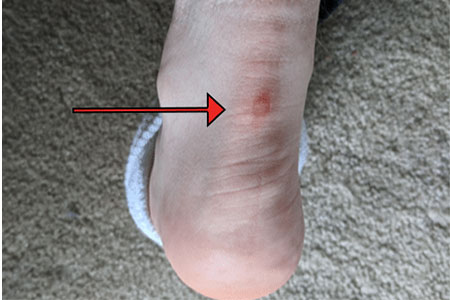
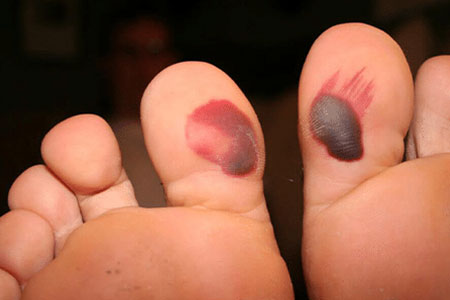
2. Increase Comfort: The right soccer socks offer cushioning in key areas like the heel and ball of the foot, enhancing comfort during long games or practices. This added comfort can help young athletes maintain their focus and energy levels throughout the game.
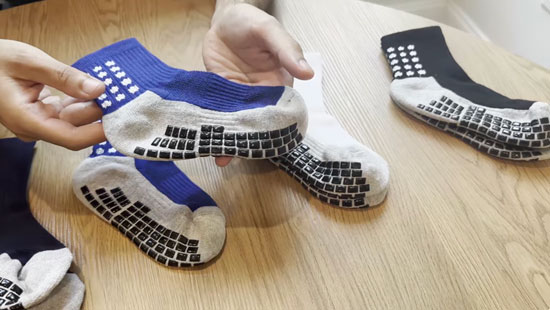
It’s clear that wearing the right soccer socks is essential for your child’s comfort and performance. Soccer puts stress on the body, and proper socks protect vulnerable spots, reducing the risk of blisters and foot problems by providing a secure fit and moisture-wicking properties. Disclosure: We may earn commissions if you click our links and make a purchase.
My Top Sock Recommendations for Kids in 2025
Here are my top picks for soccer socks in 2025 that offer extra cushion, padding, and breathability. These selections are based on their materials, design, and overall performance, making them excellent choices for young athletes.
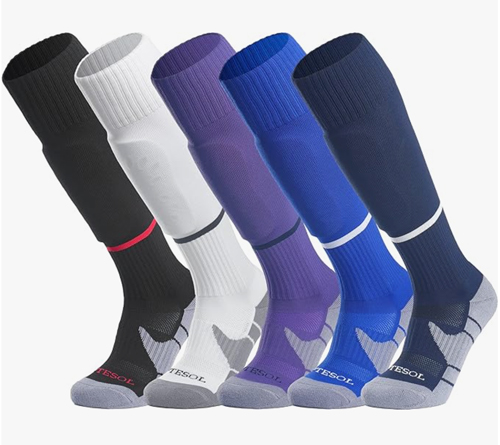
1. Tall Soccer Socks by Aptesol
These tall soccer socks for kids offer a comfortable fit with excellent cushioning and support, designed to keep feet dry and protected during every game.
- Order these socks made by Aptesol on Amazon
- Structured cushioning for added protection in high-impact areas
- Three pairs
- Bottom features sweat-wicking combed cotton fabric to help keep feet dry and comfortable
- 56% Polyester, 27% Combed Cotton, 17% Spandex
- Machine washable
2. Rivalry Soccer Socks by Adidas
These kids’ soccer socks by Adidas provide a secure, comfortable fit with targeted cushioning and moisture-wicking technology, keeping feet dry and supported throughout intense gameplay.
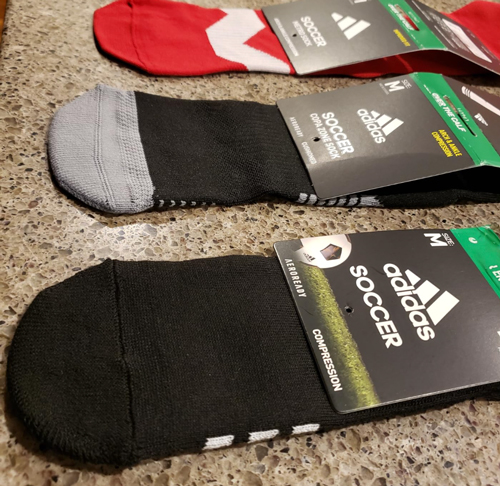
- Order these Rivalry soccer socks made by Adidas on Amazon
- Three pairs
- 80% Acrylic, 17% Polyester, 3% Spandex
- Machine washable
3. Soccer Socks by Marchare
These soccer socks for kids offer a comfortable, breathable fit with extra cushioning to support feet during long matches.
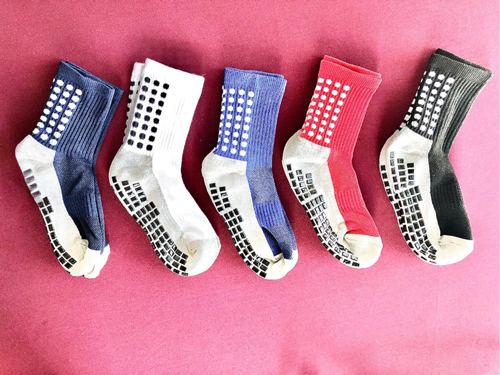
- Order these socks made by Marchare on Amazon
- Five pairs
- Enhanced level of breathability
- Extra padding and cushion below the heels
- Machine washable
4 Winterlace Soccer Socks for Kids
These tall soccer socks for kids are breathable and feature high elasticity allowing for a better fit as well for wearing with shin guards.

- Order these socks made by WinterLace on Amazon
- Six pairs
- Enhanced level of breathability
- Features high elasticity allowing for a better fit as well for wearing with shin guards
- Machine washable
Contact Me with Any Questions
If you have any questions or need personalized advice on finding the right soccer socks for your child, feel free to contact me via email or through the comment section below. I’m here to help ensure your child’s feet are well-protected and comfortable. Whether you’re uncertain about sizing, materials, or brands, I’m happy to provide insights and recommendations tailored to your child’s specific needs.
How to Order the Correct Sock Size?
Determining the right sock size is just as important as choosing the correct shoes. A well-fitted sock can enhance comfort and performance, while an ill-fitted one can lead to discomfort and distraction.
Look at Shoe Size in the Socks Tags
Most soccer socks come with size tags that correspond to shoe sizes. Ensure you check this before purchasing. These tags provide a guideline that helps in selecting the appropriate size, ensuring a snug fit that doesn’t bunch or slide.
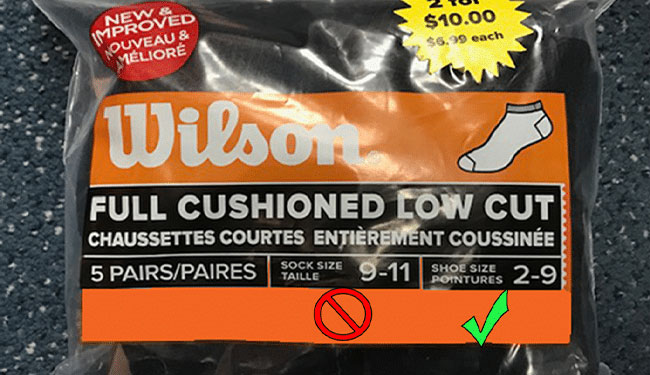
Each child will be comfortable with a different sock length. However, if we are going by rules of thumb, your child should keep the socks at least above their shin guard.
Bonus Resource: What Are the Best Soccer Shoes for Children?
Choosing the right soccer shoes is just as important as selecting the right socks. The shoes should provide adequate support, fit well, and be appropriate for the playing surface. Proper footwear complements the benefits of good socks, working together to protect your child’s feet.
Soccer Socks for Kids – Watch the Video to Learn More!
In the video below, I’ll walk you through the top-rated soccer socks that will keep your child comfortable and blister-free on the field. I’ll also highlight essential features to look for, like moisture-wicking fabric, cushioned soles, and seamless construction to ensure optimal performance and comfort.
What Materials Should Your Kids’ Soccer Socks Be Made Of?
The material of the soccer socks is crucial in determining their effectiveness. The right fabric blend can enhance comfort, durability, and performance, making it essential to choose wisely. Here are some materials to look for:
Cotton socks are durable but lack elasticity and struggle to wick moisture. While cotton absorbs sweat, it leaves moisture against the foot, increasing the risk of blisters. Additionally, they lose shape and offer poor friction control. Despite being affordable, cotton socks are best avoided for soccer.
Wool excels at moisture absorption and keeps feet dry better than cotton, but it can shrink over time. For moisture management and durability without shrinking, synthetic fibers are a better choice for your kids’ socks.
Acrylic is a fantastic material for soccer socks, offering exceptional cushioning, moisture-wicking properties, and excellent friction control. As one of the softer synthetic fibers, it ensures comfort and durability, making it an ideal choice for active kids on the field.
The Importance of Wearing Shin Guards – Protect Your Child’s Legs!
Shin guards are essential for protecting your child’s tibia, fibula, and ankle during soccer. Don’t risk their foot and leg health by skipping this crucial protective gear. On average, shin guards reduce force by 11-17% and strain by 45-51% compared to an unprotected leg.
Most kids start wearing shin guards between ages four and six. At this stage, foam front shin guards or tri-safe guards (foam and plastic) are ideal—they’re softer, flexible, and more comfortable than full plastic guards. As your child gets older and the game gets more competitive, you should invest in full front plastic shin guards, fiberglass or carbon fiber will be the right choice. Even though these are more expensive, they provide additional protection that meets the demand and pace of the game.


I wasn’t aware that there were so many variables in soccer socks for children. I generally pick up whatever brand I see at my local sport good store for my son. However, after reading this article, I will certainly consider the multitude of factors that are important such as moisture, fit, and cushioning. I really appreciate all of the helpful insight so my son can have the best sporting experience possible!
Bimmerguy,
Sometimes we tend to overlook things. Soccer socks, or socks in general, play a key role in keeping children’s feet healthy. They can make all the difference of them feeling comfortable in the shoe, and also keeping his or feet dry. If your child tends to sweat a lot, the type of sock she or he wears can make all the dfference!
My nephew has started few weeks before soccer and I think it will be a good site for my sister to read. I know she has been looking for good soccer socks and I see you provide a review of the best soccer socks for kids.
I didn’t know the importance of the clothing in sport and sometimes we overlook things.
Thanks for sharing and it is really a very interesting article 🙂
Thank you!
Cristina
Cristina,
You came to the right place. I think you sister will find all the answers she was looking for in this post. You are correct that sometimes we can overlook things, and parents are always so busy that is is hard for them to look at every single detail. Soccer socks are important to keep your kids feet healthy. They will also make them feel so much comfortable when playing a game.
Juan—Your page on children’s soccer socks is absolutely the first time I have ever read anything about the importance of socks for soccer players—or even thought about it! Your copy is engaging and provides some very useful, pertinent, practical information for parents who want the best for their children. I was particularly interested in the health benefits of socks that you mention. Your layout is broken up very effectively to allow the reader plenty of options for moving around and exploring. I am glad I found your website! Thank you!
Jonathan,
Socks play a huge role when it comes to comfort and protection of your kids feet. I feel like every parent should know about the benefits and the drawbacks of wearing the right type of soccer sock since it something that not all parents take into consideration.
That’s very interesting. As you say at the beginning of your article, I assumed soccer socks we’re mainly for containing the shin guard.
Can you tell me if the use of acrylic socks is the same for all football codes, eg: rugby. NFL, AFL etc? If not then why not?
What about other sports in general. Surely any sports where you’re running around will benefit from acrylic socks.
Nigel,
You definitely want to use acrylic socks for football, rugby, or any other sport. Acrylic provides great cushioning, excellent friction and moisture management. It is also among the softer synthetics. This material is an excellent choice for any type of child or individual who is involved in sports.
Hi Juan,
So funny my 2 kids just started soccer and I was searching for all of these answers. I had no idea why they needed the shin guards or special socks. I purchased the socks you recommended and they are so happy about it. They told me they like how cushy they feel! Thank you!!!!!
Tara
I am glad that the socks you purchased made a difference. Know you know the importance of wearing the proper equipment when playing soccer and what difference can it make! Let me know if you have any other questions.