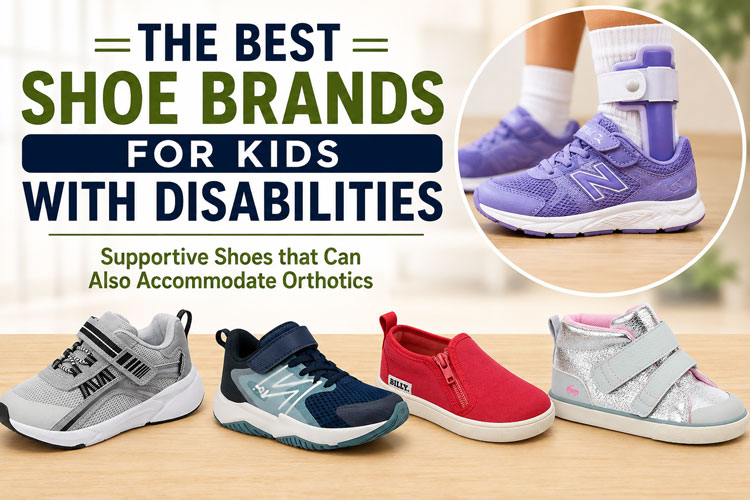
The Best Shoe Brands for Kids with Disabilities
Last updated: August 2026 | By Juan Valenzuela, Certified Children’s Shoe Fitter | Est. reading time: 12 minutes
Finding the right shoes for children with developmental disabilities can be challenging, especially when a child struggles to express discomfort or pain. The right footwear can make a real difference in foot posture, walking gait, and overall stability. As an experienced shoe fitter, I’ve helped many families find shoes suited to their children’s specific needs. In this guide, I’ll walk through the shoe brands I recommend most often, and what makes each one a strong fit.
Common Foot Conditions in Children with Disabilities
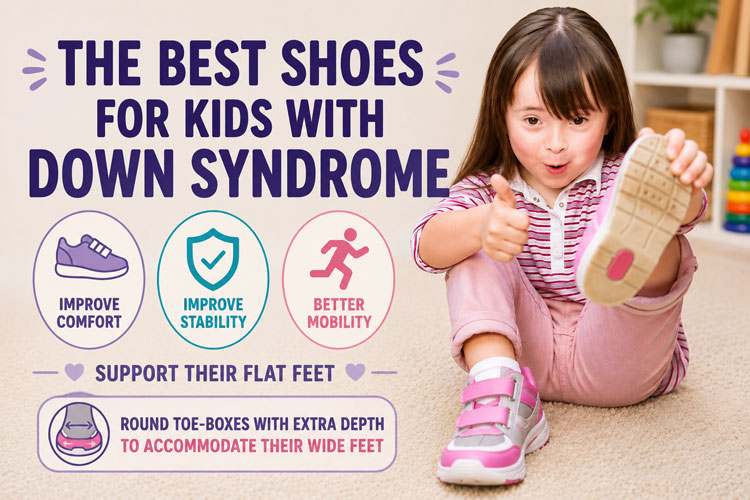
Children with disabilities may experience a range of foot conditions that call for extra attention when choosing shoes — flat feet, toe walking, and overpronation are among the most common. Supportive shoes can make a meaningful difference in managing these conditions and improving overall mobility.
Do Children with Disabilities Need Supportive Shoes?
Supportive shoes play an important role in a child’s foot development and overall posture. They provide a stable base of support, which matters especially for children who struggle with balance or coordination. A supportive shoe can help prevent injuries and support proper alignment throughout the body.
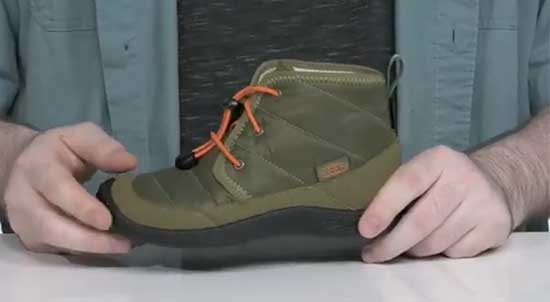
Lightweight, flexible shoes allow for natural movement, while oversized openings make it easier for a child to put shoes on and take them off independently. That independence can be genuinely empowering, building confidence and encouraging a child to engage more freely in physical activity.
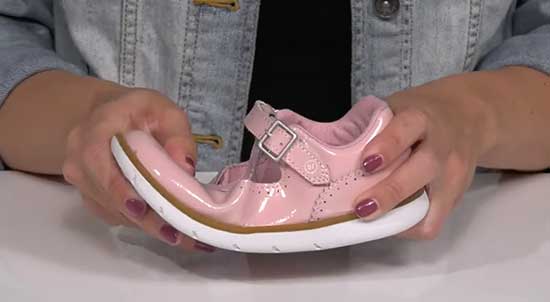
What Makes a Shoe Genuinely Well-Suited for Kids with Disabilities?
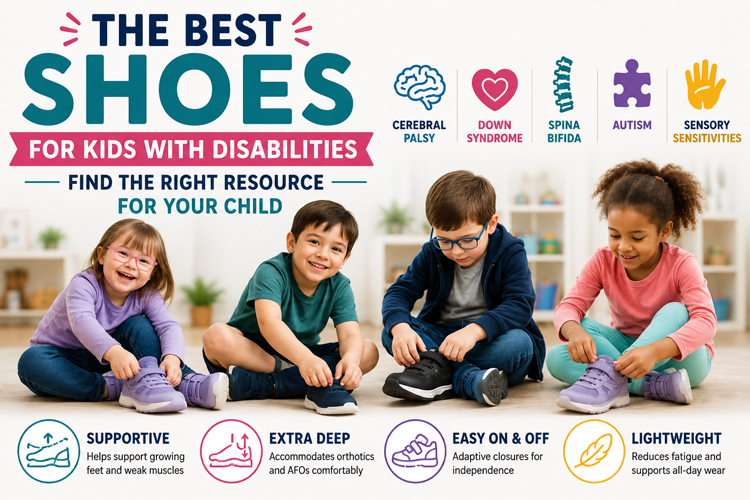
Three features consistently matter most across the shoes I recommend below.
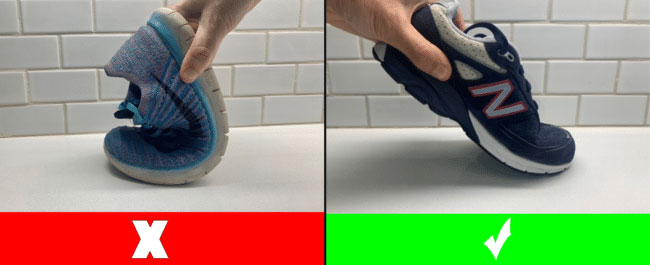
Feature One: Stable Base of Support. A stable base helps maintain balance and reduces the risk of falls — shoes with a firm yet comfortable sole give a child the foundation they need to stay steady on their feet.
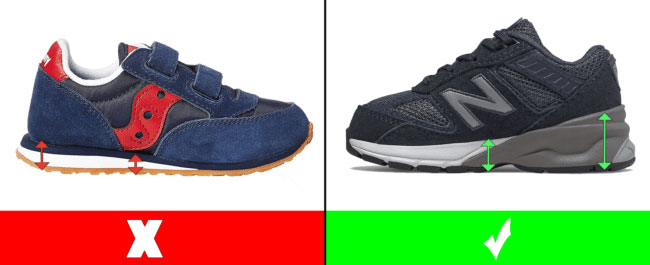
Feature Two: Lightweight and Flexible. Shoes that are too heavy or stiff can genuinely restrict a child’s movement. Lightweight, flexible construction lets a child move naturally, without feeling weighed down during play or exercise.
Feature Three: Oversized Openings. A wide opening makes it much easier for a child to slide their foot into the shoe — particularly valuable for kids with limited dexterity or mobility challenges, or for a parent who needs to help quickly.

Before and After: The Impact of Supportive Shoes
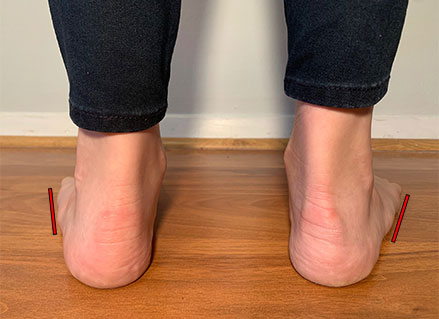
The difference supportive shoes can make is often visible immediately. Children with flat feet or related conditions frequently show real improvements in posture and alignment when they move from standing barefoot to wearing a genuinely supportive shoe.
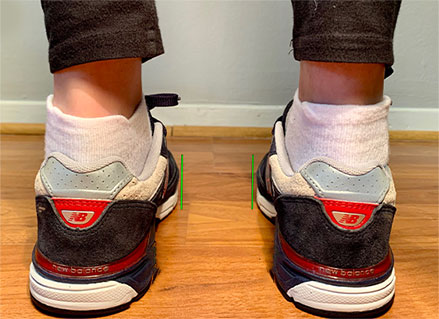
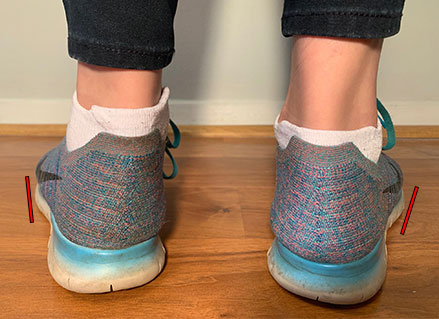
The Best Shoe Brands for Kids with Disabilities
For each brand below, I’ve highlighted the specific styles that provide the strongest support and comfort. Disclosure: this post contains affiliate links, and I may earn a small commission at no extra cost to you.
New Balance
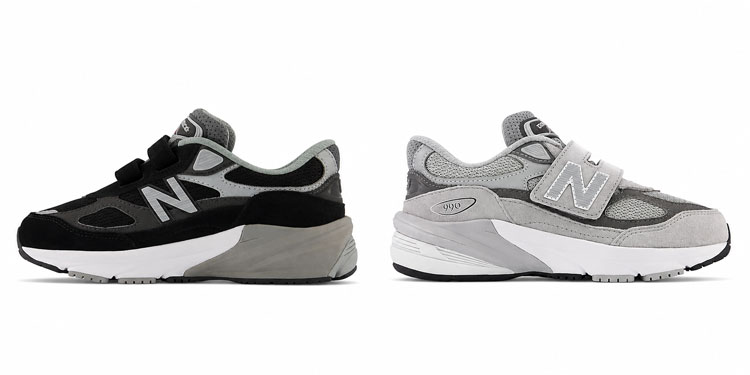
New Balance shoes offer excellent support and come in multiple widths, accommodating a wide range of foot shapes. The 990v6 stands out as the top option, combining stability, lightweight materials, and flexibility — though some families find the higher price a drawback.
Key Features
- Available for toddlers, little, and big kids
- Velcro version also available on the New Balance website or Amazon
- Accommodates medium, wide, or extra wide feet
- Firm heel counters, stable base of support, and semi-straight lasts
- Ideal for moderate to strong cases of pronation
- Removable insoles
- Sizing tip: Order a half size larger than your child’s current foot size
Billy Footwear
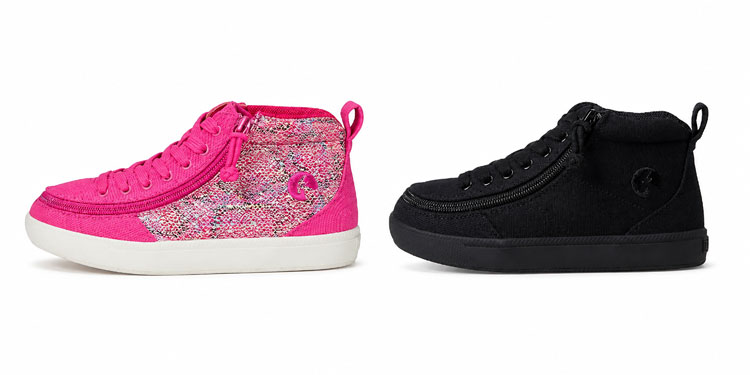
Billy shoes feature side zippers that open the shoe fully, making them ideal for kids who struggle with traditional closures. Stylish, comfortable, and supportive, they’re a strong choice for children with dexterity challenges.
Key Features
- Available for little kids and big kids
- Order on Amazon
- Accommodates wide or extra wide feet
- Leather upper
- Sizing tip: Order a whole size larger than your child’s current foot size
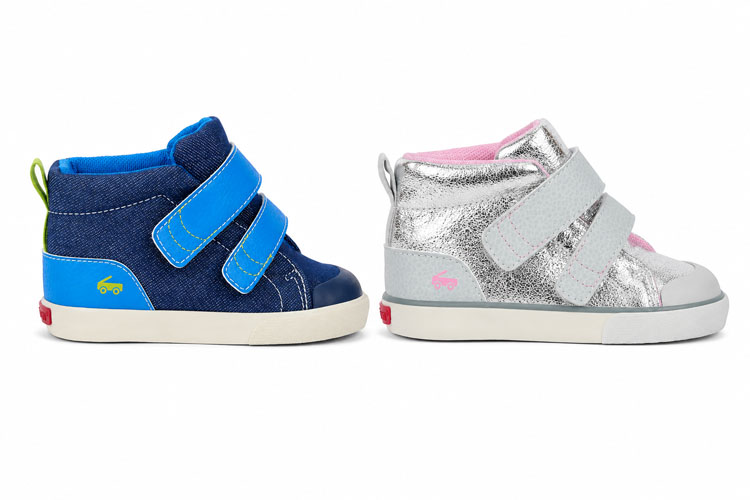
See Kai Run Adaptable Line
See Kai Run’s adaptive shoes are designed for healthy foot development, with flexible soles and oversized openings for easy on-and-off. They strike a good balance between support and flexibility.
Key Features
- Available for toddlers and little kids
- Order on Amazon
- Available for toddlers and little kids
- Not available in wide or extra wide widths but fits naturally wide
- Sizing tip: order a full size larger than your child’s current foot size
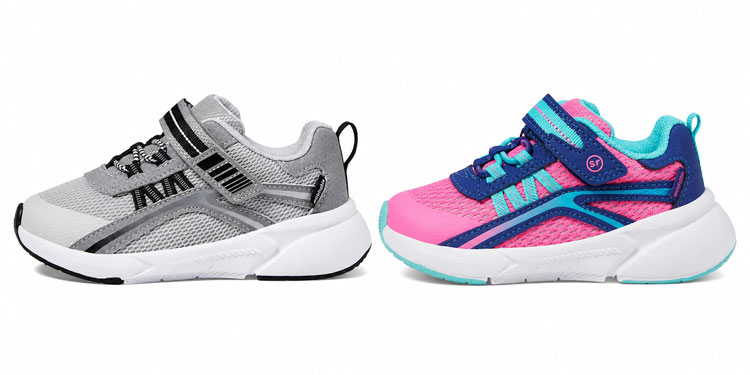
M2P Journey 3.0 Adapt by Stride Rite
Stride Rite’s adaptive shoes for kids provide oversized openings, extra-long Velcro straps, and lightweight construction, making them ideal for children with disabilities. They also come in extra wide widths for a better fit.
Key Features
- Available for toddlers and little kids
- Order on Amazon
- Accommodates wide or extra wide feet
- APMA approved
- Leather upper
- Ideal for mild cases of pronation
- Sizing tip: Order a whole size larger than your child’s current foot size
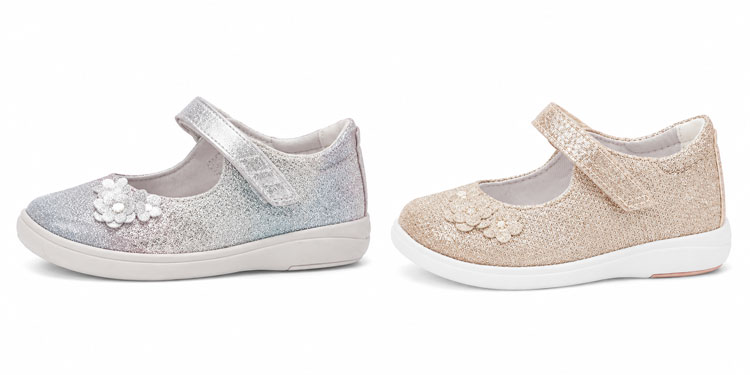
Stride Rite Holly Mary Jane
These Mary Jane shoes combine a dressy look with genuinely practical support — a rare combination in this style. The extra wide fit and wide toe box give growing toes room to splay naturally, while a secure strap keeps the shoe firmly in place through a full day of play.
Key Features
- Available for toddlers, little kids, and big kids
- Order on Amazon
- Accommodates wide or extra wide feet
- Awarded the Seal of Acceptance from the American Podiatric Medical Association (APMA)
- Padded tongue and collar for added comfort
- Supreme comfort care of Ortholite memory foam footbeds
- Sizing tip: Order a whole size larger than your child’s current foot size
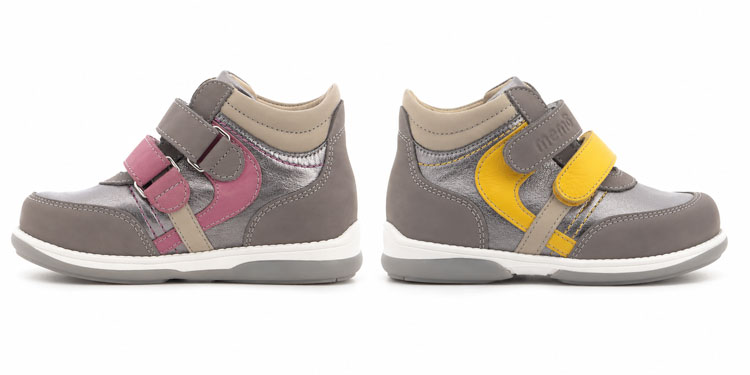
Gabi and Alvin by Memo
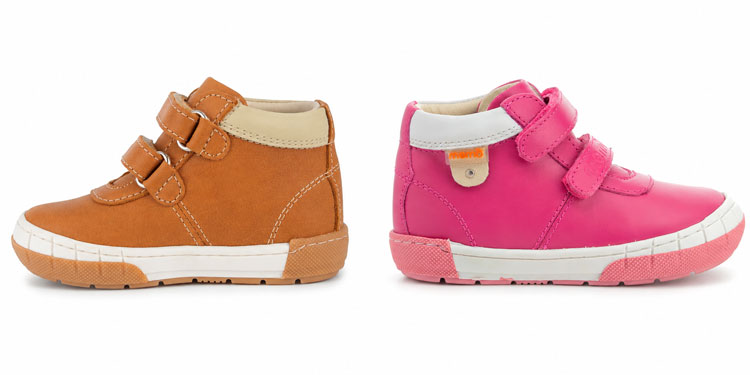
Memo’s orthopedic shoes offer excellent support, stability, and flexibility. Built for children with disabilities and specific foot conditions, they provide the structure needed for healthy foot development and lasting comfort.
Key Features
- Available for toddlers and little kids
- Order the model Gabi or Alvin on Amazon
- Accommodates medium and wide feet
- Ideal for moderate to strong cases of pronation
- High-top design with stiff heel counters
- Sizing tip: Order a half size larger than your child’s current foot size. Refer to Memo sizing chart
Polo by Memo
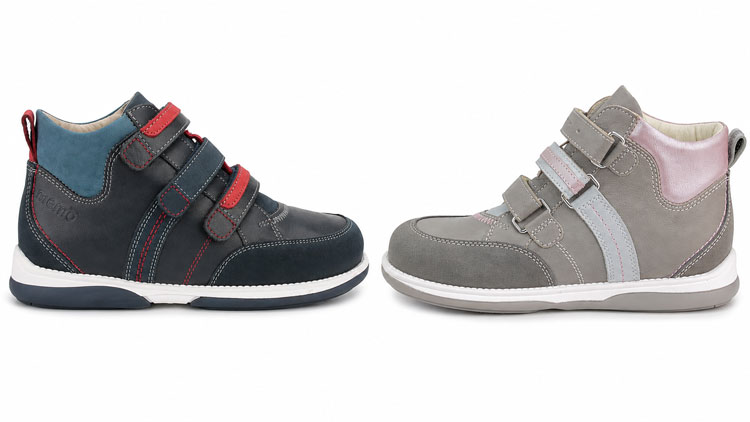
These high-quality orthopedic Thomas heel shoes are built to support children managing foot conditions like flat feet, knock knees, or toe walking. A unique structural design helps guide the foot toward a proper gait, encouraging natural heel-to-toe movement with every step.
Key Features
- Available for toddlers and little kids
- Order on Amazon
- Fits medium and wide feet
- Thermoplastic asymmetric stiff heel counter for proper feet protection and stabilization
- Sizing tip: order half a size larger than your child’s current foot size
If your child wears orthotics or AFOs, remove the original insoles before inserting them, and check for any irritation during the break-in period to make sure the fit is comfortable and correct.
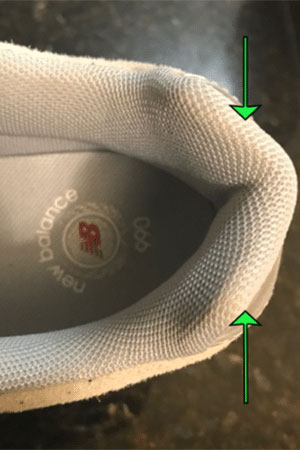
A Feature Worth Highlighting: Extra Heel Padding
One feature worth calling out separately: added padding around the heel area. This extra cushioning helps prevent blisters and adds real comfort, giving your child a smoother fit with every step.
Does Your Child Need Orthotics with Supportive Shoes?
Most children with disabilities benefit from AFOs or another type of orthotic worn inside their shoes for extra support and stability. Whether your child needs orthotics alongside supportive shoes depends on their specific condition and its severity — this is a conversation worth having directly with their pediatrician, orthopedist, or physical therapist.
Be Proactive — Don’t Take a “Wait and See” Approach
Many parents don’t realize that ill-fitting shoes can contribute to long-term foot and posture issues. I always encourage a proactive approach rather than waiting to see if a problem resolves on its own — ignoring a foot condition generally allows it to worsen over time, while addressing it early can make a real difference in your child’s long-term foot health.
Contact Me for Specific Shoe Recommendations
Every child is unique, and what works well for one may not work as well for another — personalized recommendations make a real difference. For specific suggestions tailored to your child’s needs, feel free to contact me by email. My goal is to give parents the information and resources they need to make confident, informed decisions about their child’s footwear.
How to Order the Correct Shoe Size Online
Many parents worry about ordering the right shoe size online. That’s why I created a free virtual shoe fitting service to help you measure your child’s feet from home. It will help determine whether your child has narrow, medium, wide, or extra wide feet, and whether they have a high instep — so you can order with real confidence in the fit.
Frequently Asked Questions
Billy Footwear’s side-zipper design is usually the easiest option for kids who struggle with traditional closures, since the shoe opens almost completely flat. See Kai Run’s and Stride Rite’s adaptable lines are also strong choices, both built around oversized openings and extra-long straps specifically for this reason.
Most do, but check the specific style rather than assuming the whole brand line accommodates AFOs. Some of the shoe recommendations have extra-long straps that can be cut and customized specifically for AFOs, while other styles across these brands offer general extra depth without that same level of customization.
Yes, this is common. Children with certain disabilities may have different growth patterns, need extra room for orthotics or AFOs, or simply need a wider or deeper shoe than their “typical” size would suggest. This is exactly why I recommend ordering a half to full size larger across most of these brands, and why a proper measurement matters more than going by age or a general size chart.
Press on the heel counter — it should feel firm and resist collapsing under moderate pressure. Also check the base: a stable, not-too-flexible sole is what actually keeps a child steady, regardless of how the shoe is marketed. The features section above walks through exactly what to look for.