Best Shoes for Kids with Misaligned Heels (Heel Eversion) – Improve Stability and Foot Posture
By Juan Valenzuela | Certified Children’s Shoe Fitter with 10+ Years of Experience
If your child’s heels tilt inward or outward when they stand and walk, you’re dealing with heel misalignment — and the right shoes can make a more dramatic difference than most parents expect. This guide explains exactly what misaligned heels are, why they matter, what to look for in a shoe, and which specific styles work best for children with this condition.
What Are Misaligned Heels?
Heel misalignment — also called heel eversion or valgus heel — occurs when the heel bone doesn’t sit straight up from the ground. Instead of pointing vertically, the heel tilts inward (most commonly) or outward, throwing off the entire alignment of the foot, ankle, knee, and hip.
The most common presentation in children is the heel tilting inward as part of overpronation: the arch collapses, the ankle rolls in, and the heel follows. When you look at a child with misaligned heels from behind, you’ll see the ankle bones dipping toward each other and the heel bone angled rather than vertical.
This isn’t just a cosmetic issue. When the heel is misaligned, every step the child takes sends force through a chain that isn’t properly stacked — and over time, that adds up.
Why It Matters: What Misaligned Heels Can Cause
Left unaddressed during the key developmental years, heel misalignment can contribute to a range of problems:
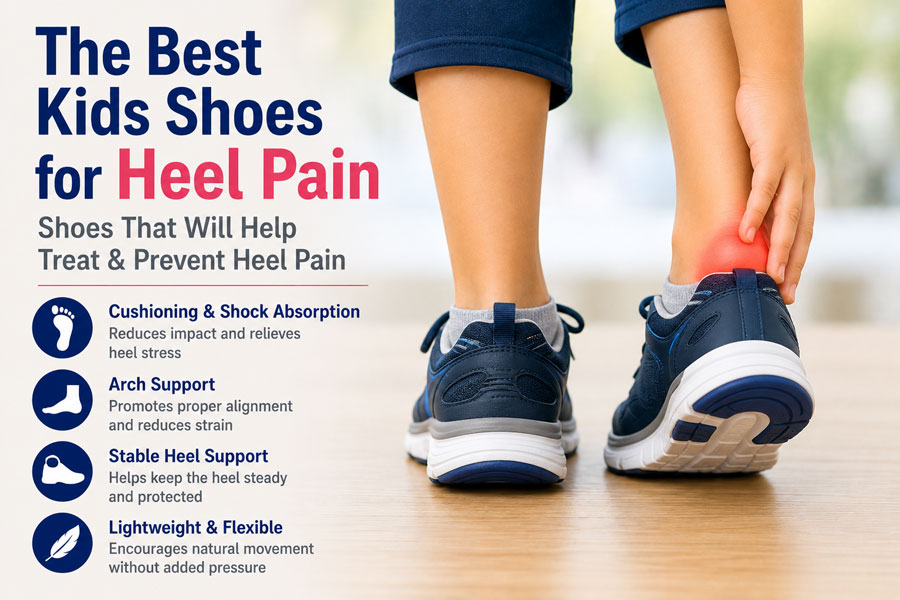
- Heel pain and chronic fatigue in the feet and legs
- Calluses from uneven weight distribution
- Bunions from prolonged inward pressure at the big toe joint
- Hammer toes from gait compensation
- Knee pain from the inward torque created by a collapsed ankle
- Postural issues in the hips and lower back
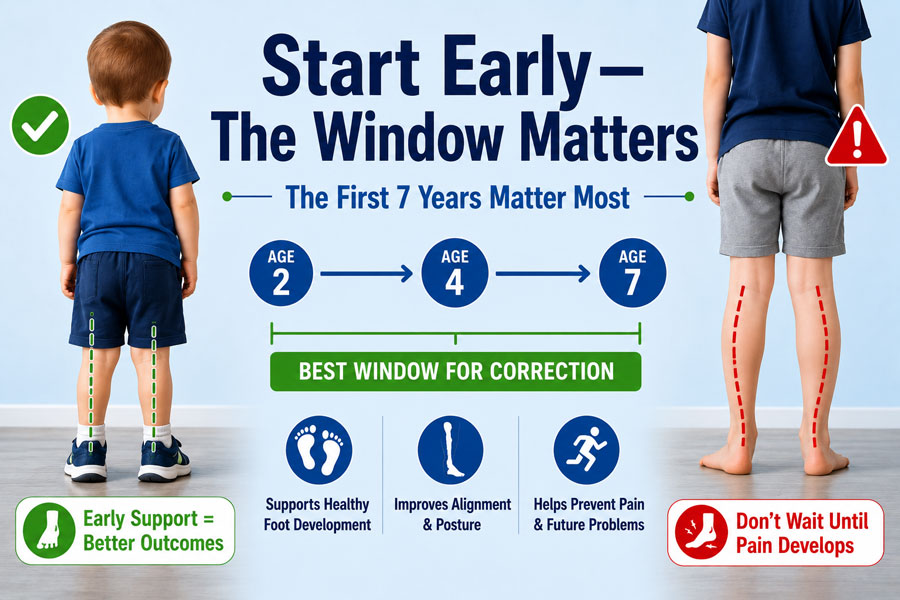
The first seven years of a child’s life are the most important window for intervention. Bones, ligaments, and muscles are still forming and respond well to the guidance that supportive footwear provides. Waiting to see if a child “grows out of it” — especially past age five — risks missing the period where correction is most achievable.
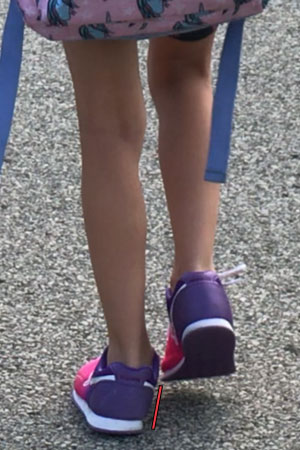
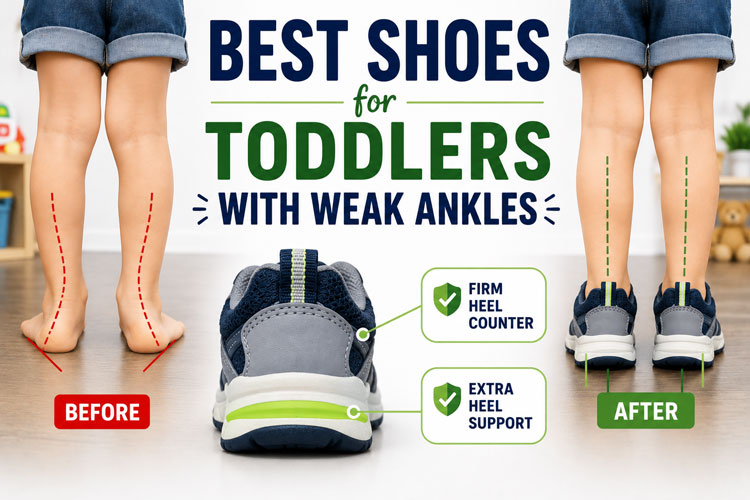
Before and After: What the Right Shoe Actually Does
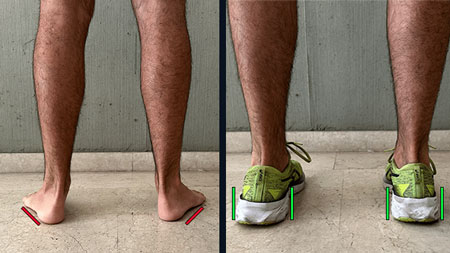
The visual difference between a child standing barefoot with misaligned heels and the same child in a pair of supportive shoes is often striking — and it happens immediately.
Barefoot, you’ll see the heel bone tilting outward at the base, the ankle rolling inward, and the midfoot collapsing toward the floor.
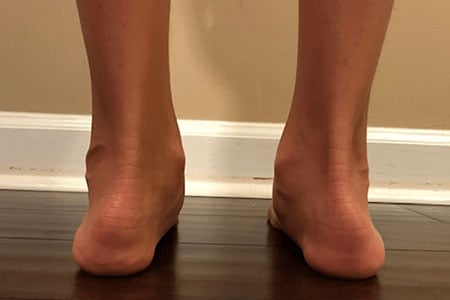
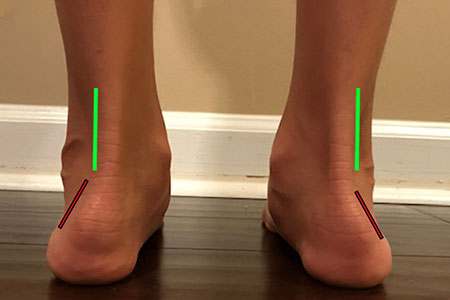
In a well-fitted supportive shoe, the heel counter cups the heel bone and holds it upright. The ankle straightens, the arch is partially lifted, and the overall posture of the foot — and the leg above it — improves noticeably.
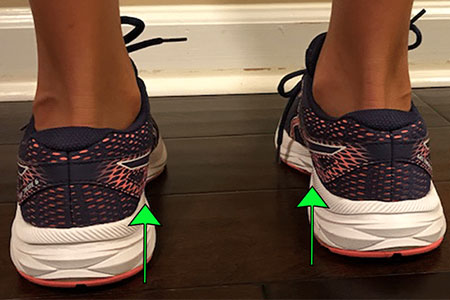
It’s worth emphasizing: the shoes in that after image are not orthopedic shoes. They are everyday supportive sneakers. The right shoe, worn consistently, is often all that’s needed — especially when caught early.
What to Look for in a Shoe for Misaligned Heels
Not all supportive-sounding shoes are built equally. Two features matter most for heel misalignment specifically:
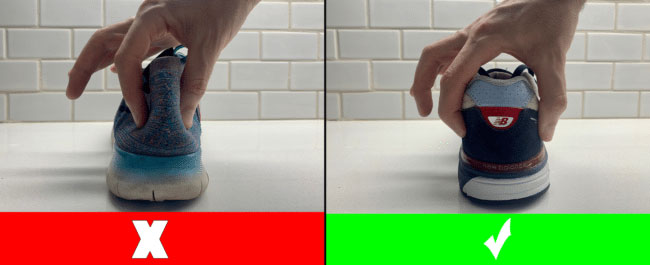
1. Firm Heel Counters. The heel counter is the rigid cup at the back of the shoe that surrounds the heel. For a child with misaligned heels, this is the single most important feature in the entire shoe. A firm heel counter physically holds the heel bone in a more vertical position with every step, counteracting the inward or outward tilt.
How to test it: Squeeze the back of the shoe firmly on both sides. If it collapses easily under moderate pressure, it won’t hold your child’s heel in place during walking and running. You want it to resist and spring back. A shoe that fails this test is not appropriate for a child with heel misalignment, regardless of how it looks or what it costs.
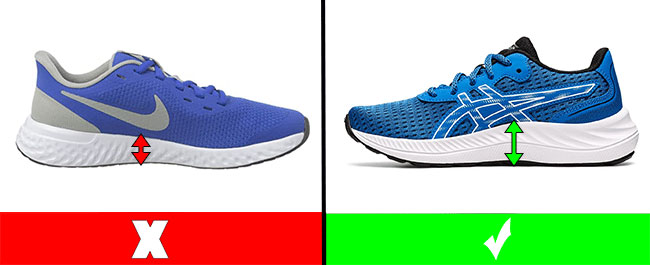
2. Substantial Outsoles. The outsole is the bottom of the shoe. A wide, dense outsole creates a stable platform that distributes weight more evenly across the foot and reduces the lateral rolling that drives heel misalignment. Thin, flexible outsoles — common in fashion sneakers and many casual shoes — allow the foot to roll freely and offer no corrective benefit.
When you look at the bottom of a well-made supportive shoe versus a fashion sneaker side by side, the difference in material density and base width is immediately obvious.
The Best Shoes for Kids with Misaligned Heels
Every shoe below has been selected based on hands-on fitting experience. The key criterion for inclusion is a heel counter that genuinely holds the heel upright under pressure — not just the label “supportive.” All shoes accommodate different foot widths; check the notes under each style.
Disclosure: Some links in this article are affiliate links. Any commission earned comes at no extra cost to you and helps keep this resource free.
1. Shoe Style 990v6 by New Balance
Best for: Toddlers through big kids | All degrees of heel misalignment | Medium, Wide, and Extra Wide feet
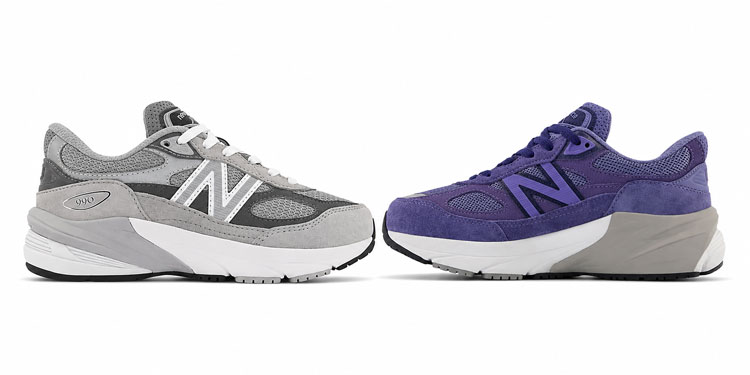
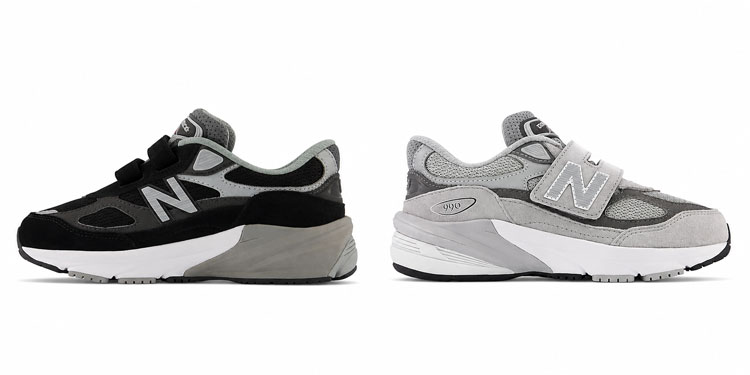
This is my top recommendation for children with misaligned heels, and it’s not a close race. The 990v6’s heel counter is among the firmest available in a mainstream children’s athletic shoe — it holds the heel in a way that most other shoes simply don’t. The midsole is dense enough to resist lateral compression, and the outsole provides a stable, wide base. The results are consistently impressive across the children I’ve fitted in this shoe.
The price is the main objection, and it’s a fair one. But for children with meaningful heel misalignment, this is the shoe I’d invest in first.
Key Features
- Available for toddlers, little, and big kids
- Order with laces on the New Balance website or Amazon
- Velcro version also available on the New Balance website or Amazon
- Accommodates medium, wide, or extra wide feet
- Firm heel counters, stable base of support, and semi-straight lasts
- Ideal for moderate to strong cases of pronation
- Removable insoles
- Sizing tip: Order a half size larger than your child’s current foot size
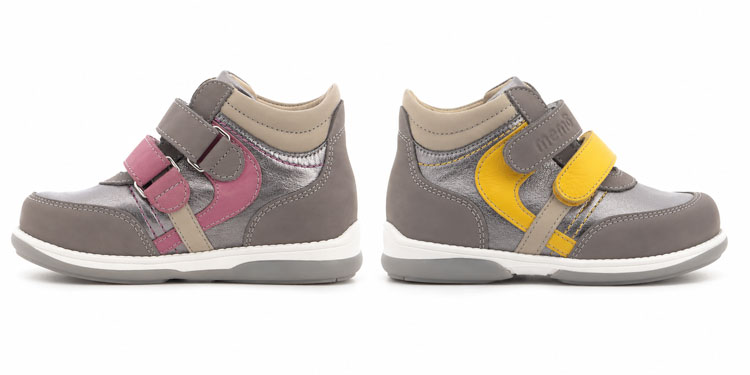
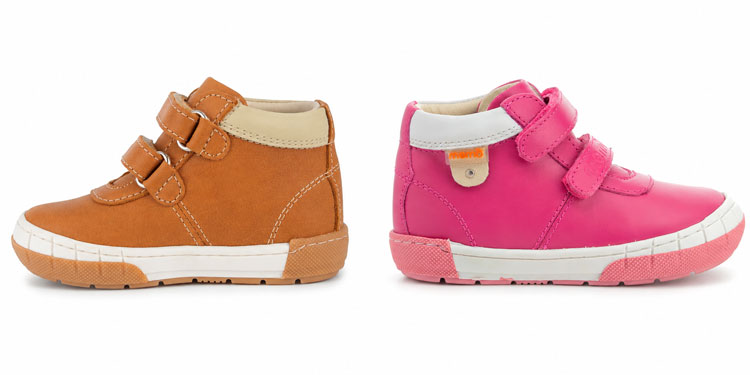
2. Shoe Style Gabi and Alvin by Memo (Orthopedic Shoe)
Best for: Toddlers and little kids | Moderate to significant heel misalignment | Medium and wide feet
The Memo Gabi is purpose-built as a corrective orthopedic shoe for children with flat feet and heel alignment issues. The combination of a reinforced heel counter, rigid outsole, and double velcro strap system delivers a level of structural correction that standard athletic shoes can’t fully replicate.
This is the shoe to consider when supportive sneakers haven’t been sufficient, or when a physical therapist has recommended orthopedic footwear specifically.
Key Features
- Available for toddlers and little kids
- Order the model Gabi or Alvin on Amazon
- Also available in a Mary Jane style and a version for older kids called Memo Polo
- Accommodates medium and wide feet
- Ideal for moderate to strong cases of pronation
- High-top design with stiff heel counters
- Sizing tip: Order a half size larger than your child’s current foot size. Refer to Memo sizing chart
3. Shoe Style Elliott by Stride Rite
Best for: Toddlers only | Heel misalignment | Medium, Wide, and Extra Wide feet
For toddlers, ankle coverage adds an important layer of support that a low-cut shoe can’t provide. The Elliott’s high-top bootie design wraps the ankle, reducing lateral movement and reinforcing the heel counter’s corrective effect. It’s one of the most effective toddler options for heel alignment, and it’s priced accessibly.

Key Features
- Available for toddlers
- Order on Amazon
- Accommodates medium, wide, or extra wide feet
- Ideal for mild to moderate cases of pronation
- 100% leather construction
- High-top design provides extra ankle support
- APMA Seal of Acceptance
- Sizing tip: Order a whole size larger than your child’s current foot size
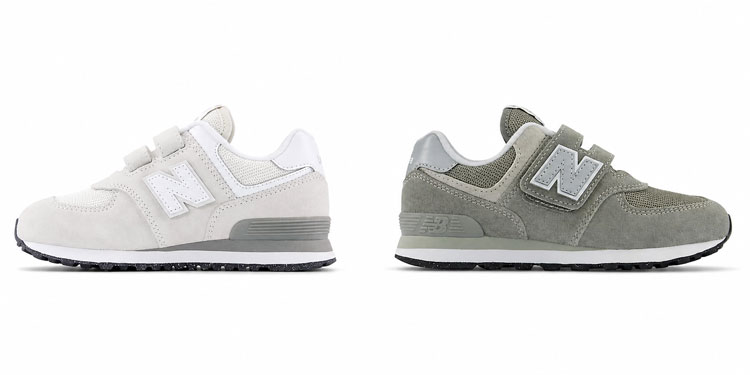
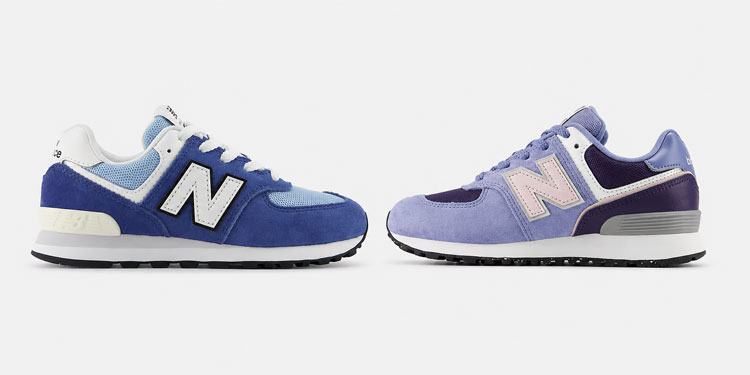
4. Shoe style 574 by New Balance
Best for: Toddlers through big kids | Mild to moderate heel misalignment | Medium, Wide, and Extra Wide feet
The 574 delivers reliable support at a lower price point than the 990v6. The heel counter is firm, the midsole provides good structure, and the wide width options make it a practical choice for children with broader feet. For families who need a capable everyday shoe without the premium price, this is the first alternative to the 990v6 I’d suggest.
Key Features
- Available for toddlers, little, and big kids
- Order on Amazon or the New Balance website
- Also available with laces on the New Balance website or Amazon
- Accommodates medium, wide, or extra wide feet
- Ideal for mild to moderate cases of pronation
- Firm heel counters
- APMA Seal of Acceptance
- Sizing tip: Order a half size larger than your child’s current foot size
5. Shoe Style Tracks by Timberland
Best for: Toddlers and little kids | Heel misalignment | Medium and wide feet
The Tracks offers rugged, water-friendly construction and a high-top design that adds meaningful ankle support. For children who spend time outdoors, on uneven terrain, or in wet weather, this is the most practical choice on the list. The high-top height helps stabilize the heel on surfaces where lower shoes struggle.
The trade-off is weight — it’s heavier than all other shoes on this list, which may be a factor for very young walkers.

Key Features
- Available for toddlers and little kids
- Order on Amazon
- Accommodates medium or wide feet
- Ideal for mild to moderate cases of pronation
- High-top design for extra ankle support
- Water-friendly construction
- Sizing tip: Order a whole size larger than your child’s current foot size
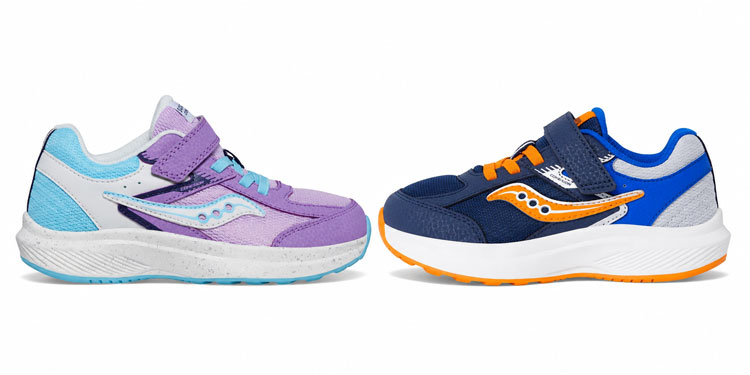
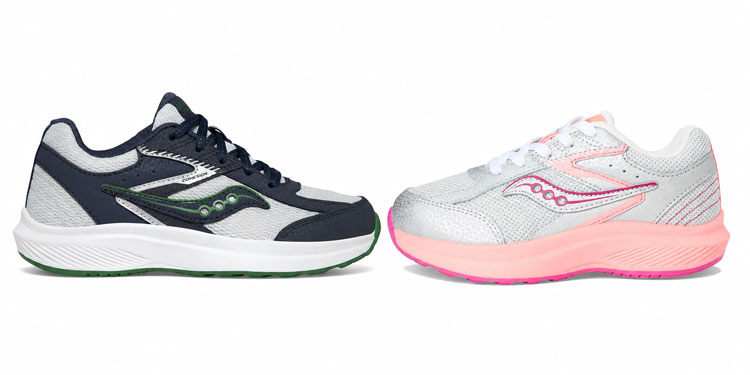
6. Shoe Style Cohesion by Saucony
Best for: Little and big kids | Mild to moderate heel misalignment | Medium and wide feet
The Cohesion punches well above its price point. The heel counter is appropriately firm, the cushioning is solid, and it’s available in both Velcro and lace versions. For families managing tighter budgets, or as a secondary pair for school, this is the strongest budget option on the list.
Key Features
- Available for little and big kids
- Order on Amazon
- Also available with laces on Amazon
- Accommodates medium or wide feet
- Ideal for mild to moderate cases of pronation
- Firm heel counters and stable base of support
- Sizing tip: Order a whole size larger than your child’s current foot size
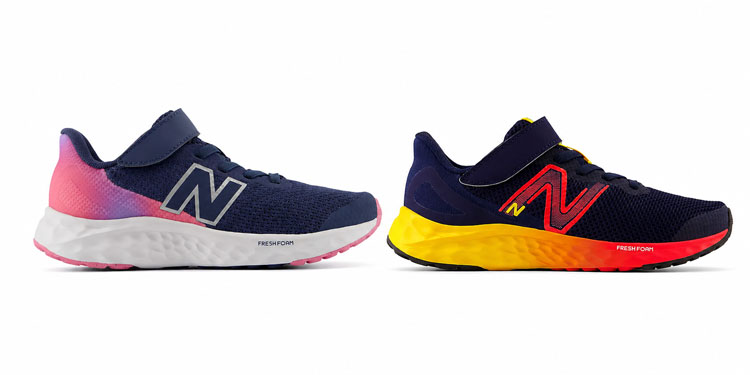
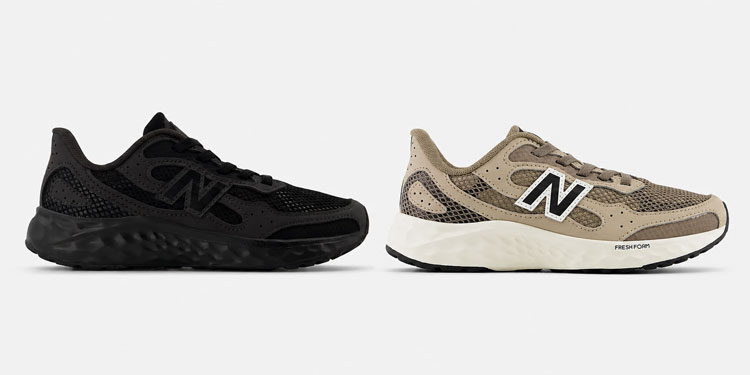
7. Shoe Style Fresh Foam Arishi v4 by New Balance
Best for: Toddlers through big kids | Mild to moderate heel misalignment | Medium, Wide, and Extra Wide feet
Children with sensory sensitivities often resist the firmer feel of structural shoes. The Arishi v4’s Fresh Foam cushioning provides a noticeably softer ride while still maintaining enough structure to support the heel and arch. A shoe worn consistently every day outperforms a better shoe worn reluctantly — and this is the shoe that gets worn.
Key Features
- Available for toddlers, little, and big kids
- Order on the New Balance website or Amazon
- Also available with laces on Amazon or the New Balance website
- Accommodates medium, wide, or extra wide feet
- Ideal for mild to moderate cases of pronation
- Semi-firm heel counters
- Sizing tip: Order a whole size larger than your child’s current foot size
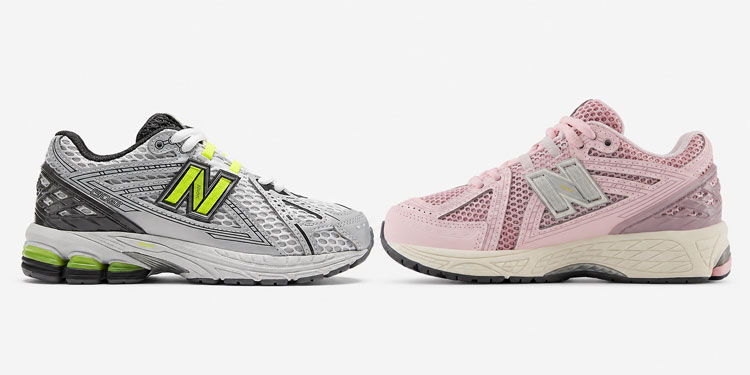
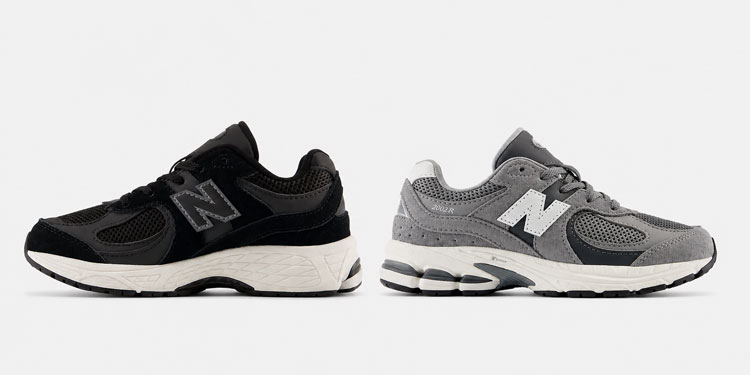
8. Shoe Style 2002/1906 by New Balance
Best for: Toddlers through big kids | Moderate heel misalignment | Medium and wide feet
The 2002 sits between the Arishi and the 990v6 in both price and structural support. It’s a strong all-round pick for families who want New Balance’s quality construction without paying the 990v6 premium.
Key Features
- Available for toddlers, little, and big kids
- Order the 2002 or 1906 on the New Balance website
- Accommodates medium or wide feet
- Ideal for moderate to strong cases of pronation
- Firm heel counters, stable base of support, and semi-straight lasts
- Sizing tip: Order a whole size larger than your child’s current foot size
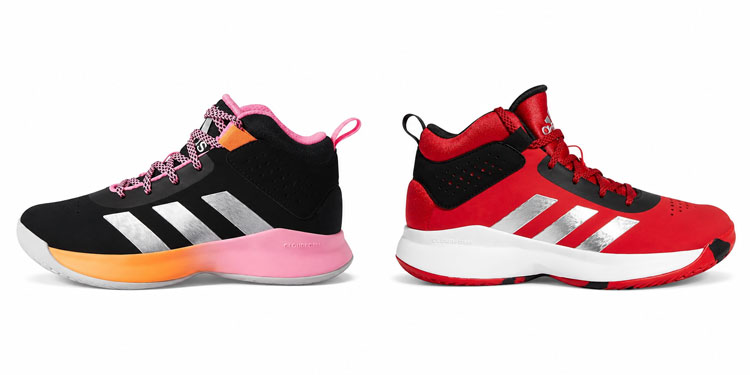
9. Shoe Style Cross Em Up by Adidas
Best for: Little and big kids | Heel misalignment | Medium and wide feet
The basketball-inspired high-top design delivers excellent ankle support and lateral stability — both highly relevant for children whose heels roll inward during dynamic movement. It’s built to handle the stress of active play and court sports while providing meaningful structural support.
Key Features
- Available for little and big kids
- Order on Amazon
- Accommodates medium or wide feet
- Ideal for mild to moderate cases of pronation
- High-top design for additional ankle support
- Versatile — suitable for sports and everyday wear
- Sizing tip: Order a whole size larger than your child’s current foot size
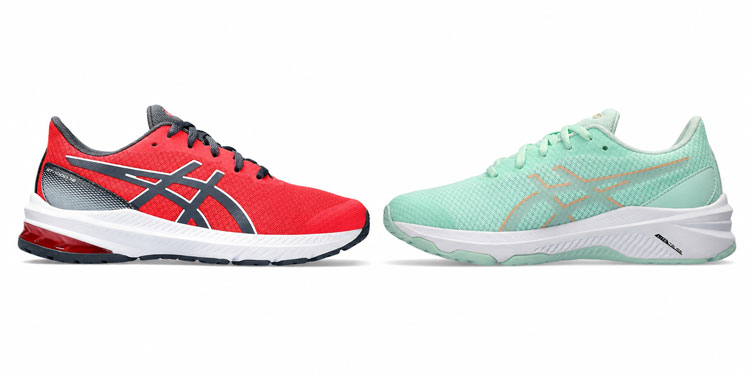
10. Shoe Style GT-1000 by Asics
Best for: Little and big kids | Moderate heel misalignment | Narrow and medium feet
Most supportive children’s shoes run on the wider side, leaving narrow-footed kids without good options. The GT-1000 fits a narrower profile naturally while still delivering a firm heel counter and structured midsole. If your child has slim feet and misaligned heels, start here.
Key Features
- Available for little and big kids
- Order on Amazon
- Accommodates narrow or medium feet
- Ideal for mild to moderate cases of pronation
- Firm heel counters, stable base of support, and semi-straight lasts
- Sizing tip: Order a whole size larger than your child’s current foot size
A Special Lacing Technique for Added Heel Support
If your child wears laced shoes, how you tie them matters. A standard lacing pattern leaves the heel with less security than it needs. The following technique locks the heel against the back of the shoe more firmly, enhancing the support the heel counter already provides:
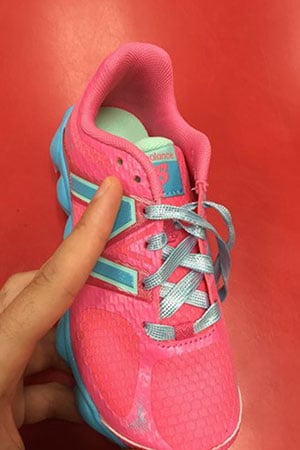
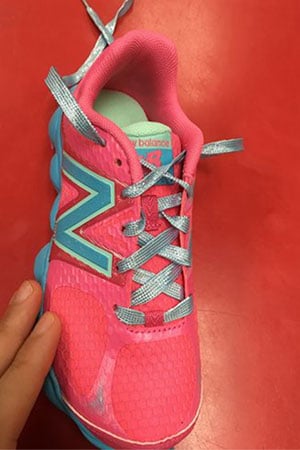
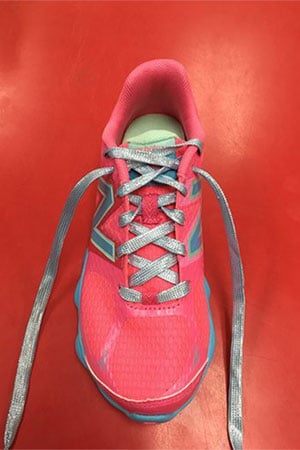
This creates a locking mechanism at the ankle that holds the heel firmly in place. It takes an extra fifteen seconds and makes a noticeable difference — particularly for children with moderate to significant heel misalignment.
Does My Child Also Need Orthotics?
Shoes come first — always. Start with a well-fitted supportive shoe and give it two to three months before adding orthotics. Many children see significant improvement with footwear alone, and introducing orthotics before you’ve established a baseline makes it harder to know what’s actually helping.
If your child is still experiencing pain after consistent wear of a supportive shoe, orthotics are a sensible next step. Two over-the-counter options I regularly recommend are:
Footlogics orthotics are designed specifically to provide biomechanical support for children with heel misalignment and flat feet. They address heel tilt and improve weight distribution without requiring a custom fitting.
Littlesteps orthotics combine cushioning with targeted heel and arch support, making them well-suited for younger children or those whose primary complaint is discomfort rather than severe structural misalignment.
Both fit inside most of the shoes listed above. If your child does use orthotics, order shoes a half size larger than normal to accommodate the added volume.
Custom orthotics through a podiatrist or orthotist are the most precise solution for significant cases. If your child’s heel misalignment is severe or hasn’t responded to footwear and over-the-counter orthotics, a referral for custom orthotics is worth pursuing.
Getting the Right Fit
Even the best shoe won’t work in the wrong size. A shoe that’s too short compresses the toes and creates blisters. A shoe that’s too long allows the foot to slide forward, pulling the heel away from the heel counter — which completely defeats its purpose for a child with heel misalignment.
Measure both of your child’s feet and size for the larger one. Specific sizing guidance is listed under each recommendation above. Learn how to measure your child’s foot here.
Start Early — The Window Matters
The most consistent thing I hear from parents after we’ve found the right shoe is that they wish they’d acted sooner. Heel misalignment doesn’t resolve on its own, and the first seven years are when supportive footwear has its greatest corrective effect.
If you’ve been told to wait and see, consider getting a second opinion — particularly if your child is already showing signs of pain, fatigue, or compensating in their gait.
For personalized guidance based on your child’s specific foot shape and degree of heel misalignment, reach out at customerservice@fittingchildrenshoes.com.
Juan Valenzuela is a certified children’s shoe fitter with over 10 years of experience specializing in fitting shoes for children with heel misalignment, flat feet, overpronation, and related foot conditions.