Best Supportive Sneakers for Kids – Top 10 Choices for Kids with Foot Problems
Key Features
- Available for little and big kids
- Order on Amazon
- Accommodates medium or wide feet
- Ideal for mild to moderate cases of pronation
- High-top design for additional ankle support
- Versatile — suitable for sports and everyday wear
- Sizing tip: Order a whole size larger than your child’s current foot size
10. Shoe Style GT-1000 by Asics
Best for: Little and big kids | Moderate foot conditions | Narrow and medium feet
Most supportive children’s shoes run on the wider side, which leaves narrow-footed children with very limited options. The GT-1000 fits a narrower profile naturally while still delivering a firm heel counter, structured midsole, and stable outsole. If your child has slim feet and needs support, start here.

Key Features:
Key Features
- Available for little and big kids
- Order on Amazon
- Accommodates narrow or medium feet
- Ideal for mild to moderate cases of pronation
- Firm heel counters, stable base of support, and semi-straight lasts
- Sizing tip: Order a whole size larger than your child’s current foot size
The list is updated regularly to reflect new supportive sneaker models and discontinued styles.
Do Arch Support Sneakers for Kids Exist?
Technically, most kids’ sneakers do not come with built-in arch support like adult orthotics or specialty shoes. However, well-designed children’s shoes provide a stable base of support and firm heel counters, which help keep the foot aligned and reduce overpronation. This structural support compensates for the lack of a traditional arch insert, helping your child maintain proper posture, walking gait, and overall foot stability while their feet are still developing.
Barefoot vs. Supportive Shoes
There has been long been debate over whether kids benefit more from walking barefoot or wearing supportive shoes. Going barefoot can help strengthen foot muscles in children with healthy feet, but it’s not practical—or safe—for kids with poor foot posture, pain, or stability issues. For everyday activities, supportive sneakers are the smarter choice, providing comfort, protection, and the stability growing feet need.
Should Your Child Also Wear Orthotics?
Many parents wonder if their child needs orthotics. While orthotics can be helpful for certain foot conditions, it’s best to start with supportive shoes and see how your child responds. If you notice ongoing pain or discomfort, consulting a healthcare professional is a smart next step. I also recommend checking out my guide to the two most effective orthotics for children—these were the top picks I fitted at the children’s shoe store, and I’ve seen firsthand how well they support growing feet and help address common foot issues.
Frequently Asked Questions
No. Children with healthy feet and normal gait don’t require structured footwear. Supportive sneakers are most beneficial for children with flat feet, overpronation, weak ankles, heel misalignment, low muscle tone, knock knees, or foot and leg pain.
Many parents notice an improvement in posture and gait almost immediately after fitting their child in a supportive shoe — the before-and-after change is often visible on the same day. Pain relief may take a few weeks of consistent wear. Structural improvements to foot alignment happen gradually over months, especially in younger children.
Supportive sneakers are structured everyday athletic shoes with firm heel counters, stable midsoles, and good construction — they look and function like regular sneakers. Orthopedic shoes (like the Memo Gabi) are purpose-built corrective footwear with more rigid structures designed for more significant conditions. Most children do well with supportive sneakers; orthopedic shoes are for cases where standard athletic footwear hasn’t been sufficient.
The Long-Term Impact of Supportive Footwear
Investing in supportive footwear can have long-term benefits for your child’s health. Properly supported feet can prevent the development of chronic issues like plantar fasciitis or knee pain later in life. By choosing the right sneakers now, you’re setting the foundation for a lifetime of good foot health.
If you have questions about your child’s specific foot shape or condition, feel free to reach out at customerservice@fittingchildrenshoes.com. Every child’s feet are different, and personalized guidance makes a real difference in outcomes.
Key Features
- Available for toddlers, little, and big kids
- Order the 2002 or 1906 on the New Balance website
- Accommodates medium or wide feet
- Ideal for moderate to strong cases of pronation
- Firm heel counters, stable base of support, and semi-straight lasts
- Sizing tip: Order a whole size larger than your child’s current foot size
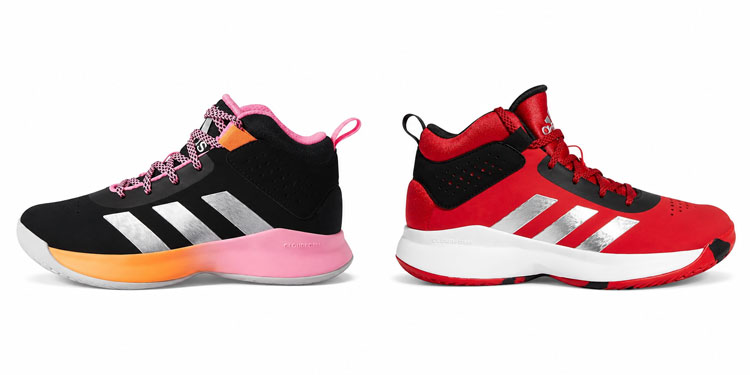
9. Shoe Style Cross Em Up by Adidas
Best for: Little and big kids | Flat feet, weak ankles, overpronation | Medium and wide feet
This basketball-inspired high-top delivers excellent ankle support and lateral stability — features that happen to align perfectly with what children with flat feet, weak ankles, or overpronation need during active play and sports. It’s built to handle the demands of court sports and dynamic movement while providing meaningful structural support.

Key Features:
Key Features
- Available for little and big kids
- Order on Amazon
- Accommodates medium or wide feet
- Ideal for mild to moderate cases of pronation
- High-top design for additional ankle support
- Versatile — suitable for sports and everyday wear
- Sizing tip: Order a whole size larger than your child’s current foot size
10. Shoe Style GT-1000 by Asics
Best for: Little and big kids | Moderate foot conditions | Narrow and medium feet
Most supportive children’s shoes run on the wider side, which leaves narrow-footed children with very limited options. The GT-1000 fits a narrower profile naturally while still delivering a firm heel counter, structured midsole, and stable outsole. If your child has slim feet and needs support, start here.

Key Features:
Key Features
- Available for little and big kids
- Order on Amazon
- Accommodates narrow or medium feet
- Ideal for mild to moderate cases of pronation
- Firm heel counters, stable base of support, and semi-straight lasts
- Sizing tip: Order a whole size larger than your child’s current foot size
The list is updated regularly to reflect new supportive sneaker models and discontinued styles.
Do Arch Support Sneakers for Kids Exist?
Technically, most kids’ sneakers do not come with built-in arch support like adult orthotics or specialty shoes. However, well-designed children’s shoes provide a stable base of support and firm heel counters, which help keep the foot aligned and reduce overpronation. This structural support compensates for the lack of a traditional arch insert, helping your child maintain proper posture, walking gait, and overall foot stability while their feet are still developing.
Barefoot vs. Supportive Shoes
There has been long been debate over whether kids benefit more from walking barefoot or wearing supportive shoes. Going barefoot can help strengthen foot muscles in children with healthy feet, but it’s not practical—or safe—for kids with poor foot posture, pain, or stability issues. For everyday activities, supportive sneakers are the smarter choice, providing comfort, protection, and the stability growing feet need.
Should Your Child Also Wear Orthotics?
Many parents wonder if their child needs orthotics. While orthotics can be helpful for certain foot conditions, it’s best to start with supportive shoes and see how your child responds. If you notice ongoing pain or discomfort, consulting a healthcare professional is a smart next step. I also recommend checking out my guide to the two most effective orthotics for children—these were the top picks I fitted at the children’s shoe store, and I’ve seen firsthand how well they support growing feet and help address common foot issues.
Frequently Asked Questions
No. Children with healthy feet and normal gait don’t require structured footwear. Supportive sneakers are most beneficial for children with flat feet, overpronation, weak ankles, heel misalignment, low muscle tone, knock knees, or foot and leg pain.
Many parents notice an improvement in posture and gait almost immediately after fitting their child in a supportive shoe — the before-and-after change is often visible on the same day. Pain relief may take a few weeks of consistent wear. Structural improvements to foot alignment happen gradually over months, especially in younger children.
Supportive sneakers are structured everyday athletic shoes with firm heel counters, stable midsoles, and good construction — they look and function like regular sneakers. Orthopedic shoes (like the Memo Gabi) are purpose-built corrective footwear with more rigid structures designed for more significant conditions. Most children do well with supportive sneakers; orthopedic shoes are for cases where standard athletic footwear hasn’t been sufficient.
The Long-Term Impact of Supportive Footwear
Investing in supportive footwear can have long-term benefits for your child’s health. Properly supported feet can prevent the development of chronic issues like plantar fasciitis or knee pain later in life. By choosing the right sneakers now, you’re setting the foundation for a lifetime of good foot health.
If you have questions about your child’s specific foot shape or condition, feel free to reach out at customerservice@fittingchildrenshoes.com. Every child’s feet are different, and personalized guidance makes a real difference in outcomes.
Key Features
- Available for toddlers, little, and big kids
- Order on the New Balance website or Amazon
- Also available with laces on Amazon or the New Balance website
- Accommodates medium, wide, or extra wide feet
- Ideal for mild to moderate cases of pronation
- Semi-firm heel counters
- Sizing tip: Order a whole size larger than your child’s current foot size
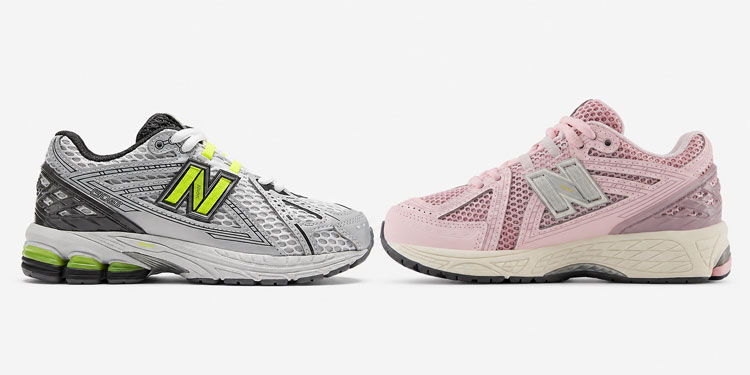
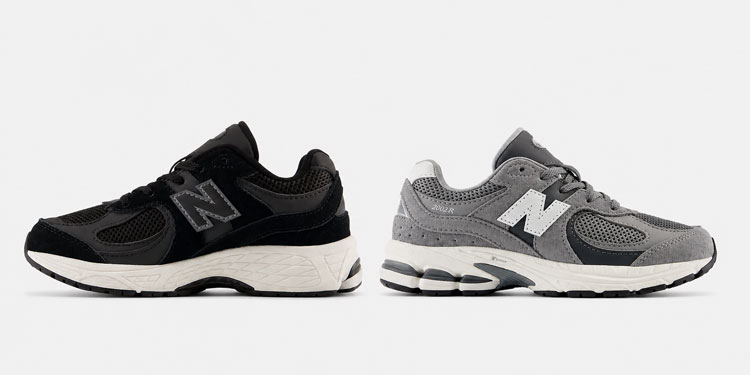
8. Shoe Style 2002/1906 by New Balance
Best for: Toddlers through big kids | Moderate foot conditions | Medium and wide feet
The 2002 sits between the Arishi and the 990v6 in both price and structural support level. It offers New Balance’s reliable construction quality at a more moderate price point — a dependable all-round pick for families who want more than the entry-level options but aren’t ready for the 990v6 investment.


Key Features:
Key Features
- Available for toddlers, little, and big kids
- Order the 2002 or 1906 on the New Balance website
- Accommodates medium or wide feet
- Ideal for moderate to strong cases of pronation
- Firm heel counters, stable base of support, and semi-straight lasts
- Sizing tip: Order a whole size larger than your child’s current foot size
9. Shoe Style Cross Em Up by Adidas
Best for: Little and big kids | Flat feet, weak ankles, overpronation | Medium and wide feet
This basketball-inspired high-top delivers excellent ankle support and lateral stability — features that happen to align perfectly with what children with flat feet, weak ankles, or overpronation need during active play and sports. It’s built to handle the demands of court sports and dynamic movement while providing meaningful structural support.

Key Features:
Key Features
- Available for little and big kids
- Order on Amazon
- Accommodates medium or wide feet
- Ideal for mild to moderate cases of pronation
- High-top design for additional ankle support
- Versatile — suitable for sports and everyday wear
- Sizing tip: Order a whole size larger than your child’s current foot size
10. Shoe Style GT-1000 by Asics
Best for: Little and big kids | Moderate foot conditions | Narrow and medium feet
Most supportive children’s shoes run on the wider side, which leaves narrow-footed children with very limited options. The GT-1000 fits a narrower profile naturally while still delivering a firm heel counter, structured midsole, and stable outsole. If your child has slim feet and needs support, start here.

Key Features:
Key Features
- Available for little and big kids
- Order on Amazon
- Accommodates narrow or medium feet
- Ideal for mild to moderate cases of pronation
- Firm heel counters, stable base of support, and semi-straight lasts
- Sizing tip: Order a whole size larger than your child’s current foot size
The list is updated regularly to reflect new supportive sneaker models and discontinued styles.
Do Arch Support Sneakers for Kids Exist?
Technically, most kids’ sneakers do not come with built-in arch support like adult orthotics or specialty shoes. However, well-designed children’s shoes provide a stable base of support and firm heel counters, which help keep the foot aligned and reduce overpronation. This structural support compensates for the lack of a traditional arch insert, helping your child maintain proper posture, walking gait, and overall foot stability while their feet are still developing.
Barefoot vs. Supportive Shoes
There has been long been debate over whether kids benefit more from walking barefoot or wearing supportive shoes. Going barefoot can help strengthen foot muscles in children with healthy feet, but it’s not practical—or safe—for kids with poor foot posture, pain, or stability issues. For everyday activities, supportive sneakers are the smarter choice, providing comfort, protection, and the stability growing feet need.
Should Your Child Also Wear Orthotics?
Many parents wonder if their child needs orthotics. While orthotics can be helpful for certain foot conditions, it’s best to start with supportive shoes and see how your child responds. If you notice ongoing pain or discomfort, consulting a healthcare professional is a smart next step. I also recommend checking out my guide to the two most effective orthotics for children—these were the top picks I fitted at the children’s shoe store, and I’ve seen firsthand how well they support growing feet and help address common foot issues.
Frequently Asked Questions
No. Children with healthy feet and normal gait don’t require structured footwear. Supportive sneakers are most beneficial for children with flat feet, overpronation, weak ankles, heel misalignment, low muscle tone, knock knees, or foot and leg pain.
Many parents notice an improvement in posture and gait almost immediately after fitting their child in a supportive shoe — the before-and-after change is often visible on the same day. Pain relief may take a few weeks of consistent wear. Structural improvements to foot alignment happen gradually over months, especially in younger children.
Supportive sneakers are structured everyday athletic shoes with firm heel counters, stable midsoles, and good construction — they look and function like regular sneakers. Orthopedic shoes (like the Memo Gabi) are purpose-built corrective footwear with more rigid structures designed for more significant conditions. Most children do well with supportive sneakers; orthopedic shoes are for cases where standard athletic footwear hasn’t been sufficient.
The Long-Term Impact of Supportive Footwear
Investing in supportive footwear can have long-term benefits for your child’s health. Properly supported feet can prevent the development of chronic issues like plantar fasciitis or knee pain later in life. By choosing the right sneakers now, you’re setting the foundation for a lifetime of good foot health.
If you have questions about your child’s specific foot shape or condition, feel free to reach out at customerservice@fittingchildrenshoes.com. Every child’s feet are different, and personalized guidance makes a real difference in outcomes.
Key Features
- Available for little and big kids
- Order on Amazon
- Also available with laces on Amazon
- Accommodates medium or wide feet
- Ideal for mild to moderate cases of pronation
- Firm heel counters and stable base of support
- Sizing tip: Order a whole size larger than your child’s current foot size
7. Shoe Style Fresh Foam Arishi v4 by New Balance
Best for: Toddlers through big kids | Mild to moderate foot conditions | Medium, Wide, and Extra Wide feet
Some children — particularly those with sensory sensitivities — resist wearing firmer structural shoes because the feel is uncomfortable. The Arishi v4 uses New Balance’s Fresh Foam cushioning to deliver a noticeably softer underfoot feel while still maintaining the heel counter firmness and midsole density that supportive shoes require.
A shoe worn consistently every day will always outperform a technically better shoe that the child refuses to wear. This is the shoe that gets worn.


Key Features:
Key Features
- Available for toddlers, little, and big kids
- Order on the New Balance website or Amazon
- Also available with laces on Amazon or the New Balance website
- Accommodates medium, wide, or extra wide feet
- Ideal for mild to moderate cases of pronation
- Semi-firm heel counters
- Sizing tip: Order a whole size larger than your child’s current foot size
8. Shoe Style 2002/1906 by New Balance
Best for: Toddlers through big kids | Moderate foot conditions | Medium and wide feet
The 2002 sits between the Arishi and the 990v6 in both price and structural support level. It offers New Balance’s reliable construction quality at a more moderate price point — a dependable all-round pick for families who want more than the entry-level options but aren’t ready for the 990v6 investment.


Key Features:
Key Features
- Available for toddlers, little, and big kids
- Order the 2002 or 1906 on the New Balance website
- Accommodates medium or wide feet
- Ideal for moderate to strong cases of pronation
- Firm heel counters, stable base of support, and semi-straight lasts
- Sizing tip: Order a whole size larger than your child’s current foot size
9. Shoe Style Cross Em Up by Adidas
Best for: Little and big kids | Flat feet, weak ankles, overpronation | Medium and wide feet
This basketball-inspired high-top delivers excellent ankle support and lateral stability — features that happen to align perfectly with what children with flat feet, weak ankles, or overpronation need during active play and sports. It’s built to handle the demands of court sports and dynamic movement while providing meaningful structural support.

Key Features:
Key Features
- Available for little and big kids
- Order on Amazon
- Accommodates medium or wide feet
- Ideal for mild to moderate cases of pronation
- High-top design for additional ankle support
- Versatile — suitable for sports and everyday wear
- Sizing tip: Order a whole size larger than your child’s current foot size
10. Shoe Style GT-1000 by Asics
Best for: Little and big kids | Moderate foot conditions | Narrow and medium feet
Most supportive children’s shoes run on the wider side, which leaves narrow-footed children with very limited options. The GT-1000 fits a narrower profile naturally while still delivering a firm heel counter, structured midsole, and stable outsole. If your child has slim feet and needs support, start here.

Key Features:
Key Features
- Available for little and big kids
- Order on Amazon
- Accommodates narrow or medium feet
- Ideal for mild to moderate cases of pronation
- Firm heel counters, stable base of support, and semi-straight lasts
- Sizing tip: Order a whole size larger than your child’s current foot size
The list is updated regularly to reflect new supportive sneaker models and discontinued styles.
Do Arch Support Sneakers for Kids Exist?
Technically, most kids’ sneakers do not come with built-in arch support like adult orthotics or specialty shoes. However, well-designed children’s shoes provide a stable base of support and firm heel counters, which help keep the foot aligned and reduce overpronation. This structural support compensates for the lack of a traditional arch insert, helping your child maintain proper posture, walking gait, and overall foot stability while their feet are still developing.
Barefoot vs. Supportive Shoes
There has been long been debate over whether kids benefit more from walking barefoot or wearing supportive shoes. Going barefoot can help strengthen foot muscles in children with healthy feet, but it’s not practical—or safe—for kids with poor foot posture, pain, or stability issues. For everyday activities, supportive sneakers are the smarter choice, providing comfort, protection, and the stability growing feet need.
Should Your Child Also Wear Orthotics?
Many parents wonder if their child needs orthotics. While orthotics can be helpful for certain foot conditions, it’s best to start with supportive shoes and see how your child responds. If you notice ongoing pain or discomfort, consulting a healthcare professional is a smart next step. I also recommend checking out my guide to the two most effective orthotics for children—these were the top picks I fitted at the children’s shoe store, and I’ve seen firsthand how well they support growing feet and help address common foot issues.
Frequently Asked Questions
No. Children with healthy feet and normal gait don’t require structured footwear. Supportive sneakers are most beneficial for children with flat feet, overpronation, weak ankles, heel misalignment, low muscle tone, knock knees, or foot and leg pain.
Many parents notice an improvement in posture and gait almost immediately after fitting their child in a supportive shoe — the before-and-after change is often visible on the same day. Pain relief may take a few weeks of consistent wear. Structural improvements to foot alignment happen gradually over months, especially in younger children.
Supportive sneakers are structured everyday athletic shoes with firm heel counters, stable midsoles, and good construction — they look and function like regular sneakers. Orthopedic shoes (like the Memo Gabi) are purpose-built corrective footwear with more rigid structures designed for more significant conditions. Most children do well with supportive sneakers; orthopedic shoes are for cases where standard athletic footwear hasn’t been sufficient.
The Long-Term Impact of Supportive Footwear
Investing in supportive footwear can have long-term benefits for your child’s health. Properly supported feet can prevent the development of chronic issues like plantar fasciitis or knee pain later in life. By choosing the right sneakers now, you’re setting the foundation for a lifetime of good foot health.
If you have questions about your child’s specific foot shape or condition, feel free to reach out at customerservice@fittingchildrenshoes.com. Every child’s feet are different, and personalized guidance makes a real difference in outcomes.
Key Features
- Available for toddlers and little kids
- Order on Amazon
- Accommodates medium or wide feet
- Ideal for mild to moderate cases of pronation
- High-top design for extra ankle support
- Water-friendly construction
- Sizing tip: Order a whole size larger than your child’s current foot size
6. Shoe Style Cohesion by Saucony
Best for: Little and big kids | Mild to moderate foot conditions | Medium and wide feet
The Cohesion is the most accessible shoe on this list price-wise, and it earns its spot. The heel counter is appropriately firm, the cushioning is solid, and it’s available in both Velcro and lace versions. For families managing tighter budgets or looking for a reliable second pair, this is the strongest value option available.


Key Features:
Key Features
- Available for little and big kids
- Order on Amazon
- Also available with laces on Amazon
- Accommodates medium or wide feet
- Ideal for mild to moderate cases of pronation
- Firm heel counters and stable base of support
- Sizing tip: Order a whole size larger than your child’s current foot size
7. Shoe Style Fresh Foam Arishi v4 by New Balance
Best for: Toddlers through big kids | Mild to moderate foot conditions | Medium, Wide, and Extra Wide feet
Some children — particularly those with sensory sensitivities — resist wearing firmer structural shoes because the feel is uncomfortable. The Arishi v4 uses New Balance’s Fresh Foam cushioning to deliver a noticeably softer underfoot feel while still maintaining the heel counter firmness and midsole density that supportive shoes require.
A shoe worn consistently every day will always outperform a technically better shoe that the child refuses to wear. This is the shoe that gets worn.


Key Features:
Key Features
- Available for toddlers, little, and big kids
- Order on the New Balance website or Amazon
- Also available with laces on Amazon or the New Balance website
- Accommodates medium, wide, or extra wide feet
- Ideal for mild to moderate cases of pronation
- Semi-firm heel counters
- Sizing tip: Order a whole size larger than your child’s current foot size
8. Shoe Style 2002/1906 by New Balance
Best for: Toddlers through big kids | Moderate foot conditions | Medium and wide feet
The 2002 sits between the Arishi and the 990v6 in both price and structural support level. It offers New Balance’s reliable construction quality at a more moderate price point — a dependable all-round pick for families who want more than the entry-level options but aren’t ready for the 990v6 investment.


Key Features:
Key Features
- Available for toddlers, little, and big kids
- Order the 2002 or 1906 on the New Balance website
- Accommodates medium or wide feet
- Ideal for moderate to strong cases of pronation
- Firm heel counters, stable base of support, and semi-straight lasts
- Sizing tip: Order a whole size larger than your child’s current foot size
9. Shoe Style Cross Em Up by Adidas
Best for: Little and big kids | Flat feet, weak ankles, overpronation | Medium and wide feet
This basketball-inspired high-top delivers excellent ankle support and lateral stability — features that happen to align perfectly with what children with flat feet, weak ankles, or overpronation need during active play and sports. It’s built to handle the demands of court sports and dynamic movement while providing meaningful structural support.

Key Features:
Key Features
- Available for little and big kids
- Order on Amazon
- Accommodates medium or wide feet
- Ideal for mild to moderate cases of pronation
- High-top design for additional ankle support
- Versatile — suitable for sports and everyday wear
- Sizing tip: Order a whole size larger than your child’s current foot size
10. Shoe Style GT-1000 by Asics
Best for: Little and big kids | Moderate foot conditions | Narrow and medium feet
Most supportive children’s shoes run on the wider side, which leaves narrow-footed children with very limited options. The GT-1000 fits a narrower profile naturally while still delivering a firm heel counter, structured midsole, and stable outsole. If your child has slim feet and needs support, start here.

Key Features:
Key Features
- Available for little and big kids
- Order on Amazon
- Accommodates narrow or medium feet
- Ideal for mild to moderate cases of pronation
- Firm heel counters, stable base of support, and semi-straight lasts
- Sizing tip: Order a whole size larger than your child’s current foot size
The list is updated regularly to reflect new supportive sneaker models and discontinued styles.
Do Arch Support Sneakers for Kids Exist?
Technically, most kids’ sneakers do not come with built-in arch support like adult orthotics or specialty shoes. However, well-designed children’s shoes provide a stable base of support and firm heel counters, which help keep the foot aligned and reduce overpronation. This structural support compensates for the lack of a traditional arch insert, helping your child maintain proper posture, walking gait, and overall foot stability while their feet are still developing.
Barefoot vs. Supportive Shoes
There has been long been debate over whether kids benefit more from walking barefoot or wearing supportive shoes. Going barefoot can help strengthen foot muscles in children with healthy feet, but it’s not practical—or safe—for kids with poor foot posture, pain, or stability issues. For everyday activities, supportive sneakers are the smarter choice, providing comfort, protection, and the stability growing feet need.
Should Your Child Also Wear Orthotics?
Many parents wonder if their child needs orthotics. While orthotics can be helpful for certain foot conditions, it’s best to start with supportive shoes and see how your child responds. If you notice ongoing pain or discomfort, consulting a healthcare professional is a smart next step. I also recommend checking out my guide to the two most effective orthotics for children—these were the top picks I fitted at the children’s shoe store, and I’ve seen firsthand how well they support growing feet and help address common foot issues.
Frequently Asked Questions
No. Children with healthy feet and normal gait don’t require structured footwear. Supportive sneakers are most beneficial for children with flat feet, overpronation, weak ankles, heel misalignment, low muscle tone, knock knees, or foot and leg pain.
Many parents notice an improvement in posture and gait almost immediately after fitting their child in a supportive shoe — the before-and-after change is often visible on the same day. Pain relief may take a few weeks of consistent wear. Structural improvements to foot alignment happen gradually over months, especially in younger children.
Supportive sneakers are structured everyday athletic shoes with firm heel counters, stable midsoles, and good construction — they look and function like regular sneakers. Orthopedic shoes (like the Memo Gabi) are purpose-built corrective footwear with more rigid structures designed for more significant conditions. Most children do well with supportive sneakers; orthopedic shoes are for cases where standard athletic footwear hasn’t been sufficient.
The Long-Term Impact of Supportive Footwear
Investing in supportive footwear can have long-term benefits for your child’s health. Properly supported feet can prevent the development of chronic issues like plantar fasciitis or knee pain later in life. By choosing the right sneakers now, you’re setting the foundation for a lifetime of good foot health.
If you have questions about your child’s specific foot shape or condition, feel free to reach out at customerservice@fittingchildrenshoes.com. Every child’s feet are different, and personalized guidance makes a real difference in outcomes.
Key Features
- Available for toddlers, little, and big kids
- Order on Amazon or the New Balance website
- Also available with laces on the New Balance website or Amazon
- Accommodates medium, wide, or extra wide feet
- Ideal for mild to moderate cases of pronation
- Firm heel counters
- APMA Seal of Acceptance
- Sizing tip: Order a half size larger than your child’s current foot size
5. Shoe Style Tracks by Timberland
Best for: Toddlers and little kids | Flat feet, weak ankles | Medium and wide feet
The Tracks is built for rugged, outdoor use — water-friendly, high-topped, and structurally robust. The high-top design adds ankle support that low-cut shoes can’t provide, and the outsole handles uneven terrain well. A strong choice for children who spend time outdoors, on trails, or in wet conditions.
The trade-off is weight — it’s heavier than all other shoes on this list, which may be a factor for younger walkers.

Key Features:
Key Features
- Available for toddlers and little kids
- Order on Amazon
- Accommodates medium or wide feet
- Ideal for mild to moderate cases of pronation
- High-top design for extra ankle support
- Water-friendly construction
- Sizing tip: Order a whole size larger than your child’s current foot size
6. Shoe Style Cohesion by Saucony
Best for: Little and big kids | Mild to moderate foot conditions | Medium and wide feet
The Cohesion is the most accessible shoe on this list price-wise, and it earns its spot. The heel counter is appropriately firm, the cushioning is solid, and it’s available in both Velcro and lace versions. For families managing tighter budgets or looking for a reliable second pair, this is the strongest value option available.


Key Features:
Key Features
- Available for little and big kids
- Order on Amazon
- Also available with laces on Amazon
- Accommodates medium or wide feet
- Ideal for mild to moderate cases of pronation
- Firm heel counters and stable base of support
- Sizing tip: Order a whole size larger than your child’s current foot size
7. Shoe Style Fresh Foam Arishi v4 by New Balance
Best for: Toddlers through big kids | Mild to moderate foot conditions | Medium, Wide, and Extra Wide feet
Some children — particularly those with sensory sensitivities — resist wearing firmer structural shoes because the feel is uncomfortable. The Arishi v4 uses New Balance’s Fresh Foam cushioning to deliver a noticeably softer underfoot feel while still maintaining the heel counter firmness and midsole density that supportive shoes require.
A shoe worn consistently every day will always outperform a technically better shoe that the child refuses to wear. This is the shoe that gets worn.


Key Features:
Key Features
- Available for toddlers, little, and big kids
- Order on the New Balance website or Amazon
- Also available with laces on Amazon or the New Balance website
- Accommodates medium, wide, or extra wide feet
- Ideal for mild to moderate cases of pronation
- Semi-firm heel counters
- Sizing tip: Order a whole size larger than your child’s current foot size
8. Shoe Style 2002/1906 by New Balance
Best for: Toddlers through big kids | Moderate foot conditions | Medium and wide feet
The 2002 sits between the Arishi and the 990v6 in both price and structural support level. It offers New Balance’s reliable construction quality at a more moderate price point — a dependable all-round pick for families who want more than the entry-level options but aren’t ready for the 990v6 investment.


Key Features:
Key Features
- Available for toddlers, little, and big kids
- Order the 2002 or 1906 on the New Balance website
- Accommodates medium or wide feet
- Ideal for moderate to strong cases of pronation
- Firm heel counters, stable base of support, and semi-straight lasts
- Sizing tip: Order a whole size larger than your child’s current foot size
9. Shoe Style Cross Em Up by Adidas
Best for: Little and big kids | Flat feet, weak ankles, overpronation | Medium and wide feet
This basketball-inspired high-top delivers excellent ankle support and lateral stability — features that happen to align perfectly with what children with flat feet, weak ankles, or overpronation need during active play and sports. It’s built to handle the demands of court sports and dynamic movement while providing meaningful structural support.

Key Features:
Key Features
- Available for little and big kids
- Order on Amazon
- Accommodates medium or wide feet
- Ideal for mild to moderate cases of pronation
- High-top design for additional ankle support
- Versatile — suitable for sports and everyday wear
- Sizing tip: Order a whole size larger than your child’s current foot size
10. Shoe Style GT-1000 by Asics
Best for: Little and big kids | Moderate foot conditions | Narrow and medium feet
Most supportive children’s shoes run on the wider side, which leaves narrow-footed children with very limited options. The GT-1000 fits a narrower profile naturally while still delivering a firm heel counter, structured midsole, and stable outsole. If your child has slim feet and needs support, start here.

Key Features:
Key Features
- Available for little and big kids
- Order on Amazon
- Accommodates narrow or medium feet
- Ideal for mild to moderate cases of pronation
- Firm heel counters, stable base of support, and semi-straight lasts
- Sizing tip: Order a whole size larger than your child’s current foot size
The list is updated regularly to reflect new supportive sneaker models and discontinued styles.
Do Arch Support Sneakers for Kids Exist?
Technically, most kids’ sneakers do not come with built-in arch support like adult orthotics or specialty shoes. However, well-designed children’s shoes provide a stable base of support and firm heel counters, which help keep the foot aligned and reduce overpronation. This structural support compensates for the lack of a traditional arch insert, helping your child maintain proper posture, walking gait, and overall foot stability while their feet are still developing.
Barefoot vs. Supportive Shoes
There has been long been debate over whether kids benefit more from walking barefoot or wearing supportive shoes. Going barefoot can help strengthen foot muscles in children with healthy feet, but it’s not practical—or safe—for kids with poor foot posture, pain, or stability issues. For everyday activities, supportive sneakers are the smarter choice, providing comfort, protection, and the stability growing feet need.
Should Your Child Also Wear Orthotics?
Many parents wonder if their child needs orthotics. While orthotics can be helpful for certain foot conditions, it’s best to start with supportive shoes and see how your child responds. If you notice ongoing pain or discomfort, consulting a healthcare professional is a smart next step. I also recommend checking out my guide to the two most effective orthotics for children—these were the top picks I fitted at the children’s shoe store, and I’ve seen firsthand how well they support growing feet and help address common foot issues.
Frequently Asked Questions
No. Children with healthy feet and normal gait don’t require structured footwear. Supportive sneakers are most beneficial for children with flat feet, overpronation, weak ankles, heel misalignment, low muscle tone, knock knees, or foot and leg pain.
Many parents notice an improvement in posture and gait almost immediately after fitting their child in a supportive shoe — the before-and-after change is often visible on the same day. Pain relief may take a few weeks of consistent wear. Structural improvements to foot alignment happen gradually over months, especially in younger children.
Supportive sneakers are structured everyday athletic shoes with firm heel counters, stable midsoles, and good construction — they look and function like regular sneakers. Orthopedic shoes (like the Memo Gabi) are purpose-built corrective footwear with more rigid structures designed for more significant conditions. Most children do well with supportive sneakers; orthopedic shoes are for cases where standard athletic footwear hasn’t been sufficient.
The Long-Term Impact of Supportive Footwear
Investing in supportive footwear can have long-term benefits for your child’s health. Properly supported feet can prevent the development of chronic issues like plantar fasciitis or knee pain later in life. By choosing the right sneakers now, you’re setting the foundation for a lifetime of good foot health.
If you have questions about your child’s specific foot shape or condition, feel free to reach out at customerservice@fittingchildrenshoes.com. Every child’s feet are different, and personalized guidance makes a real difference in outcomes.
Key Features
- Available for toddlers
- Order on Amazon
- Accommodates medium, wide, or extra wide feet
- Ideal for mild to moderate cases of pronation
- 100% leather construction
- High-top design provides extra ankle support
- APMA Seal of Acceptance
- Sizing tip: Order a whole size larger than your child’s current foot size
4. Shoe Style 574 by New Balance
Best for: Toddlers through big kids | Mild to moderate foot conditions | Medium, Wide, and Extra Wide feet
The 574 delivers reliable structural support at a significantly lower price than the 990v6. The heel counter is firm, the midsole provides solid density, and the wide width range makes it a practical everyday shoe for children with broader feet. For families who need a capable supportive shoe without the premium price, this is the first alternative I suggest.


Key Features:
Key Features
- Available for toddlers, little, and big kids
- Order on Amazon or the New Balance website
- Also available with laces on the New Balance website or Amazon
- Accommodates medium, wide, or extra wide feet
- Ideal for mild to moderate cases of pronation
- Firm heel counters
- APMA Seal of Acceptance
- Sizing tip: Order a half size larger than your child’s current foot size
5. Shoe Style Tracks by Timberland
Best for: Toddlers and little kids | Flat feet, weak ankles | Medium and wide feet
The Tracks is built for rugged, outdoor use — water-friendly, high-topped, and structurally robust. The high-top design adds ankle support that low-cut shoes can’t provide, and the outsole handles uneven terrain well. A strong choice for children who spend time outdoors, on trails, or in wet conditions.
The trade-off is weight — it’s heavier than all other shoes on this list, which may be a factor for younger walkers.

Key Features:
Key Features
- Available for toddlers and little kids
- Order on Amazon
- Accommodates medium or wide feet
- Ideal for mild to moderate cases of pronation
- High-top design for extra ankle support
- Water-friendly construction
- Sizing tip: Order a whole size larger than your child’s current foot size
6. Shoe Style Cohesion by Saucony
Best for: Little and big kids | Mild to moderate foot conditions | Medium and wide feet
The Cohesion is the most accessible shoe on this list price-wise, and it earns its spot. The heel counter is appropriately firm, the cushioning is solid, and it’s available in both Velcro and lace versions. For families managing tighter budgets or looking for a reliable second pair, this is the strongest value option available.


Key Features:
Key Features
- Available for little and big kids
- Order on Amazon
- Also available with laces on Amazon
- Accommodates medium or wide feet
- Ideal for mild to moderate cases of pronation
- Firm heel counters and stable base of support
- Sizing tip: Order a whole size larger than your child’s current foot size
7. Shoe Style Fresh Foam Arishi v4 by New Balance
Best for: Toddlers through big kids | Mild to moderate foot conditions | Medium, Wide, and Extra Wide feet
Some children — particularly those with sensory sensitivities — resist wearing firmer structural shoes because the feel is uncomfortable. The Arishi v4 uses New Balance’s Fresh Foam cushioning to deliver a noticeably softer underfoot feel while still maintaining the heel counter firmness and midsole density that supportive shoes require.
A shoe worn consistently every day will always outperform a technically better shoe that the child refuses to wear. This is the shoe that gets worn.


Key Features:
Key Features
- Available for toddlers, little, and big kids
- Order on the New Balance website or Amazon
- Also available with laces on Amazon or the New Balance website
- Accommodates medium, wide, or extra wide feet
- Ideal for mild to moderate cases of pronation
- Semi-firm heel counters
- Sizing tip: Order a whole size larger than your child’s current foot size
8. Shoe Style 2002/1906 by New Balance
Best for: Toddlers through big kids | Moderate foot conditions | Medium and wide feet
The 2002 sits between the Arishi and the 990v6 in both price and structural support level. It offers New Balance’s reliable construction quality at a more moderate price point — a dependable all-round pick for families who want more than the entry-level options but aren’t ready for the 990v6 investment.


Key Features:
Key Features
- Available for toddlers, little, and big kids
- Order the 2002 or 1906 on the New Balance website
- Accommodates medium or wide feet
- Ideal for moderate to strong cases of pronation
- Firm heel counters, stable base of support, and semi-straight lasts
- Sizing tip: Order a whole size larger than your child’s current foot size
9. Shoe Style Cross Em Up by Adidas
Best for: Little and big kids | Flat feet, weak ankles, overpronation | Medium and wide feet
This basketball-inspired high-top delivers excellent ankle support and lateral stability — features that happen to align perfectly with what children with flat feet, weak ankles, or overpronation need during active play and sports. It’s built to handle the demands of court sports and dynamic movement while providing meaningful structural support.

Key Features:
Key Features
- Available for little and big kids
- Order on Amazon
- Accommodates medium or wide feet
- Ideal for mild to moderate cases of pronation
- High-top design for additional ankle support
- Versatile — suitable for sports and everyday wear
- Sizing tip: Order a whole size larger than your child’s current foot size
10. Shoe Style GT-1000 by Asics
Best for: Little and big kids | Moderate foot conditions | Narrow and medium feet
Most supportive children’s shoes run on the wider side, which leaves narrow-footed children with very limited options. The GT-1000 fits a narrower profile naturally while still delivering a firm heel counter, structured midsole, and stable outsole. If your child has slim feet and needs support, start here.

Key Features:
Key Features
- Available for little and big kids
- Order on Amazon
- Accommodates narrow or medium feet
- Ideal for mild to moderate cases of pronation
- Firm heel counters, stable base of support, and semi-straight lasts
- Sizing tip: Order a whole size larger than your child’s current foot size
The list is updated regularly to reflect new supportive sneaker models and discontinued styles.
Do Arch Support Sneakers for Kids Exist?
Technically, most kids’ sneakers do not come with built-in arch support like adult orthotics or specialty shoes. However, well-designed children’s shoes provide a stable base of support and firm heel counters, which help keep the foot aligned and reduce overpronation. This structural support compensates for the lack of a traditional arch insert, helping your child maintain proper posture, walking gait, and overall foot stability while their feet are still developing.
Barefoot vs. Supportive Shoes
There has been long been debate over whether kids benefit more from walking barefoot or wearing supportive shoes. Going barefoot can help strengthen foot muscles in children with healthy feet, but it’s not practical—or safe—for kids with poor foot posture, pain, or stability issues. For everyday activities, supportive sneakers are the smarter choice, providing comfort, protection, and the stability growing feet need.
Should Your Child Also Wear Orthotics?
Many parents wonder if their child needs orthotics. While orthotics can be helpful for certain foot conditions, it’s best to start with supportive shoes and see how your child responds. If you notice ongoing pain or discomfort, consulting a healthcare professional is a smart next step. I also recommend checking out my guide to the two most effective orthotics for children—these were the top picks I fitted at the children’s shoe store, and I’ve seen firsthand how well they support growing feet and help address common foot issues.
Frequently Asked Questions
No. Children with healthy feet and normal gait don’t require structured footwear. Supportive sneakers are most beneficial for children with flat feet, overpronation, weak ankles, heel misalignment, low muscle tone, knock knees, or foot and leg pain.
Many parents notice an improvement in posture and gait almost immediately after fitting their child in a supportive shoe — the before-and-after change is often visible on the same day. Pain relief may take a few weeks of consistent wear. Structural improvements to foot alignment happen gradually over months, especially in younger children.
Supportive sneakers are structured everyday athletic shoes with firm heel counters, stable midsoles, and good construction — they look and function like regular sneakers. Orthopedic shoes (like the Memo Gabi) are purpose-built corrective footwear with more rigid structures designed for more significant conditions. Most children do well with supportive sneakers; orthopedic shoes are for cases where standard athletic footwear hasn’t been sufficient.
The Long-Term Impact of Supportive Footwear
Investing in supportive footwear can have long-term benefits for your child’s health. Properly supported feet can prevent the development of chronic issues like plantar fasciitis or knee pain later in life. By choosing the right sneakers now, you’re setting the foundation for a lifetime of good foot health.
If you have questions about your child’s specific foot shape or condition, feel free to reach out at customerservice@fittingchildrenshoes.com. Every child’s feet are different, and personalized guidance makes a real difference in outcomes.
Key Features
- Available for toddlers and little kids
- Order the model Gabi or Alvin on Amazon
- Also available in a Mary Jane style and a version for older kids called Memo Polo
- Accommodates medium and wide feet
- Ideal for moderate to strong cases of pronation
- High-top design with stiff heel counters
- Sizing tip: Order a half size larger than your child’s current foot size. Refer to Memo sizing chart
3. Shoe Style Elliott by Stride Rite
Best for: Toddlers only | Flat feet, weak ankles, overpronation | Medium, Wide, and Extra Wide feet
For toddlers, ankle coverage provides an important layer of support that a low-cut shoe can’t match. The Elliott’s high-top bootie design wraps the ankle, adds lateral stability, and reinforces the corrective effect of the heel counter — particularly valuable for very young children whose ankles are still weak and prone to rolling inward.
It’s affordable, easy to get on and off, and provides far more structure than a typical toddler sneaker.

Key Features:
Key Features
- Available for toddlers
- Order on Amazon
- Accommodates medium, wide, or extra wide feet
- Ideal for mild to moderate cases of pronation
- 100% leather construction
- High-top design provides extra ankle support
- APMA Seal of Acceptance
- Sizing tip: Order a whole size larger than your child’s current foot size
4. Shoe Style 574 by New Balance
Best for: Toddlers through big kids | Mild to moderate foot conditions | Medium, Wide, and Extra Wide feet
The 574 delivers reliable structural support at a significantly lower price than the 990v6. The heel counter is firm, the midsole provides solid density, and the wide width range makes it a practical everyday shoe for children with broader feet. For families who need a capable supportive shoe without the premium price, this is the first alternative I suggest.


Key Features:
Key Features
- Available for toddlers, little, and big kids
- Order on Amazon or the New Balance website
- Also available with laces on the New Balance website or Amazon
- Accommodates medium, wide, or extra wide feet
- Ideal for mild to moderate cases of pronation
- Firm heel counters
- APMA Seal of Acceptance
- Sizing tip: Order a half size larger than your child’s current foot size
5. Shoe Style Tracks by Timberland
Best for: Toddlers and little kids | Flat feet, weak ankles | Medium and wide feet
The Tracks is built for rugged, outdoor use — water-friendly, high-topped, and structurally robust. The high-top design adds ankle support that low-cut shoes can’t provide, and the outsole handles uneven terrain well. A strong choice for children who spend time outdoors, on trails, or in wet conditions.
The trade-off is weight — it’s heavier than all other shoes on this list, which may be a factor for younger walkers.

Key Features:
Key Features
- Available for toddlers and little kids
- Order on Amazon
- Accommodates medium or wide feet
- Ideal for mild to moderate cases of pronation
- High-top design for extra ankle support
- Water-friendly construction
- Sizing tip: Order a whole size larger than your child’s current foot size
6. Shoe Style Cohesion by Saucony
Best for: Little and big kids | Mild to moderate foot conditions | Medium and wide feet
The Cohesion is the most accessible shoe on this list price-wise, and it earns its spot. The heel counter is appropriately firm, the cushioning is solid, and it’s available in both Velcro and lace versions. For families managing tighter budgets or looking for a reliable second pair, this is the strongest value option available.


Key Features:
Key Features
- Available for little and big kids
- Order on Amazon
- Also available with laces on Amazon
- Accommodates medium or wide feet
- Ideal for mild to moderate cases of pronation
- Firm heel counters and stable base of support
- Sizing tip: Order a whole size larger than your child’s current foot size
7. Shoe Style Fresh Foam Arishi v4 by New Balance
Best for: Toddlers through big kids | Mild to moderate foot conditions | Medium, Wide, and Extra Wide feet
Some children — particularly those with sensory sensitivities — resist wearing firmer structural shoes because the feel is uncomfortable. The Arishi v4 uses New Balance’s Fresh Foam cushioning to deliver a noticeably softer underfoot feel while still maintaining the heel counter firmness and midsole density that supportive shoes require.
A shoe worn consistently every day will always outperform a technically better shoe that the child refuses to wear. This is the shoe that gets worn.


Key Features:
Key Features
- Available for toddlers, little, and big kids
- Order on the New Balance website or Amazon
- Also available with laces on Amazon or the New Balance website
- Accommodates medium, wide, or extra wide feet
- Ideal for mild to moderate cases of pronation
- Semi-firm heel counters
- Sizing tip: Order a whole size larger than your child’s current foot size
8. Shoe Style 2002/1906 by New Balance
Best for: Toddlers through big kids | Moderate foot conditions | Medium and wide feet
The 2002 sits between the Arishi and the 990v6 in both price and structural support level. It offers New Balance’s reliable construction quality at a more moderate price point — a dependable all-round pick for families who want more than the entry-level options but aren’t ready for the 990v6 investment.


Key Features:
Key Features
- Available for toddlers, little, and big kids
- Order the 2002 or 1906 on the New Balance website
- Accommodates medium or wide feet
- Ideal for moderate to strong cases of pronation
- Firm heel counters, stable base of support, and semi-straight lasts
- Sizing tip: Order a whole size larger than your child’s current foot size
9. Shoe Style Cross Em Up by Adidas
Best for: Little and big kids | Flat feet, weak ankles, overpronation | Medium and wide feet
This basketball-inspired high-top delivers excellent ankle support and lateral stability — features that happen to align perfectly with what children with flat feet, weak ankles, or overpronation need during active play and sports. It’s built to handle the demands of court sports and dynamic movement while providing meaningful structural support.

Key Features:
Key Features
- Available for little and big kids
- Order on Amazon
- Accommodates medium or wide feet
- Ideal for mild to moderate cases of pronation
- High-top design for additional ankle support
- Versatile — suitable for sports and everyday wear
- Sizing tip: Order a whole size larger than your child’s current foot size
10. Shoe Style GT-1000 by Asics
Best for: Little and big kids | Moderate foot conditions | Narrow and medium feet
Most supportive children’s shoes run on the wider side, which leaves narrow-footed children with very limited options. The GT-1000 fits a narrower profile naturally while still delivering a firm heel counter, structured midsole, and stable outsole. If your child has slim feet and needs support, start here.

Key Features:
Key Features
- Available for little and big kids
- Order on Amazon
- Accommodates narrow or medium feet
- Ideal for mild to moderate cases of pronation
- Firm heel counters, stable base of support, and semi-straight lasts
- Sizing tip: Order a whole size larger than your child’s current foot size
The list is updated regularly to reflect new supportive sneaker models and discontinued styles.
Do Arch Support Sneakers for Kids Exist?
Technically, most kids’ sneakers do not come with built-in arch support like adult orthotics or specialty shoes. However, well-designed children’s shoes provide a stable base of support and firm heel counters, which help keep the foot aligned and reduce overpronation. This structural support compensates for the lack of a traditional arch insert, helping your child maintain proper posture, walking gait, and overall foot stability while their feet are still developing.
Barefoot vs. Supportive Shoes
There has been long been debate over whether kids benefit more from walking barefoot or wearing supportive shoes. Going barefoot can help strengthen foot muscles in children with healthy feet, but it’s not practical—or safe—for kids with poor foot posture, pain, or stability issues. For everyday activities, supportive sneakers are the smarter choice, providing comfort, protection, and the stability growing feet need.
Should Your Child Also Wear Orthotics?
Many parents wonder if their child needs orthotics. While orthotics can be helpful for certain foot conditions, it’s best to start with supportive shoes and see how your child responds. If you notice ongoing pain or discomfort, consulting a healthcare professional is a smart next step. I also recommend checking out my guide to the two most effective orthotics for children—these were the top picks I fitted at the children’s shoe store, and I’ve seen firsthand how well they support growing feet and help address common foot issues.
Frequently Asked Questions
No. Children with healthy feet and normal gait don’t require structured footwear. Supportive sneakers are most beneficial for children with flat feet, overpronation, weak ankles, heel misalignment, low muscle tone, knock knees, or foot and leg pain.
Many parents notice an improvement in posture and gait almost immediately after fitting their child in a supportive shoe — the before-and-after change is often visible on the same day. Pain relief may take a few weeks of consistent wear. Structural improvements to foot alignment happen gradually over months, especially in younger children.
Supportive sneakers are structured everyday athletic shoes with firm heel counters, stable midsoles, and good construction — they look and function like regular sneakers. Orthopedic shoes (like the Memo Gabi) are purpose-built corrective footwear with more rigid structures designed for more significant conditions. Most children do well with supportive sneakers; orthopedic shoes are for cases where standard athletic footwear hasn’t been sufficient.
The Long-Term Impact of Supportive Footwear
Investing in supportive footwear can have long-term benefits for your child’s health. Properly supported feet can prevent the development of chronic issues like plantar fasciitis or knee pain later in life. By choosing the right sneakers now, you’re setting the foundation for a lifetime of good foot health.
If you have questions about your child’s specific foot shape or condition, feel free to reach out at customerservice@fittingchildrenshoes.com. Every child’s feet are different, and personalized guidance makes a real difference in outcomes.
Key Features
- Available for toddlers, little, and big kids
- Order with laces on the New Balance website or Amazon
- Velcro version also available on the New Balance website or Amazon
- Accommodates medium, wide, or extra wide feet
- Firm heel counters, stable base of support, and semi-straight lasts
- Ideal for moderate to strong cases of pronation
- Removable insoles
- Sizing tip: Order a half size larger than your child’s current foot size
2. Shoe Style Gabi and Alvin by Memo (Orthopedic Shoe)
Best for: Toddlers and little kids | Moderate to significant foot conditions | Medium and wide feet
The Memo Gabi is a purpose-built orthopedic shoe designed for children whose foot conditions require more correction than a standard athletic shoe can provide. The reinforced heel counter, rigid outsole, and double velcro strap system deliver structural support you simply won’t find in mainstream footwear.
This is the shoe I recommend when supportive sneakers haven’t been sufficient on their own, or when a physical therapist has specifically recommended orthopedic footwear. It’s more clinical in appearance and comes at a premium price, but for the right child it’s the most effective option on this list.


Key Features:
Key Features
- Available for toddlers and little kids
- Order the model Gabi or Alvin on Amazon
- Also available in a Mary Jane style and a version for older kids called Memo Polo
- Accommodates medium and wide feet
- Ideal for moderate to strong cases of pronation
- High-top design with stiff heel counters
- Sizing tip: Order a half size larger than your child’s current foot size. Refer to Memo sizing chart
3. Shoe Style Elliott by Stride Rite
Best for: Toddlers only | Flat feet, weak ankles, overpronation | Medium, Wide, and Extra Wide feet
For toddlers, ankle coverage provides an important layer of support that a low-cut shoe can’t match. The Elliott’s high-top bootie design wraps the ankle, adds lateral stability, and reinforces the corrective effect of the heel counter — particularly valuable for very young children whose ankles are still weak and prone to rolling inward.
It’s affordable, easy to get on and off, and provides far more structure than a typical toddler sneaker.

Key Features:
Key Features
- Available for toddlers
- Order on Amazon
- Accommodates medium, wide, or extra wide feet
- Ideal for mild to moderate cases of pronation
- 100% leather construction
- High-top design provides extra ankle support
- APMA Seal of Acceptance
- Sizing tip: Order a whole size larger than your child’s current foot size
4. Shoe Style 574 by New Balance
Best for: Toddlers through big kids | Mild to moderate foot conditions | Medium, Wide, and Extra Wide feet
The 574 delivers reliable structural support at a significantly lower price than the 990v6. The heel counter is firm, the midsole provides solid density, and the wide width range makes it a practical everyday shoe for children with broader feet. For families who need a capable supportive shoe without the premium price, this is the first alternative I suggest.


Key Features:
Key Features
- Available for toddlers, little, and big kids
- Order on Amazon or the New Balance website
- Also available with laces on the New Balance website or Amazon
- Accommodates medium, wide, or extra wide feet
- Ideal for mild to moderate cases of pronation
- Firm heel counters
- APMA Seal of Acceptance
- Sizing tip: Order a half size larger than your child’s current foot size
5. Shoe Style Tracks by Timberland
Best for: Toddlers and little kids | Flat feet, weak ankles | Medium and wide feet
The Tracks is built for rugged, outdoor use — water-friendly, high-topped, and structurally robust. The high-top design adds ankle support that low-cut shoes can’t provide, and the outsole handles uneven terrain well. A strong choice for children who spend time outdoors, on trails, or in wet conditions.
The trade-off is weight — it’s heavier than all other shoes on this list, which may be a factor for younger walkers.

Key Features:
Key Features
- Available for toddlers and little kids
- Order on Amazon
- Accommodates medium or wide feet
- Ideal for mild to moderate cases of pronation
- High-top design for extra ankle support
- Water-friendly construction
- Sizing tip: Order a whole size larger than your child’s current foot size
6. Shoe Style Cohesion by Saucony
Best for: Little and big kids | Mild to moderate foot conditions | Medium and wide feet
The Cohesion is the most accessible shoe on this list price-wise, and it earns its spot. The heel counter is appropriately firm, the cushioning is solid, and it’s available in both Velcro and lace versions. For families managing tighter budgets or looking for a reliable second pair, this is the strongest value option available.


Key Features:
Key Features
- Available for little and big kids
- Order on Amazon
- Also available with laces on Amazon
- Accommodates medium or wide feet
- Ideal for mild to moderate cases of pronation
- Firm heel counters and stable base of support
- Sizing tip: Order a whole size larger than your child’s current foot size
7. Shoe Style Fresh Foam Arishi v4 by New Balance
Best for: Toddlers through big kids | Mild to moderate foot conditions | Medium, Wide, and Extra Wide feet
Some children — particularly those with sensory sensitivities — resist wearing firmer structural shoes because the feel is uncomfortable. The Arishi v4 uses New Balance’s Fresh Foam cushioning to deliver a noticeably softer underfoot feel while still maintaining the heel counter firmness and midsole density that supportive shoes require.
A shoe worn consistently every day will always outperform a technically better shoe that the child refuses to wear. This is the shoe that gets worn.


Key Features:
Key Features
- Available for toddlers, little, and big kids
- Order on the New Balance website or Amazon
- Also available with laces on Amazon or the New Balance website
- Accommodates medium, wide, or extra wide feet
- Ideal for mild to moderate cases of pronation
- Semi-firm heel counters
- Sizing tip: Order a whole size larger than your child’s current foot size
8. Shoe Style 2002/1906 by New Balance
Best for: Toddlers through big kids | Moderate foot conditions | Medium and wide feet
The 2002 sits between the Arishi and the 990v6 in both price and structural support level. It offers New Balance’s reliable construction quality at a more moderate price point — a dependable all-round pick for families who want more than the entry-level options but aren’t ready for the 990v6 investment.


Key Features:
Key Features
- Available for toddlers, little, and big kids
- Order the 2002 or 1906 on the New Balance website
- Accommodates medium or wide feet
- Ideal for moderate to strong cases of pronation
- Firm heel counters, stable base of support, and semi-straight lasts
- Sizing tip: Order a whole size larger than your child’s current foot size
9. Shoe Style Cross Em Up by Adidas
Best for: Little and big kids | Flat feet, weak ankles, overpronation | Medium and wide feet
This basketball-inspired high-top delivers excellent ankle support and lateral stability — features that happen to align perfectly with what children with flat feet, weak ankles, or overpronation need during active play and sports. It’s built to handle the demands of court sports and dynamic movement while providing meaningful structural support.

Key Features:
Key Features
- Available for little and big kids
- Order on Amazon
- Accommodates medium or wide feet
- Ideal for mild to moderate cases of pronation
- High-top design for additional ankle support
- Versatile — suitable for sports and everyday wear
- Sizing tip: Order a whole size larger than your child’s current foot size
10. Shoe Style GT-1000 by Asics
Best for: Little and big kids | Moderate foot conditions | Narrow and medium feet
Most supportive children’s shoes run on the wider side, which leaves narrow-footed children with very limited options. The GT-1000 fits a narrower profile naturally while still delivering a firm heel counter, structured midsole, and stable outsole. If your child has slim feet and needs support, start here.

Key Features:
Key Features
- Available for little and big kids
- Order on Amazon
- Accommodates narrow or medium feet
- Ideal for mild to moderate cases of pronation
- Firm heel counters, stable base of support, and semi-straight lasts
- Sizing tip: Order a whole size larger than your child’s current foot size
The list is updated regularly to reflect new supportive sneaker models and discontinued styles.
Do Arch Support Sneakers for Kids Exist?
Technically, most kids’ sneakers do not come with built-in arch support like adult orthotics or specialty shoes. However, well-designed children’s shoes provide a stable base of support and firm heel counters, which help keep the foot aligned and reduce overpronation. This structural support compensates for the lack of a traditional arch insert, helping your child maintain proper posture, walking gait, and overall foot stability while their feet are still developing.
Barefoot vs. Supportive Shoes
There has been long been debate over whether kids benefit more from walking barefoot or wearing supportive shoes. Going barefoot can help strengthen foot muscles in children with healthy feet, but it’s not practical—or safe—for kids with poor foot posture, pain, or stability issues. For everyday activities, supportive sneakers are the smarter choice, providing comfort, protection, and the stability growing feet need.
Should Your Child Also Wear Orthotics?
Many parents wonder if their child needs orthotics. While orthotics can be helpful for certain foot conditions, it’s best to start with supportive shoes and see how your child responds. If you notice ongoing pain or discomfort, consulting a healthcare professional is a smart next step. I also recommend checking out my guide to the two most effective orthotics for children—these were the top picks I fitted at the children’s shoe store, and I’ve seen firsthand how well they support growing feet and help address common foot issues.
Frequently Asked Questions
No. Children with healthy feet and normal gait don’t require structured footwear. Supportive sneakers are most beneficial for children with flat feet, overpronation, weak ankles, heel misalignment, low muscle tone, knock knees, or foot and leg pain.
Many parents notice an improvement in posture and gait almost immediately after fitting their child in a supportive shoe — the before-and-after change is often visible on the same day. Pain relief may take a few weeks of consistent wear. Structural improvements to foot alignment happen gradually over months, especially in younger children.
Supportive sneakers are structured everyday athletic shoes with firm heel counters, stable midsoles, and good construction — they look and function like regular sneakers. Orthopedic shoes (like the Memo Gabi) are purpose-built corrective footwear with more rigid structures designed for more significant conditions. Most children do well with supportive sneakers; orthopedic shoes are for cases where standard athletic footwear hasn’t been sufficient.
The Long-Term Impact of Supportive Footwear
Investing in supportive footwear can have long-term benefits for your child’s health. Properly supported feet can prevent the development of chronic issues like plantar fasciitis or knee pain later in life. By choosing the right sneakers now, you’re setting the foundation for a lifetime of good foot health.
If you have questions about your child’s specific foot shape or condition, feel free to reach out at customerservice@fittingchildrenshoes.com. Every child’s feet are different, and personalized guidance makes a real difference in outcomes.
By Juan Valenzuela | Certified Children’s Shoe Fitter with 10+ Years of Experience Last updated: June 2026
Written by Juan Valenzuela, children’s shoe fitting specialist with over a decade of experience helping children with foot and gait conditions find properly fitted footwear.
Is your child struggling with flat feet, weak ankles, or other foot concerns—and your doctor recommended supportive shoes but didn’t specify which ones? Choosing the right sneakers can make a significant difference in your child’s comfort, stability, and walking gait.
The first seven years of childhood are often referred to as the “golden years of treatment opportunity.” During this time, supportive footwear—and orthotics when necessary—can help guide proper foot development, improve balance, and reduce strain on growing feet.
As a children’s shoe fitting specialist with years of experience fitting kids with foot and gait conditions, I’ve helped many families find supportive sneakers that improve stability, posture, and walking gait.
In this guide, I’ll explain what actually makes a sneaker supportive and which children benefit most from wearing supportive shoes.
Which Children Benefit Most from Supportive Sneakers?
Supportive sneakers can be particularly helpful for kids who have:
- flat feet or overpronation
- toe walking tendencies
- weak ankles
- knock knees
- low muscle tone
- foot, knee, or leg pain
Supportive shoes do not fix underlying conditions, but they can provide a stable base that helps children move more comfortably and efficiently.
The Role of Supportive Shoes in Treating Foot Conditions
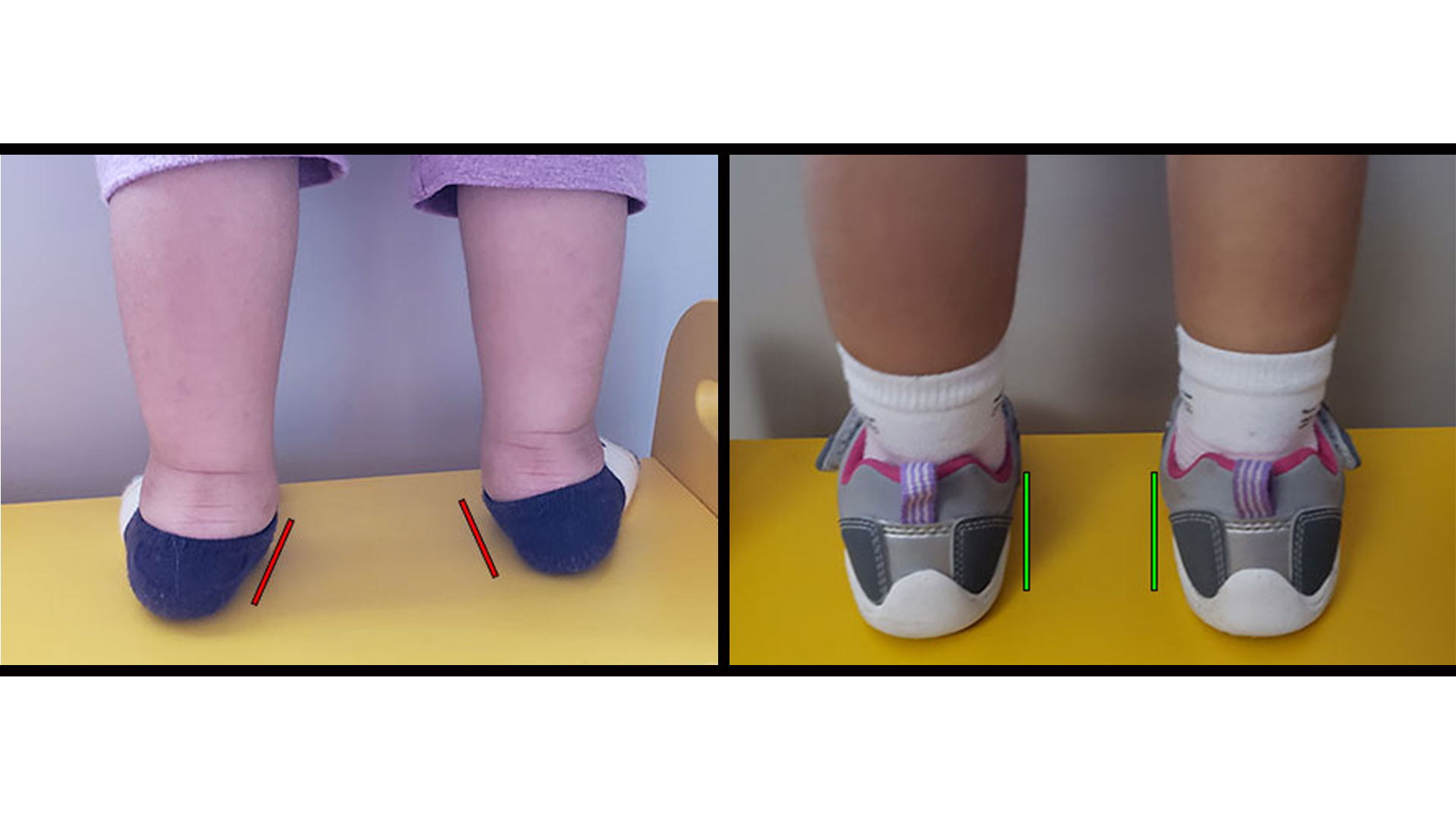
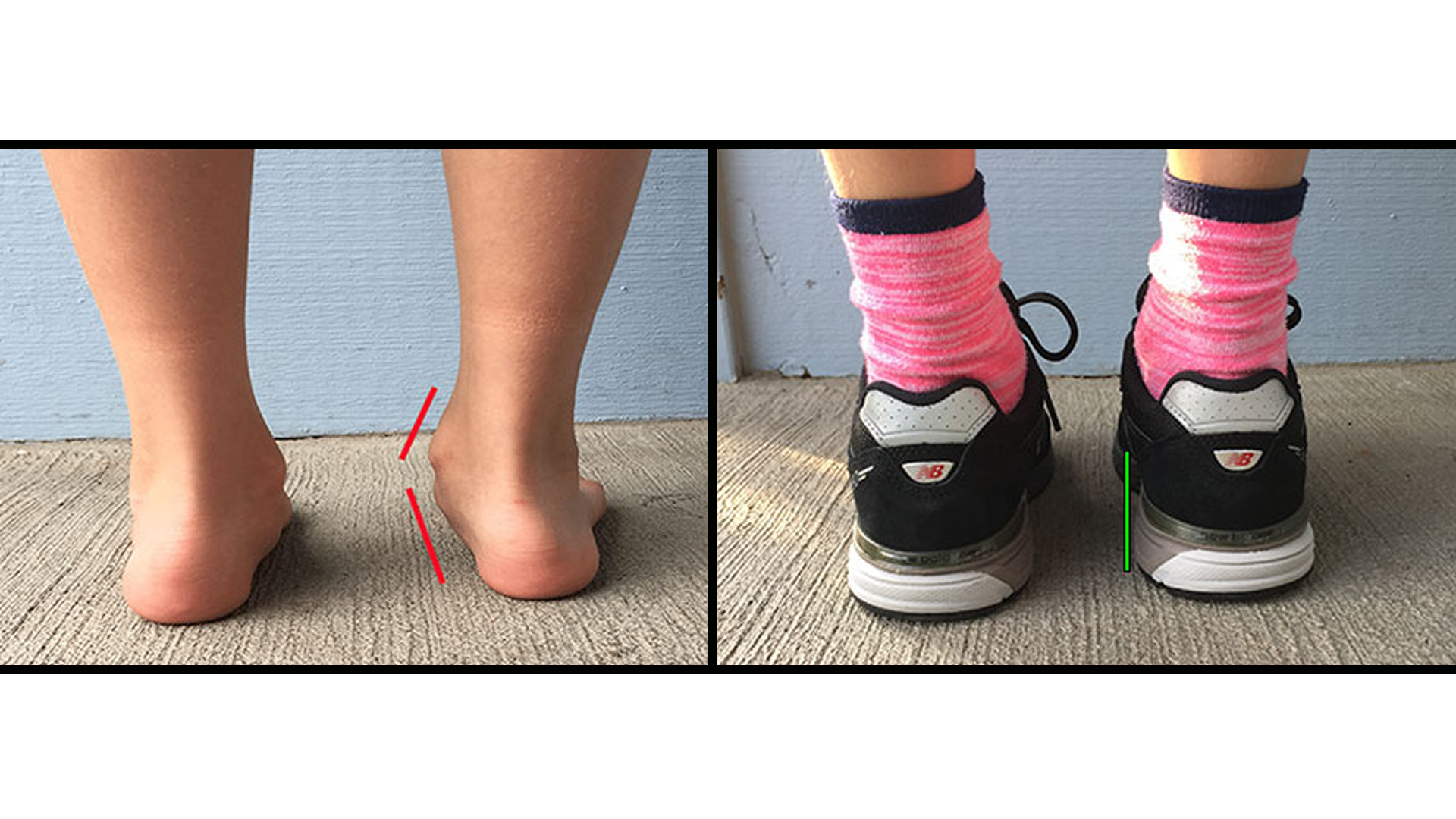
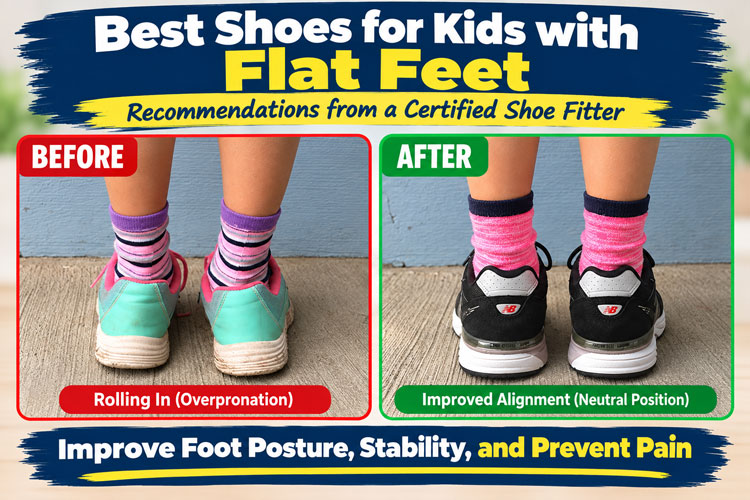
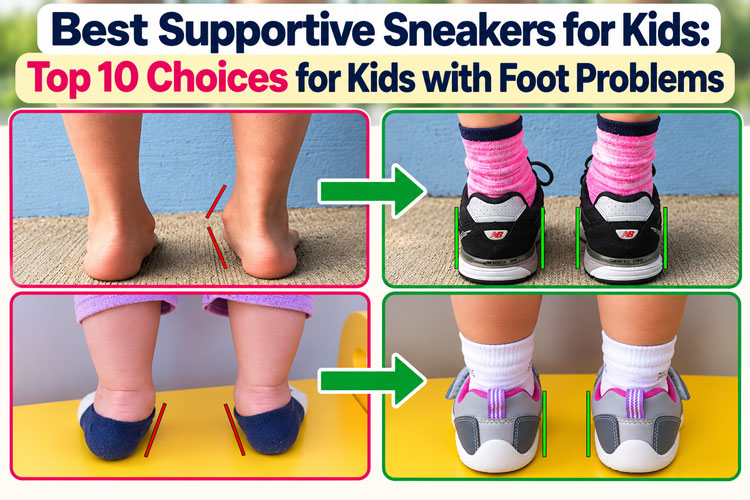
The images below show how powerful supportive shoes can be—they don’t just improve foot posture, they can also enhance walking gait and overall alignment.
The first image shows a two-year-old flat-footed toddler with a mild degree of pronation standing barefoot and then wearing a pair of supportive sneakers.

The second image shows an older flat footed child with a moderate degree of pronation standing barefoot versus wearing supportive sneakers.

How to Tell if Your Child’s Shoes Are Supportive
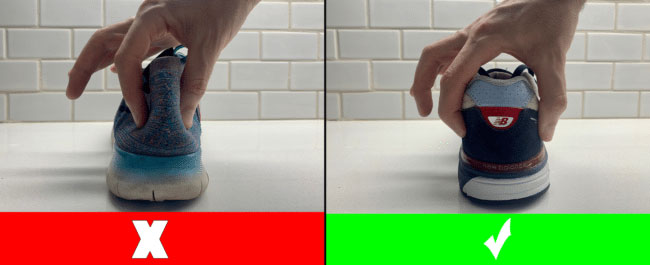
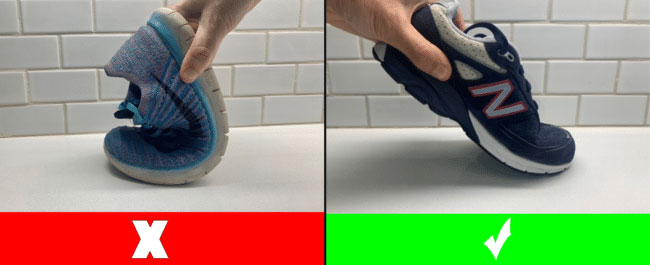
Parents can quickly check whether a sneaker provides proper support by performing three simple tests:
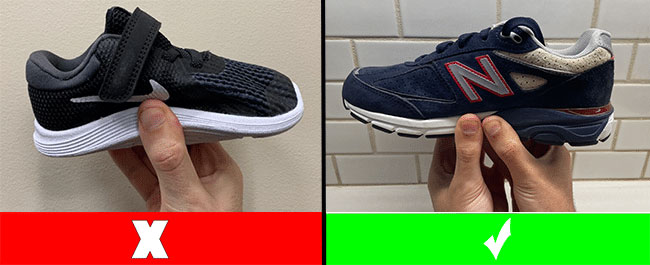
Heel Counter Test: Press inward on the back of the shoe. A supportive sneaker should feel firm and resist pressure. A strong heel counter helps stabilize the heel and prevents the foot from rolling inward.

Flex Test: Hold the shoe at both ends and bend it. A supportive sneaker should bend at the toes but remain stable through the middle. Shoes that fold in half usually lack the structure needed to support growing feet.

Twist Test: Hold the shoe at both ends and try to twist it like a towel. Supportive sneakers should resist twisting and maintain their shape.

Customizing Fit for Unique Foot Shapes with My Virtual Guide
Every child’s foot is unique, with variations in arch height, width, and instep height. It’s crucial to find shoes that accommodate these differences. A shoe that fits well will provide better support and comfort, reducing the likelihood of blisters or pressure points.
I created a virtual fitting guide that makes finding the right shoes for your child simple and stress-free. It helps you determine your child’s exact foot shape (narrow, medium, wide, or extra wide), identify foot conditions like flat feet or high arches, and determine you the exact shoe size to order online—complete with the right growing room.
Top 10 Supportive Sneakers for Kids
Every shoe below passes all three structural tests and has been selected based on hands-on fitting experience with children who have flat feet, overpronation, weak ankles, and related conditions. They cover a wide range of ages, foot widths, budgets, and use cases.
Disclosure: Some links in this article are affiliate links. Any commission earned comes at no extra cost to you and helps keep this resource free.
1. Shoe Style 990v6 by New Balance
Best for: Toddlers through big kids | All foot conditions | Medium, Wide, and Extra Wide feet
The 990v6 is the shoe I recommend most consistently for children with foot and gait conditions, and the results back it up. The heel counter is among the firmest available in a mainstream children’s athletic shoe, the midsole is dense enough to resist lateral compression, and the outsole provides a wide, stable base. It’s the most commonly recommended shoe by the pediatric physical therapists and orthopedic specialists I work with.
The price is the most common objection from parents — it’s higher than most children’s sneakers. But the construction quality, the structural performance, and the durability make it the right investment for children who genuinely need support.
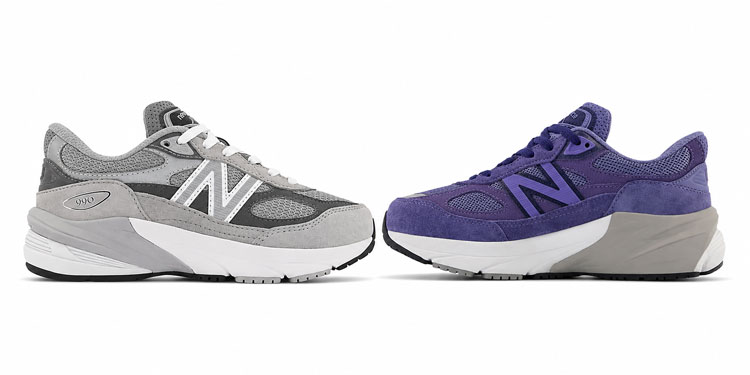
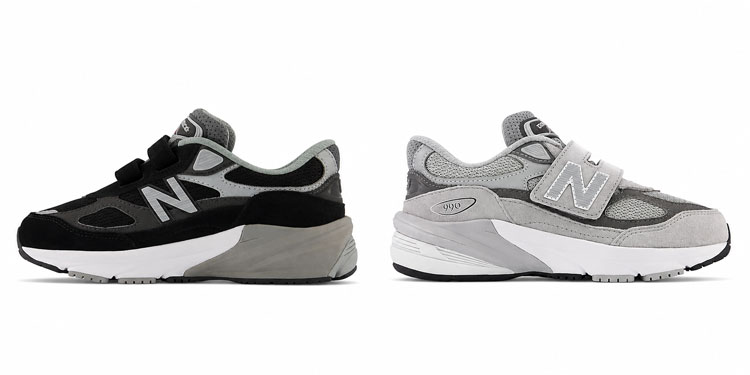
Key Features:
Key Features
- Available for toddlers, little, and big kids
- Order with laces on the New Balance website or Amazon
- Velcro version also available on the New Balance website or Amazon
- Accommodates medium, wide, or extra wide feet
- Firm heel counters, stable base of support, and semi-straight lasts
- Ideal for moderate to strong cases of pronation
- Removable insoles
- Sizing tip: Order a half size larger than your child’s current foot size
2. Shoe Style Gabi and Alvin by Memo (Orthopedic Shoe)
Best for: Toddlers and little kids | Moderate to significant foot conditions | Medium and wide feet
The Memo Gabi is a purpose-built orthopedic shoe designed for children whose foot conditions require more correction than a standard athletic shoe can provide. The reinforced heel counter, rigid outsole, and double velcro strap system deliver structural support you simply won’t find in mainstream footwear.
This is the shoe I recommend when supportive sneakers haven’t been sufficient on their own, or when a physical therapist has specifically recommended orthopedic footwear. It’s more clinical in appearance and comes at a premium price, but for the right child it’s the most effective option on this list.
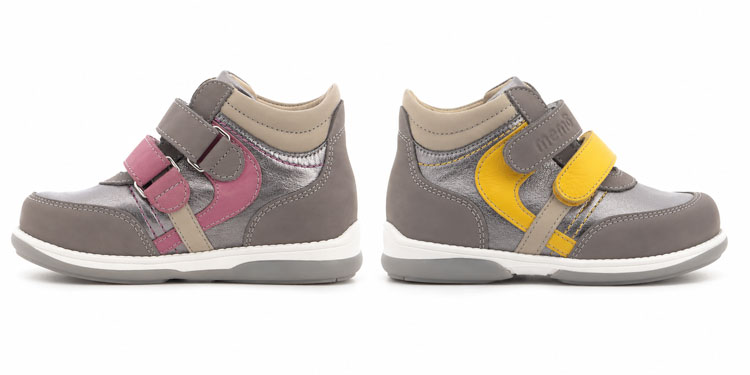
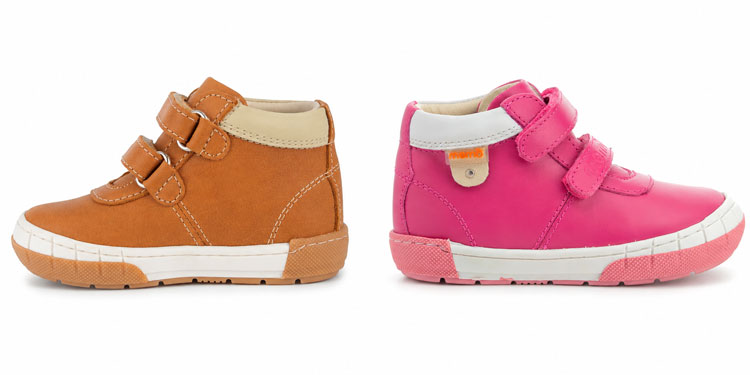
Key Features:
Key Features
- Available for toddlers and little kids
- Order the model Gabi or Alvin on Amazon
- Also available in a Mary Jane style and a version for older kids called Memo Polo
- Accommodates medium and wide feet
- Ideal for moderate to strong cases of pronation
- High-top design with stiff heel counters
- Sizing tip: Order a half size larger than your child’s current foot size. Refer to Memo sizing chart
3. Shoe Style Elliott by Stride Rite
Best for: Toddlers only | Flat feet, weak ankles, overpronation | Medium, Wide, and Extra Wide feet
For toddlers, ankle coverage provides an important layer of support that a low-cut shoe can’t match. The Elliott’s high-top bootie design wraps the ankle, adds lateral stability, and reinforces the corrective effect of the heel counter — particularly valuable for very young children whose ankles are still weak and prone to rolling inward.
It’s affordable, easy to get on and off, and provides far more structure than a typical toddler sneaker.

Key Features:
Key Features
- Available for toddlers
- Order on Amazon
- Accommodates medium, wide, or extra wide feet
- Ideal for mild to moderate cases of pronation
- 100% leather construction
- High-top design provides extra ankle support
- APMA Seal of Acceptance
- Sizing tip: Order a whole size larger than your child’s current foot size
4. Shoe Style 574 by New Balance
Best for: Toddlers through big kids | Mild to moderate foot conditions | Medium, Wide, and Extra Wide feet
The 574 delivers reliable structural support at a significantly lower price than the 990v6. The heel counter is firm, the midsole provides solid density, and the wide width range makes it a practical everyday shoe for children with broader feet. For families who need a capable supportive shoe without the premium price, this is the first alternative I suggest.
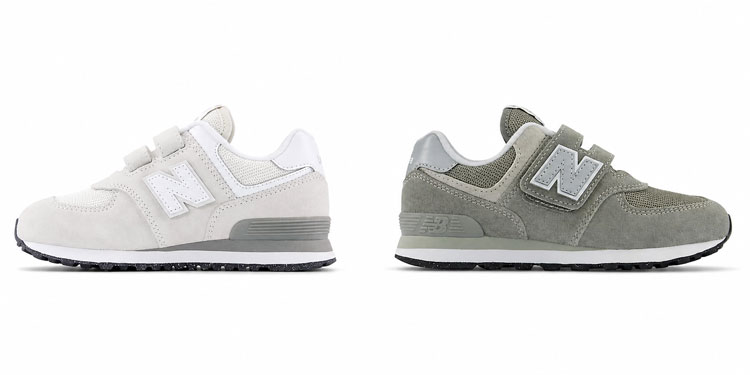
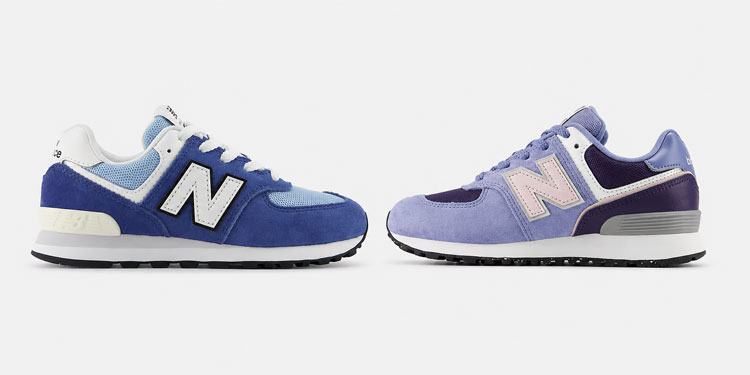
Key Features:
Key Features
- Available for toddlers, little, and big kids
- Order on Amazon or the New Balance website
- Also available with laces on the New Balance website or Amazon
- Accommodates medium, wide, or extra wide feet
- Ideal for mild to moderate cases of pronation
- Firm heel counters
- APMA Seal of Acceptance
- Sizing tip: Order a half size larger than your child’s current foot size
5. Shoe Style Tracks by Timberland
Best for: Toddlers and little kids | Flat feet, weak ankles | Medium and wide feet
The Tracks is built for rugged, outdoor use — water-friendly, high-topped, and structurally robust. The high-top design adds ankle support that low-cut shoes can’t provide, and the outsole handles uneven terrain well. A strong choice for children who spend time outdoors, on trails, or in wet conditions.
The trade-off is weight — it’s heavier than all other shoes on this list, which may be a factor for younger walkers.

Key Features:
Key Features
- Available for toddlers and little kids
- Order on Amazon
- Accommodates medium or wide feet
- Ideal for mild to moderate cases of pronation
- High-top design for extra ankle support
- Water-friendly construction
- Sizing tip: Order a whole size larger than your child’s current foot size
6. Shoe Style Cohesion by Saucony
Best for: Little and big kids | Mild to moderate foot conditions | Medium and wide feet
The Cohesion is the most accessible shoe on this list price-wise, and it earns its spot. The heel counter is appropriately firm, the cushioning is solid, and it’s available in both Velcro and lace versions. For families managing tighter budgets or looking for a reliable second pair, this is the strongest value option available.
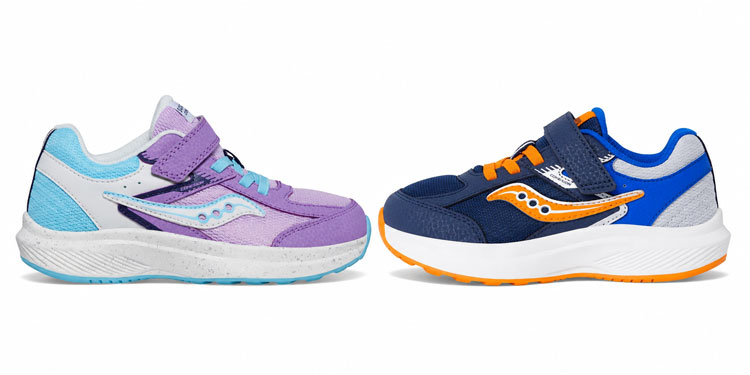
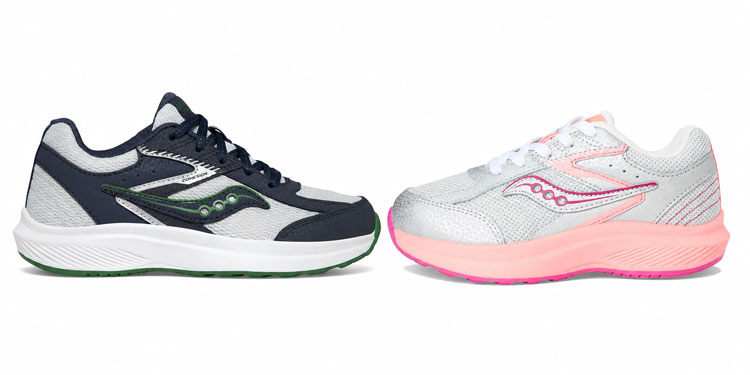
Key Features:
Key Features
- Available for little and big kids
- Order on Amazon
- Also available with laces on Amazon
- Accommodates medium or wide feet
- Ideal for mild to moderate cases of pronation
- Firm heel counters and stable base of support
- Sizing tip: Order a whole size larger than your child’s current foot size
7. Shoe Style Fresh Foam Arishi v4 by New Balance
Best for: Toddlers through big kids | Mild to moderate foot conditions | Medium, Wide, and Extra Wide feet
Some children — particularly those with sensory sensitivities — resist wearing firmer structural shoes because the feel is uncomfortable. The Arishi v4 uses New Balance’s Fresh Foam cushioning to deliver a noticeably softer underfoot feel while still maintaining the heel counter firmness and midsole density that supportive shoes require.
A shoe worn consistently every day will always outperform a technically better shoe that the child refuses to wear. This is the shoe that gets worn.
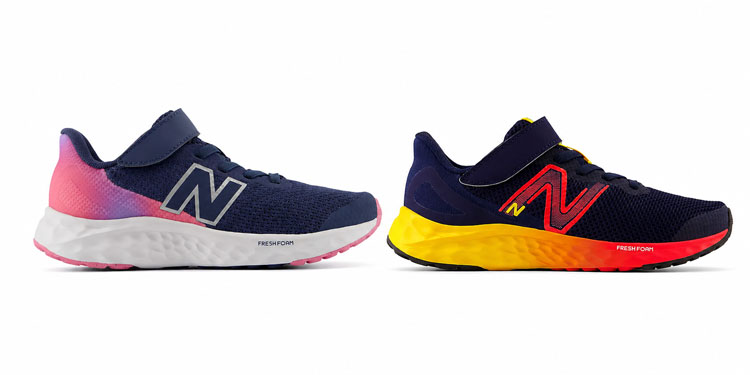
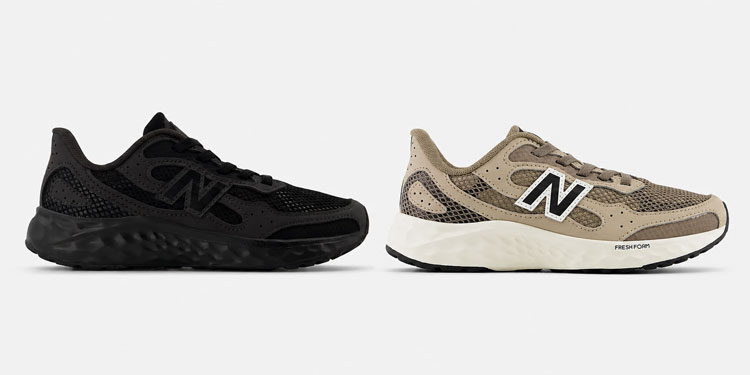
Key Features:
Key Features
- Available for toddlers, little, and big kids
- Order on the New Balance website or Amazon
- Also available with laces on Amazon or the New Balance website
- Accommodates medium, wide, or extra wide feet
- Ideal for mild to moderate cases of pronation
- Semi-firm heel counters
- Sizing tip: Order a whole size larger than your child’s current foot size
8. Shoe Style 2002/1906 by New Balance
Best for: Toddlers through big kids | Moderate foot conditions | Medium and wide feet
The 2002 sits between the Arishi and the 990v6 in both price and structural support level. It offers New Balance’s reliable construction quality at a more moderate price point — a dependable all-round pick for families who want more than the entry-level options but aren’t ready for the 990v6 investment.


Key Features:
Key Features
- Available for toddlers, little, and big kids
- Order the 2002 or 1906 on the New Balance website
- Accommodates medium or wide feet
- Ideal for moderate to strong cases of pronation
- Firm heel counters, stable base of support, and semi-straight lasts
- Sizing tip: Order a whole size larger than your child’s current foot size
9. Shoe Style Cross Em Up by Adidas
Best for: Little and big kids | Flat feet, weak ankles, overpronation | Medium and wide feet
This basketball-inspired high-top delivers excellent ankle support and lateral stability — features that happen to align perfectly with what children with flat feet, weak ankles, or overpronation need during active play and sports. It’s built to handle the demands of court sports and dynamic movement while providing meaningful structural support.

Key Features:
Key Features
- Available for little and big kids
- Order on Amazon
- Accommodates medium or wide feet
- Ideal for mild to moderate cases of pronation
- High-top design for additional ankle support
- Versatile — suitable for sports and everyday wear
- Sizing tip: Order a whole size larger than your child’s current foot size
10. Shoe Style GT-1000 by Asics
Best for: Little and big kids | Moderate foot conditions | Narrow and medium feet
Most supportive children’s shoes run on the wider side, which leaves narrow-footed children with very limited options. The GT-1000 fits a narrower profile naturally while still delivering a firm heel counter, structured midsole, and stable outsole. If your child has slim feet and needs support, start here.

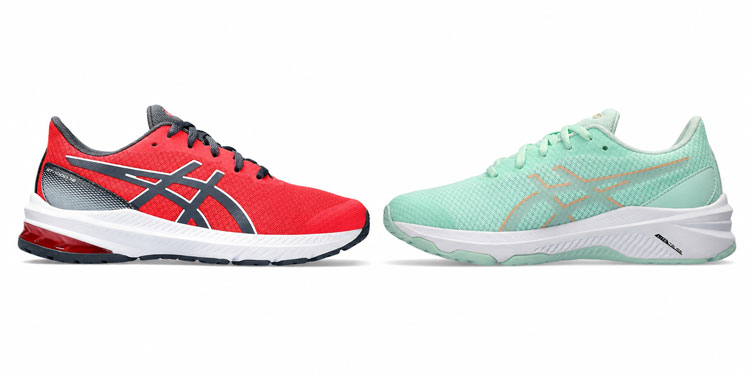
Key Features:
Key Features
- Available for little and big kids
- Order on Amazon
- Accommodates narrow or medium feet
- Ideal for mild to moderate cases of pronation
- Firm heel counters, stable base of support, and semi-straight lasts
- Sizing tip: Order a whole size larger than your child’s current foot size
The list is updated regularly to reflect new supportive sneaker models and discontinued styles.
Do Arch Support Sneakers for Kids Exist?
Technically, most kids’ sneakers do not come with built-in arch support like adult orthotics or specialty shoes. However, well-designed children’s shoes provide a stable base of support and firm heel counters, which help keep the foot aligned and reduce overpronation. This structural support compensates for the lack of a traditional arch insert, helping your child maintain proper posture, walking gait, and overall foot stability while their feet are still developing.
Barefoot vs. Supportive Shoes
There has been long been debate over whether kids benefit more from walking barefoot or wearing supportive shoes. Going barefoot can help strengthen foot muscles in children with healthy feet, but it’s not practical—or safe—for kids with poor foot posture, pain, or stability issues. For everyday activities, supportive sneakers are the smarter choice, providing comfort, protection, and the stability growing feet need.
Should Your Child Also Wear Orthotics?
Many parents wonder if their child needs orthotics. While orthotics can be helpful for certain foot conditions, it’s best to start with supportive shoes and see how your child responds. If you notice ongoing pain or discomfort, consulting a healthcare professional is a smart next step. I also recommend checking out my guide to the two most effective orthotics for children—these were the top picks I fitted at the children’s shoe store, and I’ve seen firsthand how well they support growing feet and help address common foot issues.
Frequently Asked Questions
No. Children with healthy feet and normal gait don’t require structured footwear. Supportive sneakers are most beneficial for children with flat feet, overpronation, weak ankles, heel misalignment, low muscle tone, knock knees, or foot and leg pain.
Many parents notice an improvement in posture and gait almost immediately after fitting their child in a supportive shoe — the before-and-after change is often visible on the same day. Pain relief may take a few weeks of consistent wear. Structural improvements to foot alignment happen gradually over months, especially in younger children.
Supportive sneakers are structured everyday athletic shoes with firm heel counters, stable midsoles, and good construction — they look and function like regular sneakers. Orthopedic shoes (like the Memo Gabi) are purpose-built corrective footwear with more rigid structures designed for more significant conditions. Most children do well with supportive sneakers; orthopedic shoes are for cases where standard athletic footwear hasn’t been sufficient.
The Long-Term Impact of Supportive Footwear
Investing in supportive footwear can have long-term benefits for your child’s health. Properly supported feet can prevent the development of chronic issues like plantar fasciitis or knee pain later in life. By choosing the right sneakers now, you’re setting the foundation for a lifetime of good foot health.
If you have questions about your child’s specific foot shape or condition, feel free to reach out at customerservice@fittingchildrenshoes.com. Every child’s feet are different, and personalized guidance makes a real difference in outcomes.
Do you have any recommendations for winter boots?
When it comes to snow boots, support isn’t really a concern since most snow boots don’t offer much support, and they’re typically worn for short periods (no more than 4 hours at a time). However, if you’re looking for an insulated hiking boot with good support, I do have a few great options in mind.
To give you the best recommendations, could you please let me know:
1- Your child’s foot shape (narrow, medium, wide, or extra wide)
2- Their current shoe size
3- The country you’re contacting me from, so I can suggest models available in your region
Hi! Thank you so much. I emailed over a video and some pictures of her feet. We live in Alaska, so boots are needed pretty frequently 🙂
Hello Taylor,
I just responded to your email. Let me know if you have any other questions.