How to Fit Orthotics in Shoes: The Most Effective Method
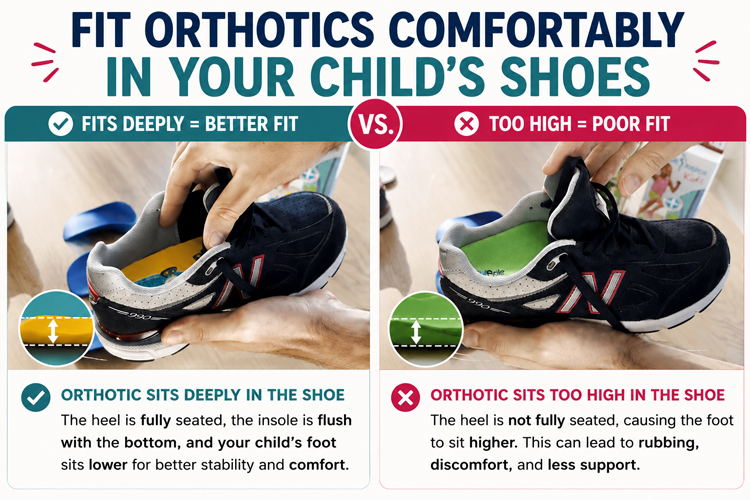
As a children’s shoe fitter with years of experience, I’ll walk you through the most effective way to fit orthotics in kids’ shoes so your child gets the full support and stability they’re meant to provide. A poorly fitted orthotic can do more harm than good, so let’s make sure your child gets the support they need from the ground up. Whether your child wears full-length or ¾-length orthotics, SMOs, or AFOs, here’s the easiest, most effective way to get them properly fitted — so your child doesn’t end up refusing to wear them.
Whether your child is dealing with flat feet, foot pain, plantar fasciitis, or balance issues, orthotics can provide essential support — but only if they’re fitted properly inside the shoe.
How to Fit ¾-Length Orthotics
In most cases, ¾-length orthotics fit comfortably on top of the existing insole. If the shoe still closes easily and your child feels comfortable, you don’t need to remove anything.
Sometimes keeping the original insole in place isn’t the best option, though. If your child has a “tricky” foot shape — wide or extra wide feet, or a high instep — removing the original insole can create the extra space needed for a comfortable fit. But if you remove it entirely and place the ¾-length orthotic on its own, there won’t be any cushioning under your child’s toes, which can cause rubbing or discomfort. Here’s how to avoid that:
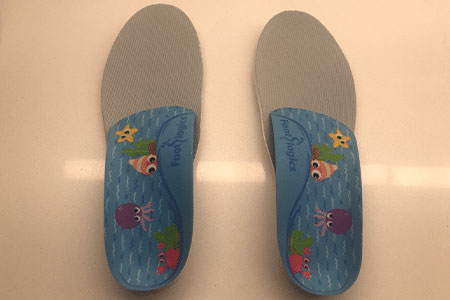
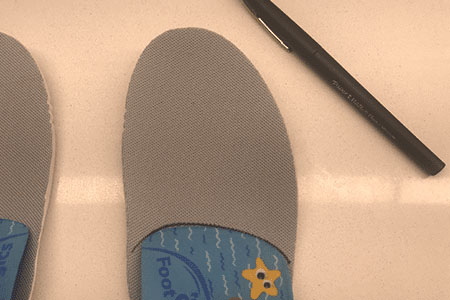
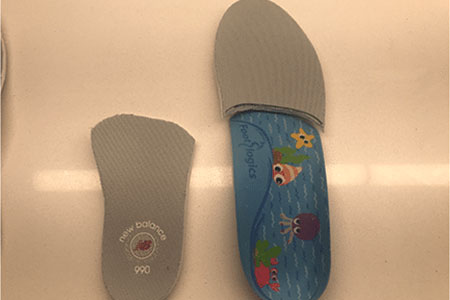
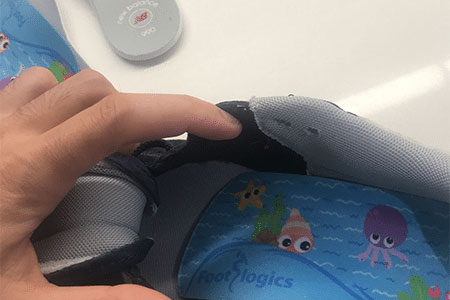
This way, your child’s toes stay cushioned while the orthotic fits properly through the heel and arch.
How to Fit Full-Length Orthotics
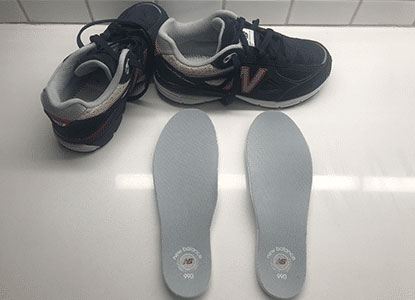
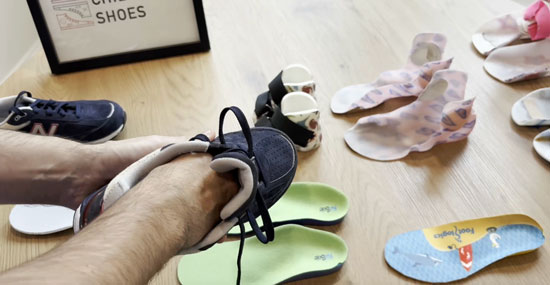
Watch: Fitting Orthotics Inside Kids’ Shoes
This video walks through the process step by step for ¾-length, full-length, SMO, and AFO orthotics, so you can see exactly how each one should sit inside the shoe.
What Shoes Work Best for Orthotics?
Only certain shoes are genuinely compatible with orthotics, and choosing the wrong type reduces how well the orthotic can do its job. Since the shoe is what connects the orthotic to the ground, it needs the right structure and support — otherwise the orthotic won’t work as intended, no matter how well it’s fitted. In my experience, fitting orthotics well usually means going with wide or extra wide widths, and a roomier toe box matters more than most parents expect.
Avoid buying bigger shoes just to make room for the orthotic — that trades away the very stability the orthotic is supposed to provide.
See my dedicated guide to supportive shoes for orthotics for specific picks that consistently deliver the depth and structure orthotics need.
If your child starts mentioning heel slippage, don’t rush to size down. First make sure you’ve chosen a laced shoe — I recommend laces over Velcro for this specific reason — and try a dedicated lacing technique built for orthotics. The right lacing method can make a real difference in keeping both the shoe and the orthotic secure.
Certain Orthotics Are Easier to Fit Than Others
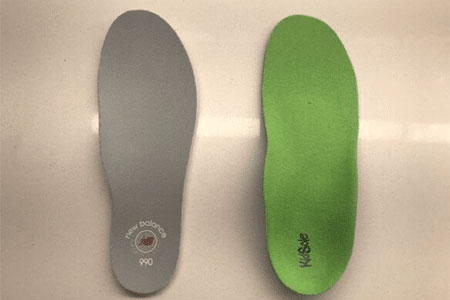
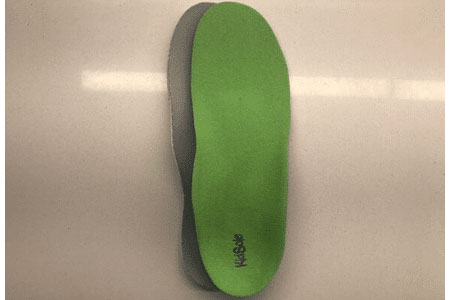
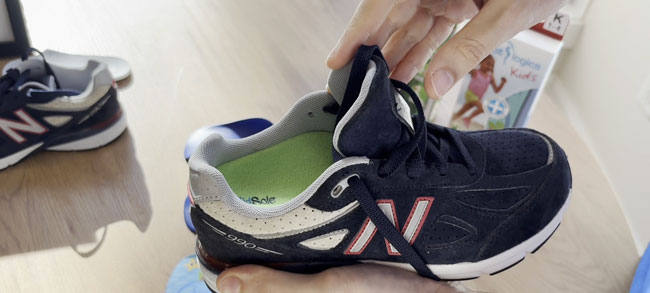
Even within full-length orthotics, some are bulkier and take up extra space, while others are lower-profile and slide in more easily without sacrificing support. Here’s a real side-by-side comparison to show what I mean.

Reach Out with Any Questions or for Specific Shoe Recommendations
Finding the right footwear for a child who wears orthotics is genuinely challenging. If you have questions or need recommendations tailored to your child’s specific orthotic and foot shape, reach out — I’m happy to help.
Frequently Asked Questions
Yes — “full-length” describes the coverage, not the thickness or profile. Two full-length orthotics from different manufacturers can sit very differently inside the same shoe, which is exactly why it’s worth checking the actual fit rather than assuming all full-length orthotics behave the same way.
Confirm the original insole was fully removed, then check lacing before assuming the orthotic itself is the wrong size. A properly laced shoe using the technique linked above resolves this in many cases without needing a different orthotic or shoe.
It works with most standard removable insoles, but if your child’s shoe already has a thin, non-removable liner rather than a proper insole, there may not be enough material to trim cleanly. In that case, a shoe with a genuine removable insole is the better starting point.