How to Fit Sports Insoles Inside Your Kids’ Cleats: Step-by-Step Guide
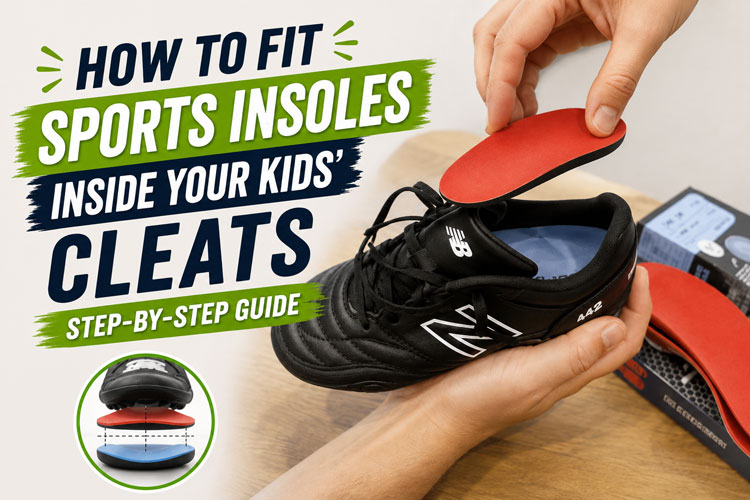
Does your child struggle with foot pain from conditions like flat feet, Sever’s disease, or plantar fasciitis — especially when playing sports? Many kids need extra support inside their cleats, but simply buying sports insoles isn’t enough on its own. A proper fit is what actually makes the difference between a comfortable, pain-free game and one where the insole isn’t doing its job. As a certified children’s shoe fitter with over a decade of experience helping kids with foot conditions, here’s exactly how to fit sports insoles inside cleats correctly.
When insoles don’t fit properly, kids risk discomfort, poor foot alignment, and injuries like blisters, aggravated plantar fasciitis, or ankle strain. A well-fitted insole, on the other hand, provides real arch support and cushioning — helping prevent injury while also improving performance through better energy transfer and less fatigue over a game.
A Step-by-Step Guide to Fitting Sports Insoles in Cleats
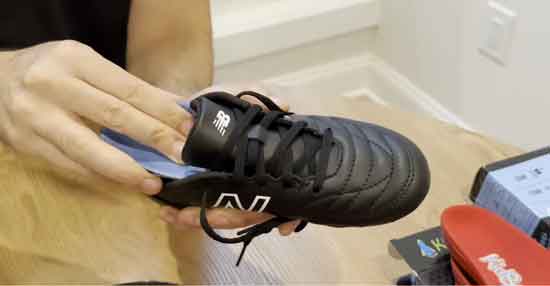
Step 1: Remove the existing insoles. With your new insoles in hand, gently remove the factory insoles from your child’s cleats. This is usually straightforward, but be gentle to avoid tearing the material. Once removed, clear out any debris inside the cleat for a clean start.
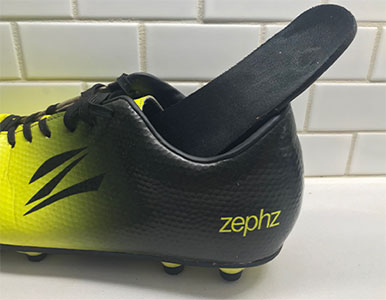
Step 2: Fit the new insole and check the alignment. The insole should lay flat against the bottom of the cleat — if it’s bunched up or too tight at the edges, it won’t provide the support it’s designed for. Slide your hand along the inside from heel to toe to check alignment, and make sure there isn’t too much extra space between the end of the insole and the end of the cleat.
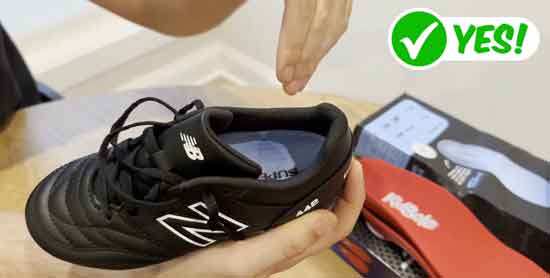
Step 3: Confirm the insole sits deep inside the cleat. A correctly fitted insole sits low and snug, as shown below.
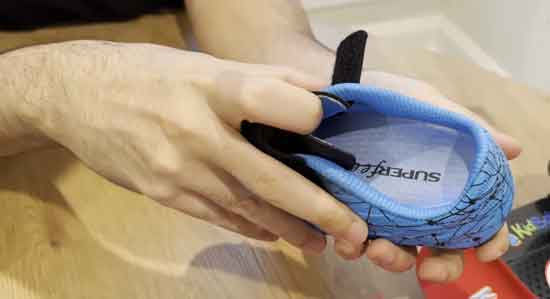
In some cases, you may need to trim the new insole for a perfect fit. Most insoles include trim guidelines to help you cut neatly and safely. Always trim conservatively — you can always cut away a little more, but you can’t add back material once it’s removed.
Watch My Video Walkthrough
For a visual walkthrough of this entire process, here’s my video demonstrating each step in detail.
Lace the Cleats to Keep the Insole in Place
Once the insole is fitted, it’s important to lace the cleats snugly so the insole stays put during play — secure enough to hold it in place, without being so tight it’s uncomfortable. A properly laced cleat lets the insole do its job without sliding around mid-game. I use a specific lacing technique for kids who wear orthotics or supportive insoles that works especially well here.
Choosing Cleats That Work Well With Insoles
Not all cleats are built the same, and some pair with added insoles better than others. Prioritize cleats with a firm heel counter and extra depth — these generally have the room and a removable factory insole needed for a proper custom fit. Make sure you’re also choosing the correct cleat for your child’s specific sport, whether that’s soccer, football, or another field sport.
When trying insoles with a new pair of cleats, have your child wear the same socks they’ll wear during games or practice, and have them walk, run, and go through a few sport-specific movements to check for slippage or discomfort before game day.
Why Professional Fitting Still Matters
It’s tempting to grab an off-the-shelf pair of cleats and insoles and call it done, but professional fitting is worth considering as a real step in the process — not an optional extra. A proper fitting looks at your child’s foot shape, arch type, gait, and sport-specific needs, and factors in room for growth, which matters more the younger and more actively growing your child is.
My virtual shoe fitting guide helps you determine your child’s shoe size, foot width (narrow, medium, wide, or extra wide), and whether they have a high instep — all from home, and free to use.
Reach Out with Any Questions
If you’re ever unsure about fit or which insoles to use, reach out — I’m happy to help guide you through the process, or recommend specific cleats if you let me know your child’s foot shape and sport.