Best Soccer Insoles for Kids with Heel Pain
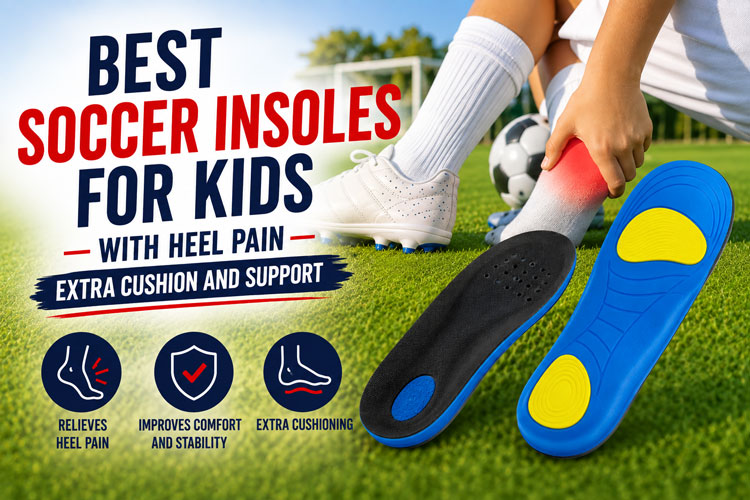
Children who play soccer face a higher risk of heel pain, often from conditions like Sever’s disease or plantar fasciitis. Ignoring it can make things worse, affecting both performance and how much your child actually enjoys the game. As a certified children’s shoe fitter, I’ve seen how pairing the right soccer cleats with the right insole relieves pain and keeps kids comfortable and active. Here are the two insoles I recommend most, and how to tell which condition you might be dealing with.
What’s Actually Causing Your Child’s Heel Pain?
Soccer’s running, jumping, and constant direction changes put real stress on young feet — and the heel absorbs much of that impact. Properly fitted, supportive cleats reduce this repeated trauma, but sometimes a child needs the extra cushioning and structure a good insole provides.
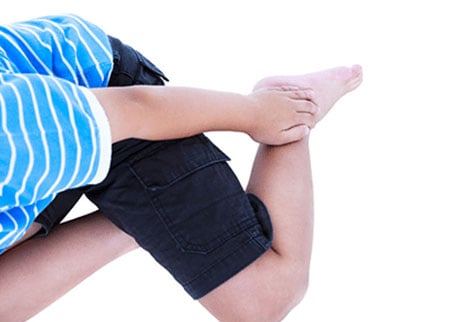
Sever’s Disease or Plantar Fasciitis: How to Tell the Difference
Sever’s disease is the most common cause of heel pain in kids, tied to physical activity like running and jumping. It happens when the growth plate in the heel becomes inflamed from repetitive stress. With Sever’s, pain tends to increase the longer the activity continues.
Plantar fasciitis is more typically an adult condition, but it does affect kids too — inflammation of the plantar fascia, the band of tissue connecting the heel to the toes. With plantar fasciitis, pain is usually worst at the start of activity and eases up after 10–15 minutes.
Both conditions can be managed with the right shoes and orthotics, but I’d strongly recommend confirming the diagnosis with a medical professional first, to rule out anything else going on.
What to Look for in a Soccer Insole for Heel Pain
Deep heel cups cushion and position the heel so it can naturally absorb and soften impact from the ground.
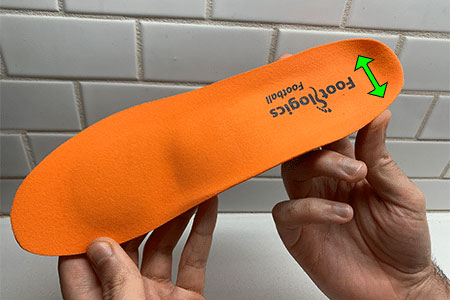
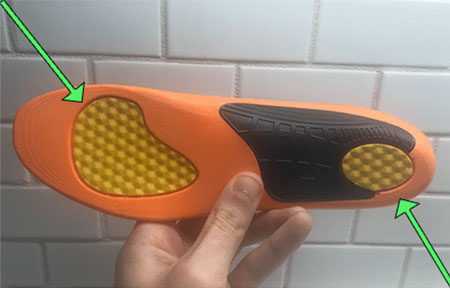
Cushioning gel pads absorb shock and reduce impact on the heel with every step, and help keep the insole from shifting inside the shoe during play.
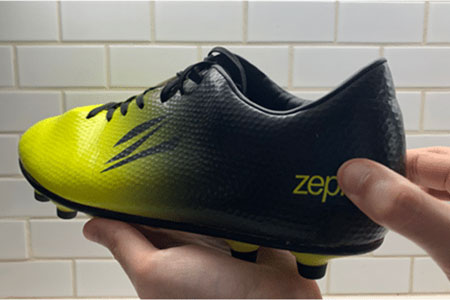
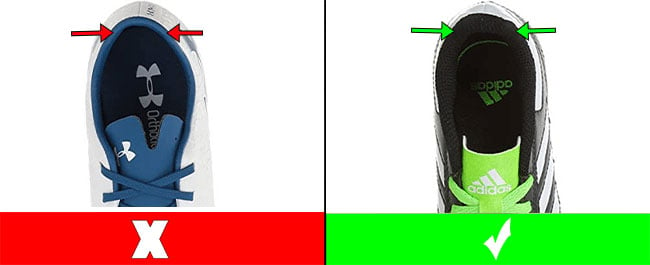
Before You Buy: Check the Cleat’s Heel Support First
Before spending money on insoles, make sure your child’s soccer cleats already offer solid heel support — insoles work best paired with a cleat that’s doing its part too. Press on the heel counter: if it feels firm rather than collapsing under light pressure, you’re in good shape.
Best Soccer Insoles for Kids with Heel Pain
Both of the insoles below are slim and low-volume, which matters for fitting inside a tight, low-profile soccer cleat without sacrificing comfort or support. Disclosure: some links below are affiliate links — I may earn a small commission at no extra cost to you if you click and purchase.
Sport Insole by Superfeet
Superfeet is a trusted brand offering sport insoles designed to support children with foot pain, providing the essential comfort and stability for various foot conditions.
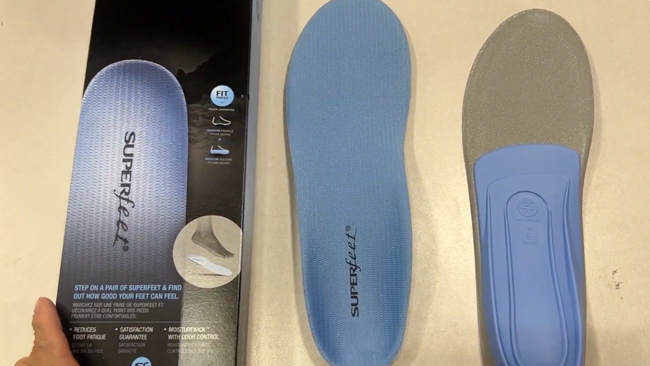
- Order the blue insoles made by Superfeet on Amazon
- Deep heel cups help position the heel to naturally absorb and soften impact from the ground
- Stabilizer cap acts as the base of the insole that supports the rearfoot
- These insoles can be trimmed to perfectly fit inside your kid’s shoes
Sport Insole by KidSole
KidSole is a top choice for affordable, high-quality children’s sport insoles. Designed for active kids, these insoles provide excellent support and comfort for various sports, ensuring your child can play their best without foot pain.
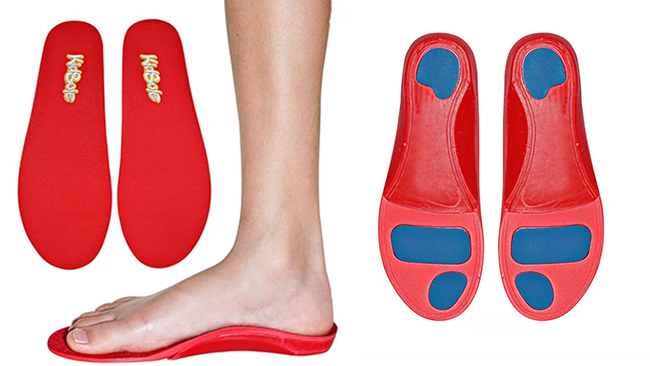
- Order the red sport insoles made by KidSole on Amazon
- Medical-grade lightweight PU foam for active kids with heel and arch issues
- Blue Poron grip pads to prevent slipping inside shoes
- Trim-to-fit design for easy, customizable sizing
Both of these have made a real difference for many of the kids I’ve fitted — some experience significant relief, others see the discomfort disappear almost entirely. One nice bonus: both move easily between cleats, running shoes, dress shoes, and boots, so they’re not a one-shoe-only investment.
How to Fit the Insoles Inside Soccer Cleats
1. Remove the original insoles. This creates the space the new insole needs to sit correctly.
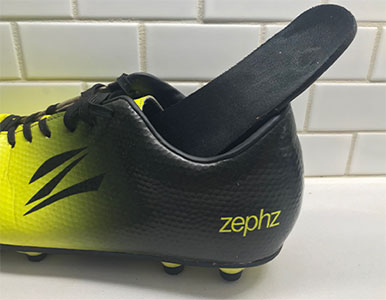
2. Insert and check the fit. Slide the new insole in, making sure it lays flat without bunching or creasing. Run your hand along the inside of the shoe to confirm it’s sitting properly.
For the complete step-by-step process with more detail, see my dedicated guide to fitting sports insoles inside cleats.
Supportive Cleats Still Matter
Thin, unsupportive cleats leave kids more vulnerable to heel pain in the first place. Look for cleats with extra padding around the heel and ankle — and remember that a higher price tag doesn’t automatically mean better support. See my full list of supportive soccer cleats for kids with heel pain for specific picks.
Lace to Keep the Insole in Place
Once the insole is in, a good lacing technique keeps it from shifting and adds extra heel support of its own. I recommend the same lock-lacing technique I use for orthotics — it works just as well here.
Don’t Wait and See
I always tell parents at the shoe store: don’t take a “wait and see” approach with heel pain. Left unaddressed, it can become chronic and much harder to resolve. Soccer puts more repetitive stress on the feet than a lot of other sports, which makes early attention especially worthwhile here.
Contact Me with Any Questions
If you have questions or need personalized recommendations for your child’s heel pain, reach out by email or leave a comment below — I’m happy to help.
Frequently Asked Questions
That depends on severity and cause, which is really a question for a doctor — many kids can keep playing comfortably once properly fitted cleats and an insole are in place, but persistent or worsening pain deserves a medical evaluation first.
It varies by child, but many parents notice improved comfort within a few games. If there’s no improvement after a few weeks, it’s worth reconsidering whether the cleat itself (not just the insole) needs to change.
Yes — both are versatile enough to move between soccer cleats, other sport cleats, and everyday shoes, so you’re not limited to using them in one pair.