How to Tell If Your Child’s Shoes Are Supportive: 4 Key Checks
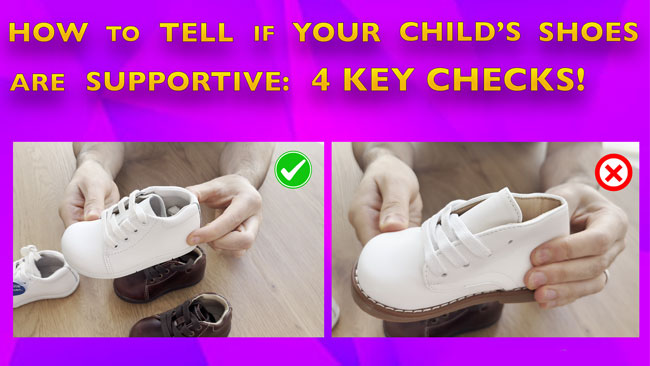
If your child has flat feet, weak ankles, low muscle tone, or overpronation, choosing truly supportive shoes is essential. The difference between supportive and unsupportive kids’ shoes isn’t always obvious—and the wrong pair can affect comfort, balance, and foot development.As a dedicated children’s shoe fitter, I’ll show you how to tell if your child’s shoes are supportive, so you can confidently check shoes in-store and find reliable options online (with links included). Remember, it’s not about the brand name—some models work better than others, even within the same brand.
For a shoe to be truly supportive, it needs to meet four essential criteria—and missing even one can make a big difference.
Step 1: Check the Heel Counter (The Back of the Shoe)
The heel counter is the back part of the shoe, and it plays a key role in supporting your child’s heels and ankles. The firmer it feels, the better the support it provides. To check this, simply press on the back of your child’s shoes—it should feel firm and sturdy, not soft or flimsy. This quick test can tell you a lot about whether a shoe is truly supportive.
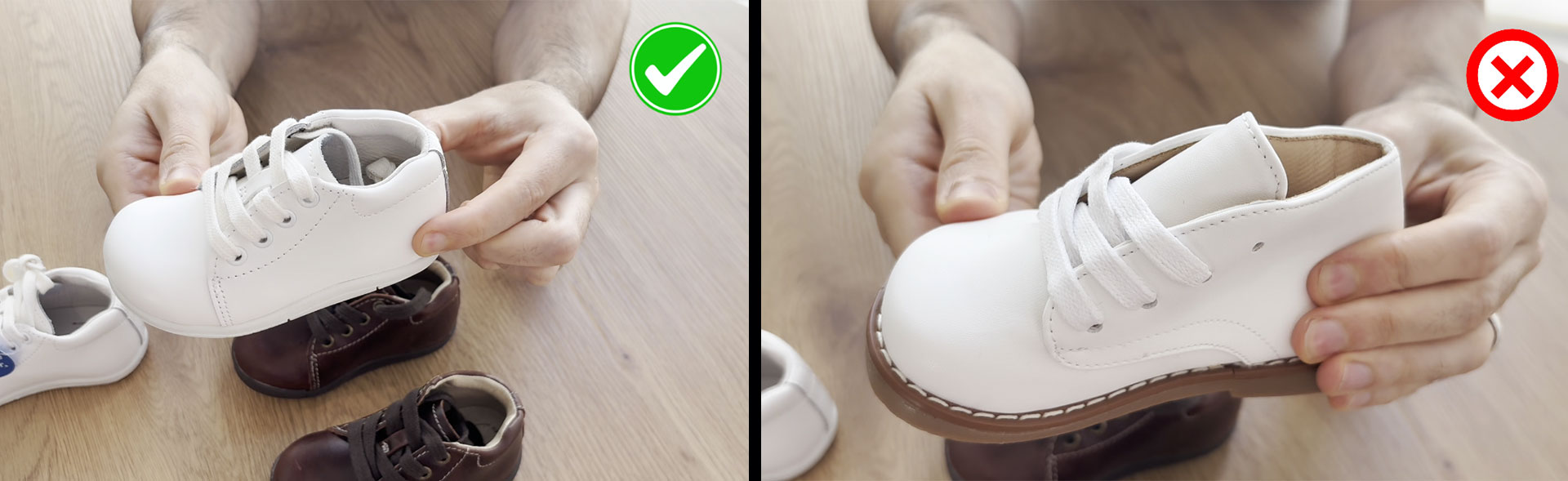
Watch my YouTube video to learn how to spot a firm heel counter in a shoe.
Step 2: Check the Base of the Shoe (Middle Part)
A shoe’s base plays a big role in overall stability. A stable base helps keep your child’s foot supported during walking and play, reducing the risk of ankle twists or falls. It also encourages proper foot alignment, which can improve posture and make movement feel more controlled and confident.
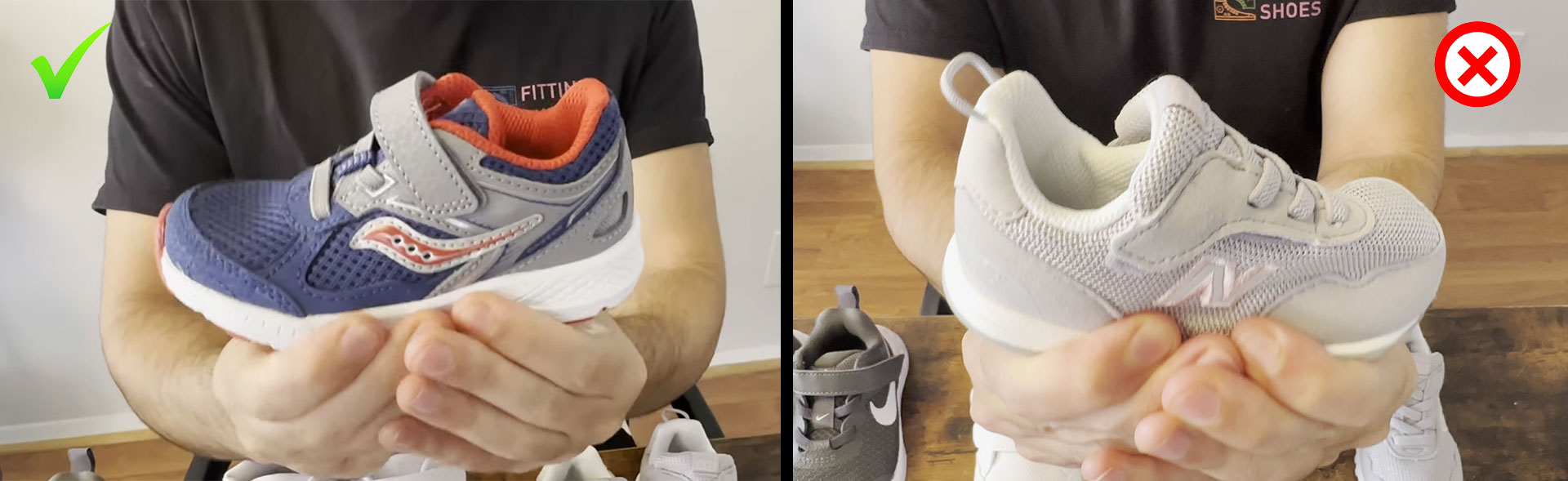
Watch my video guide to learn a simple test that helps you confidently check whether your child’s shoes offer a stable, supportive base.
Step 3: Check the Shoe’s Flexibility (Bend, Don’t Twist)
Supportive kids’ shoes should be lightweight and flexible in the right place. A good shoe should bend at the toes to allow natural movement—but it should never twist like a spiral. Too much twisting means a lack of support, which can affect balance and foot alignment.
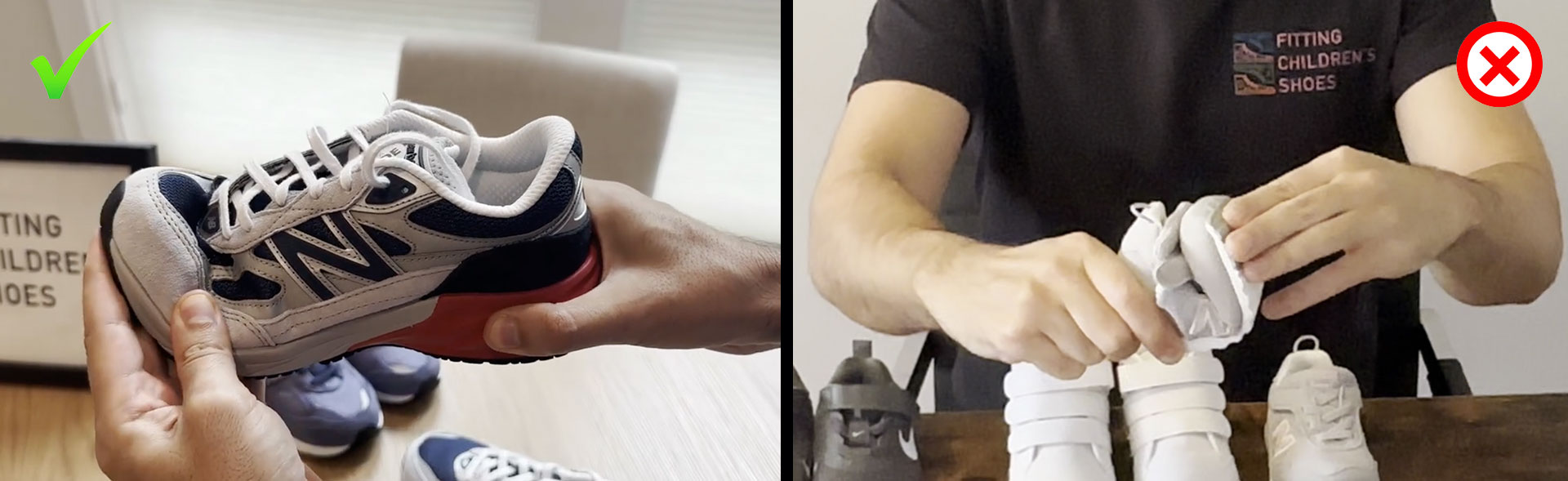
Watch the video to learn how to test whether your child’s shoes provide the correct flexibility.
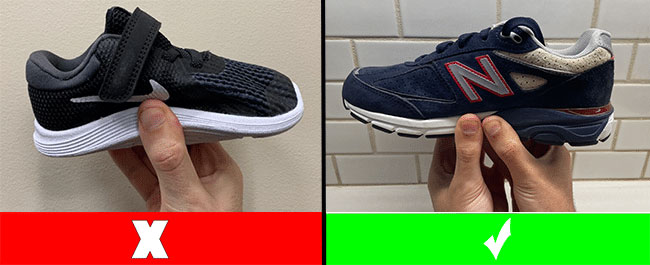
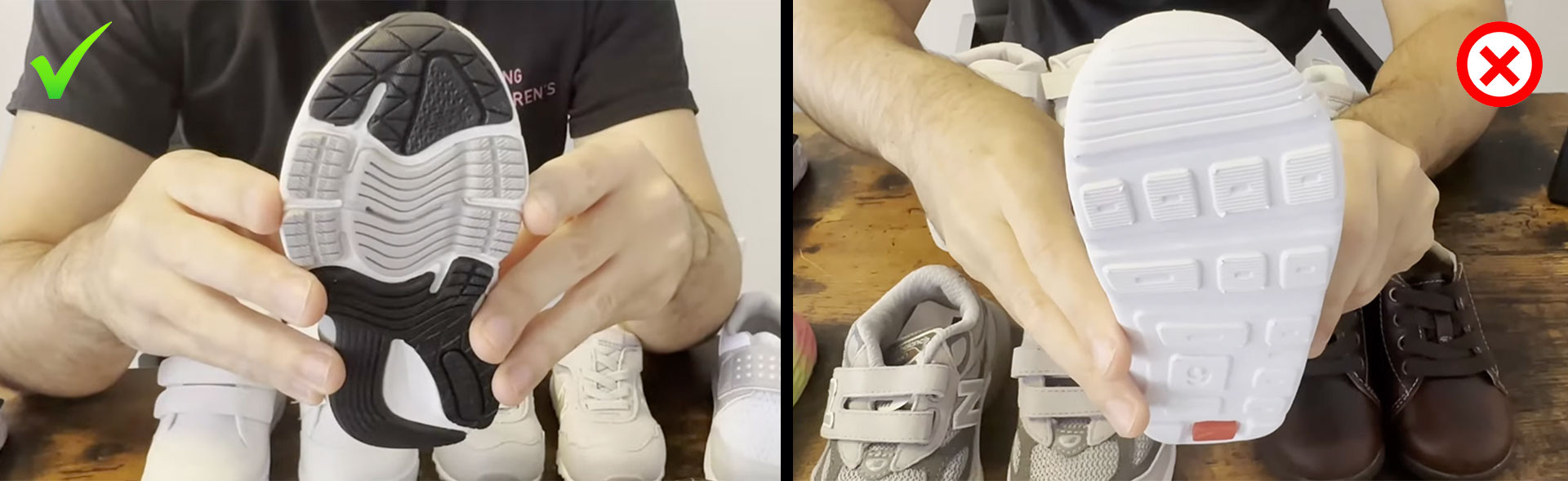
Step 4: Check the Shoe’s Shape (Straight Lasts Matter)
The bottom shape of a shoe—called the last—plays an important role in foot alignment. Shoes with a straight last help encourage proper foot positioning and improve overall posture, making them especially helpful for children with flat feet or overpronation.
Have Questions?
Still not sure whether your kids’ shoes are supportive? Reach out and I will help you figure this out! In the meantime, you can access a list of my top ten most supportive kids’s shoe recommendations below:
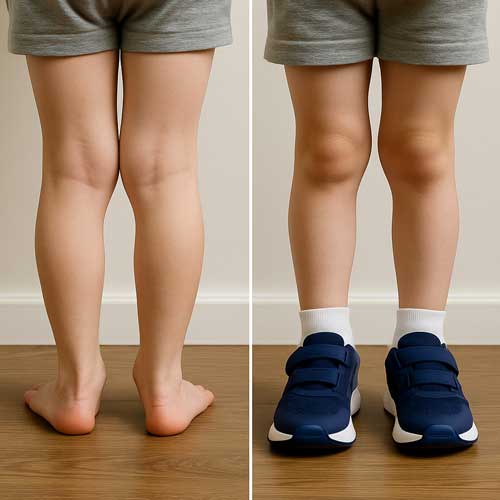
Discover the 10 most supportive sneakers for kids that help improve foot posture and stability for flat feet, weak ankles, overpronation, low muscle tone, and more. Learn more.