How to Tie Shoes for Heel Pain — Secure and Support Your Child’s Heels
Last updated: August 2026 | By Juan Valenzuela, Certified Children’s Shoe Fitter
Heel pain in children is more common than most parents expect. It can come from growth spurts, a sudden jump in physical activity, or — very often — footwear that isn’t giving the heel the support it needs. I’m a certified shoe fitter, and years ago a co-worker with over 20 years of experience in the field showed me the lacing technique below. It’s become the first thing I recommend to parents dealing with heel pain, because a snug, secure fit around the heel makes an immediate difference in how stable and supported a shoe feels.
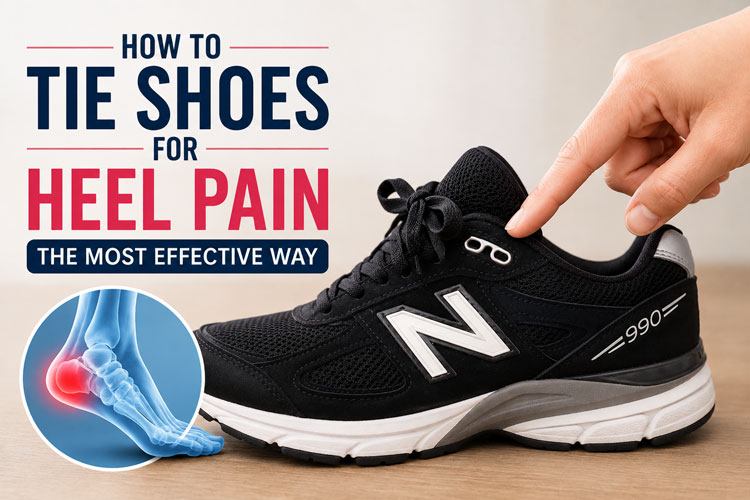
How to Tie Shoes for Heel Pain in 3 Simple Steps
The heel lock technique, also known as the “reverse the laces technique,” is excellent for providing extra support around the heel.
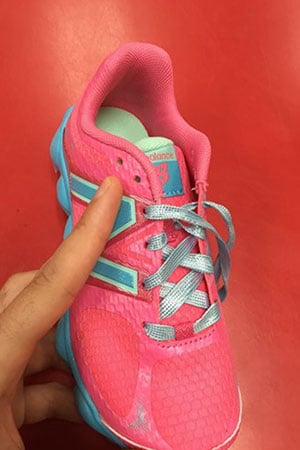
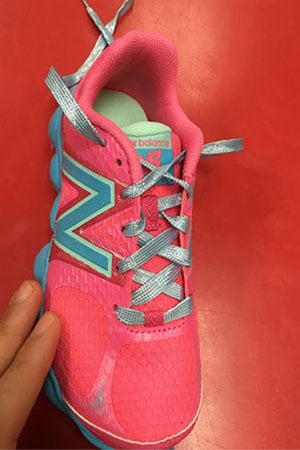
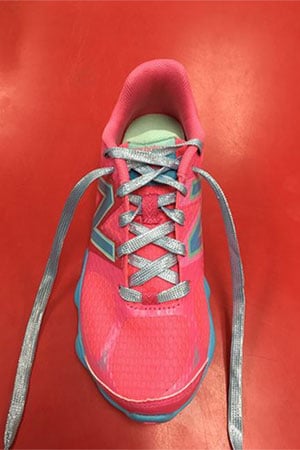
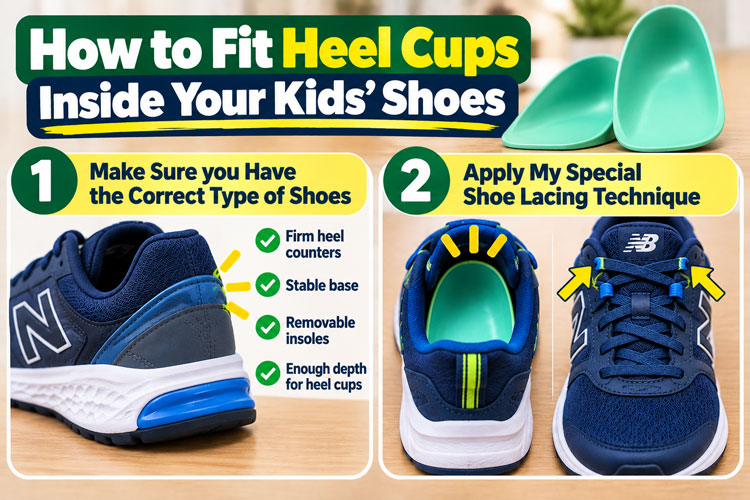
In my experience, this is the single most effective lacing method available, because it pushes the foot back and locks the heel firmly against the back of the shoe — giving your child the full support the shoe is designed to provide. It’s especially useful for kids who wear orthotics or heel cups inside their shoes, since it keeps everything properly seated instead of shifting during activity.
The goal is a fit that’s snug enough to cushion and support the heel, without being so tight that it feels uncomfortable. If your child’s laces seem to come untied constantly no matter how you tie them, that’s often the laces themselves rather than your technique — I’d steer away from flat shoelaces, since they tend to loosen and come undone much faster than round or oval ones.
Getting Durable Shoelaces for Your Child’s Shoes
Selecting the right shoelaces matters just as much as the lacing technique itself. Durable laces hold their tension through a full day of running, jumping, and playing, so the heel lock actually stays locked.
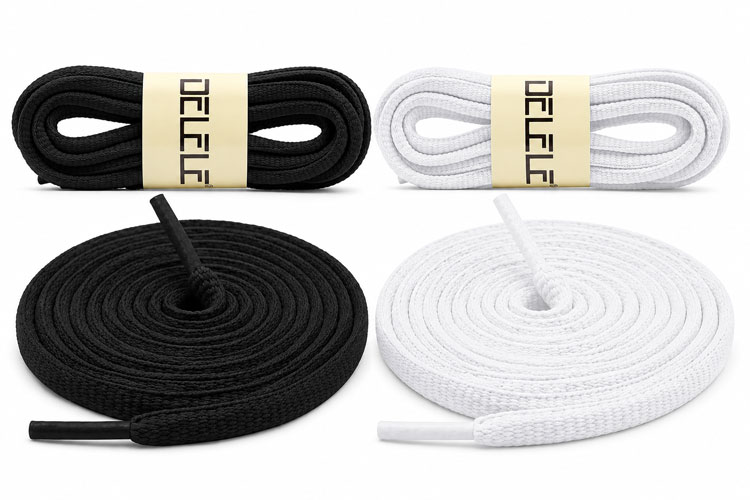
- Order on Amazon
- 1/4″ oval (half-round) profile, polyester construction
- Sold in packs of 2 pairs (4 individual laces)
- Available in 40+ colors and multiple lengths
- Count your child’s eyelets to order the correct length
- Disclosure: this post contains affiliate links
How to Check If Your Child Is Wearing Supportive Shoes
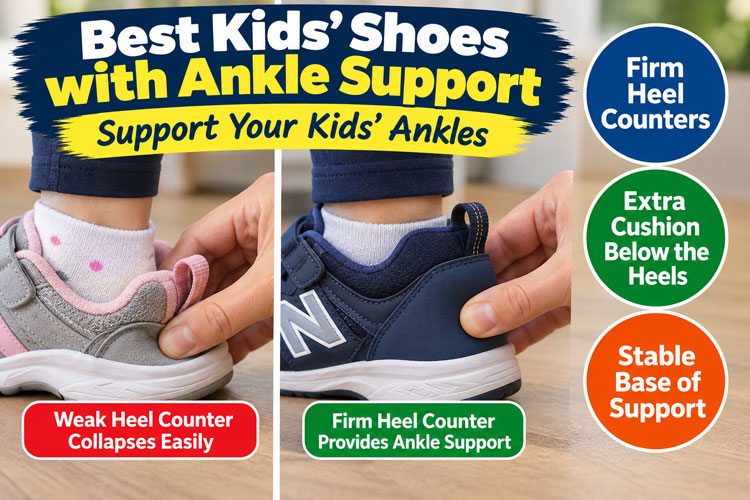
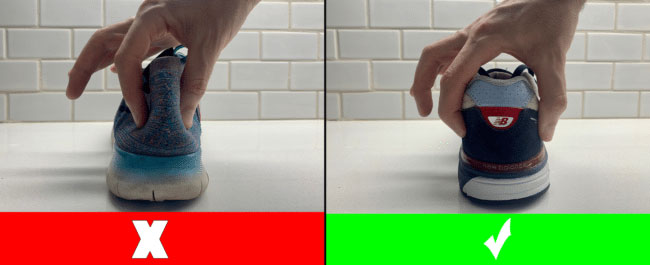
The heel lock technique only works as well as the shoe underneath it. It relies on a firm heel counter — the structured piece at the back of the shoe that cups the heel — to actually hold that lock in place. A soft or collapsible heel counter won’t give the lacing anything solid to work with.
Here’s a quick way to check: press firmly on the heel counter of the shoe with your thumb. It should feel firm and resist your pressure, not cave in easily.
Helpful Resources for Children with Heel Pain
Beyond correct lacing, a few other things can help manage and prevent heel pain:
Supportive footwear. Sneakers with firm heel counters provide the stability and cushioning needed to reduce strain on the heel — especially important for active kids in sports, where the right shoe can help prevent injury. Browse my picks for the best kids’ shoes for heel pain. For warmer months, look for sandals with extra cushioning right below the heel.
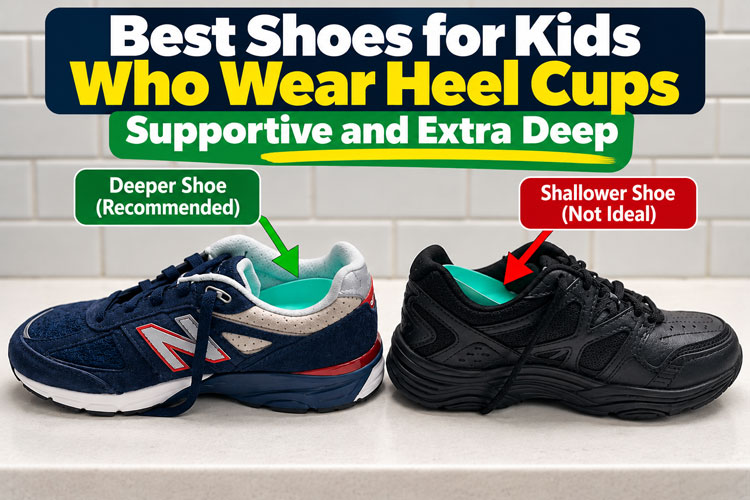
Heel cups. Heel cups sit inside the shoe and add extra cushioning, helping distribute pressure more evenly and reduce strain directly on the heel.
Contact Me with Any Questions
If you have questions or want personalized advice on footwear for your child’s heel pain, don’t hesitate to reach out directly. My goal is to help you find the right solution for your child’s foot health — heel pain can be frustrating to manage, but with the right lacing technique and the right shoes, most kids see real improvement.