Toddler Foot Pain – How Supportive Shoes Can Reduce or Eliminate It
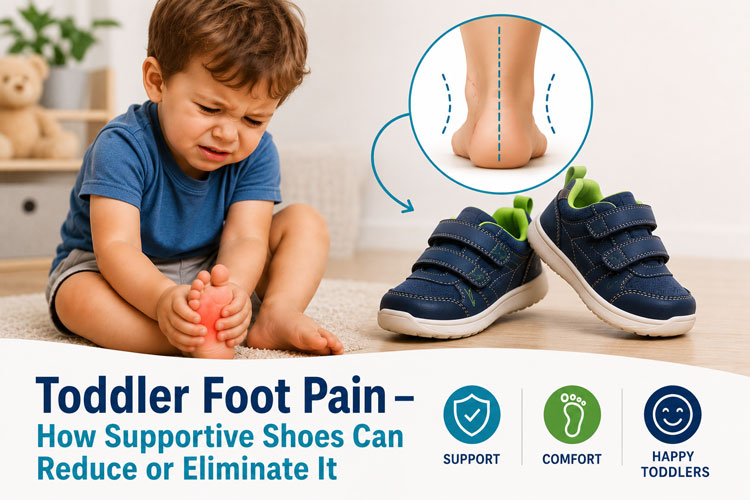
When a toddler complains about sore feet, tired legs, or simply refuses to walk as far as they used to, parents are often told it’s growing pains. In most cases I see, it isn’t. Toddler foot pain almost always has a specific, identifiable cause — and in the majority of those cases, the right pair of shoes makes the pain go away.
This guide walks you through the most common causes of foot pain in toddlers, what shoe features address it, which specific styles work best, and when to take the next step with orthotics or a specialist.
Is It Growing Pains — or Something Else?
“Growing pains” is one of the most overused explanations in pediatrics. True growing pains are typically felt in the legs, not the feet, occur mainly at night, and don’t follow activity. If your toddler’s pain is in the feet, occurs during or after walking or play, or causes them to ask to be carried or stop activity early — that’s not growing pains. That’s a foot problem that deserves attention.
The most common causes of foot pain in toddlers are:
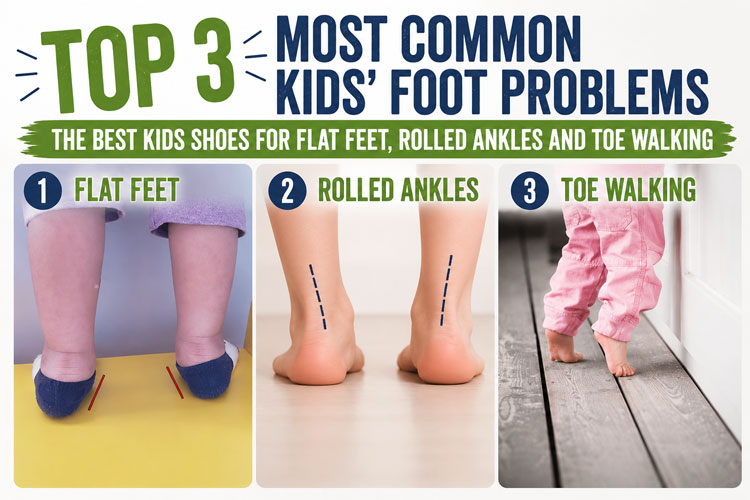
Flat feet and overpronation. The most frequent cause I encounter. When the arch collapses and the ankle rolls inward, the tendons, ligaments, and muscles of the foot are under chronic strain. Pain in the arch, heel, or ankle — particularly after activity — is the typical presentation. Best Shoes for Toddlers with Flat Feet →
Shoes that are too small. Children’s feet grow quickly, and many toddlers are wearing shoes that are already too short before parents realize it. A shoe that’s even half a size too small compresses the toes, creates blisters, and causes forefoot and toe pain. Check the fit every two to three months — you should feel half a thumb’s width between the longest toe and the end of the shoe.
Shoes with no structure. Many popular toddler shoes — including many brand-name sneakers — look supportive but aren’t. If the shoe has a soft, collapsible back and a thin, flexible sole, it’s not providing the support a developing foot needs. The shoe itself can be the cause of the pain.
Rolled or misaligned ankles. When the ankle tilts chronically inward, the tendons and ligaments on the inner side of the ankle are under constant tension. Pain along the inner ankle or lower leg is a classic sign. Best Shoes for Kids with Rolled Ankles →
Low muscle tone. Toddlers with low muscle tone fatigue more quickly because their muscles have to work harder to provide the stability their joints lack. This presents as leg fatigue, frequent falls, and requests to be carried well before their peers. Best Shoes for Kids with Low Muscle Tone →
Hypermobility. Toddlers with hypermobile joints often experience foot and leg pain because their ligaments can’t effectively stabilize their joints during activity. They may also have flat feet as a consequence. Best Shoes for Kids with Hypermobility →
When to See a Doctor
Most toddler foot pain responds well to proper footwear. But see a healthcare professional if:
- The pain is accompanied by swelling, redness, or warmth
- Your toddler is limping on one side
- The pain is severe enough to cause crying or complete refusal to walk
- There has been a recent fall or injury
- Pain persists for more than two to three weeks after fitting supportive shoes
These signs could indicate a fracture, infection, or condition that requires medical assessment rather than footwear changes alone.
Before and After: What the Right Shoe Does
The first thing I do when a parent brings in a toddler with foot pain is check the shoes they’re currently wearing. In most cases, I can identify the problem immediately — either the shoes are too small, or they have the structural features of a fashion sneaker rather than a supportive shoe.
The before-and-after when that same toddler is fitted in the right shoe is immediate.
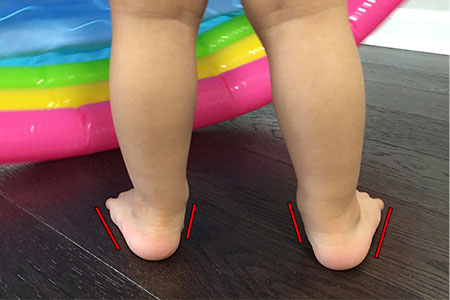
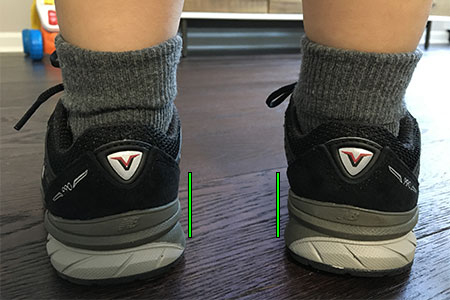
The improvement is not from orthotics in these images. It’s from correctly structured everyday sneakers with the right features — described below.
What Makes a Shoe Genuinely Supportive
Three features separate a shoe that reduces foot pain from one that contributes to it:
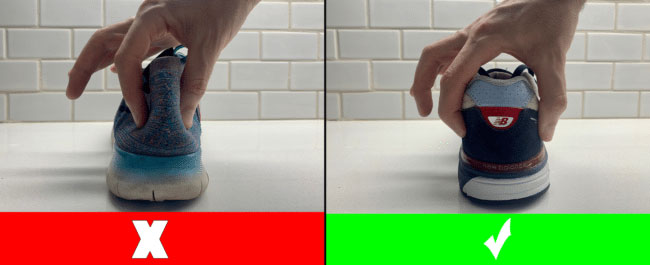
1. Firm Heel Counter. The heel counter is the rigid cup at the back of the shoe. This is the most important structural feature for toddlers with foot pain. A firm heel counter holds the heel in the correct position, reduces ankle rolling, and decreases the strain on the tendons and ligaments that is causing the pain.
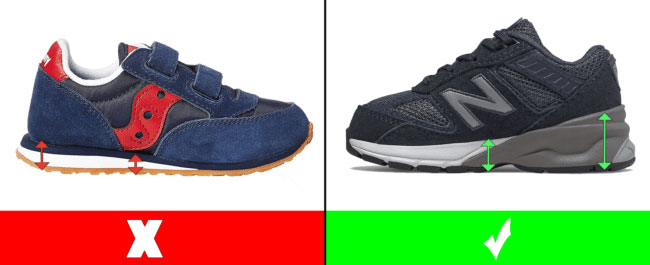
2. Stable Base of Support. A wide, dense outsole distributes weight evenly across the foot rather than concentrating it on the inner edge or forefoot. This reduces the strain at the specific points that are causing pain.
Thin, flat soles — common in fashion sneakers and many popular toddler brands — allow the foot to collapse in any direction. They feel soft and comfortable in the store but provide no pain-reducing support during activity.
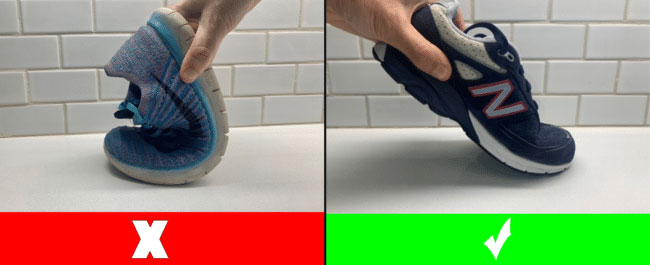
3. Flexible at the Toes, Firm Through the Arch. A shoe should bend easily at the ball of the foot — allowing natural toe-off during walking — but resist bending through the arch. A shoe that folds completely in half has no structural integrity and cannot support a painful foot.
The Best Shoes for Toddlers with Foot Pain
Every shoe below has all three structural features. They have been selected based on fitting experience with toddlers whose foot pain improved or resolved with supportive footwear. All accommodate orthotics when additional support is needed. Disclosure: Some links in this article are affiliate links. Any commission comes at no extra cost to you and helps keep this resource free.
1. Shoe Style 990v6 by New Balance
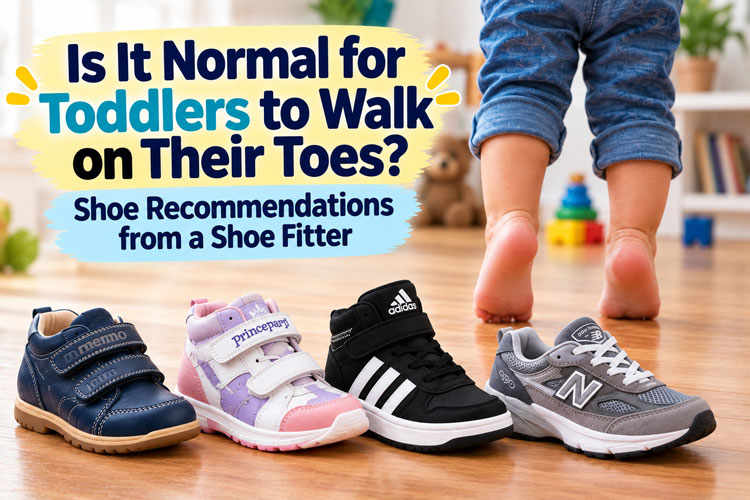
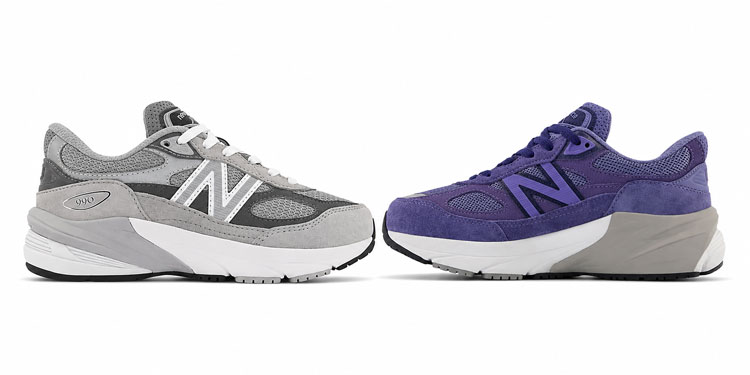
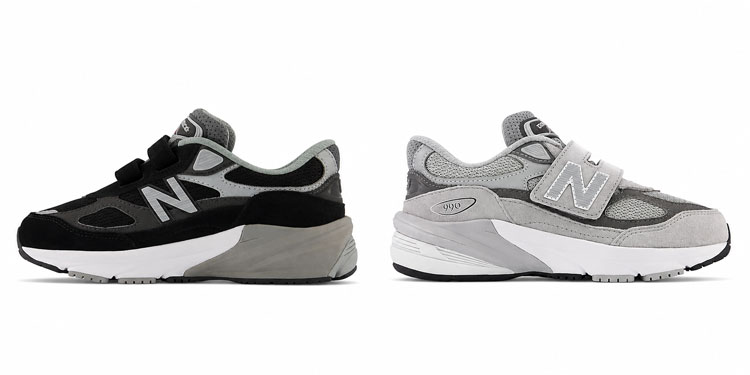
The 990v6 is the shoe I reach for first when a toddler comes in with foot or leg pain. Its ENCAP midsole is the densest available in a mainstream toddler shoe, the heel counter is the firmest, and the straight last guides the foot toward correct alignment with every step. The pain reduction parents report after switching to the 990v6 is often dramatic — within two weeks of consistent wear.
The price is the main barrier, and it’s a real one. But for a toddler in pain, this is where to start.
Key Features
- Order with laces on the New Balance website or Amazon
- Velcro version also available on the New Balance website or Amazon
- Accommodates medium, wide, or extra wide feet
- Firm heel counters, stable base of support, and semi-straight lasts
- Ideal for moderate to strong cases of pronation
- Removable insoles
- Sizing tip: Order a half size larger than your toddler’s current foot size
2. Shoe Style Gabi and Alvin by Memo (Orthopedic Shoe)
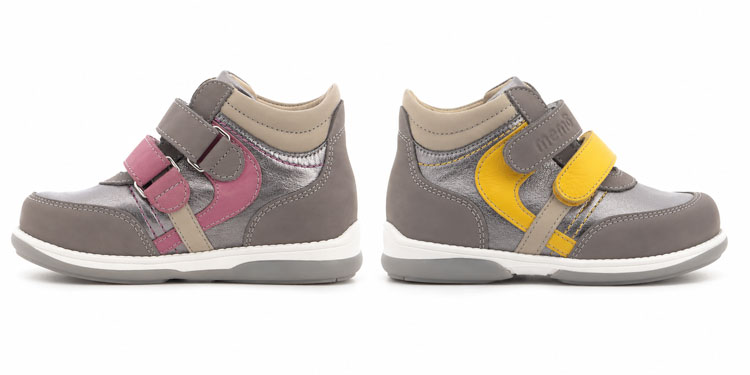
The Memo Gabi is the shoe to consider when standard athletic footwear hasn’t been sufficient to relieve pain. Its rigid outsole, reinforced heel counter, and double velcro strap closure provide orthopedic-level correction that mainstream sneakers can’t match. If a physical therapist or pediatrician has specifically recommended orthopedic footwear, this is where to start.
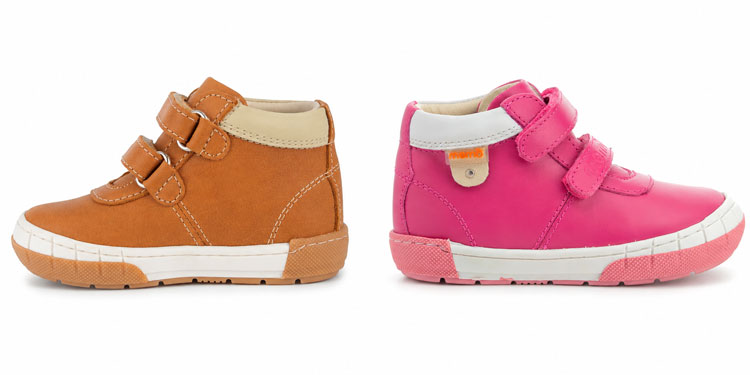
Key Features
- Order the model Gabi or Alvin on Amazon
- Also available in a Mary Jane style
- Accommodates medium and wide feet
- Ideal for moderate to strong cases of pronation
- High-top design with stiff heel counters
- Sizing tip: Order a half size larger than your toddler’s current foot size. Refer to Memo sizing chart
3. Shoe Style Elliott by Stride Rite
When the pain is located at or around the ankle — rather than the arch or heel — the Elliott’s high-top bootie design addresses the root cause most directly. The ankle coverage adds lateral stability that a low-cut shoe can’t provide. It’s affordable, easy to use, and produces immediate visible improvement in ankle alignment.

Key Features
- Order on Amazon
- Accommodates medium, wide, or extra wide feet
- Ideal for mild to moderate cases of pronation
- 100% leather construction
- High-top design provides extra ankle support
- APMA Seal of Acceptance
- Sizing tip: Order a whole size larger than your toddler’s current foot size
4. Shoe style 574 by New Balance
The 574 delivers all three pain-reducing structural features at a meaningfully lower price than the 990v6. For families where the 990v6 is out of budget, this is the first alternative I’d try. The heel counter is firm, the midsole is dense, and the wide width options accommodate most toddler foot shapes.
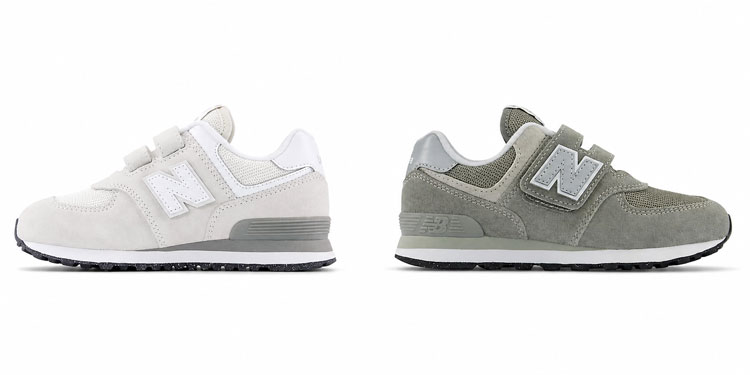
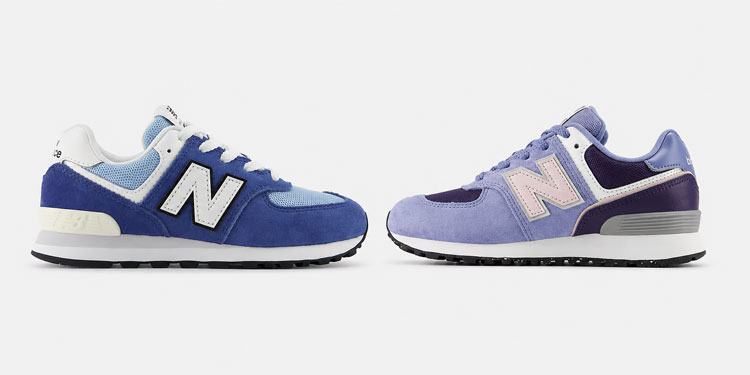
Key Features
- Order on Amazon or the New Balance website
- Also available with laces on the New Balance website or Amazon
- Accommodates medium, wide, or extra wide feet
- Ideal for mild to moderate cases of pronation
- Firm heel counters
- APMA Seal of Acceptance
- Sizing tip: Order a half size larger than your child’s current foot size
5. Shoe Style Tracks by Timberland
For toddlers whose pain is worse during outdoor play on uneven surfaces, the Tracks provides rugged structural support with the added benefit of ankle coverage and water resistance. The high-top design stabilizes the ankle on terrain where lower shoes struggle.
The trade-off is weight — it’s the heaviest shoe on this list and may not suit younger or smaller toddlers.

Key Features
- Order on Amazon
- Accommodates medium or wide feet
- Ideal for mild to moderate cases of pronation
- High-top design for extra ankle support
- Water-friendly construction
- Sizing tip: Order a whole size larger than your child’s current foot size
6. Shoe Style Fresh Foam Arishi v4 by New Balance
For toddlers who have already experienced pain from shoes that were too firm or structured, the Arishi v4 offers a softer introduction to supportive footwear. The Fresh Foam cushioning reduces the harshness underfoot while the structural features — firm heel counter, straight last — remain intact. A shoe worn consistently every day outperforms a better shoe the child refuses to put on.
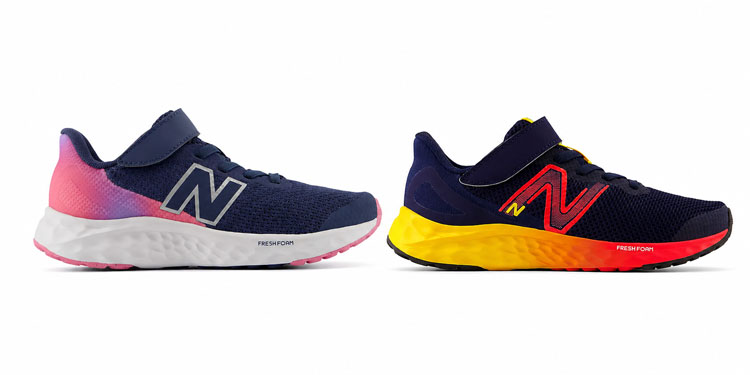
Key Features:
Key Features
- Order on the New Balance website or Amazon
- Accommodates medium, wide, or extra wide feet
- Ideal for mild to moderate cases of pronation
- Semi-firm heel counters
- Sizing tip: Order a whole size larger than your toddler’s current foot size
7. Shoe Style 2002 by New Balance
The 2002 sits between the Arishi and the 990v6 in price and structural density. A dependable choice for families who want more than the entry-level options without the 990v6 investment.
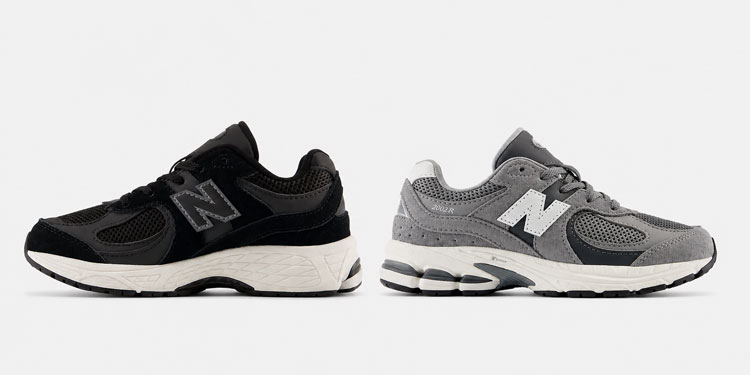
Key Features
- Order on the New Balance website or Amazon (wide widths available only on the New Balance website)
- Accommodates medium or wide feet
- Ideal for moderate to strong cases of pronation
- Firm heel counters, stable base of support, and semi-straight lasts
- Sizing tip: Order a whole size larger than your toddler’s current foot size
Contact Me for Specific Shoe Recommendations
For personalized guidance on your toddler’s foot pain and specific shoe recommendations, reach out at customerservice@fittingchildrenshoes.com.
Should My Toddler Also Use Orthotics?
Start with supportive shoes and give them two to three months. Many toddlers with foot pain see significant or complete relief from footwear alone — particularly where the pain is driven by flat feet or mild overpronation that the shoe’s structure directly addresses.
If pain persists after consistent wear, orthotics are the logical next step. The two I recommend most for toddlers:
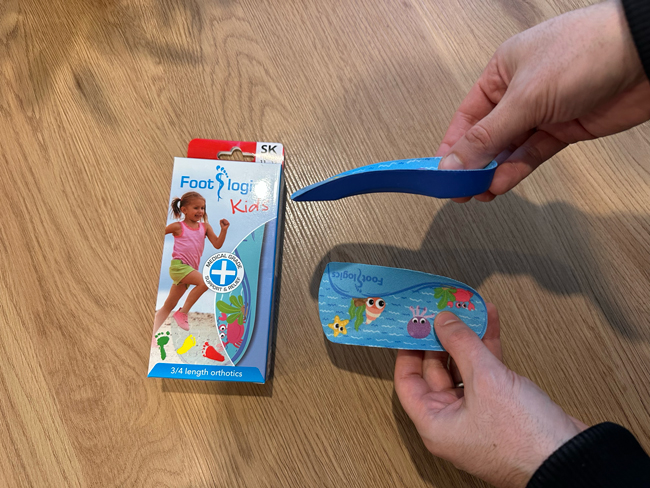
Footlogics 3/4-length — fits toddler sizes 5 through little kid size 13. No insole removal needed. Order on Amazon →
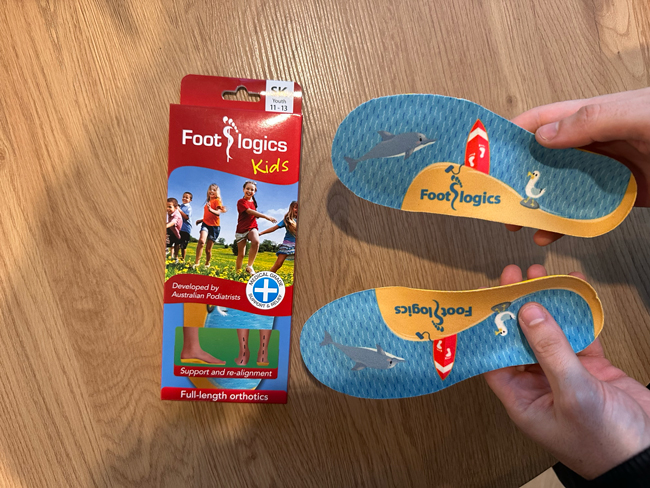
Footlogics full-length — fits toddler size 5 through big kid size 3. Remove original insole first. Order on Amazon →
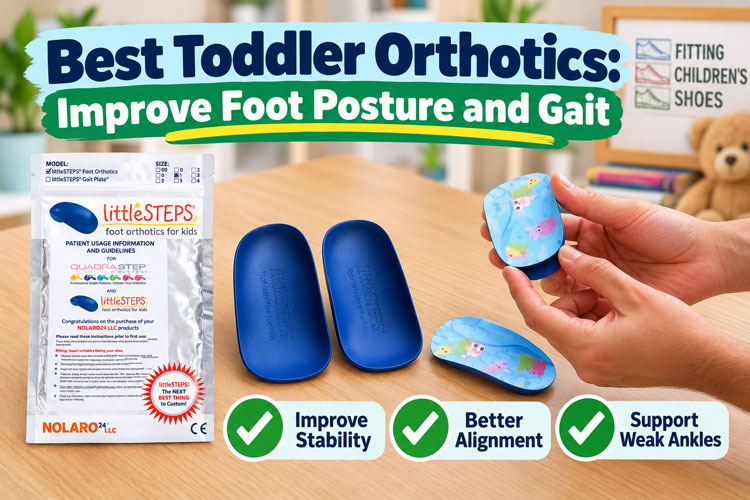
For moderate to strong cases, LittleSTEPS orthotics provide more significant arch and heel correction. All shoes on this list are deep enough to accommodate orthotics. If using them, order shoes a full size larger than your toddler’s measured foot size to accommodate the added volume.
Getting the Right Shoe Size
Ill-fitting shoes are one of the leading causes of toddler foot pain — and the most easily fixed. Check fit every two to three months. With your toddler standing, press the front of the shoe — you should feel roughly half a thumb’s width between the longest toe and the end of the shoe. If that space is gone, the shoes are too small.
Learn how to measure your toddler’s foot accurately at home here.
Frequently Asked Questions
Yes — changing the shoes costs very little and has no downside. If it truly is growing pains, the shoes won’t make it worse. If the pain is actually from flat feet or unsupportive footwear — which is far more common — the right shoes will resolve it. Starting with footwear before pursuing further investigation is always a reasonable first step.
Many parents notice their toddler is more willing to walk and less fatigued within the first week. Significant pain reduction typically occurs within two to four weeks of consistent daily wear. If there’s no improvement after six weeks, add orthotics and/or consult a physical therapist.
Yes. A shoe that’s too short compresses the toes and forefoot, but a shoe that’s too loose or too long allows the foot to slide and roll internally — transmitting abnormal forces up through the ankle and knee. Toddlers complaining of knee or shin pain often trace back to a shoe fit problem as much as a structural foot problem.