
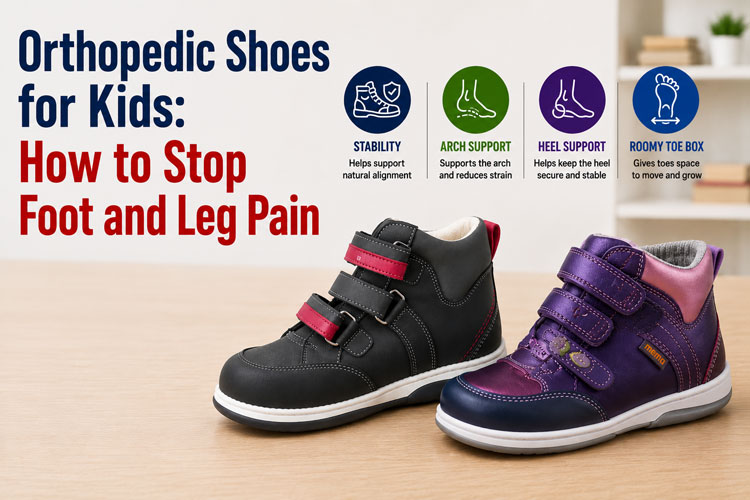
Orthopedic Shoes for Kids: How to Stop Foot and Leg Pain
Last updated: August 2026 | By Juan Valenzuela, Certified Children’s Shoe Fitter
Has your child been diagnosed with a foot condition and been experiencing foot or leg pain? Finding the right orthopedic shoes can make all the difference. Designed to provide essential support and correct foot alignment, orthopedic shoes help address issues like flat feet, heel pain, and poor posture. Many parents wonder if they’re worth the investment — the answer is a resounding yes. Since children’s feet are constantly growing, wearing supportive shoes early on promotes healthy development, improving not just foot health but also overall posture, balance, and mobility.
Is Your Child Dealing with a Specific Foot Condition?
Understanding the common foot conditions that affect children can help you make informed decisions about their footwear. Recognizing these conditions early can lead to better management and prevention of further complications.
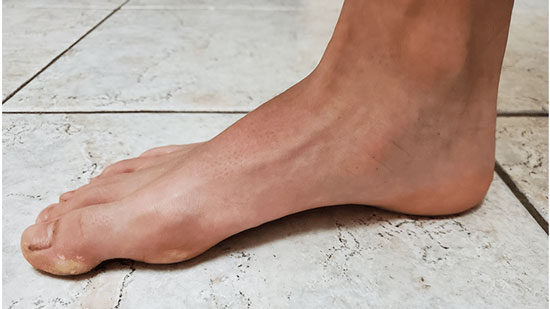
Flat Feet
Flat feet occur when the foot’s arches don’t develop properly, often leading to overpronation — where the feet roll inward excessively. This can affect posture, balance, and overall comfort. The right orthopedic shoes, designed with a stable base of support and firm heel counters, can help correct alignment, reduce strain, and prevent pain, allowing children to move more comfortably and confidently.
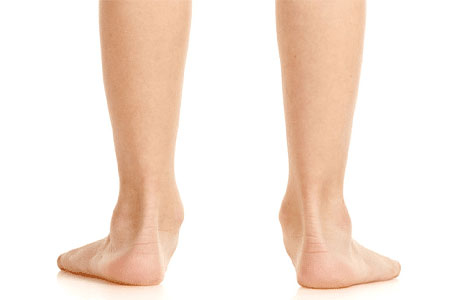
High Arches
Children with high arches often struggle with balance and shock absorption, making them more prone to foot pain and ankle sprains. The right orthopedic shoes, designed with extra cushioning and arch support, can enhance stability, absorb impact, and reduce strain. These features help protect your child’s feet, keeping them comfortable and supported with every step.
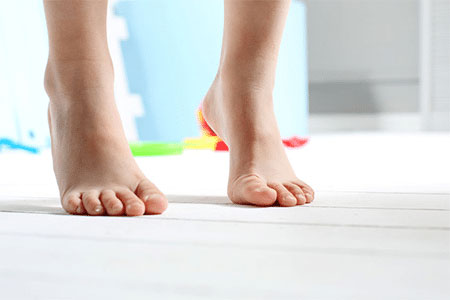
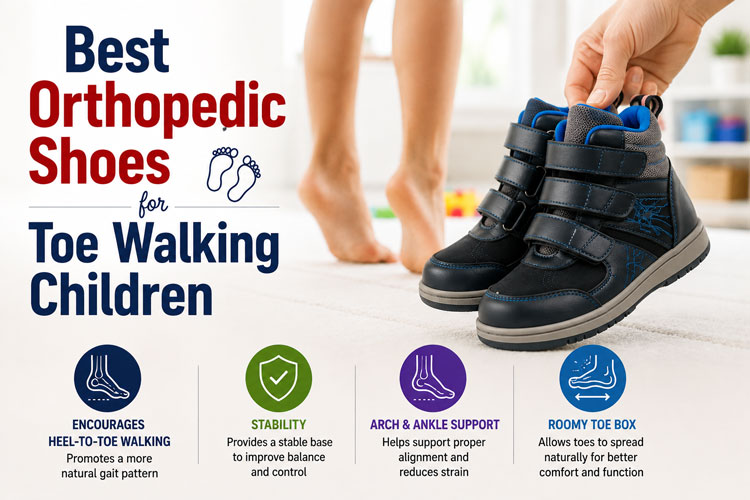
Toe Walking
Some children tend to walk on their toes, often due to tight calf muscles or other underlying conditions. Orthopedic shoes with proper heel support and a stable base can gently encourage a more natural walking pattern. By promoting heel-to-toe movement, these shoes help improve balance, reduce strain, and support healthier foot development.
Not all orthopedic shoes are created equal — only the right ones can truly make a difference in treating your child’s foot or leg condition. The right pair can enhance foot alignment, improve overall posture, and even boost your child’s confidence in movement.
Before and After: Barefoot vs. Wearing Supportive Shoes
Seeing is believing. The difference between a child walking barefoot and wearing supportive orthopedic shoes can be striking. In many cases, children who experience discomfort or pain when walking barefoot report significant relief after switching to orthopedic shoes.
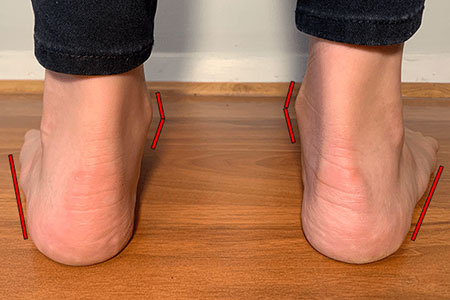
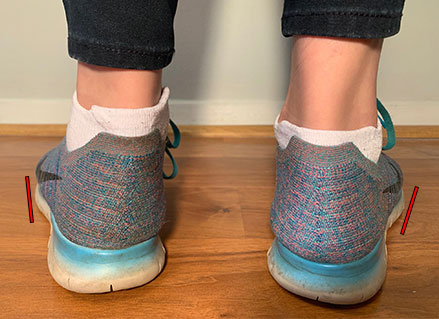
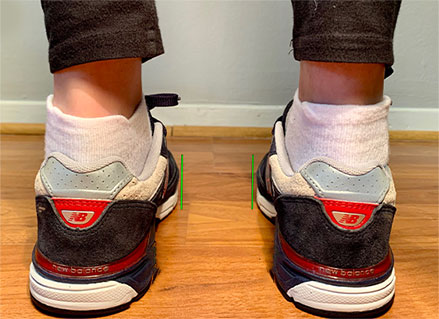
Key Features of Quality Orthopedic Shoes
Feature One: Firm Heel Counters. A firm heel counter is essential for providing adequate heel support. This feature helps maintain the alignment of the foot and prevents excessive movement that can lead to pain or injury.
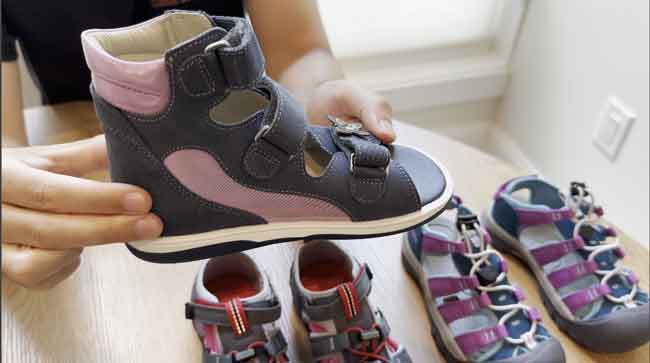
Feature Two: Stable Base of Support. Orthopedic shoes should have a stable base of support to promote proper foot posture. A stable shoe base helps distribute weight evenly and reduces the risk of foot-related issues.
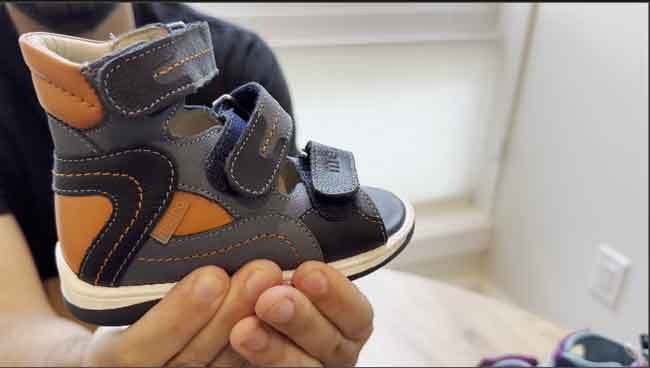
As a shoe fitter with years of experience, I’ve curated a list of the best orthopedic shoes for kids. These shoes are known for their superior support, durability, and style. Disclosure: this post contains affiliate links, and I may earn a small commission at no extra cost to you.
The Best Orthopedic Shoes for Kids
Keep in mind that orthopedic shoes tend to cost more than regular sneakers, since they provide features regular sneakers simply don’t. They’re made from high-quality, natural materials suitable for children’s feet, and the styles below are actually registered medical products.
Shoe Style Gabi and Alvin by Memo
These orthopedic Thomas heel shoes offer a high, supportive heel and a firm outsole that helps stabilize the foot and encourage a heel-to-toe gait. Ideal for helping treat and prevent foot or leg pain.
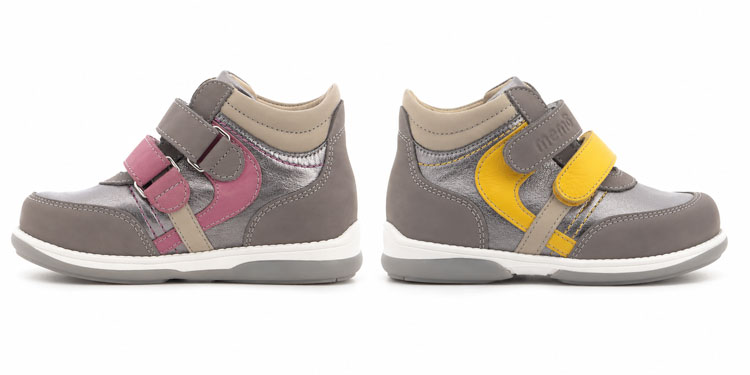
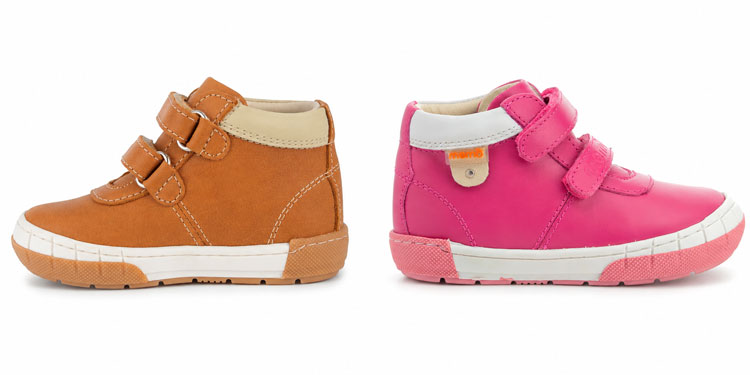
Key Features
- Available for toddlers and little kids
- Order the model Gabi or Alvin on Amazon
- High-top design with stiff heel counters
- Sizing tip: Order a half size larger than your child’s current foot size. Refer to Memo sizing chart
Polo by Memo
These high-quality orthopedic Thomas heel shoes are designed to support children who struggle with foot conditions such as flat feet, knock knees, or toe walking. A unique structure helps promote a proper gait, encouraging natural heel-to-toe movement.
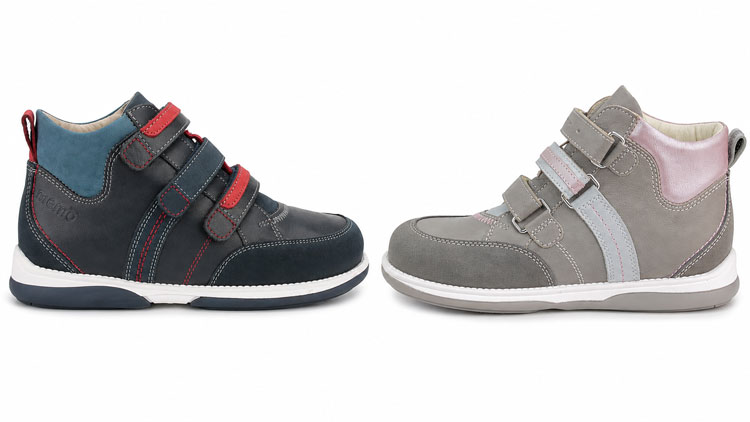
Key Features
- Available for toddlers and little kids
- Order on Amazon
- Fits medium and wide feet
- Thermoplastic asymmetric stiff heel counter for proper feet protection and stabilization
- Sizing tip: order half a size larger than your child’s current foot size
Princessa and Anna by Memo
These orthopedic Mary Jane shoes are stylish and comfortable, offering the combination of support and flexibility that helps children develop a more balanced and healthy gait.
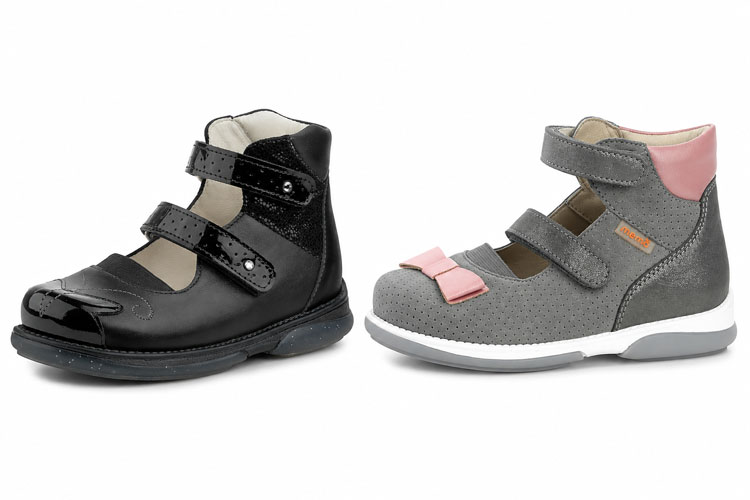
Key Features
- Order Princessa and Anna on Amazon
- Fits medium, wide, or extra wide feet
- Extra depth and width for orthotics
- Rigid heel counter
- Removable insoles
- Sizing tip: order half a size larger than your child’s current foot size
Princepard
These high-top orthopedic Thomas heel shoes are designed to help children with foot conditions such as toe walking, flat feet, or knock knees. The high-top design offers additional ankle support, while the firm heel and structured sole stabilize the foot and help prevent excessive pronation.
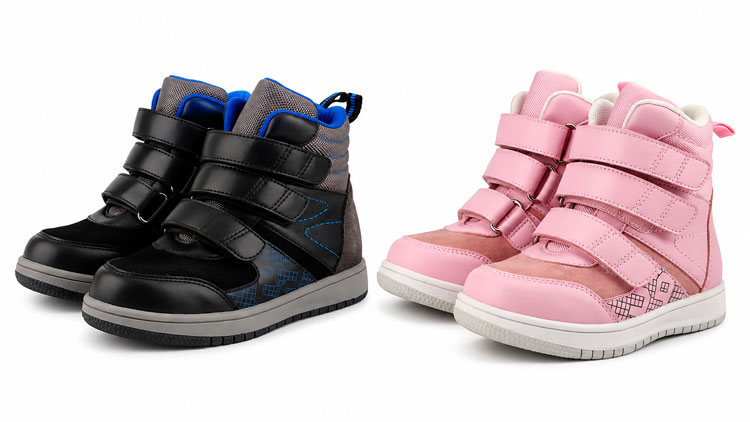
Key Features
- Order on Amazon
- Fits medium and wide feet
- Triple Velcro straps for better support and stability
- Rigid heel counter
- Sizing tip: order half a size larger than your child’s current foot size
What Makes These Orthopedic Shoes Stand Out?
What sets these shoes apart is their collaboration with specialist orthopedic pediatricians and doctors during the design process. Each pair is carefully handcrafted — every shoe cut, stitched, and assembled by hand — using leather both inside and out for lasting durability and support.
Is It Worth Investing in a Pair of Orthopedic Shoes?
It’s understandable that parents are hesitant to invest in children’s orthopedic shoes, especially since kids outgrow them so quickly. But choosing supportive footwear with real orthopedic construction isn’t just buying shoes — it’s investing in your child’s long-term foot health. Proper footwear helps keep their feet and legs healthy, which ultimately saves time, money, and prevents more costly foot issues down the road.
Contact Me for Specific Shoe Recommendations
Every child’s foot is unique, and what works for one may not work for another. If you’re unsure about the best shoe choice for your child, feel free to contact me for specific recommendations tailored to your child’s unique foot shape and needs.
How to Order the Correct Shoe Size Online
Ordering shoes online can be tricky, especially when trying to ensure the right fit for orthopedic shoes. To help, I’ve developed a free virtual shoe fitting service that guides you through measuring your child’s foot accurately at home.
Frequently Asked Questions
They’re specifically built to address conditions like flat feet, high arches, toe walking, or knock knees, so they’re most valuable for a child who has one of these. For a child with typical foot development and no diagnosed condition, a well-made supportive sneaker will usually do the job without the added cost of a registered medical shoe.
If your child has been diagnosed with a specific foot condition by a pediatrician or podiatrist, orthopedic shoes are typically the better fit, since they’re designed and reviewed specifically for that kind of correction. If you’re unsure, it’s worth having your child evaluated first — orthopedic shoes work best when they’re addressing a confirmed condition rather than a general guess.
Yes — several of the styles above are specifically built with extra depth and width to accommodate orthotics. If your child already wears orthotics, check that specification before ordering to make sure there’s enough internal room.
This varies by condition and how consistently the shoes are worn, but many parents report noticeable improvement in gait, comfort, or alignment within a few weeks to a couple of months. For structural conditions, ongoing use through the “golden years” of foot development (up to around age seven) tends to produce the most lasting results.

Good day
I’m a orthotist in South Africa with a CP clinic and in desperate need for orthopedic shoes for children.
Hi Jacques –
I saw your email. I will get back to you shortly.