
Best Shoes for Toddlers with Low Muscle Tone
Last updated: September 24, 2026 · Written by Juan Valenzuela, Certified Children’s Shoe Fitter
Has your toddler’s physical or occupational therapist diagnosed low muscle tone and recommended supportive shoes to help with posture and stability? Many professionals recommend supportive shoes but don’t name specific styles. As a certified children’s shoe fitter, I’ve helped many toddlers with low muscle tone walk with better foot posture and more stability. Below, I share what to look for and the shoes I recommend most.
What Is Low Muscle Tone?
Low muscle tone (hypotonia) describes muscles that feel softer or “floppier” than usual at rest. Toddlers with low muscle tone often need to put in extra effort to move their muscles, which can make walking, balancing, and climbing more tiring. Signs a therapist may notice include:
- Your toddler’s muscles feel less firm than usual.
- Your toddler seems floppy and has loose, flexible joints.
- Your toddler tires quickly or has trouble with balance and coordination.
Supportive shoes don’t treat low muscle tone, but they give your toddler a steadier base while they build strength — which is why they work best alongside physical or occupational therapy.
Do Toddlers with Low Muscle Tone Have Flat Feet?
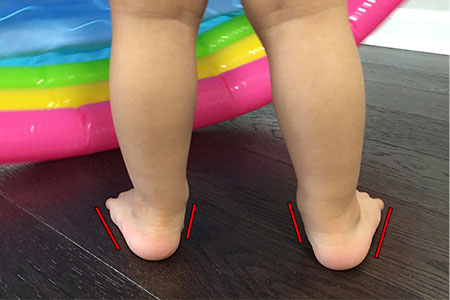
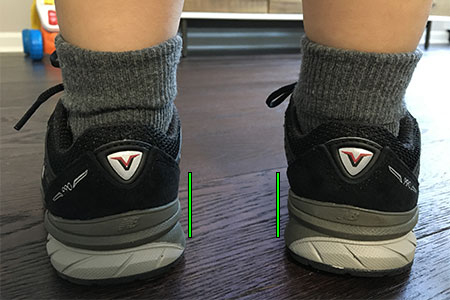
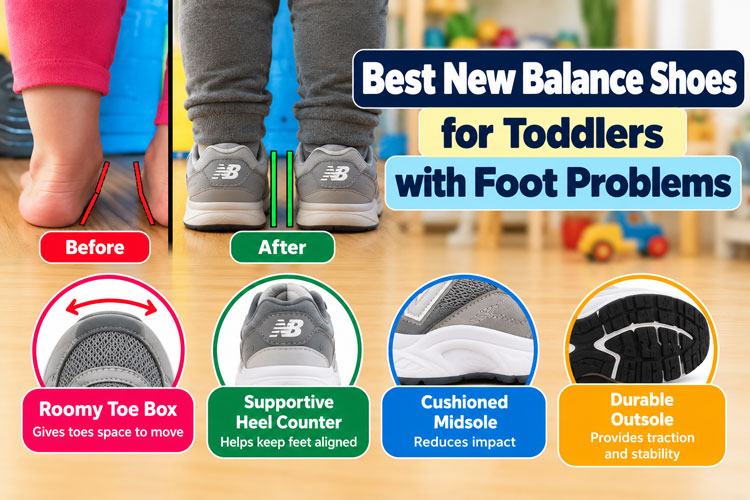
Often, yes. Over the years, I’ve noticed that many toddlers with low muscle tone also have flat feet, with arches and ankles that roll inward when they stand. That inward collapse can make balance and coordination even harder, which is where supportive shoes help most.
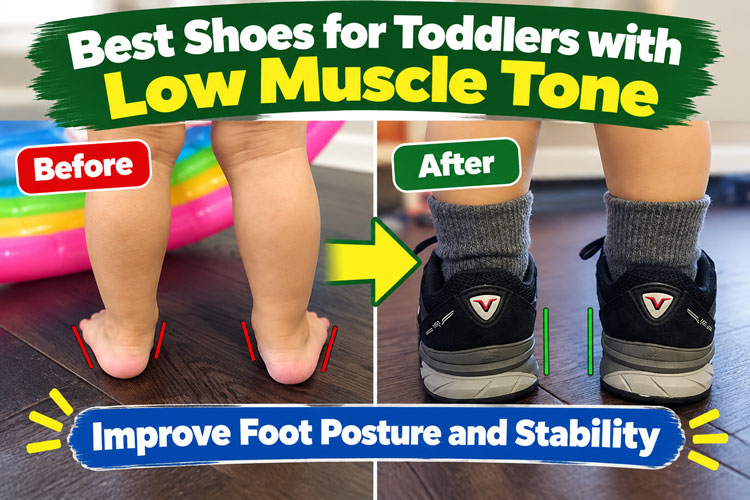
Before and After: What the Right Shoes Can Do
Key Features of Supportive Shoes for Toddlers with Low Muscle Tone
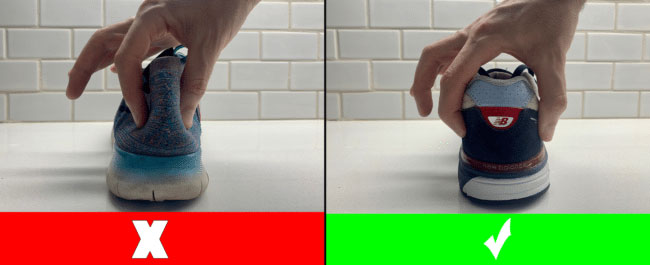
1. Firm heel counters. The heel counter is the back of the shoe that wraps around the heel. A firm one acts as an anchor, holding the heel in place and keeping the ankle from rolling. Press on it — it should feel firm, not soft or flimsy.
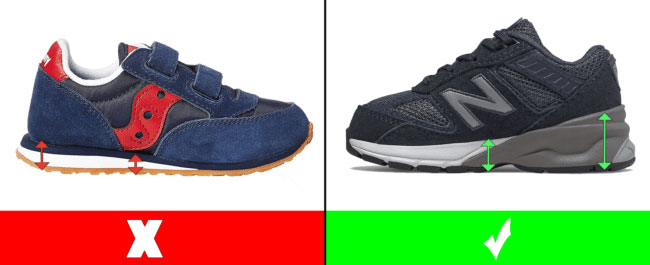
2. A stable base of support. A wide, firm outsole spreads weight evenly across the foot and helps reduce falls.
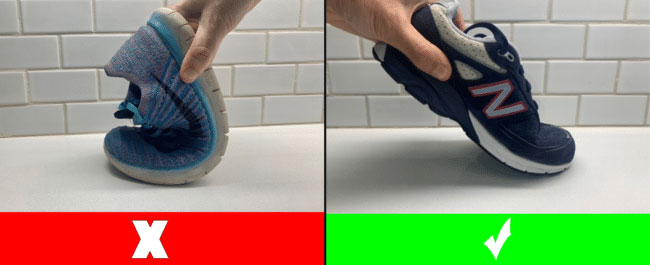
3. The right amount of flexibility. The shoe should bend at the ball of the foot, where the toes naturally bend, but no further. This lets your toddler’s foot move naturally while the rest of the shoe stays supportive.
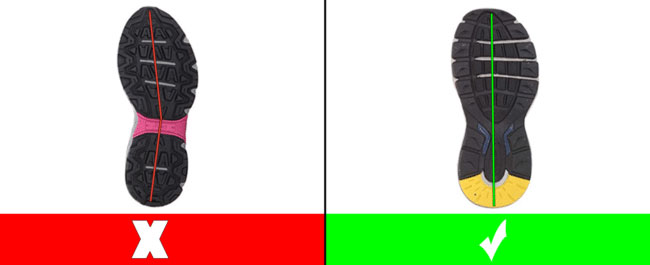
4. Straight lasts. The “last” is the shape the shoe is built on. A straight or semi-straight last keeps the foot in a better position and helps prevent it from rolling inward.
5. Multiple widths. Most of the shoes I recommend come in medium (M), wide (W), and extra wide (XW), so you can find the right fit for your toddler’s foot shape.
Best Shoes for Toddlers with Low Muscle Tone
These picks are based on years of fitting toddlers with low muscle tone and on feedback from the families I work with.
Disclosure: some links in this post are affiliate links — we may earn a small commission at no extra cost to you.
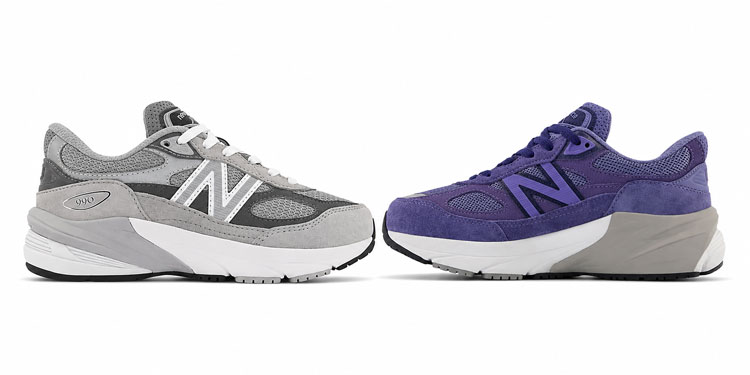
990v6 by New Balance
One of the most supportive shoes I fit for toddlers with low muscle tone. The firm heel counter and robust outsole spread weight evenly across the foot and reduce strain on muscles and joints. The downside many parents mention is the high price.
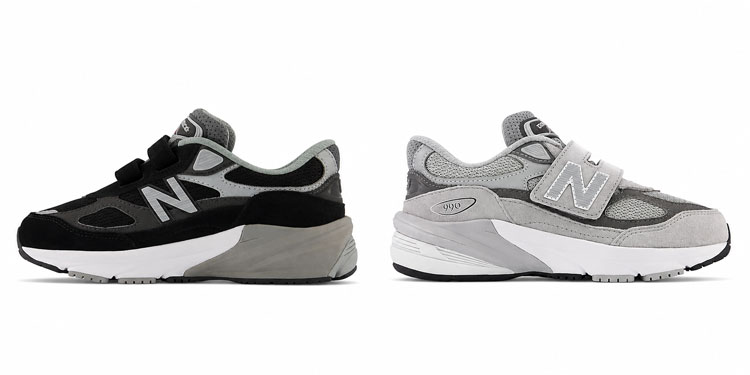
Key Features
- Order with laces on the New Balance website or Amazon
- Velcro version also available on the New Balance website or Amazon
- Accommodates medium, wide, or extra wide feet
- Firm heel counters, stable base of support, and semi-straight lasts
- Ideal for moderate to strong cases of pronation
- Removable insoles
- Sizing tip: Order a half size larger than your toddler’s current foot size
Gabi and Alvin by Memo (Orthopedic Shoe)
Orthopedic shoes specifically designed to improve foot posture and stability. Parents often mention the higher price, but for toddlers who need maximum support, the specialized design is often worth the investment.
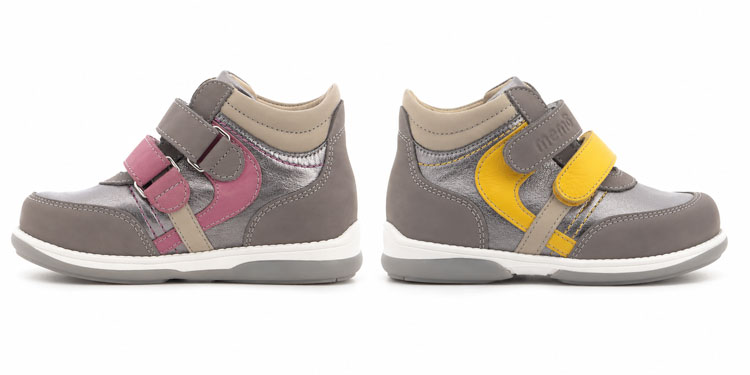
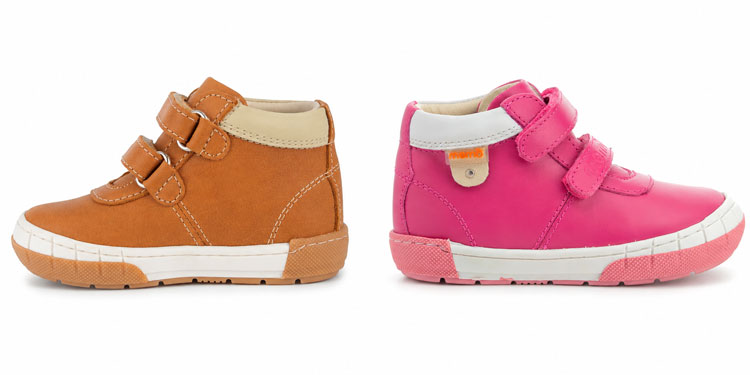
Key Features
- Order the model Gabi or Alvin on Amazon
- Also available in a Mary Jane style
- Accommodates medium and wide feet
- Ideal for moderate to strong cases of pronation
- High-top design with stiff heel counters
- Sizing tip: Order a half size larger than your toddler’s current foot size. Refer to Memo sizing chart
Elliott by Stride Rite
An affordable leather high-top with a firm, structured heel that keeps your toddler’s ankles stable. Color choices are limited, but it’s one of the most supportive toddler shoes I fit.

Key Features
- Order on Amazon
- Accommodates medium, wide, or extra wide feet
- Ideal for mild to moderate cases of pronation
- 100% leather construction
- High-top design provides extra ankle support
- APMA Seal of Acceptance
- Sizing tip: Order a whole size larger than your toddler’s current foot size
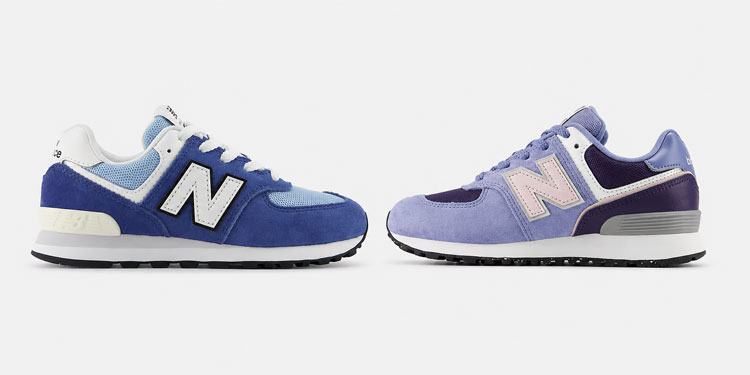
574 by New Balance
Combines everyday style with solid support and cushioning, at a lower price than the 990v6.
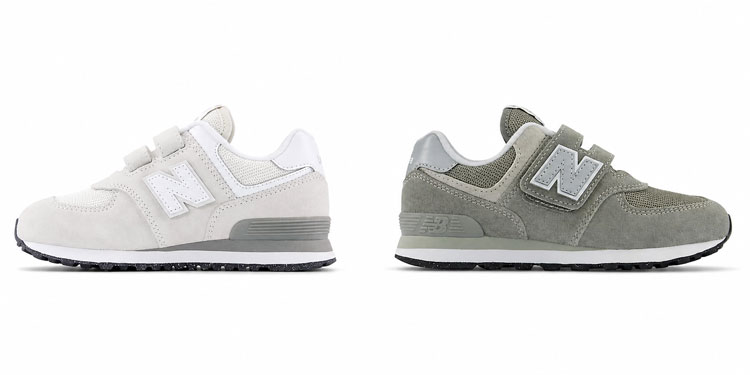
Key Features
- Order on Amazon or the New Balance website
- Also available with laces on the New Balance website or Amazon
- Accommodates medium, wide, or extra wide feet
- Ideal for mild to moderate cases of pronation
- Firm heel counters
- APMA Seal of Acceptance
- Sizing tip: Order a half size larger than your toddler’s current foot size
Tracks by Timberland
A sturdy high-top that keeps toddlers stable during outdoor play. It’s slightly heavier than my other picks, so it’s best for toddlers who are already walking confidently.

Key Features
- Order on Amazon
- Accommodates medium or wide feet
- Ideal for mild to moderate cases of pronation
- High-top design for extra ankle support
- Water-friendly construction
- Sizing tip: Order a half size larger than your toddler’s current foot size
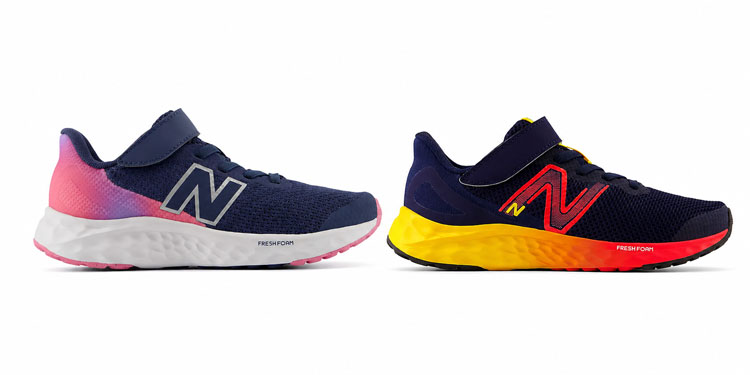
Fresh Foam Arishi v4 by New Balance
A soft, comfortable, and versatile shoe at a very reasonable price. Its semi-firm heel counter makes it best for toddlers who need moderate rather than maximum support.
Key Features
- Order on the New Balance website or Amazon
- Accommodates medium, wide, or extra wide feet
- Ideal for mild to moderate cases of pronation
- Semi-firm heel counters
- Sizing tip: Order a whole size larger than your toddler’s current foot size
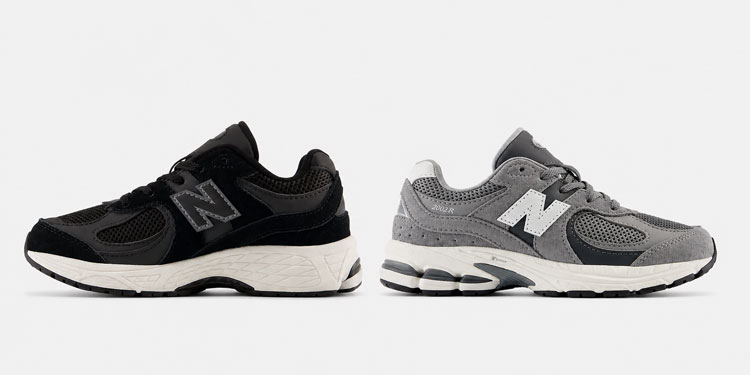
2002 by New Balance
Another great option for toddlers with flat feet and low muscle tone, with firm support at a more affordable price than the 990v6.
Key Features
- Order on the New Balance website or Amazon (wide widths available only on the New Balance website)
- Accommodates medium or wide feet
- Ideal for moderate to strong cases of pronation
- Firm heel counters, stable base of support, and semi-straight lasts
- Sizing tip: Order a whole size larger than your toddler’s current foot size
When Shoes Aren’t Enough: Orthotics
For some toddlers, supportive shoes alone won’t be enough to improve their posture and help them walk straighter. In those cases, an orthotic can add extra support and help align the feet and legs. A pediatric podiatrist or your toddler’s therapist can help decide whether orthotics are right for your child.
The orthotics I recommend for low muscle tone are the least restrictive ones, since they still allow the foot to move naturally. Their deep heel cup (30 mm) holds the heel steady, which improves stability and walking gait.
If your toddler wears orthotics, remove the shoe’s original insole before putting the orthotic in, and use this lacing technique to keep the heel from slipping.
Watch: What to Look for in Your Toddler’s Shoes
In this video, I show the features your toddler’s shoes should have and how each one supports better posture and movement.
Why Early Support Matters
A toddler’s feet and legs are still developing, so the habits they build now — how they stand, walk, and balance — shape how they move later. That’s why many therapists recommend supportive shoes early, while your child is learning and refining how to walk. Starting early doesn’t mean it’s ever “too late,” though; older kids with low muscle tone benefit from supportive shoes too.
Encourage Barefoot Time Too
Supportive shoes are important, but some barefoot time on safe surfaces is also helpful. Going barefoot helps build foot muscles and proprioception — your child’s sense of where their body is and how it’s moving. Aim for a balance: supportive shoes for walking, playing outside, and daycare, and barefoot time at home.
Find the Right Size
Supportive shoes only work if they fit. A shoe that’s too big lets the heel slip, which cancels out the benefit of a firm heel counter. My free virtual shoe fitting guide helps you find your toddler’s exact size and foot width from home.
Personalized Recommendations
Every toddler is different. If you need help choosing shoes, contact me via email or leave a question in the comments below. Include your toddler’s shoe size and foot shape (medium, wide, or extra wide) so I can recommend the right styles.
More Resources
- Older kids: see shoes for kids with low muscle tone.
- Warmer weather: see sandals for kids with low muscle tone.
Frequently Asked Questions
Laces usually give a more secure, supportive fit because you can tighten them evenly across the foot. Velcro is easier for daycare or for kids who want to put their shoes on themselves. Several shoes on this list come in both.
No. Supportive shoes can help at any age. Earlier is ideal while your child is learning to walk, but older kids with low muscle tone still benefit from better stability and posture.
Some barefoot time at home is healthy and helps build foot strength. Use supportive shoes for walking, outdoor play, and daycare.
No. Shoes give your toddler a more stable base, but therapy is what builds strength and coordination. The two work best together.
Sources
- Boston Children’s Hospital. “Muscle Weakness (Hypotonia).” childrenshospital.org/conditions/muscle-weakness-hypotonia
- Surestep. “Low Muscle Tone and Your Child – What You Need to Know.” December 1, 2016. surestep.net/blog/low-muscle-tone-hypotonia-an-overview-for-parents/

Hello
Stumbled upon this useful website of yours. I have a 4 year old boy, with hypotonia with back ankle bones collapsing inwards like the pictures on your website. what supportive shoes can we get for him? Iis it too late to fix this problem? We do prefer a velcro shoe so he can wear them himself in nursery.
I’m currently living in UK. Thank you
Hello Serene,
To recommend specific shoes for your son I first will need to know his foot shape (narrow, medium, wide, extra wide), and the exact shoe size that he wears.
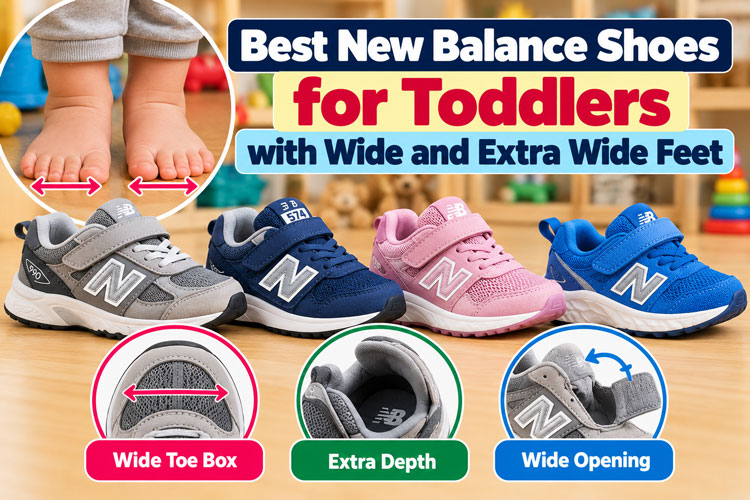
What is the model name/number of the last sneaker shown in blue on the velcro side? When I click on the link it just takes me to the New balance home page.
Hello Laura,
That specific color is sold out, but here is a link to the same model in a different color: 574 New Balance Shoe
There are only a few shoe sizes available so let me know if you are having a hard time finding your child’s shoe size and I can help you look for the same shoe on a different website.
Hello there, my daughter is 2.5 years old is not walking due to low muscles tone, I am looking for the shoes which can help and support her for learning to walk, could you please guide me which one is good for her?
Hello Sheetal,
To recommend specific shoes for your daughter I first need to know her foot shape (narrow, medium, wide, extra wide), and the country you are contacting me to check what shoes you will be able to order.
What is a good shoe to get if toddler wears orthotics? Size 2 extra wide new balance with removable soles is what we have now. He has wide feet so need something wide. Also small feet. He is learning to walk. But without orthotics walks on his ankles. The ones we have are Velcro.
Hello,
The New Balance that you have are probably a good choice. I do suggest getting shoelaces instead of velcro closure as shoelaces provide better support and stability compared to velcro. Another alternative to New Balance is this shoe: Stride Rite Bootie
Make sure to order the extra wide (X-Wide), remove the original insoles, and apply this shoe lacing technique: How to Tie Shoes with Orthotics – Stop Heel Slippage
My son has flat feet so I need a good pair of shoes for him , He is 6 years old
Hello Gurleen,
Do you know if his feet are medium, wide, or extra wide? Would you like a pair of velcro shoes or shoes with shoelaces? Once you get back at me with that information I can show you a selection of shoes for boys with flat feet.