
Worst Shoe Brands for Kids with Flat Feet: Brands to Avoid
Last updated: August 2026 | By Juan Valenzuela, Certified Children’s Shoe Fitter
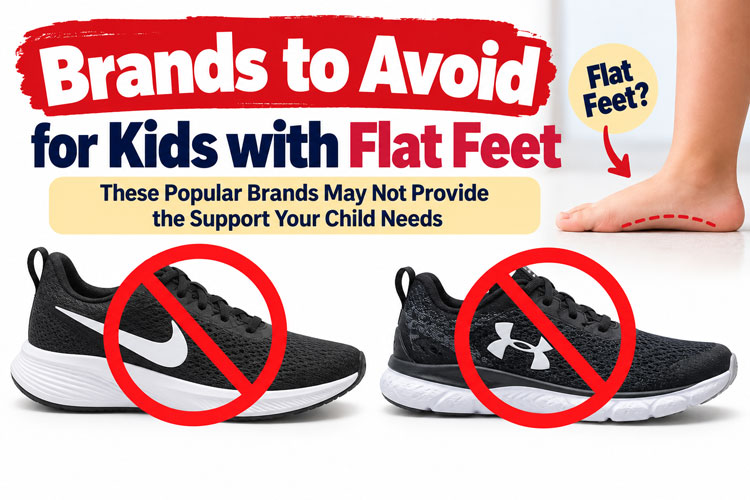
Has your child been diagnosed with flat feet but still wants to wear trendy shoes from big-name brands that lack proper support? When it comes to flat feet, finding the right footwear becomes much more challenging. Unfortunately, many popular styles simply don’t make the cut. As a shoe fitter, I’ve seen the frustration on kids’ faces when they realize most of their favorite brands offer little to no support. In fact, two of the most popular shoe brands among children are some of the worst options for flat feet. I’ll walk through which ones, why, and what to look for instead.
Is It Common for Children to Have Flat Feet?
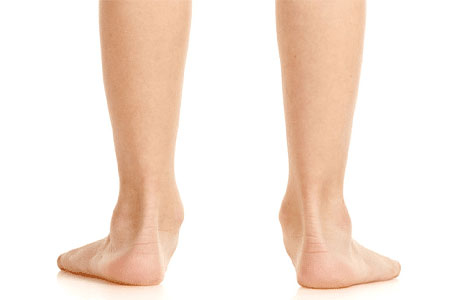
Before getting into which brands to avoid, it helps to understand flat feet themselves — when the arch collapses and the entire foot touches the ground. This is common in kids under five. However, if flat feet persist beyond that age, they’re likely to be permanent. Many parents are told not to worry, but early intervention matters. The right shoes can make a real difference in your child’s gait, posture, and overall comfort, even at a young age.
The biggest challenge for children with flat feet is that they often walk with their feet turned inward, throwing their entire body out of alignment.
Helping Kids with Flat Feet: My Practical Experience
With over a decade of experience in a specialized children’s shoe store, I’ve helped hundreds of kids with flat feet find the right footwear. The results speak for themselves. The right shoes can dramatically improve posture, comfort, and even confidence. Some children may also need orthotics, but everything starts with proper, supportive shoes.
What Are the Worst Shoe Brands for Kids with Flat Feet?
The answer might surprise you, because the two shoe brands I’m about to cover are among the most popular in the world. Backed by massive marketing campaigns and celebrity athletes, they have kids lining up for their shoes. However, popularity doesn’t always mean a shoe is good for growing feet.
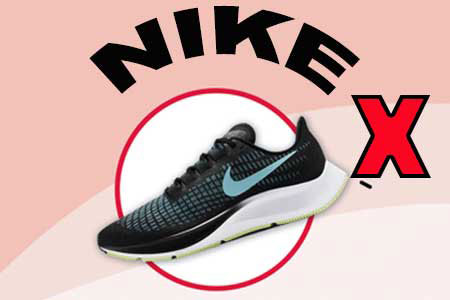
How many times has your child begged for a pair of Nikes? It’s no surprise — Nike is a top favorite thanks to its sleek designs and athletic edge. But for kids with flat feet, Nike shoes often miss the mark. Most styles prioritize fashion and lightweight performance over the support and stability flat-footed children actually need. At the shoe store where I work, we carry Nike shoes. However, they’re consistently among the least supportive options on the wall.
I recently ran a quick comparison, fitting a flat-footed child in two different pairs of shoes — one supportive, one that lacked proper structure. The difference was immediate and eye-opening.
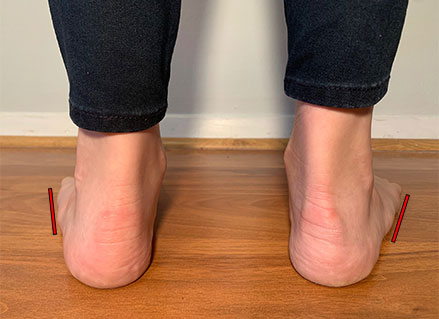
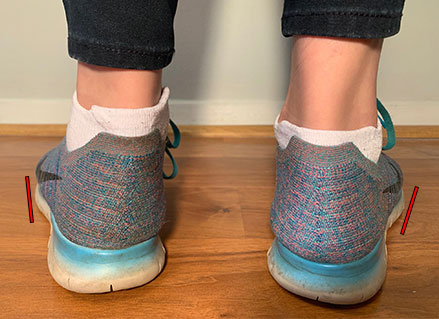
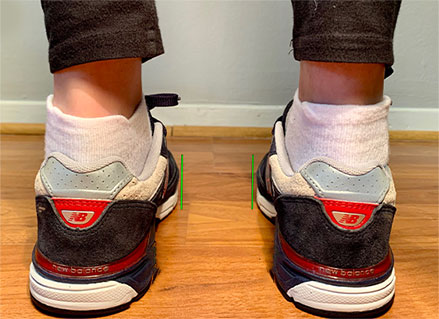
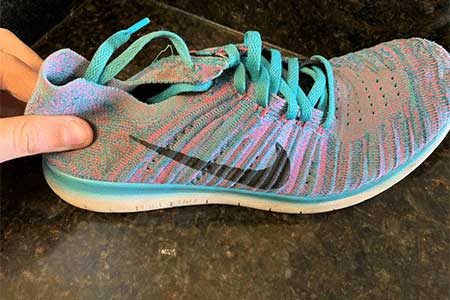
Why These Nike Shoes Aren’t Ideal for Kids with Flat Feet
Most Nike styles lack the support needed to prevent a child’s feet from collapsing and turning inward. Not every Nike shoe is unsupportive, but the majority don’t offer the structure flat-footed kids need.

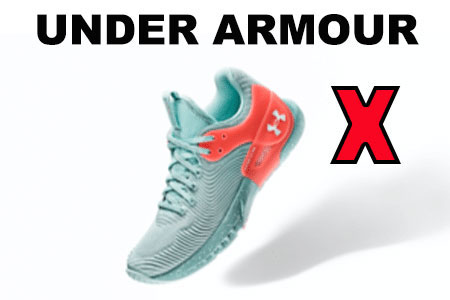
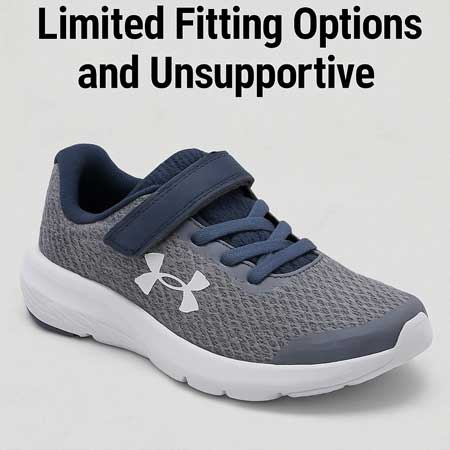
Similar to Nike, Under Armour is another popular athletic brand that often isn’t the best choice for children with flat feet. Their shoes are frequently designed with adults in mind, focusing on performance rather than the specific needs of a child’s developing foot. As a result, they can lack the cushioning and arch support flat-footed children need. This potentially leads to discomfort or injury over time.
One common complaint I hear from parents is how quickly these shoes wear out. Flat-footed children often place uneven pressure on their shoes. If the shoe isn’t well-built to begin with, it breaks down faster than expected.
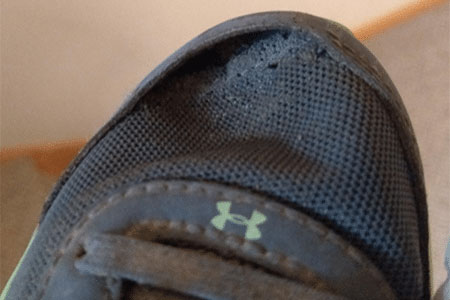

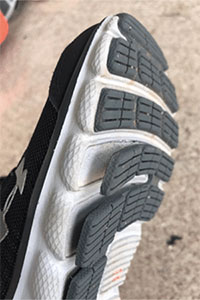
Not every Under Armour shoe falls apart — but if your child has a foot condition, it’s worth steering clear. Children with flat feet or other foot concerns need shoes with greater durability and support. There are brands that do a better job of meeting those needs.
What Are the Best Shoe Brands for Kids with Flat Feet?
Some brands genuinely excel at supporting children with flat feet. Podiatrists and shoe fitters frequently recommend New Balance and Asics for their focus on arch support, stability, and comfort. New Balance offers models with strong shock absorption and roomy toe boxes. Asics features GEL cushioning and a stable heel cup with flexible designs that encourage natural foot movement. Ultimately, the right choice still depends on your child’s unique foot shape. Some styles fit narrow feet better, others suit wider feet. Therefore, it’s worth consulting a podiatrist or professional fitter for the specifics.
Explore my hand-picked list of the most supportive styles from those two brands, tested over the years for genuine fit and comfort.
Reach Out for Specific Recommendations
If you’re unsure which shoes to choose for your child with flat feet, don’t hesitate to reach out. I’d love to share personalized shoe recommendations that fit your child’s unique foot shape and needs.
Frequently Asked Questions
This is a fair question, and one I’ve been asked directly. To clarify: my critique isn’t limited to Flyknit or running-specific styles — it covers Nike’s everyday and casual lineup as well. I’d also push back gently on the idea that running shoes should get a pass on support; a shoe built for running arguably needs more structural support, not less, given the added impact involved. My assessment is based on the support the shoe provides overall — flexibility, heel counter firmness, and structure — not just the shoe’s material or intended activity.
Not necessarily. If your child doesn’t have flat feet or another condition requiring extra support, either brand can be a perfectly reasonable choice, especially for casual or occasional wear. This article is specifically about what works best for kids with flat feet — for typical, unaffected feet, the calculus is different.
Two quick checks: hold the shoe by the toe and heel and try to bend it in the middle — a supportive shoe resists bending significantly, while an unsupportive one folds easily. Then press firmly on the heel counter (the stiff cup at the back) — it should hold its shape rather than collapse under light pressure. Both tests take seconds and work on nearly any shoe, in-store or from photos online.
It’s possible, and I wouldn’t rule out every single style from either brand — but in my experience fitting shoes day to day, the supportive exceptions are rare enough that I don’t recommend either brand as a starting point for a flat-footed child. If you already own a specific pair and want to know whether it passes muster, the flexibility and heel-counter tests above are a quick way to check.

This is absolute crap. 1. The Nike shoes you bought were fly knit so what do you expect they’re made for running Sherlock
2. Any shoe does this of course bits will start peeling away after you wear and I bet that will happen to the new balance trainers when you actually start wearing them
Hello Ben,
Thank you for your feedback.
The article doesn’t only refer to the Nike models made out of knit. In addition, running shoes are not supposed to be less supportive or durable than walking/everyday sneakers.
I also would like to point out that I am not only referring to the material/quality of Nike shoes, I am also referring to the support that the shoes provide.