Toddler Foot Pain at Night – Why It Happens and How Shoes Help
A toddler who wakes up crying and gripping their leg or foot is one of the most distressing things a parent can experience — especially when a pediatrician has already said “growing pains” and you’re left wondering if that’s really the full story. Having worked with many families in exactly this situation, I want to walk you through why nighttime foot and leg pain happens, why it’s so rarely just growing pains, and how the right shoes can stop it.
Why “Growing Pains” Doesn’t Add Up
Here’s the question I ask every parent who’s been given that diagnosis: if it’s truly growing pains, why does the pain concentrate in the feet and legs and almost never in the arms, neck, jaw, or spine — even though those parts of the body are growing at the same time?
The honest answer is that it usually isn’t generalized growth causing the pain. It’s the feet and legs working harder than they should, every single day, to compensate for an underlying foot condition. By the time your toddler lies down at night, those overworked muscles, tendons, and ligaments are sending out exactly the kind of ache that gets labeled “growing pains” — but the real cause is mechanical, not developmental.
Why the Pain Shows Up at Night
During the day, a toddler is distracted by play, movement, and routine — they may not register the cumulative strain building in their feet and legs. At night, with the distractions gone and the body finally still, that accumulated fatigue and tension surfaces. This is why nighttime pain is often the first sign parents notice, even though the underlying cause has likely been present and active all day.
This pattern is especially common in:
Active toddlers. More hours on their feet means more cumulative strain on an unsupported or poorly aligned foot.
Toddlers with hypermobile joints. Loose ligaments provide less natural stability, so the muscles work overtime all day to compensate — and that overtime catches up at night.
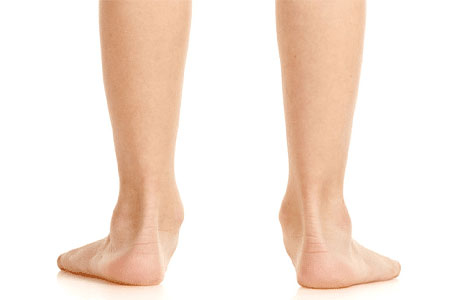
Toddlers with low muscle tone, flat feet, or weak ankles. Each of these conditions forces the foot and leg muscles to do extra work just to maintain basic stability and gait.
The Two Most Common Underlying Causes
Poorly Fitted Shoes
A shoe that’s too tight compresses growing toes and restricts natural movement. A shoe that’s too loose lets the foot slide and work harder to stay stable with every step. Both create the kind of chronic, low-grade strain that often surfaces as nighttime pain. Always confirm there’s enough width for the toes to move freely and a snug, secure fit around the heel.
Learn how to measure your toddler’s foot accurately at home here.
Underlying Foot Conditions
Flat feet, low muscle tone, and weak or rolling ankles are the three conditions I see most often behind nighttime foot pain. All children are born with flat feet, but if a visible arch hasn’t developed by around age four or five, the lack of structural support means the foot is absorbing impact and maintaining balance without the help it needs — all day, every day.
For shoe recommendations specific to each condition:
Toddler Walking Shoes with Ankle Support →
Shoes for Toddlers with Flat Feet →
Best Shoes for Kids with Low Muscle Tone →
Why Acting Early Matters
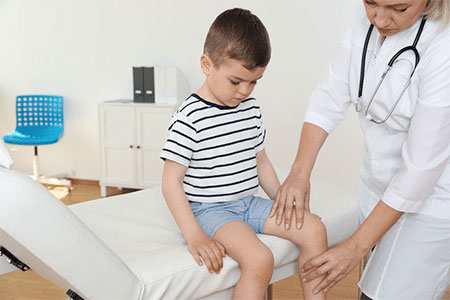
The first seven years of a child’s life are the period when the bones, ligaments, and connective tissue of the foot are most responsive to outside support. A toddler whose feet spend years compensating for a lack of structure doesn’t just experience nighttime discomfort — that compensatory pattern becomes the gait and posture habit that carries into later childhood. Addressing the cause now, with properly fitted supportive shoes, is far more effective than waiting to see if the pain resolves on its own.
What Other Parents Have Described
Nighttime foot pain is one of the topics I hear about most consistently from worried parents. A few of the situations that come up again and again:
A two-year-old waking in the middle of the night crying about foot and leg pain, losing up to an hour of sleep — with parents unsure whether a doctor visit is warranted.
A three-year-old who wakes gripping her leg at night and also complains during the day, after being told by her pediatrician it’s growing pains she’ll outgrow.
A 20-month-old repeating “feet and toes hurt” every night at bedtime for a month straight, with parents increasingly concerned something more serious is going on.
A two-year-old waking twice nightly asking for his feet to be rubbed, despite shoes that appear to fit fine on the surface.
If any of these sound familiar, you’re far from alone — and in nearly every case I’ve worked through with families, the pattern traces back to fit or an unaddressed foot condition rather than anything more serious.
What to Look for in a Shoe That Helps with Nighttime Pain
The goal is a shoe that reduces how hard your toddler’s feet and legs have to work during the day — which is what reduces the pain that surfaces at night. Three features matter most:
Firm heel counter. Holds the heel in a stable, upright position, reducing the compensatory muscle effort that comes from a rolling or unsupported heel.
Stable, supportive outsole. Distributes weight evenly so no single area of the foot is overworking to keep your toddler balanced.
Appropriate width and length. Even the most structurally excellent shoe causes strain if it’s the wrong size. Check fit every two to three months — toddlers’ feet grow quickly.
For a full breakdown of specific shoe recommendations with these features, see Supportive Sneakers for Toddlers and Toddler Foot Pain – How Supportive Shoes Can Help.
When to See a Doctor
Most nighttime foot pain in toddlers responds well to properly fitted, supportive footwear. But seek a medical evaluation if:
- The pain is accompanied by swelling, redness, or warmth in the foot or leg
- Your toddler is limping or favoring one side during the day
- The pain is severe enough to cause significant crying or distress
- There’s been a recent fall or injury
- The pain doesn’t improve within two to three weeks of switching to properly fitted supportive shoes
These signs warrant a professional evaluation rather than a footwear-only approach. Being proactive about ruling out anything more serious is always the right instinct — even if the most likely explanation remains a foot condition that responds to the right shoes.
Frequently Asked Questions
It’s reasonable to ask your pediatrician directly why the pain is localized to the feet and legs rather than other growing body parts, and whether a foot and gait assessment has been done. In the meantime, switching to properly fitted supportive shoes costs little and has no downside — if it resolves the pain, you have your answer.
This is actually the most common pattern, not an exception. Daytime distraction masks the cumulative strain building in the feet and legs. By nighttime, with the body still and quiet, that strain registers as pain. It’s a strong sign the cause is mechanical — related to how the feet are working all day — rather than something more serious.
“Fits fine” by appearance doesn’t always mean fits correctly. Press the front of the shoe with your toddler standing — you should feel about half a thumb’s width between the longest toe and the end of the shoe. Also check the heel counter by pressing the back of the shoe; if it collapses easily, the shoe isn’t providing the stability your toddler’s foot needs, even if the length is correct. If the fit truly is fine, an underlying condition like flat feet or low muscle tone is the next thing to investigate.
Many parents notice their toddler sleeping through the night within one to two weeks of consistent daily wear in properly fitted supportive shoes. If there’s no improvement after three weeks, that’s the point to pursue a pediatric or physical therapy evaluation rather than continuing to wait.
Every toddler’s situation is different — if you’d like guidance specific to your child’s foot shape and symptoms, reach out through our contact page.