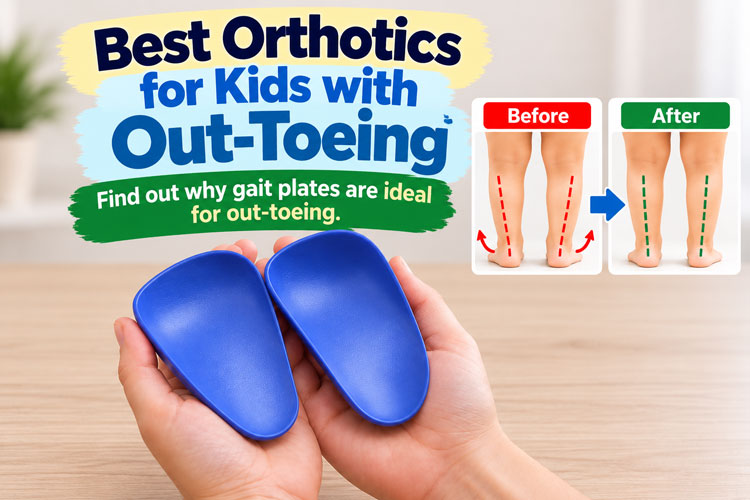
Best Orthotics (Gait Plates) for Kids with Out-Toeing
Last updated: August 2026 | By Juan Valenzuela, Certified Children’s Shoe Fitter
Is your child walking with their feet pointing outward instead of straight ahead? If their out-toeing is linked to flat feet, certain orthotics can help improve their foot posture and walking gait. As a shoe fitter specializing in children’s shoes and orthotics, I work with various types of orthotics to address out-toeing, and one in particular stands out as the most effective and least invasive option for correcting it.
Many physical and occupational therapists refer families of children with out-toeing to the shoe store where I work for expert fitting of supportive shoes and orthotics. These professionals emphasize that even if a child with out-toeing isn’t experiencing foot pain, the condition is still worth treating — early intervention makes it meaningfully easier to manage and correct.
How to Identify Out-Toeing in Your Child’s Feet
Out-toeing is a gait pattern where the feet turn outward while standing or walking. In my experience, an out-toeing gait is often associated with flat feet, and children who have both flat feet and out-toeing are more prone to tripping and falling.
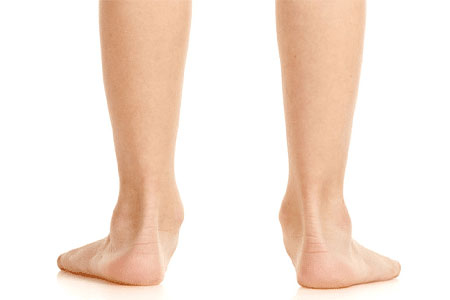
This gait pattern is relatively common in young children, but common doesn’t mean it should be left unaddressed. Prolonged out-toeing can put extra pressure on the joints in the hips, legs, and feet, potentially leading to ongoing issues over time.
Can Orthotics Help Prevent Out-Toeing?
Orthotics can help treat and prevent out-toeing by putting your child’s feet in a more stable position. It’s genuinely remarkable what a difference the correct pair of orthotics can make in improving a child’s foot posture and overall walking gait.
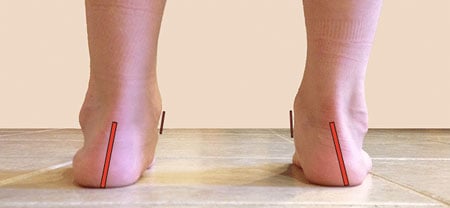
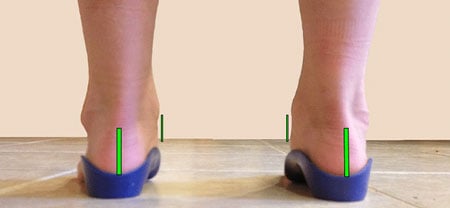
Real-Life Impact: Before and After
Most parents feel anxious when they first notice their child’s feet turning at an unusual angle and learn it might be out-toeing. That’s an understandable reaction — but the good news is that supportive orthotics can help manage, and often meaningfully improve, this condition.
Do You Know Whether Your Child Has Flat Feet?
Children with flat feet are more prone to foot posture and gait issues, since their feet are less stable — they naturally turn their feet outward to help maintain balance. Walking with the feet turned outward can temporarily improve a child’s balance and stability, but it isn’t a normal long-term pattern, and it can promote improper muscle balance development if left unaddressed.
Key Features of Orthotics for Out-Toeing
The orthotics I recommend are genuinely effective for treating and preventing out-toeing, offering two key features:
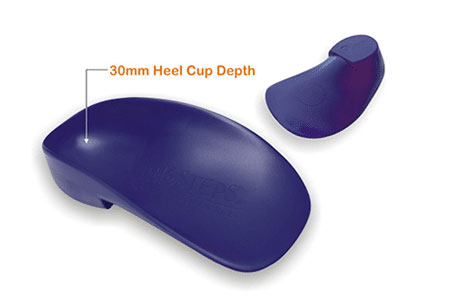
1. Deep Heel Cups. A 30mm heel cup helps control the alignment of the heel and lower leg while also supporting the arch. Many parents of children with flat feet assume they just need an orthotic with good arch support — but when a child has flat feet, you’re not only supporting the arch, you’re mechanically supporting the specific parts of the foot that are causing it to be flat in the first place, like the heel.
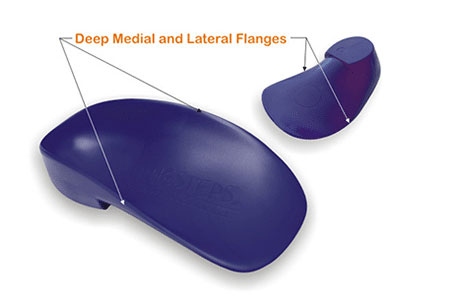
2. Medial and Lateral Flanges. These flanges are key to keeping the foot properly aligned over the orthotic, and I’ve seen firsthand how many prefabricated children’s orthotics skip this crucial feature. Without it, a child’s foot often pushes through the orthotic and moves in the wrong direction, compromising how well it works.
The orthotics I recommend also feature a medium rearfoot posting and a medial skive, both of which help further improve foot alignment and stability.
Best Orthotic for Kids with Out-Toeing
These orthotic inserts for out-toeing are the best prefabricated option on the market for treating and controlling out-toeing linked to flat feet. I’ve tested several different orthotics for children with out-toeing, and this one has consistently proven the most effective. Disclosure: this post contains affiliate links, and I may earn a small commission at no extra cost to you.

- Order littleSTEPS® Orthotics gait plates from their website — use referral code JVFCS100121 at checkout
- Specifically designed to help correct out-toeing linked to flat feet, using a deep heel cup and medial/lateral flanges to guide the foot into better alignment
- No need to remove the shoe’s original insole when fitting this orthotic
- The 3/4-length design makes it easier to fit into a range of shoe styles
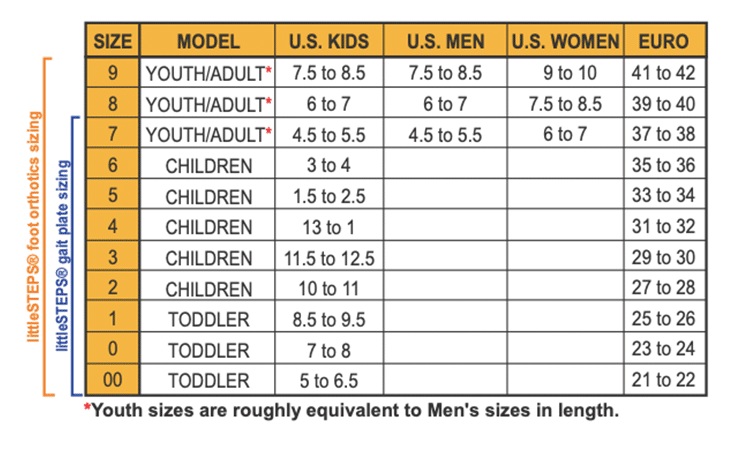
- Use this sizing chart to find the right size based on your child’s shoe size
This orthotic helps stabilize your child’s heels and keeps the feet aligned rather than turning outward.
What Shoes Work Best with These Orthotics?
The orthotics I recommend will be most effective when paired with the right shoes. The combination of properly fitted shoes and orthotics plays a crucial role in treating and preventing out-toeing. Also, make sure your child’s shoes are always securely tied — this ensures they get the full support and stability the combination is designed to provide.
Can Shoes and Orthotics Treat and Prevent Out-Toeing?
Some medical professionals believe shoes and orthotics are largely ineffective for treating out-toeing, though it’s often unclear whether they’ve actually tried the correct types of shoes and orthotics to begin with. Other medical professionals strongly believe the right shoes and orthotics are essential to treating and preventing out-toeing. How effective the orthotics I recommend will be for your child depends on their individual foot anatomy and the degree of out-toeing they’re experiencing.
Whatever treatment or approach you decide to take, the goal should be encouraging your child’s feet to move into a better position. Most families who allowed the condition to resolve on its own wished they’d acted sooner. If treatments like physiotherapy or supportive shoes and orthotics aren’t successful, your doctor may recommend surgery.
Keep in mind that children’s feet are constantly developing, and what happens to them during childhood affects how the rest of the body develops as they grow.
Contact Me for Personalized Recommendations
Every child’s feet and degree of out-toeing are different, and personalized guidance can make a real difference. If you’d like help determining the right shoes and orthotics for your child, feel free to reach out by email — my goal is to help your child walk comfortably and confidently.
Frequently Asked Questions
Yes — littleSTEPS makes separate versions of this same orthotic specifically designed for each direction of misalignment. The toe-out version described here is built for out-toeing, while a separate toe-in version addresses pigeon toe (in-toeing). Make sure you’re ordering the correct version for your child’s specific gait pattern.
I generally recommend starting with the right supportive shoes, then adding the orthotic if you don’t see enough improvement, or if your child’s doctor has specifically recommended one. The two work best together — the shoe provides the stable foundation the orthotic needs to actually do its job.
Yes, though in my experience it’s often connected to flat feet, since children with flat feet naturally turn their feet outward to help with balance and stability. Out-toeing can also stem from other causes, such as how the hip or leg bones are rotated. If your child’s out-toeing doesn’t seem connected to flat feet, it’s worth having a pediatrician or orthopedic specialist evaluate the underlying cause.
This article is for general informational purposes and isn’t a substitute for medical advice. Please consult a podiatrist or pediatric orthopedic specialist to determine the right treatment approach for your child’s specific condition.