Sandals for Kids with Sensory Issues – Soft Materials, Seam-Free Fabrics, and Fully Adjustable
Last updated: June 2026 | By Juan Valenzuela, Certified Children’s Shoe Fitter | Est. reading time: 15 minutes
Does your child constantly say their sandals feel “too tight,” “too loose,” or “too pinchy”? Kids with sensory sensitivities often struggle with footwear, and while a proper shoe fitting at a local store is ideal, these environments can be overwhelming — triggering anxiety and discomfort. In over 10 years of shoe-fitting experience, I’ve walked dozens of families through exactly this struggle. In this guide, I’ll share the best sandals for kids with sensory issues — focusing on soft materials, minimal seams, and a gentle, secure fit to keep your child comfortable and happy.
Finding Comfortable Shoes for Kids with Sensory Issues
Many children with sensory sensitivities struggle with wearing shoes and may experience tantrums or meltdowns during the process. The key to finding the right footwear is prioritizing comfort above all else. When fitting shoes for kids with sensory issues, I focus on styles with soft, seam-free interiors, padded collars, and heel tabs that allow for gentle adjustments around the heel. When it comes to sandals, the best options offer multiple points of adjustability, giving children more control over how snug or loose their sandals feel — helping reduce discomfort and sensory overload.
My Experience Helping Children with Sensory Issues
As a dedicated shoe fitter, I’ve helped countless children find shoes that meet their unique needs — and I’m confident I can help your child too. Many physical and occupational therapists regularly refer families to the shoe store where I work specifically for sensory-friendly fittings. When a child with sensory sensitivities walks through our doors, my very first question is simple but important: “Do you prefer your shoes to feel snug or loose?” Understanding their preferences from the start helps me guide them toward the most comfortable, sensory-friendly options — and it’s a question I’d encourage any parent to ask before walking into a store.
Sandals for Kids with Sensory Issues – Too Tight or Too Loose?
Many children with sensory sensitivities struggle with how shoes fit and feel. In my experience, most prefer a looser fit and can’t tolerate the feeling of tight shoes. However, I’ve also worked with plenty of children who constantly say their shoes feel too loose — even when the Velcro straps are pulled as tight as they’ll go. Neither preference is wrong; it’s just a matter of finding the sandal that gives your specific child the most control.
What Sandals Work Best for Kids with Sensory Issues?
When choosing sandals for children with sensory issues, consider the following features. These elements are not just about comfort but also about ensuring the sandals provide the necessary support and functionality.
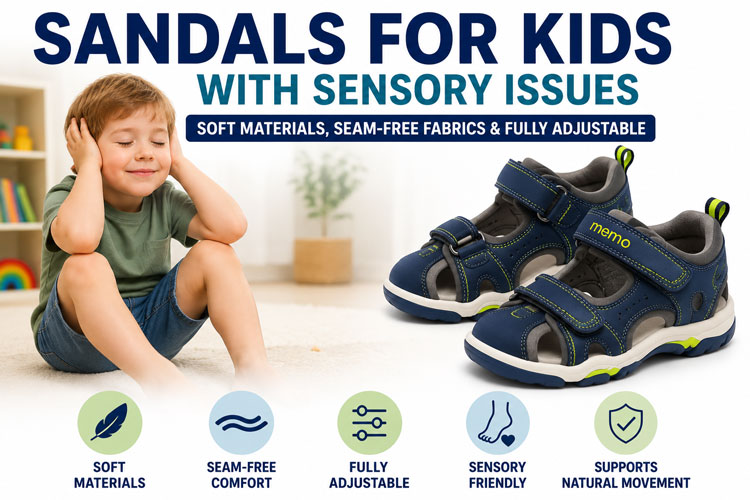
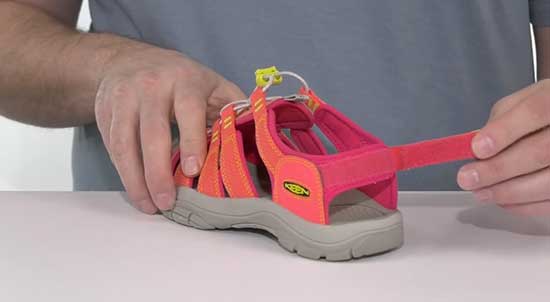
Fully Adjustable Straps: To keep your child comfortable and in control, it’s important to choose sandals with multiple points of adjustability. This allows kids to customize the fit to feel just right — whether they prefer it snug or a bit roomier. Many of the sandals I recommend offer three key adjustment points: at the front, top, and back of the foot — for a secure, personalized fit that supports all-day comfort.
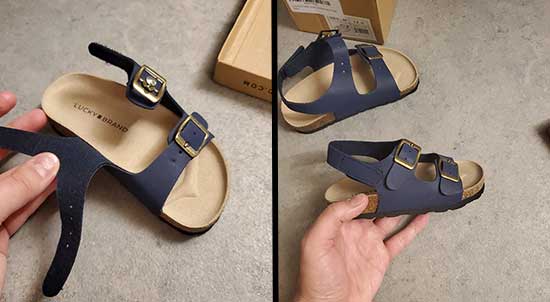
Soft Materials and Extra Padding: In my experience, the best sandals for kids with sensory sensitivities are made from soft, flexible materials with extra padding around the heels. These features help reduce irritation, prevent rubbing, and provide a cozy, barely-there feel that makes a big difference in your child’s overall comfort — so they’re more likely to actually want to wear their sandals.
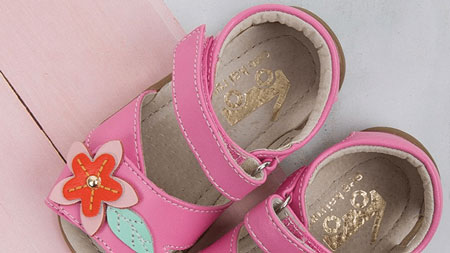

The sandals I recommend are lightweight, flexible, and feature sensory-friendly footbeds designed to maximize comfort and minimize pain. Disclosure: Some links in this post are affiliate links, meaning I may earn a small commission at no extra cost to you if you make a purchase.
Best Sandals for Kids with Sensory Issues – Seam-Free Fabrics
Below are the sandals I reach for most often when a parent tells me their child has sensory sensitivities. Each one has been chosen based on quality, durability, and overall suitability for sensory needs.
1. Cyrus IV by See Kai Run
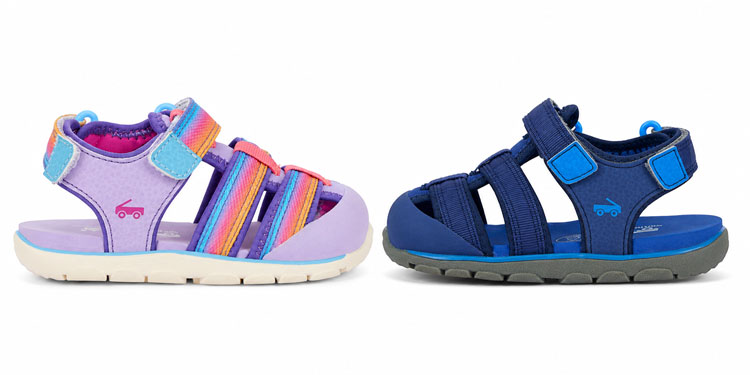
These See Kai Run sensory-friendly sandals are crafted with a focus on healthy foot development. They’re flexible, breathable, and have a seamless interior — usually my first suggestion when a parent specifically mentions seam sensitivity.
Key Features
- Order on Amazon
- Fits medium, wide, and extra wide feet (fits high insteps)
- Water-friendly and machine washable
- Generous toe box and EVA molded footbed promotes healthy foot development
- Adjustable Velcro strap around the heels
- Fitting tip: size a half size up from your child’s current foot length
2. Seaturtle by Kamik
These open-toe sandals combine style with functionality. They offer great traction and are designed to withstand various terrains, making them ideal for both urban and rural settings.
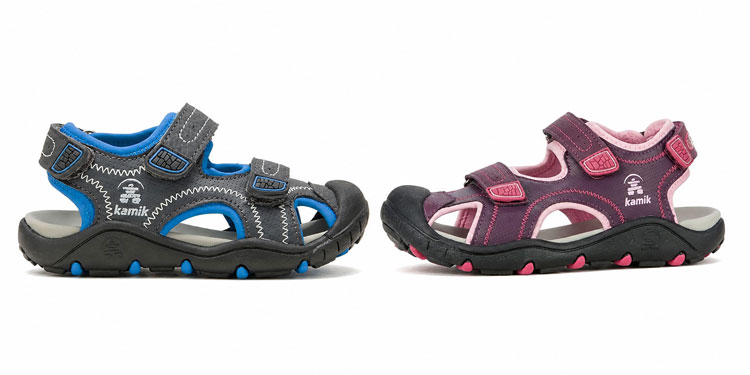
Key Features
- Order on Amazon
- Fits medium, wide, and extra wide feet (fits high insteps)
- Triple Velcro straps for easy on and off
- Quick-drying, moisture-wicking lining Vegan-friendly
- Fitting tip: size a full size up from your child’s current foot length
3 Adventurous Light-Weight by Dream Pairs
Dream Pairs offers lightweight sandals perfect for children with sensory issues. Their designs focus on comfort and durability, ensuring your child’s feet are well-supported during outdoor adventures.
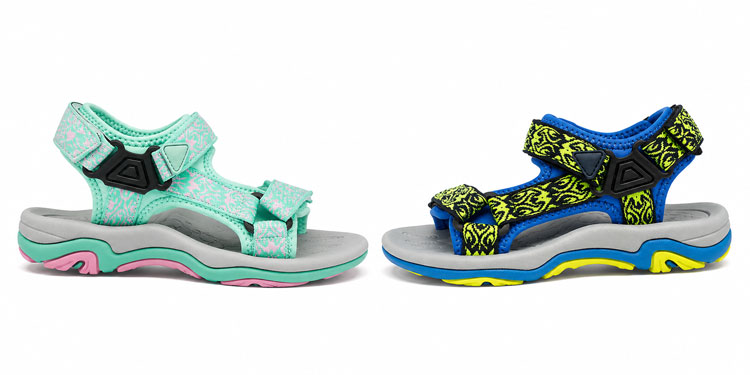
Key Features
- Order on Amazon
- Fits medium, wide, and extra wide feet (fits high insteps)
- Triple hook-and-loop closure for quick, easy on and off
- Excellent grip
- Lightweight, cushioned MD footbed for all-day comfort
- Fitting tip: size a full size up from your child’s current foot length
4. Paley II by See Kai Run
The Paley by See Kai Run is a top pick for kids with sensory issues. It features two Velcro straps — including one at the back — making it easy to open up the sandal for quick, effortless entry while still providing a secure, comfy fit.
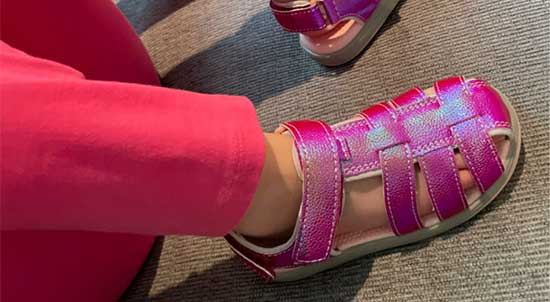
Key Features
- I suggest that you get this sandal style Paley II by See Kai Run on Amazon
- Fits medium, wide, and extra wide feet (fits high insteps)
- Two points of adjustability
- Water-friendly and machine washable
- EVA foam footbed cushions and softly supports for all-day comfort
- I suggest that you get this sandal half a size larger than your child’s current foot size
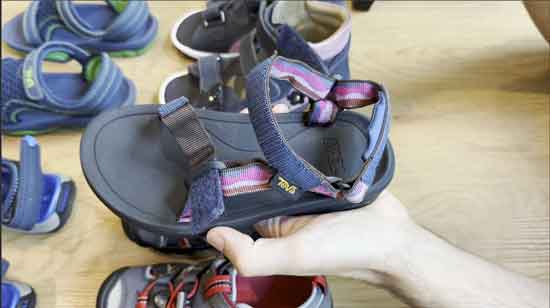
5. Hurricane by Teva
These Teva sandals are one of my top picks for sensory issues overall. The triple Velcro adjustable straps let children control exactly how tight or loose they want the sandals to feel — which tends to matter more to sensory-sensitive kids than almost any other feature on this list.
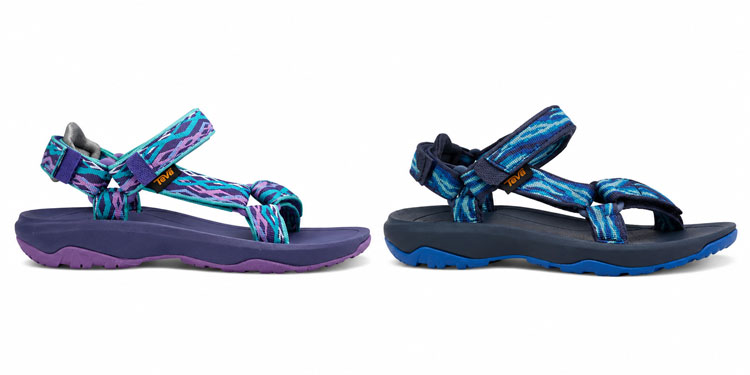
Key Features
- Order on Amazon
- Fits medium, wide, and extra wide feet (fits high insteps)
- Easy hook-and-loop closure comes on and off quickly and gets the fit just right
- Rubber outsole for durability and traction
- Fitting tip: size a half size up from your child’s current foot length, since the strap pattern runs slightly snug
6. Adventure Seeker by Timberland
This Timberland sandal is designed with extra padding and cushioning around the heels, making it ideal for children with sensory issues who are particularly sensitive to heel rubbing.
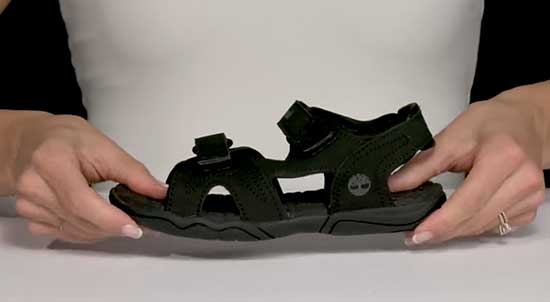
Key Features
- Order the sandal Adventure Seeker by Timberland on Amazon
- Fits medium and wide feet
- Two adjustable straps with hook-and-loop closure
- Eva foam footbed cushions and softly supports for all day comfort
- I suggest that you get this sandal half a size larger than your child’s current foot size
7. Motozoa by Keen
This Keen sandal also features extra padding and cushioning around the heels, offering comfort and support for children with sensory issues. Its soft, protective fit helps reduce irritation.
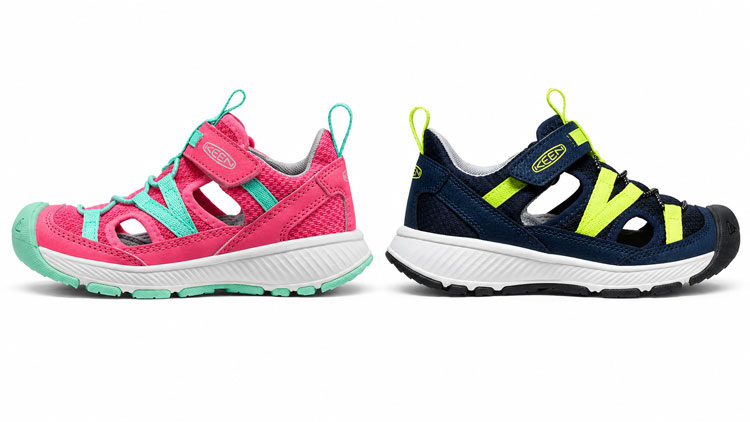
Key Features
- Order on Amazon
- Fits medium and wide feet
- Two adjustable Velcro straps for easy on and off
- Extra padding around the straps
- Siped sole channels water away for exceptional grip in the rain and on wet surfaces
- High abrasion rubber tip for added durability and protection
- Fitting tip: size a full size up from your child’s current foot length
A tip several families have shared with me: try “desensitizing” your child’s feet before putting sandals on by gently massaging and warming the feet first. It’s a small step, but it can make the whole process noticeably smoother.
Personalized Shoe Recommendations
As a passionate shoe fitter, I understand that each child’s foot is unique. I offer personalized recommendations to help every family find the right pair of sandals for their child — feel free to reach out through our contact page for a tailored consultation based on your child’s specific sensory needs.
Do You Need to Buy Multiple Pairs? – Shoe Size Matters
If you like one of the sandals I recommend, I’d suggest ordering it in a couple of different sizes and having your child try them on at home. It takes a fair amount of trial and error to land on the right shoe size for a child with sensory issues, and ordering online makes that harder to judge upfront. To help with that, I offer a virtual shoe fitting service that walks you through measuring your child’s foot length and width from home — which also avoids the added stress of having your child’s feet touched by a stranger at a store.
Is It Safe for My Child to Wear Crocs During the Summer?
Crocs are a popular choice for summer footwear, but they may not provide what a sensory-sensitive child actually needs. While they’re lightweight and easy to slip on, they lack the structured adjustability found in the sandals above — there’s no way to fine-tune the fit, which is often the exact feature that matters most for these kids.
Bonus Resource: Everyday Sneakers for Sensory Issues
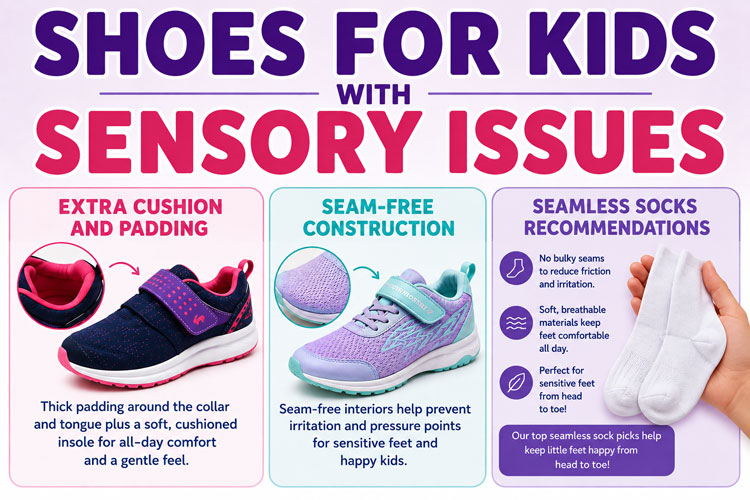
In addition to sandals, having a pair of everyday sneakers with the same soft materials, seam-free design, and adjustability is essential for year-round comfort and consistency.
A Final Note: Patience Goes a Long Way
There’s nothing wrong with letting your child walk barefoot when it’s safe to do so — don’t force shoes onto a child who is in genuine sensory distress, as that can make the underlying sensitivity worse rather than better. Take the time to try different styles until you find one your child can tolerate.
If you have a local children’s shoe store, call ahead to ask about their least busy times or whether they offer private appointments — this alone can make a huge difference in how the visit goes. Identifying your child’s specific triggers beforehand also helps the fitter act faster and with more patience.
I always prefer when parents tell me upfront that their child has sensory issues — it helps me adjust my approach immediately rather than guessing. So don’t hesitate to mention it to whoever is helping you, whether that’s me or another fitter. A little extra patience on both sides goes a long way.
Frequently Asked Questions
This is more common than most parents expect. Try a sandal with a wider opening or a different strap pattern altogether — sometimes the sensation is coming from where the strap sits on the foot rather than how tight it’s pulled. A shoe fitter or occupational therapist can help narrow down the specific trigger.
As long as your child doesn’t have a separate foot condition and you’re in a safe environment, there’s nothing wrong with letting them go barefoot. Forcing shoes when a child is in genuine sensory distress tends to make things worse, not better. It’s better to keep trying different styles patiently than to force the issue.
Yes, completely. Most of the families I work with go through more than one pair before landing on the right fit. I always recommend ordering a size or two to try at home rather than guessing from measurements alone.