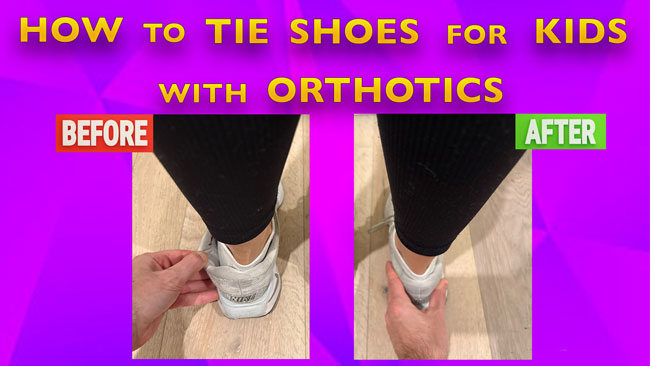
How to Tie Your Kids’ Sport Shoes – Let’s Support and Protect Your Kids’ Feet!
If your child is involved in a particular sport, there is a specific shoe tying technique that helps prevent foot injuries as well as general foot and heel pain. This shoe tying method is also going to help improve your child’s performance, since the more secure the shoes feel around your child’s feet, the more stable and confident your child is going to be on the playing field. Let me show you how to tie your kids’ sport shoes to maximize performance and prevent injuries.
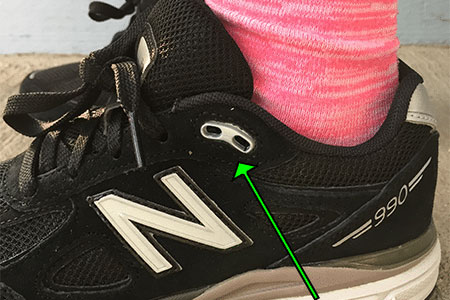
When kids play sports or take part in high-impact activities, their feet and legs take on extra stress with every step, jump, and sprint. That’s why it’s so important to keep their feet well-supported—with the right shoes and a secure lacing technique that keeps everything in place and helps prevent injuries.
How to Tie Your Kids’ Sport Shoes in 3 Simple Steps
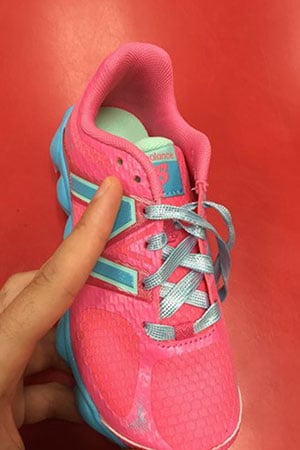
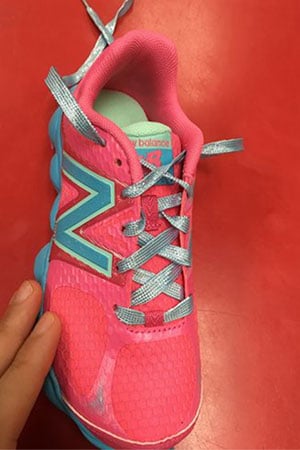
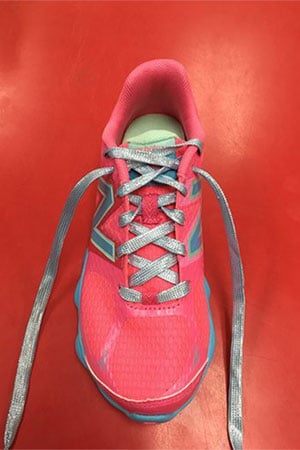
Getting the Correct Length Shoelaces – Get It Right!
Tired of your child’s shoelaces constantly coming untied on the field—even with double knots? The key is using the right lacing technique and the correct lace length. Laces that are too long increase the risk of tripping, while laces that are too short make tying difficult and more likely to come undone, putting your child at risk of falls and injury.

What Are Good Shoelaces for Kids?
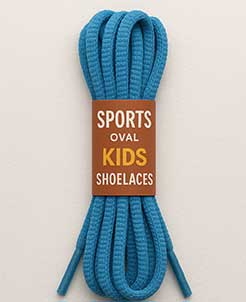
These shoelaces feature small bubbles along their length that grip and hold, keeping them securely tied. One of my top picks is the Greatlaces ProAthletic™ Oval-Bubbles, designed with a unique texture that helps prevent them from coming undone.
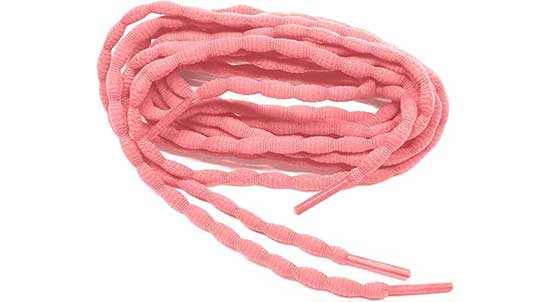
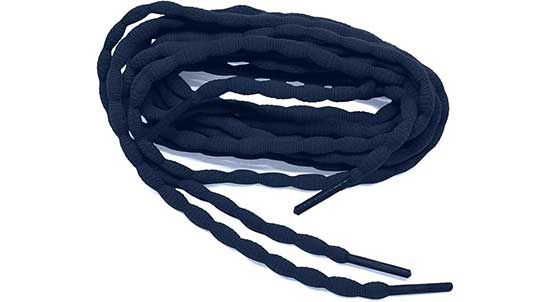
- Order these shoelaces made by GREATLACES on Amazon
- Packing contains two pairs of laces
- Order the correct lace length by counting how many eyelets (shoe holes) your child’s shoes have
- Disclosure: Some links in this post may be affiliate links
What Are the Best Sport Shoes for Children?
When selecting sport shoes for kids, consider shoes that offer support, durability, and comfort. An ideal pair should have a firm heel counter, a flexible sole, and ample room in the toe box to accommodate growing feet. To get personalized recommendations, access my guide on choosing the best sport shoes for children.